Source Hospital Bed Pad for Hospital, Home Care, and Nursing Facilities
Compare 30 Hospital Bed Pad options from Chinese manufacturers featuring non-woven materials, various sizes, and customization. Buyers can evaluate specifications like absorption capacity, sterilization methods, and packaging details for medical or home use applications.
Key considerations
Products List


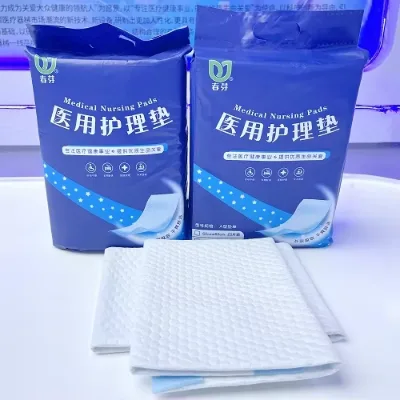
Disposable Under Pad Free Sample Disposable Underpad for Hospital Bed Pad
$0.01 - $0.30
MOQ: 50000 piece




Comprehensive Sourcing Guide
Hospital Bed Pad Sourcing Guide
Product Scope and Observed Listing Signals
The market for hospital bed pads, often categorized under disposable medical underpads or surgical supplies materials, presents a diverse range of options tailored for both clinical and home care environments. Based on observed listing signals, these products are primarily manufactured in China, with specific production hubs identified in Suzhou and Anqing. The core material composition for these items is consistently non-woven fabric, which provides the necessary fluid barrier and breathability required for patient comfort and hygiene. Buyers will encounter variations in size standards, with common dimensions including 6090cm, 4560cm, and 6060cm, alongside smaller variants like 2533cm and 33*45cm. These dimensions cater to different bed sizes and specific clinical needs, ensuring that the pad covers the necessary area without excessive waste.
Color options observed in the market include blue, pink, and white, with some suppliers offering OEM color customization to meet institutional branding or specific hospital protocols. The application scope extends beyond general hospital use to include home care settings, indicating a versatility that appeals to a broad buyer base. Some listings explicitly target adult users, while others are designed for specific gender applications, such as men, suggesting a segmentation in product design that may address anatomical or usage-specific requirements. The presence of features like "leak guard" and "anti-leak" properties highlights the critical importance of fluid containment in these products, which is a primary concern for healthcare providers managing incontinence or surgical procedures.
Technical Specifications to Verify
When evaluating technical specifications, the absorption capacity is a critical metric that varies significantly across different product models. Buyers should verify the specific absorption rates, which can range from 200ml to 1500ml per piece, depending on the internal absorbent polymer content. The superabsorbent polymer (SAP) weight is a key differentiator, with options typically available in 2g, 3g, or 7g configurations, or customized according to OEM requests. This variation directly impacts the pad's performance in managing fluid volume, so procurement teams must align these specifications with the expected patient load and clinical scenarios. Additionally, the net weight per piece generally falls between 35g and 120g, providing a tangible indicator of material density and quality.
Packaging and sterilization methods are equally important technical considerations that affect storage, handling, and clinical readiness. Products may be sterilized using Ethylene Oxide (EO) or supplied without EO sterilization, a distinction that must be clearly documented to meet specific hospital infection control protocols. Packaging formats vary from individual polybags to bulk carton boxes, with some listings specifying 8 bags per polybag or 25 pieces per bag. The model numbers observed, such as UP-111, scd02, and TOPBP6060, serve as unique identifiers for these configurations. Buyers must ensure that the selected model matches the required sterilization status and packaging quantity to avoid logistical mismatches upon delivery.
Compliance and Safety Documentation
Compliance with international standards is non-negotiable for medical-grade bed pads, and buyers must verify the certification status of their suppliers. Observed listings indicate that reputable manufacturers often hold CE, ISO, and SGS certifications, which serve as foundational evidence of quality management and product safety. The presence of ISO 13485, a standard specific to medical devices, is a strong indicator of a supplier's commitment to consistent manufacturing practices and regulatory compliance. However, buyers should not assume that all listed products automatically meet these standards; instead, they must request valid certificates and verify their authenticity through the issuing bodies. This due diligence is essential to mitigate regulatory risks and ensure that the products meet the legal requirements of the destination market.
Sterilization validation is another critical aspect of safety documentation. For products claiming Ethylene Oxide Sterilization, buyers should request proof of sterilization validation and residual gas testing results to ensure patient safety. Conversely, for non-sterile products, the focus shifts to microbial limits and general hygiene standards. The "Quantity Guarantee Period" observed in some listings, ranging from two to three years, provides insight into the product's shelf life and stability. Buyers must confirm that the expiration dates on delivered goods align with their inventory turnover rates to prevent waste and ensure that only fresh, effective products are used in patient care.
Cost Drivers and Commercial Terms
The cost structure of hospital bed pads is influenced by several factors, including material quality, absorption capacity, and packaging complexity. The observed price range of $0.01 to $2.50 USD reflects the wide variance in product specifications, from basic non-woven sheets to high-absorbency, sterilized medical underpads. Buyers should understand that lower prices may correlate with reduced SAP content or thinner non-woven layers, which could compromise performance. Therefore, cost analysis must be balanced against technical specifications to ensure that the selected product meets clinical requirements without unnecessary expenditure. Customization options, such as OEM logo printing or specific packaging designs, may also impact the final unit cost, so these variables should be factored into the total cost of ownership.
Commercial terms, including Minimum Order Quantity (MOQ) and lead times, play a significant role in procurement planning. The observed MOQ range of 6,000 to 150,000 pieces per size indicates that suppliers prefer large-volume orders to optimize production efficiency. Buyers with smaller requirements may need to negotiate exceptions or consolidate orders across multiple product lines. Lead times typically range from 10 to 25 days from the deposit date, which requires careful inventory management to avoid stockouts. Payment terms and shipping arrangements, such as OEM shipping packing, should be clearly defined in the contract to prevent disputes and ensure smooth logistics. Understanding these commercial dynamics allows buyers to negotiate better terms and align supply chain operations with their budgetary constraints.
Supplier Qualification and Quality Control
Supplier qualification begins with a thorough assessment of manufacturing capabilities and quality control systems. Buyers should prioritize suppliers who demonstrate transparency in their production processes and provide detailed product specifications. The origin of the product, whether from Suzhou, Anqing, or other regions in China, should be verified to ensure consistency in supply chain reliability. Suppliers offering customization services, such as logo printing or specific size adjustments, should be evaluated on their ability to maintain quality standards during these modifications. It is advisable to request samples for testing before committing to large orders, allowing buyers to assess the physical properties of the non-woven fabric, the effectiveness of the leak guard, and the overall durability of the product.
Quality control measures should be integrated into the procurement process through regular audits and inspection protocols. Buyers should establish clear acceptance criteria based on the observed specifications, such as absorption rates, net weight, and packaging integrity. The "Package Quantity" guarantees, such as 10, 15, 20, or 25 pieces per bag, must be strictly enforced to prevent short shipments. Additionally, suppliers should provide batch-specific test reports or certificates of analysis to verify that each production run meets the agreed-upon standards. By implementing rigorous quality control checks, buyers can minimize the risk of receiving substandard products and ensure that their healthcare facilities receive reliable, high-quality hospital bed pads.
Long-Term Procurement Checks
Long-term procurement success depends on establishing a sustainable relationship with suppliers who can consistently meet evolving needs. Buyers should monitor supplier performance over time, tracking metrics such as on-time delivery rates, product defect rates, and responsiveness to issues. The ability of suppliers to adapt to changes in demand, such as scaling production up or down, is a critical factor in maintaining supply chain resilience. Regular communication and periodic reviews of product specifications can help identify opportunities for improvement or cost savings. Buyers should also stay informed about regulatory changes in their target markets, ensuring that their suppliers remain compliant with the latest standards and certifications.
Continuous evaluation of product performance in clinical settings is essential for making informed procurement decisions. Feedback from healthcare staff regarding the comfort, absorbency, and ease of use of the bed pads can provide valuable insights for future purchasing. Buyers should consider the total cost of care, including the frequency of pad changes and the impact on nursing workload, when assessing the value of different products. By maintaining a focus on quality, compliance, and supplier reliability, buyers can build a robust procurement strategy that supports the high standards of patient care required in hospital and home care environments. This proactive approach ensures that the supply of hospital bed pads remains stable, cost-effective, and aligned with clinical best practices.
FAQs
What materials are used for hospital bed pads?
The products are made from non-woven fabric or non-woven material. This material choice ensures the pads are disposable and suitable for hospital applications while providing necessary absorption capabilities.
Can I request custom logo printing on the pads?
Yes, customization is available including options with or without logo printing. Buyers can choose between specific colors like blue, pink, or white, or request OEM color variations to match their branding needs.
What are the standard dimensions for these medical pads?
Standard sizes include 60 by 90 cm, 45 by 60 cm, and 60 by 60 cm. Other dimensions like 25 by 33 cm or 33 by 45 cm are also available depending on the specific model and order requirements.
How is the product packed for shipment?
Packing options include polybags, individual packing, or carton boxes. Some configurations offer 8 bags per polybag or 25 pieces per bag, with package quantities ranging from 5 to 10 pieces per bag.
What certifications do the hospital bed pads hold?
The products carry certifications such as CE, ISO, and SGS. Some listings also mention ISOCE certification, ensuring the medical supplies meet required safety and quality standards for hospital or home use.
What is the minimum order quantity for these pads?
The minimum order quantity typically ranges from 6,000 to 150,000 pieces. Specific listings may require 10,000 pieces per size, so buyers should confirm the exact MOQ based on the selected model and specifications.
How long does it take to receive the order?
The lead time is generally between 10 to 25 days from the deposit date. This duration applies to the manufacturing and shipping process for the disposable medical underpads ordered by the buyer.