Source Hot Air Electric Coffee Roaster for Cafes, Retailers, and Roasters
Find 30 Hot Air Electric Coffee Roaster models with varying capacities from 1kg to 35kg per batch. Compare specifications including power, heating types, and drum materials to select the right machine for your business needs.
Key considerations
Products List


Industrial Use Big Capacity Hot Air Gas Electric Coffee Bean Roaster
$1600.00 - $1650.00
MOQ: 1 Pieces


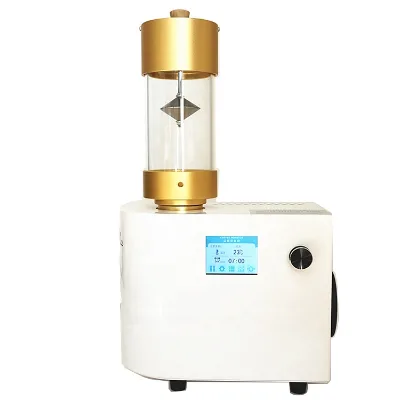


220V Electric Coffee Roaster Home Hot Air Coffee Bean Roasting Machine
$143.00 - $161.00
MOQ: 9 Pieces


Electric Gas Coffee Roaster Coffee Roasting Machine Coffee Roaster Machine
$7800.00 - $14000.00
MOQ: 1 Pieces
Comprehensive Sourcing Guide
Strategic Sourcing Guide for Hot Air Electric Coffee Roasters
The global demand for specialty coffee has driven a significant shift toward smaller-batch, high-precision roasting equipment. For procurement professionals and business owners, the "Hot Air Electric Coffee Roaster" represents a critical investment that balances operational efficiency with product quality. This guide synthesizes observed market data and technical specifications to provide a disciplined framework for sourcing these machines. The focus remains on evidence-based evaluation, ensuring that buyers can navigate the complexities of electrical requirements, capacity constraints, and compliance standards without relying on unverified claims.
Technical Specifications and Electrical Requirements
When evaluating hot air electric coffee roasters, the first step is a rigorous analysis of the electrical and thermal specifications. Unlike gas-fired units, electric roasters rely entirely on resistive heating elements, which imposes specific constraints on power infrastructure. Based on observed market data, electric models typically operate at a standard voltage of 220V with a frequency of 50/60Hz, making them adaptable to various international grids. However, power consumption varies significantly based on the machine's scale.
Small-scale units designed for 1kg batches often feature power ratings around 1800 Watts, suitable for boutique cafes or home-based operations. In contrast, industrial-grade electric roasters can demand substantially higher power inputs, with observed specifications reaching up to 12,000 Watts for heavy-duty electric heating elements. This disparity necessitates a thorough audit of the buyer's facility electrical capacity before procurement. A 12kW load requires dedicated three-phase power infrastructure, whereas a 1.8kW unit may operate on standard single-phase circuits.
Thermal performance is equally critical. The temperature range is a primary indicator of roasting versatility. Observed units offer a temperature span from 0 to 240°C, which is generally sufficient for light to medium roasts. However, for darker roasts or specific bean profiles requiring higher thermal intensity, some models extend this range up to 300°C. Buyers must verify that the specific model's maximum temperature aligns with their desired roast profiles. Additionally, the presence of a timing device is a standard feature in modern electric roasters, allowing for precise control over the roast duration. Typical roasting times for a batch range from 12 to 15 minutes, though this can vary based on the specific model's airflow dynamics and heating efficiency.
Capacity and Batch Dynamics
Capacity is the most decisive factor in selecting a roaster, as it dictates the production volume and the scalability of the business. The market presents a wide spectrum of capacities, ranging from micro-batch units to industrial continuous roasters. Small electric roasters are often designed for batches of 1kg, with a total weight including packaging of approximately 4330g. These units are ideal for testing new bean lots or serving high-end customers who value freshness.
On the other end of the spectrum, larger units offer batch capacities of 30 to 35kg. These machines are engineered for high-volume production, often featuring a drum motor power of 200W to ensure consistent agitation of large bean loads. The cooling time for these larger units is optimized for efficiency, typically ranging from 1 to 2 minutes, which is crucial for maintaining the quality of the beans immediately after the roasting cycle. The physical dimensions of these larger machines are substantial, with standard specifications listing dimensions around 380x220x200mm for smaller units and up to 1630x730x1410mm for industrial models.
The relationship between batch size and roasting time is not linear. While a 1kg batch might roast in 12-15 minutes, a 30kg batch may require similar or slightly adjusted timing depending on the airflow and heat distribution. Buyers should note that the "Bach Volume" (Batch Volume) for larger units is often cited as 30-35kg per 15-20 minutes. This metric is essential for calculating hourly output and determining the number of units required to meet daily production targets.
Compliance, Certification, and Material Standards
In the B2B procurement of food processing equipment, compliance with international safety and quality standards is non-negotiable. The housing material for coffee roasters is predominantly stainless steel, a choice driven by hygiene, durability, and resistance to corrosion. This material ensures that the machine can withstand the high temperatures and acidic nature of coffee beans without degrading. For electric models, the drum is often constructed with a double-layer stainless steel design to improve heat retention and distribution.
Certification status is a key differentiator in supplier evaluation. Observed market data indicates that many manufacturers adhere to ISO9001 standards, which verifies the consistency of their quality management systems. Furthermore, electrical safety certifications such as CE and RoHS are frequently cited for electric roasters. These certifications confirm that the equipment meets European Union safety, health, and environmental protection requirements. Buyers must explicitly request and verify these certificates, as they are not automatically guaranteed for all listed products. The absence of such documentation should be treated as a red flag, indicating potential risks regarding electrical safety and environmental compliance.
Packaging standards also play a role in the logistics of procurement. Larger industrial units are typically shipped in wooden cases to protect the heavy machinery during transit, while smaller units may be packed in plywood boxes. This distinction affects shipping costs and the unloading requirements at the destination facility.
Cost Drivers and Pricing Structures
The pricing of hot air electric coffee roasters is highly variable, influenced by capacity, power rating, and customization options. The observed price range in the market spans from $35 to $17,000. This wide disparity reflects the difference between entry-level, small-scale units and fully automated, industrial-grade systems. The lower end of the spectrum likely corresponds to compact, 1kg capacity units with basic features, while the upper end encompasses large-scale roasters with advanced control systems, higher power ratings, and robust construction.
Several factors drive the cost within this range. First, the heating type is a primary cost driver; while the focus here is on electric roasters, some models offer hybrid electric/gas capabilities, which can increase the price due to the complexity of the dual-system engineering. Second, customization availability significantly impacts cost. Models that offer "Any Color Available" or specific custom configurations often command a premium over standard off-the-shelf units. Third, the power consumption and motor specifications, such as a 200W drum motor versus a 60W motor, contribute to the overall manufacturing cost and, consequently, the purchase price.
Buyers should be wary of prices that seem abnormally low, as they may indicate compromised quality or a lack of necessary certifications. Conversely, extremely high prices should be justified by tangible features such as advanced automation, superior materials, or extended warranty terms. The Minimum Order Quantity (MOQ) is another financial consideration, with observed ranges from 1 to 9 units. This flexibility allows small businesses to start with a single unit, while larger enterprises can negotiate bulk pricing for multiple units.
Supplier Evaluation and Operational Considerations
Evaluating a supplier requires a holistic approach that goes beyond the product specifications. The origin of the product is a significant factor, with the majority of observed roasters originating from China, specifically regions like Henan. While this indicates a mature manufacturing hub for coffee equipment, it also necessitates careful verification of the supplier's reputation and logistical capabilities. Buyers should assess the supplier's ability to provide after-sales support, including spare parts availability and technical assistance.
The customization options available from suppliers can be a decisive factor for businesses with specific branding or operational needs. Features such as custom colors and tailored dimensions allow companies to align the equipment with their brand identity. However, customization often extends lead times and may increase the complexity of the procurement process. Buyers must balance the desire for customization with the need for timely delivery.
Operational considerations also include the maintenance requirements of the equipment. Electric roasters with high power consumption, such as those with 12,000W heating elements, may require more frequent maintenance of heating elements and electrical components. The cooling time and exhaust fan specifications, such as a 50W exhaust fan, are critical for maintaining a safe working environment and ensuring the beans are cooled rapidly to stop the roasting process. Buyers should inquire about the ease of cleaning and the availability of replacement parts for consumable components like the drum and heating elements.
Long-Term Procurement and Quality Assurance
Sourcing a coffee roaster is a long-term investment that requires a focus on durability and performance consistency. The quality of the roast is directly linked to the machine's ability to maintain a stable temperature and airflow. Models with a "Double Layer Stainless Steel Drum" and precise timing devices are generally more reliable for producing consistent batches over time. Buyers should prioritize suppliers who offer robust quality control measures, such as ISO9001 certification, to ensure that every unit meets the specified standards.
Long-term considerations also include the scalability of the equipment. A roaster that meets current needs may become obsolete if the business grows rapidly. Therefore, buyers should consider the potential for future expansion and whether the supplier offers a range of models that can accommodate growth. The ability to upgrade or replace specific components, such as the drum motor or heating elements, is also crucial for extending the lifespan of the machine.
Finally, the procurement process should include a clear definition of the acceptance criteria. This includes verifying the actual voltage, power rating, and temperature range of the delivered unit against the specifications provided. Buyers should conduct a trial run upon delivery to ensure that the machine performs as expected. By adhering to a disciplined, evidence-based approach, buyers can mitigate risks and secure a reliable supply of high-quality coffee roasting equipment that supports their business objectives.
| Feature Category | Small-Scale Observation | Large-Scale Observation |
|---|---|---|
| Batch Capacity | 1kg | 30-35kg |
| Power Rating | 1800 Watts | Up to 12,000 Watts |
| Temperature Range | 0-240°C | 0-300°C |
| Roasting Time | 12-15 min | 15-20 min |
| Cooling Time | N/A | 1-2 min |
| Drum Motor | 60W | 200W |
| Housing Material | Stainless Steel | Stainless Steel |
| Certification | CE, RoHS | ISO9001, CE, RoHS |
| Origin | China (General) | Henan, China |
| Packaging | Plywood Box | Wooden Case |
This comparative overview highlights the significant differences between small and large-scale units, aiding buyers in selecting the appropriate equipment for their specific operational needs. By focusing on these verified specifications and avoiding unverified claims, procurement professionals can make informed decisions that align with their strategic goals.
FAQs
What voltage and frequency do these roasters require?
These units typically operate at 220V with a frequency of 50/60Hz. This standard allows adaptation to various international electrical grids without requiring major infrastructure changes for most small to medium-scale operations.
Which batch capacities are available for electric models?
Available batch capacities range from 1kg for small units up to 30-35kg for industrial models. Buyers must select a capacity that matches their daily production volume to ensure efficient roasting cycles.
Can I find roasters with specific temperature ranges?
Yes, observed units offer temperature spans from 0-240°C or up to 0-300°C depending on the model. Selecting the correct range is essential for achieving specific roast profiles from light to dark.
What certifications are commonly found on these machines?
Many manufacturers adhere to ISO9001 standards and provide CE and RoHS certifications. These documents verify quality management consistency and compliance with European safety and environmental protection requirements.
How much power do large industrial roasters consume?
Large industrial electric roasters can demand power inputs up to 12,000 Watts. This high consumption requires a dedicated three-phase power infrastructure rather than standard single-phase circuits.
What materials are used for the housing and drum?
The housing is predominantly made of stainless steel for durability and hygiene. The drum often features a double-layer stainless steel design to improve heat retention and distribution during the roasting process.