Source Breathable Cooling Graphene Mattress Fabric for bedding, upholstery, and automotive
Compare 30 listings for Breathable Cooling Graphene Mattress Fabric from verified Chinese manufacturers. Buyers can evaluate weight, density, and customization options for mattress covers and upholstery projects.
Key considerations
Products List
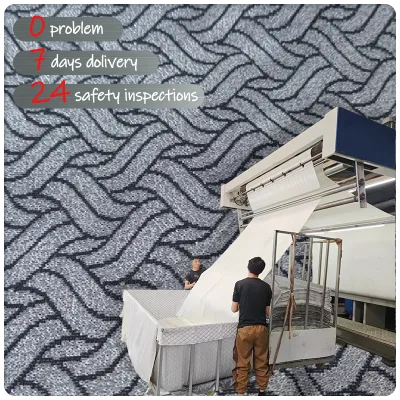
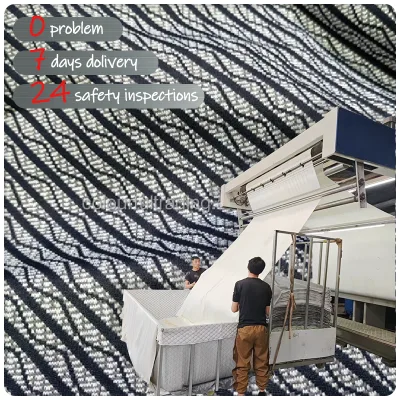
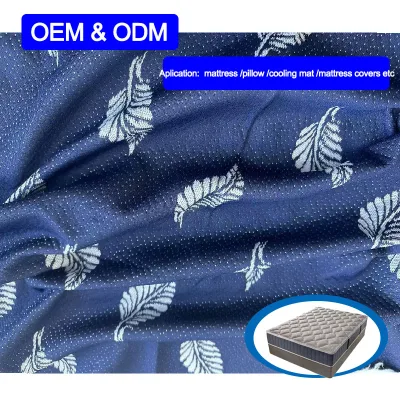
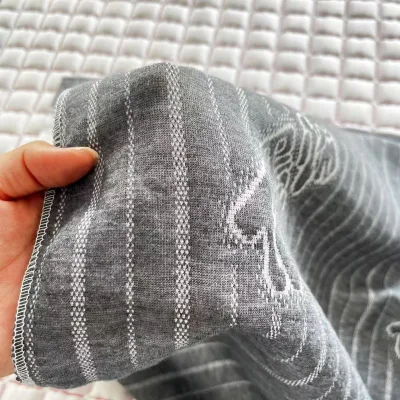
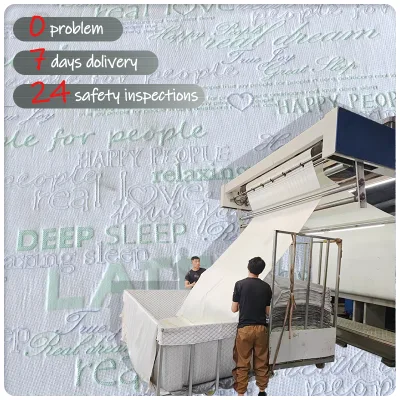
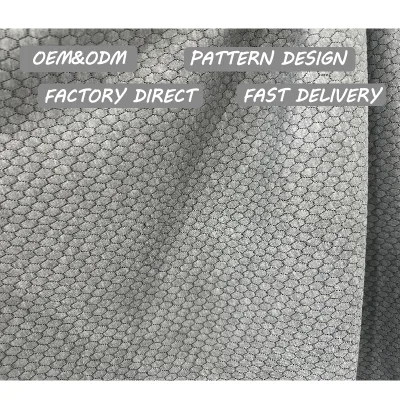


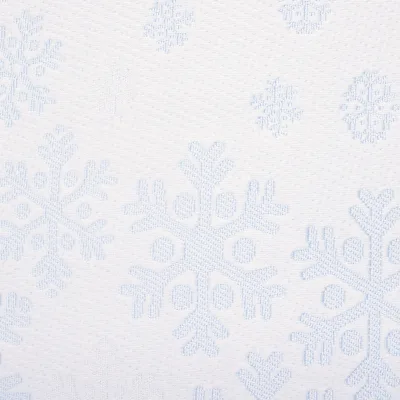
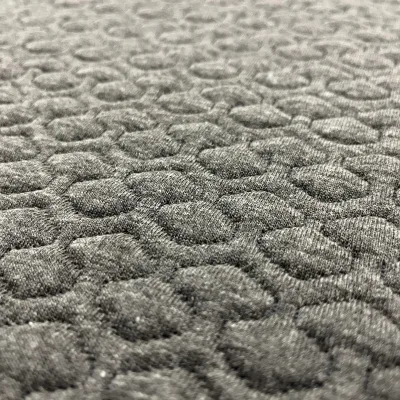
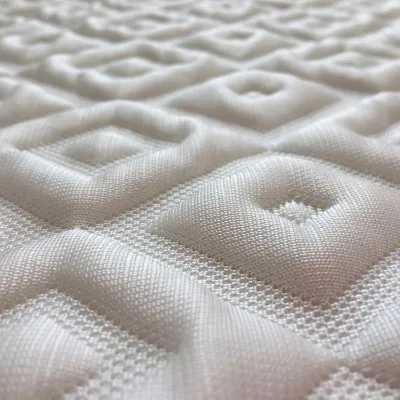
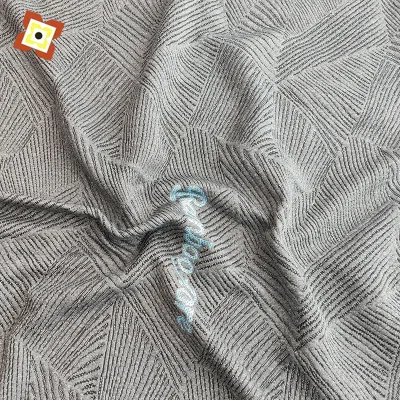
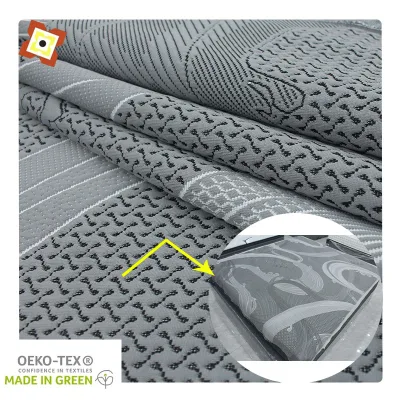
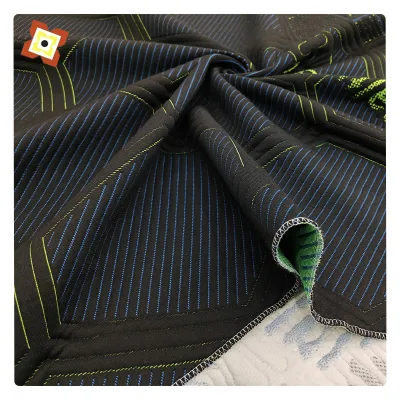
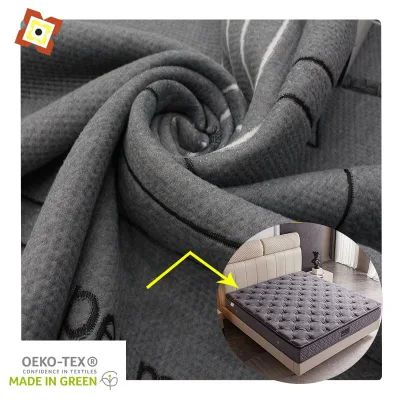
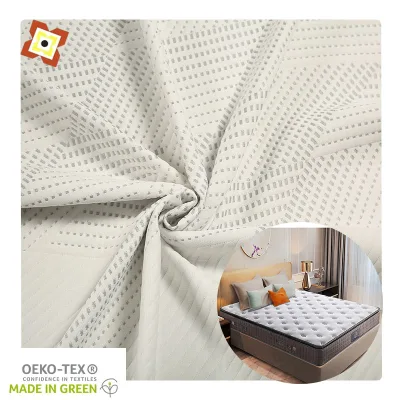
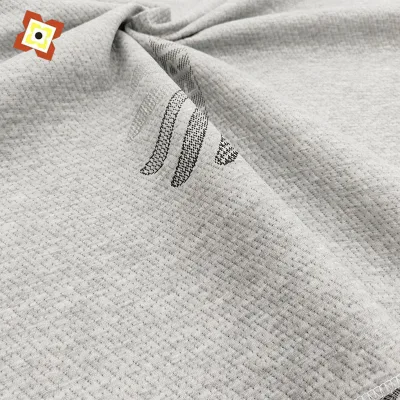


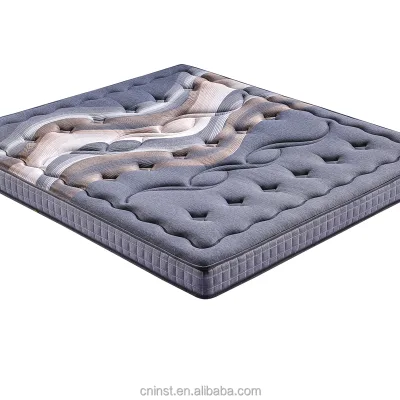
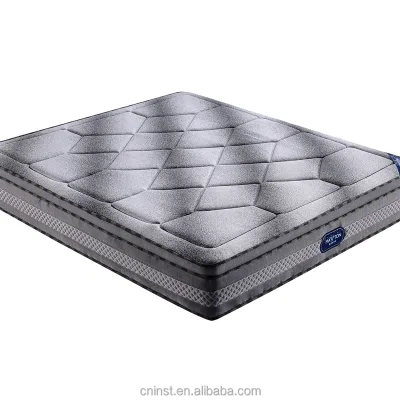
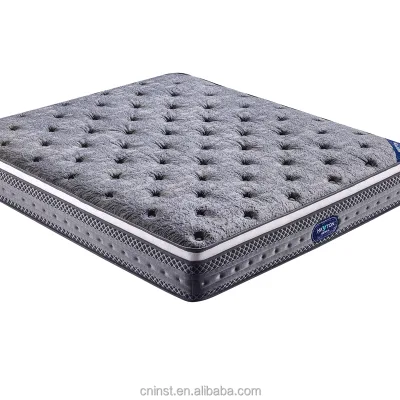
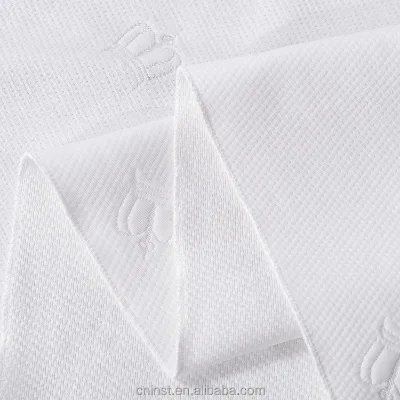
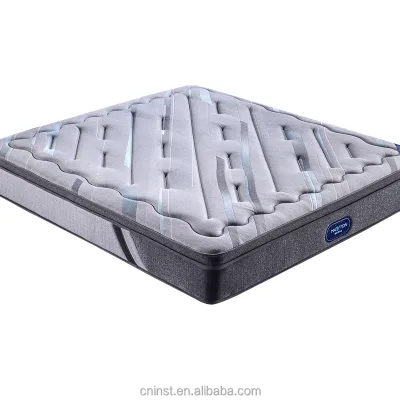
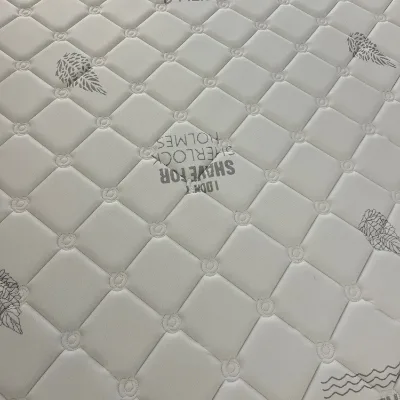
Memory Foam Mattress Advanced Touch Mattress with Graphene Fabric Cover
$79.00 - $89.00
MOQ: 10 Pieces
Comprehensive Sourcing Guide
Strategic Sourcing Guide for Breathable Cooling Graphene Mattress Fabric
Understanding the Technical Architecture of Advanced Mattress Textiles
When sourcing Breathable Cooling Graphene Mattress Fabric, buyers must first distinguish between generic polyester knits and specialized functional composites. The market offers a spectrum of products, ranging from standard weft-sueded knits to high-performance graphene-modified textiles. A critical observation in the current supply landscape is the variation in material composition. While many suppliers offer 100% polyester options, the specific niche of cooling fabrics often utilizes a blend, such as 55% polyester and 45% PE cooling fibers, or incorporates graphene-modified fibers as a primary functional ingredient.
The structural integrity of these fabrics is defined by their knitting technique. The majority of high-quality mattress fabrics in this category are produced using a weft knitting process, which inherently provides the necessary stretch and flexibility required for mattress encasement. This "Weft Suede" or "Knitted Jacquard" construction allows the fabric to conform to the mattress core without restricting airflow. The weight of the fabric is a primary indicator of its intended use and durability. Buyers will encounter specifications ranging from medium weight (around 220gsm) to heavyweight options (350-450gsm). The 260 GSM variant is frequently cited as a standard for mattress applications, balancing breathability with structural robustness.
Width specifications also vary significantly across different product lines. Standard industrial widths often settle around 220cm, while other specialized rolls may be measured in inches, such as 86 inches (approximately 218cm). Some suppliers offer a broader width range of 220-240cm to accommodate different mattress dimensions and reduce seam requirements during manufacturing. The density of the fabric, often listed as customizable or specific values like 2376, plays a pivotal role in determining the fabric's ability to trap heat versus dissipate it. For cooling applications, a lower density combined with open-knit structures is generally preferred to maximize air permeability.
Functional Performance and Material Composition Verification
The core value proposition of "cooling graphene" fabrics lies in their ability to regulate temperature and manage moisture. Graphene, when integrated into the fiber matrix, is purported to enhance thermal conductivity, drawing heat away from the body. In the observed product data, one specific listing identifies "Main Ingredients: Graphene Modified Fiber (5%-10%)" as a key component. This percentage range is a critical verification point for buyers; it suggests that the graphene is not merely a surface coating but is integrated into the yarn itself, which generally offers more durable performance than surface treatments that might wash out over time.
Beyond graphene, the functional claims often include "Quick-Dry," "Breathable," and "COOLING" attributes. These features are typically achieved through a combination of fiber chemistry and fabric architecture. For instance, a blend of 55% Polyester and 45% PE Cooling fibers is designed to wick moisture rapidly, preventing the clammy feeling often associated with traditional synthetic mattress covers. The "Stretch" feature is ubiquitous in this category, ensuring the fabric can be tensioned over various mattress profiles without tearing. However, buyers should be cautious of overlapping claims. While "Organic" is listed as a feature in some product descriptions, this term requires strict verification against actual material certifications, as standard polyester is a synthetic material.
The following table outlines the observed technical variations in the current market to help buyers categorize potential suppliers:
| Feature Category | Observation A (Standard) | Observation B (Graphene/Functional) | Observation C (Heavyweight) |
|---|---|---|---|
| Material Composition | 100% Polyester | Graphene Modified Fiber (5%-10%) | 55% Polyester / 45% PE Cooling |
| Weight (GSM) | 220gsm (Range 180-400) | 260 GSM | 350-450 GSM |
| Knitting Type | Weft Suede / Weft Knitted | Weft Knitted | Weft Knitted |
| Primary Function | Breathable, Stretch | Cooling, Quick-Dry | Cooling, Heavyweight |
| Width | 220cm | Customized | 220-240cm |
| Density | Customizable | 2376 | Not Specified |
Buyers must verify that the "Cooling" claim is backed by the specific fiber blend or graphene content mentioned in the product specification, rather than relying solely on marketing terminology. The presence of "Shrink-Resistant" and "Wrinkle Resistant" features is also essential for mattress longevity, ensuring the cover maintains its shape and appearance after repeated washing or exposure to humidity.
Compliance, Certification, and Standard Verification
In the realm of mattress fabrics, safety and environmental compliance are non-negotiable. While the provided data mentions "OEKO-TEX" as a background standard, it is listed with low confidence, meaning buyers cannot assume any specific supplier holds this certification without direct verification. The absence of a guaranteed certification status in the raw data underscores the need for rigorous due diligence. Buyers should explicitly request valid, current certificates from suppliers before placing orders, particularly for products intended for sleep environments where skin contact is prolonged.
Packaging standards are another area where compliance plays a vital role. One observed specification notes "Inner Packaging: Food-grade PE sealed bag." This detail is significant for hygiene, especially if the fabric is used in medical or high-end residential settings. The outer packaging, described as "Packed by one PP back and nylon bag," offers protection during transit. However, buyers should verify if the "Food-grade" designation applies to the entire supply chain or just the inner layer. Additionally, the "Main Ingredients" listing implies a need for transparency regarding chemical usage. If a fabric claims to be "Organic," it must be supported by a recognized organic certification, which is distinct from standard polyester production.
When evaluating suppliers, buyers should ask for test reports regarding formaldehyde content, pH levels, and the release of harmful substances. While the text mentions "Customized Color," the dyeing process (Yarn Dyed vs. Piece Dyed) impacts the environmental footprint and chemical load. The "Yarn Dyed" attribute observed in some listings suggests a potentially more color-fast and environmentally stable process compared to piece dyeing, as the color is locked into the fiber before knitting. Buyers should confirm the dyeing method to ensure it aligns with their sustainability goals and safety requirements.
Cost Drivers and Economic Factors in Procurement
The pricing of Breathable Cooling Graphene Mattress Fabric is influenced by several distinct variables. The base material cost is the primary driver, with graphene-modified fibers and specialized cooling PE blends commanding a premium over standard 100% polyester. The observed price range in the market spans from $0.62 to $300, a wide variance that likely reflects differences in order volume, fabric weight, and the complexity of the graphene integration. A unit price at the lower end of this spectrum typically corresponds to standard polyester knits, while the higher end reflects specialized functional fabrics with verified graphene content.
Minimum Order Quantity (MOQ) is a critical economic factor. The data indicates a broad MOQ range, from 10 meters to 10,000 meters, with specific listings showing 500 meters and 2,000 meters as common thresholds. For buyers testing new product lines, suppliers with lower MOQs (e.g., 500 meters) are preferable, though they may carry a higher per-unit cost. Conversely, large-scale manufacturers seeking to optimize margins must be prepared to meet higher volume requirements, often in the range of 2,000 to 10,000 meters. The "Make-To-Order" supply type observed in the data suggests that production is triggered by specific orders, which can impact lead times and cost structures. Buyers should clarify whether the quoted price includes the cost of customizing the color or pattern, as "Customized Color" and "Pattern: Yarn Dyed" often incur additional setup fees.
Supply ability is another economic indicator. One supplier lists a supply ability of 400,000 meters per month, which is a strong signal of production capacity and stability. However, buyers must correlate this capacity with their own volume needs and lead time expectations. The "Single package size" of 40x40x30 cm and a gross weight of 0.600 kg per unit provide logistical data that affects shipping costs. For heavy rolls (e.g., 45-50 meters per roll), the logistics of handling and storage must be factored into the total cost of ownership.
Supplier Evaluation and Production Capability Assessment
Selecting the right supplier requires a deep dive into their operational capabilities and geographic footprint. The data reveals a concentration of production in specific regions, with "Zhejiang, China" and "Shandong" listed as places of origin. These regions are known for their textile manufacturing ecosystems, but buyers should verify the specific factory location to assess logistics and potential trade barriers. The "Place of Origin" should be confirmed on the commercial invoice to ensure it matches the supplier's claims, as this can impact tariff classifications and shipping routes.
The "Model Number" variations, such as "New fabric 001-16," "BV 086," and "K00350PEH," indicate a diverse product portfolio. A supplier offering a wide range of model numbers may have the flexibility to accommodate custom requests, but it also requires the buyer to be precise in their specifications to avoid receiving the wrong variant. The "Customization: Available" attribute is a positive sign, suggesting that the supplier can adapt the fabric to specific client needs, such as adjusting the GSM, width, or fiber blend. However, buyers must confirm the lead time for these customizations, as "Make-To-Order" processes can extend production schedules.
When evaluating a supplier, buyers should request samples that match the exact model number and specifications they intend to purchase. This is crucial because the "Type" of fabric can vary from "Knitted Jacquard" to "Stretch Fabric," and the performance characteristics differ significantly. The "Selling Units" being listed as "Single item" suggests that the supplier is willing to sell small quantities for sampling, which is beneficial for initial quality checks. Buyers should also inquire about the "Packaging Details" to ensure the rolls are protected adequately, as damage during transit can render the fabric unusable.
Quality Control Protocols and Long-Term Procurement Strategy
Implementing a robust quality control (QC) protocol is essential for maintaining the integrity of the mattress fabric supply chain. Given the functional claims of "Cooling" and "Breathable," buyers must establish clear acceptance criteria for these attributes. Visual inspection should focus on the consistency of the "Yarn Dyed" pattern and the uniformity of the "Weft Suede" texture. Any inconsistencies in the knit structure could compromise the fabric's stretch and cooling properties.
For long-term procurement, buyers should prioritize suppliers who offer consistent quality over time. The "Density: Customizable" and "Weight: 220gsm(180gsm-400gsm)" ranges indicate that the fabric properties can be tuned, but this flexibility must be managed carefully to ensure batch-to-batch consistency. Buyers should request a "Quality Assurance Plan" from the supplier, detailing how they test for shrinkage, color fastness, and thermal performance. The "Single gross weight" and "Single package size" data points should be used to verify that the supplier's packing standards remain consistent, preventing issues with inventory management and shipping.
Long-term relationships with suppliers can be built on transparency regarding material sourcing and production processes. Buyers should ask for detailed material safety data sheets (MSDS) and traceability reports for the graphene and cooling fibers. If the fabric is intended for export to markets with strict environmental regulations, the supplier's ability to provide compliance documentation will be a key differentiator. Finally, buyers should consider the "Supply Ability" of the supplier in the context of their own growth plans. A supplier capable of delivering 400,000 meters per month may be better suited for scaling operations, provided they can maintain quality at that volume. By focusing on these technical and operational factors, buyers can secure a reliable supply of high-performance mattress fabric that meets both functional and commercial requirements.
FAQs
What is the typical weight range for this fabric?
The fabric weight typically ranges from 180 to 400 grams per square meter, with specific options like 220gsm or 260gsm available. Some heavy-duty variants reach up to 450gsm to ensure durability for mattress encasement while maintaining breathability.
Can I order custom colors for this knitted fabric?
Yes, customized colors are available for this product line to meet specific design requirements. Buyers should note that custom dyeing may involve additional setup fees and could impact the overall lead time for production.
Which suppliers offer graphene modified fiber in the blend?
Some listings specify a blend containing 5% to 10% graphene modified fiber as a main ingredient. This composition is designed to enhance thermal conductivity and cooling performance compared to standard polyester knits.
What is the minimum order quantity for this material?
Minimum order quantities vary significantly, ranging from 500 meters to 2000 meters depending on the specific supplier and model. Smaller trials may be possible, but bulk orders often require higher volumes to secure standard pricing.
How wide are the standard rolls of this fabric?
Standard widths are typically 220 centimeters, though some specialized rolls measure 86 inches or offer a range of 220 to 240 centimeters. This variation allows manufacturers to select the optimal width to reduce seam requirements.
What is the primary knitting type used for this fabric?
The fabric is primarily produced using a weft knitting technique, often classified as weft suede or knitted jacquard. This construction provides the necessary stretch and flexibility required for fitting various mattress profiles securely.
Can I verify the cooling function of the fabric?
Cooling functionality is verified through specific material blends like 55% polyester and 45% PE cooling fibers or graphene integration. Buyers should request test reports to confirm thermal conductivity claims before placing large orders.