Source Hotel Minibar Absorption Refrigerator for hotels, resorts, and guest rooms
Explore 30 listings for the Hotel Minibar Absorption Refrigerator to compare features like capacity, temperature control, and door types. Buyers can evaluate single or double-door models with electric or gas power sources for various hospitality needs.
Key considerations
Products List


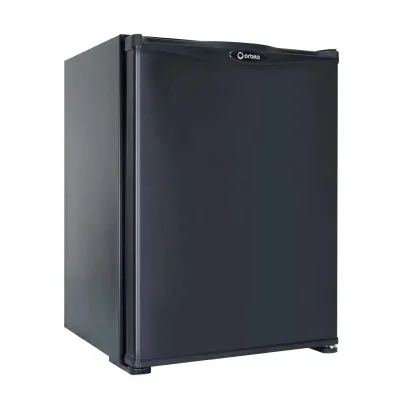


90L Hotel Absorption Refrigerator - China Absorption Refrigerator Price
$200.00 - $350.00
MOQ: 30 Sets
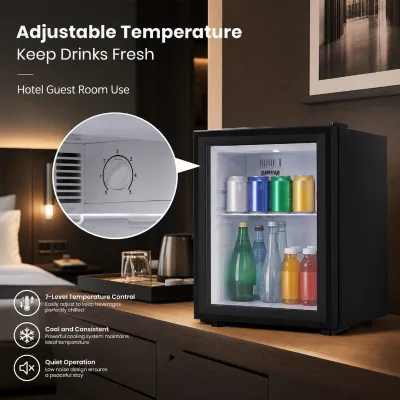
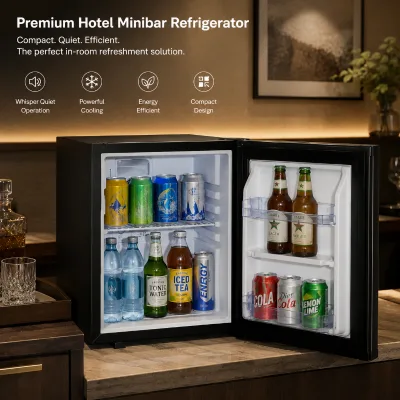


Comprehensive Sourcing Guide
Strategic Sourcing Guide for Hotel Minibar Absorption Refrigerators
The hospitality industry relies heavily on the reliability and discretion of in-room amenities, with the minibar being a critical revenue generator and guest comfort feature. When sourcing a Hotel Minibar Absorption Refrigerator, buyers must navigate a complex landscape of technical requirements, energy efficiency standards, and compliance mandates. Unlike compressor-based units, absorption refrigerators operate silently and without vibration, making them ideal for hotel environments where noise control is paramount. This guide synthesizes available product data and industry standards to provide a disciplined framework for procurement, ensuring that selected units meet the rigorous demands of modern hospitality operations.
Technical Architecture and Operational Specifications
Understanding the fundamental operating principles of absorption refrigerators is the first step in defining technical specifications. These units utilize a heat source to drive the cooling cycle rather than an electric compressor. While many standard hotel minibars utilize electricity, the specific product data indicates that some units in the market are designed with a Gas power source, which is a distinct characteristic of true absorption systems often used in off-grid or specific commercial applications. However, the majority of modern hotel units rely on Electricity as the primary power source, utilizing thermoelectric or absorption technologies to maintain consistent cooling.
The product data reveals a diverse range of functional attributes that buyers must evaluate. Units are categorized by their primary function, ranging from simple Cold Storage to combined Cold Storage & Freezing capabilities. For a standard hotel minibar, the target temperature range is critical. Observed specifications indicate units capable of maintaining temperatures between 2~8 C and 0~10 C, which aligns with the standard requirement for beverage preservation without freezing contents. The cooling system is identified as Fan Cooling in several models, ensuring even air distribution within the cabinet.
Material selection plays a significant role in durability and aesthetics. The supply chain offers units constructed from Stainless Steel or Painted Steel, with specific models featuring an Aluminum Door Frame and Embossed Aluminium interiors. The door configuration varies significantly; while some units feature a Single Door with a Folding Door type, others utilize Double Doors with Sliding Door mechanisms. The presence of Tempered Glass doors is another observed attribute, particularly in display coolers, which may be adapted for minibar use in premium suites. Buyers must verify that the Compressor or cooling mechanism, such as the Donper brand noted in specific listings, is compatible with the hotel's electrical infrastructure and noise tolerance levels.
Compliance, Certification, and Safety Standards
In the B2B procurement of hospitality equipment, compliance is not merely a formality but a legal and operational necessity. The product data highlights a robust array of certifications that serve as indicators of quality and safety. High-confidence facts list CE, RoHS, CB, ISO, EMC, GS, and ETL certifications. These marks indicate that the equipment meets European safety standards (CE), restricts hazardous substances (RoHS), and adheres to international electrical safety requirements (CB, ETL).
The CE and RoHS certifications are particularly critical for international hotel chains operating across multiple jurisdictions. The ISO certification suggests adherence to quality management systems, while EMC (Electromagnetic Compatibility) ensures the unit does not interfere with other electronic devices in the guest room, such as televisions or Wi-Fi routers. The GS mark (Geprüfte Sicherheit) and ETL certification provide additional layers of assurance regarding electrical safety and fire resistance.
Buyers should verify that the specific model they intend to purchase carries the full suite of certifications relevant to their region. For instance, units destined for the North American market must strictly adhere to ETL standards, while European properties require CE and GS. The data also notes UL certification in specific listings, which is a gold standard for electrical safety in North America. It is essential to request the specific certification documents for the exact model number, such as BC-40A or RB-150H, rather than relying on general supplier claims. The absence of a specific certification in the provided data for a particular model should not be assumed; buyers must explicitly confirm the status before finalizing the order.
Cost Drivers and Economic Evaluation
The total cost of ownership for hotel minibars extends far beyond the initial purchase price. The observed listed price range in the market spans from 50 to 560 USD, a variance that reflects differences in capacity, material quality, and technological complexity. Several factors drive these costs. First, the Material composition significantly impacts price; units made of Stainless Steel generally command a premium over those with Painted Steel cabinets due to durability and aesthetic appeal.
Second, the Capacity of the unit is a primary cost driver. The data indicates capacities ranging from 101-200L to 201-250L, with larger units naturally costing more. However, for a standard minibar, the effective capacity is often much smaller, and the price may be influenced by the internal layout, such as the inclusion of Coated Wires shelves or Horizontal lighting. The Temperature Control system also affects cost; units equipped with a Smart Thermostat or Computer Thermostat will be more expensive than those with manual controls.
The MOQ (Minimum Order Quantity) is another critical economic factor. The observed MOQ range is 1 to 600 units, offering flexibility for small boutique hotels or large chains. However, higher volumes often unlock better pricing tiers. Buyers must also consider the Packing standards; units packed as 1 Unit/Carton or in Carton Box configurations may incur different shipping costs depending on the Loading Qty for 40hq or 20gp containers. The data suggests a loading capacity of 225 units for a 40HQ container and 74 units for a 20GP container, which directly influences the per-unit logistics cost.
Typical Applications and Functional Versatility
While the core keyword focuses on hotel minibars, the product data reveals a broader spectrum of applications that buyers should consider. The units are classified as Wine Coolers, Display Coolers, and New Style Counter Coolers. This versatility suggests that a single supplier may offer a range of products that can be adapted for different hotel zones. For example, a Wine Cooler with a Single-temperature setting and Thermoelectric feature might be suitable for a premium suite's minibar, while a Display Cooler with Double Doors and Sliding Door mechanisms could be utilized in a hotel lobby or bar area.
The Installation type is listed as Portable, which is a significant advantage for hotels that may need to rearrange furniture or upgrade rooms without permanent modifications. The Condition is specified as New, ensuring that buyers receive factory-fresh equipment. The Defrost Type is noted as Auto Defrost, a crucial feature for minimizing maintenance labor and ensuring consistent cooling performance without manual intervention.
Furthermore, the Internal Light configuration, observed as Horizontal*1, adds to the user experience, illuminating the contents for guests. The Inside Cabinet Color is typically White, providing a clean and hygienic appearance. Buyers should evaluate whether the specific application requires the Cold Storage & Freezing capability or if standard Cold Storage is sufficient. The Refrigerant used, such as R600A, is an important environmental and safety consideration, as it is a hydrocarbon refrigerant known for its efficiency but requiring specific handling protocols.
Supplier Evaluation and Quality Assurance
Selecting the right supplier requires a rigorous evaluation process that goes beyond price comparisons. The prod_origin is listed as China and Guangdong, China, indicating the primary manufacturing hubs. Buyers should verify the specific factory location and capabilities, as Guangdong is a major hub for appliance manufacturing. The prod_model numbers, such as BC-40A, RB-150H, and RB-320H, serve as unique identifiers that buyers should use to track production batches and ensure consistency.
Quality control should focus on the Standard dimensions provided in the data. For instance, the BC-40A model has a standard size of 4042.234 cm, while the RB-150H measures 595536840mm. These precise dimensions are critical for ensuring the unit fits into existing cabinetry or designated spaces within the hotel room. Buyers must request physical samples or detailed CAD drawings to verify these measurements before placing a bulk order.
The Certification status must be validated through third-party testing reports. The presence of CE, RoHS, ISO, CB, EMC, GS, and ETL in the product data suggests a high level of compliance, but buyers should request the actual certificates for the specific batch they are purchasing. Additionally, the Compressor brand, such as Donper, should be verified for its warranty and service network in the buyer's region.
Long-Term Procurement and Maintenance Considerations
Sourcing is not a one-time event but a long-term partnership. Buyers must consider the Lead Time and Production Capacity of the supplier, although specific values are not provided in the data. The Loading Qty data suggests that suppliers have the capacity to handle large orders, with 225 units fitting into a single 40HQ container. This indicates that the supply chain can support large hotel chains with multiple properties.
Maintenance is a key consideration for absorption refrigerators. The Auto Defrost feature reduces the need for manual defrosting, but buyers should ensure that spare parts, such as Shelves or Door Frames, are readily available. The Customization option is listed as Available, which allows hotels to tailor the unit to their specific branding or space requirements. However, customization may impact the MOQ and Lead Time, so buyers should negotiate these terms clearly.
The Temperature Control system, whether Smart Thermostat or Computer Thermostat, should be evaluated for its ease of use and remote monitoring capabilities. In modern hotels, the ability to monitor minibar temperatures remotely can prevent spoilage and reduce waste. The Refrigerant type, R600A, is environmentally friendly but requires specialized technicians for repairs, so buyers should ensure their maintenance team is trained or that the supplier offers comprehensive after-sales support.
Conclusion
Sourcing hotel minibar absorption refrigerators requires a meticulous approach that balances technical specifications, compliance requirements, and economic factors. The available data highlights a market with diverse options, ranging from Stainless Steel units with Smart Thermostats to Painted Steel models with Fan Cooling. Buyers must verify certifications like CE, RoHS, and ETL to ensure safety and compliance. By carefully evaluating the Capacity, Material, and Installation requirements, and by engaging with suppliers who offer Customization and robust Quality Control, hotels can secure reliable minibar solutions that enhance guest satisfaction and operational efficiency. The observed price range of 50 to 560 USD and MOQ flexibility of 1 to 600 units provide a broad spectrum of choices, allowing buyers to tailor their procurement strategy to the specific needs of their property.
FAQs
What power sources are available for hotel minibar absorption refrigerators?
Units are available with both Electricity and Gas power sources. While many modern hotel units rely on electricity, specific absorption systems utilize gas for off-grid applications or distinct commercial needs.
Which certifications should I verify for international hotel procurement?
High-confidence facts list CE, RoHS, CB, ISO, EMC, GS, and ETL certifications. Buyers must request specific certificate documents for the exact model number rather than relying on general supplier claims.
How does the capacity of these units affect the price range?
Prices range from 50 to 560 USD based on capacity and material quality. Observed capacities include 101-200L and 201-250L, with larger units and stainless steel construction commanding higher prices.
Can I customize the door type and internal features for my hotel?
Customization is available for various door types including folding, swing, and sliding doors. Internal features like coated wire shelves and horizontal lighting can be tailored to specific room requirements.
What temperature control systems are used in these cooling units?
Units feature Smart Thermostats or Computer Thermostats for precise temperature management. Specific models maintain temperatures between 2~8 C and 0~10 C, suitable for beverage preservation without freezing.
Which materials are commonly used for the cabinet construction?
Cabinets are constructed from Stainless Steel or Painted Steel with Aluminum door frames. Some models feature Embossed Aluminium interiors and Tempered Glass doors for display cooler applications.