Source Household Mahjong for Travel, Home, and Game Room Use
Find 30 Household Mahjong options for travel, home, and game room use. Compare materials like plastic, acrylic, and rubber, along with model numbers and customization features to select the right set for your needs.
Key considerations
Products List
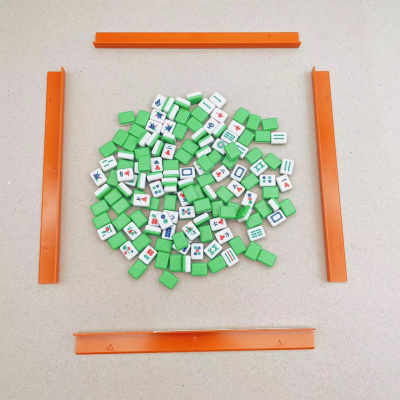


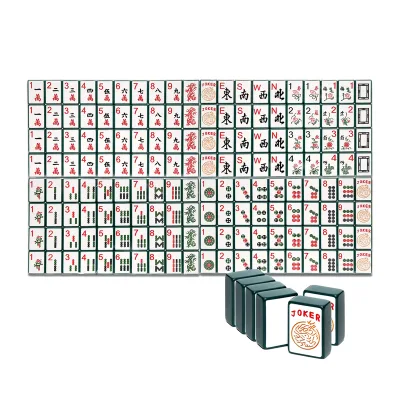
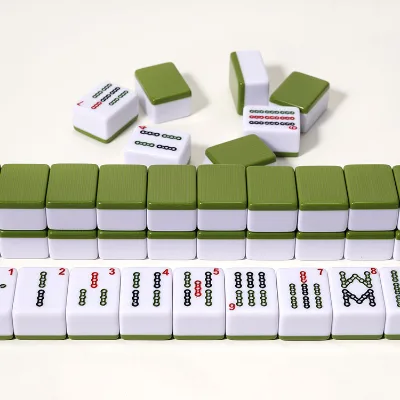
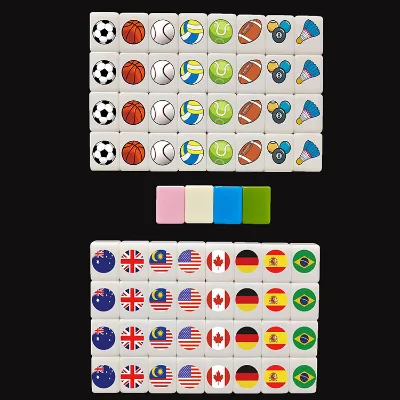
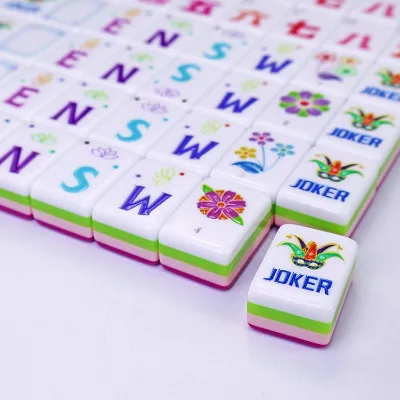

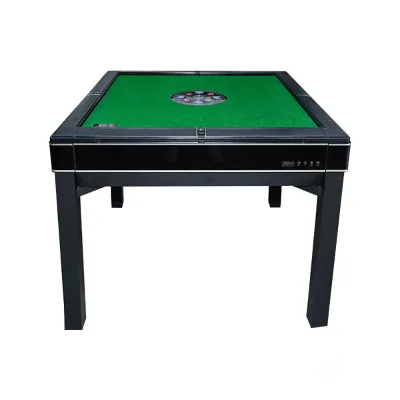
Family Entertainment Automatic Mahjong Table Folding Automatic Mahjong Tables
$325.00 - $525.00
MOQ: 5 Pieces




Comprehensive Sourcing Guide
Household Mahjong Sourcing Guide
Sourcing Household Mahjong sets requires a clear distinction between traditional tile-based games and modern portable variants designed for specific environments. The available market data indicates a strong presence of travel-friendly models, often constructed from durable plastics or acrylics, which cater to the "Gaming" and "Travel" usage profiles observed in current listings. Buyers must recognize that while the core keyword implies a domestic setting, the actual product scope frequently includes items explicitly marketed for outdoor use, hotel rooms, and game rooms, necessitating a careful review of the intended application before finalizing a purchase order.
The diversity in product naming and model numbers suggests a fragmented supply chain where generic terms like "other" or specific codes like "QUEYI" and "Tinyo" coexist. This variation often reflects different manufacturing origins, primarily from Zhejiang and Guangdong provinces in China, rather than distinct product categories. Procurement teams should prioritize verifying the specific material composition and standard tile count, as the observed listings range from standard 36-tile sets to full 136-tile configurations, with some products specifically labeled as "American Acrylic Mahjong" to denote a different aesthetic or rule set compared to traditional Chinese styles.
Product Scope and Observed Listing Signals
When evaluating product listings, buyers should focus on the specific material attributes that define the product's durability and tactile experience. The observed data highlights a split between sets made of "Plastic" and those utilizing "Acrylic," with the latter often associated with a premium, transparent aesthetic and higher weight, such as the 2.5 Kg single gross weight noted in specific listings. Conversely, rubber materials appear in the context of table mats rather than the tiles themselves, indicating that a complete household setup may require sourcing the playing surface and the tiles as separate components to ensure compatibility.
Age appropriateness and difficulty levels serve as critical signals for matching the product to the target household demographic. Listings explicitly state age ranges from "All Ages" to "14 Years & Up," with difficulty levels categorized as "Beginner" or "Intermediate," which helps buyers filter out complex professional-grade sets that may be unsuitable for casual family gatherings. Additionally, the presence of "Expansion Pack: No" in the data suggests that most available household units are self-contained systems, reducing the need for buyers to source additional accessories to complete a functional game set.
Technical Specifications to Verify
Verifying the physical dimensions and standardization of the mahjong set is essential for ensuring it fits within the intended household space. The data reveals specific standard dimensions such as "301614cm" for individual units and "80800.2cm" for table mats, which are critical for logistics planning and storage. Buyers must confirm whether the product adheres to the "36 Mahjong" standard or a full set, as this directly impacts the game's playability and the number of tiles required for a complete match, ensuring the purchased item aligns with the specific rules the household intends to play.
Packaging and weight specifications provide vital information for shipping calculations and inventory management. Observed packing methods include "Cartons" and "Carton MOQ," with single gross weights ranging from 1.18 kg to 2.5 kg depending on the model and material density. It is crucial to verify if the "Selling Units" are listed as "Single Item Single Packag" or if bulk packaging is available, as this affects the unit cost and the efficiency of the supply chain. Furthermore, checking the "Font Style" as "Simplified" ensures that the characters on the tiles match the linguistic preferences of the intended users.
Compliance and Safety Documentation
Safety compliance for household gaming products primarily hinges on material safety and age-appropriate design, particularly for sets marketed to children or families. While specific certification names are not provided in the current data, the observation of "14 Years & Up" and "All Ages" ranges implies that manufacturers must adhere to general toy safety standards regarding small parts and material toxicity. Buyers should request documentation confirming that the "Plastic" and "Acrylic" materials used are free from harmful substances like BPA or lead, especially given the tactile nature of the game where tiles are frequently handled.
Customization capabilities introduce additional compliance considerations regarding branding and labeling. The data indicates that "Customized Logo" and "Customer Logo /Color" options are available, which means the final product may carry specific branding that requires verification against intellectual property rights. Procurement teams must ensure that any custom logos or color schemes do not infringe on existing trademarks and that the customization process does not compromise the structural integrity or safety of the tiles. Additionally, verifying the "OEM/ODM" contact procedures ensures that the supplier can provide necessary compliance certificates for the customized version of the product.
Cost Drivers and Commercial Terms
The price range observed in the market, spanning from $3.2 to $699 USD, indicates that cost is heavily influenced by material quality, tile count, and branding complexity. Lower-priced items likely correspond to basic plastic sets or single mats, while the higher end of the spectrum reflects premium acrylic sets with custom logos and complete tile configurations. Buyers should analyze the "Single Gross Weight" and "Material" to understand the cost structure, as heavier acrylic sets naturally incur higher shipping costs and raw material expenses compared to lighter plastic alternatives.
Minimum Order Quantities (MOQ) and packing requirements significantly impact the total cost of ownership for small to medium-sized buyers. The observed MOQ range of 1 to 300 units allows for flexibility, but the specific "Carton MOQ" noted in the data suggests that some suppliers may require bulk purchases to achieve optimal pricing or to utilize standard shipping containers efficiently. Understanding the "Selling Units" structure is vital, as purchasing "Single Item Single Packag" might be cost-effective for testing the market but less efficient for large-scale distribution compared to bulk carton orders.
Supplier Qualification and Quality Control
Supplier qualification should begin with verifying the place of origin, as the data points to specific manufacturing hubs in Zhejiang and Guangdong, China. These regions are known for their expertise in plastic and acrylic molding, but buyers must confirm the specific factory location to ensure it matches the claimed "Place of Oriain" or "prod_origin" in the product listing. Consistency in origin is a key indicator of supply chain stability, and buyers should prioritize suppliers who can demonstrate a track record of producing "Travel Mahjong" or "Mini Mahjong" products with consistent quality.
Quality control processes must address the specific attributes of the mahjong set, such as the "Level of Difficulty" and the clarity of the "Font Style." Since the data mentions "Intermediate" and "Beginner" levels, suppliers should have clear criteria for ensuring that the tiles are legible and the game mechanics function as intended. Buyers should request samples to verify the "Clors" (colors) and the durability of the "Acrylic" or "Plastic" under repeated use, ensuring that the tiles do not chip or fade, which would degrade the user experience over time.
Long-Term Procurement Checks
Establishing a long-term procurement strategy requires monitoring the consistency of product models and standards over time. The data lists various model numbers such as "QUEYI-1," "QUEYI-2," and "Tinyo-101," indicating that suppliers frequently update their product lines. Buyers should maintain a record of the specific model numbers that meet their quality standards to avoid accidental substitutions with inferior versions during future orders. Regular audits of the "prod_standard" and "prod_packing" ensure that the product remains consistent with the initial purchase agreement.
Supplier responsiveness to customization requests and after-sales support is a critical factor for long-term success. The availability of "Customization: Available" and "OEM/ODM: Contact Customer Service" suggests that suppliers are open to tailored solutions, but the efficiency of this communication channel must be tested early in the relationship. Buyers should establish clear protocols for handling defects, such as damaged tiles or incorrect font styles, and ensure that the supplier can provide timely replacements or refunds to maintain the integrity of the household gaming experience.
FAQs
What material is used for these Household Mahjong sets?
The sets are primarily made from plastic, with some models featuring acrylic tiles. This material choice ensures durability and a smooth playing surface suitable for regular household use. Buyers should verify the specific material composition for their desired model.
What is the standard tile count for these mahjong sets?
The standard configuration includes 36 mahjong tiles, which is a common setup for specific regional or simplified rules. This count is distinct from traditional 144-tile sets and is suitable for players preferring a faster game pace or specific rule variations.
Can suppliers customize the logo and color of the mahjong tiles?
Yes, customization is available for both logo and color. Suppliers can apply customer-specific logos and adjust tile colors to match brand requirements. This service is typically available for bulk orders, allowing businesses to create branded Household Mahjong products.
What is the typical packaging for these mahjong products?
The products are packed in cartons, which is the standard shipping unit for these items. This packaging method protects the tiles during transit and facilitates easy storage. Buyers should confirm the exact carton dimensions and weight for logistics planning.
What is the minimum order quantity for these mahjong sets?
The minimum order quantity ranges from 1 to 300 units depending on the specific supplier and model. This flexible MOQ allows both small-scale buyers and larger distributors to place orders. Buyers should check the specific MOQ for their selected product variant.
Where are these Household Mahjong sets manufactured?
The sets are manufactured in China, with specific origins noted in Zhejiang and Guangdong provinces. These regions are known for their production capabilities in plastic and acrylic goods. Buyers can source directly from these locations to ensure quality and competitive pricing.
What age range is suitable for playing these mahjong sets?
The sets are generally suitable for ages 14 and up, though some models are marked for all ages. The complexity of the game and the size of the tiles determine the appropriate age group. Buyers should consider the target audience when selecting the right product.