Source Household Mini Smoothies Blender with Pulse Switch for Home, Office, Travel
Compare 30 Household Mini Smoothies Blender with Pulse Switch options from verified Chinese manufacturers. Buyers can evaluate specifications like blade count, voltage, and customization availability to find the right appliance for kitchen or commercial use.
Key considerations
Products List


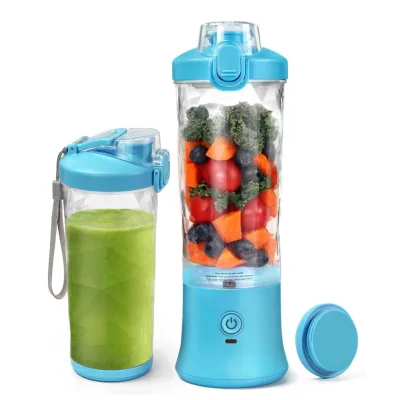
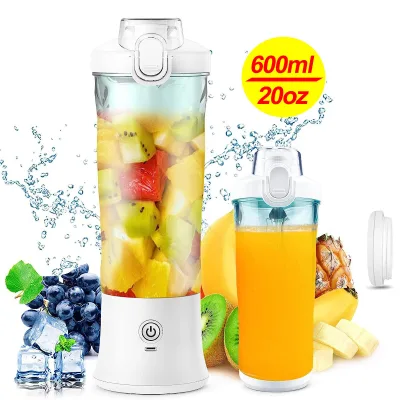
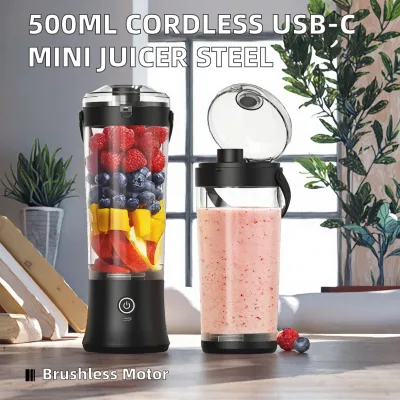
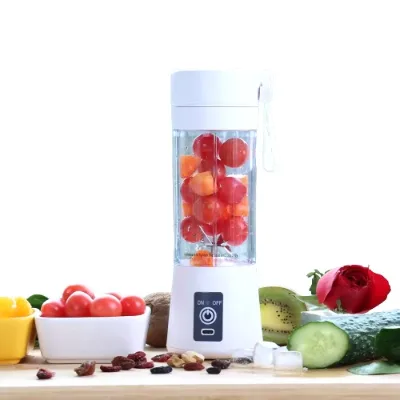
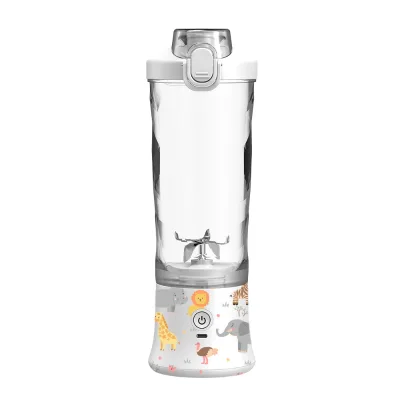


Portable Fruit Juice Mini Personal Hand Rechargeable Smoothie USB Blender
$11.50 - $14.00
MOQ: 500 Pieces


New Model Customized Smoothie Rechargeable Portable Juicer Mini Blender
$9.90 - $10.50
MOQ: 100 Pieces


Comprehensive Sourcing Guide
Household Mini Smoothies Blender with Pulse Switch Sourcing Guide
Sourcing a household mini smoothies blender with a pulse switch requires a nuanced understanding of the intersection between compact design and mechanical reliability. The pulse switch is not merely a convenience feature; it is a critical control mechanism that allows users to manually modulate blade speed and texture consistency, which is particularly important for crushing ice or achieving specific smoothie viscosities without relying on complex electronic timers. When evaluating suppliers, buyers must distinguish between simple mechanical pulse switches and electronic touch controls, as the former often offers greater durability and easier repairability, while the latter may provide a more modern aesthetic but can be prone to moisture-related failures in a kitchen environment.
The market for these appliances is characterized by a wide variance in build quality, ranging from basic single-grade plastic units to more robust models featuring stainless steel blades and advanced safety interlocks. Procurement teams must navigate a landscape where "mini" can refer to anything from a personal 1400mAh portable juicer to a countertop unit with a larger capacity, yet still under 10 liters. Understanding the specific use case—whether for home personal use or light commercial application—is essential, as the structural integrity required for daily home use differs significantly from the heavy-duty requirements of a small café or juice bar.
Product Scope and Observed Listing Signals
The current market listing signals indicate a diverse range of product models, including the BL-708A, HB-101SA, BL-101T, HB-105SDS-3, PB-101, J1, and M-SC-2255, each catering to different segments of the mini blender market. Observed price points range from $1 to $150 USD, reflecting the disparity between basic plastic-bodied units and those with premium features such as rechargeable batteries, USB charging capabilities, or stainless steel construction. The minimum order quantity (MOQ) varies significantly, from as low as 1 piece for sampling or small boutique orders up to 3,672 pieces for large-scale industrial procurement, with a common benchmark MOQ observed at 3,000 pieces for standard OEM runs.
Material composition is a key differentiator among these listings, with housing materials predominantly made of ABS plastic, often combined with stainless steel (SS) components for blades or accents. Some models, such as the J1, are designed as rechargeable portable juicers with a 1400mAh battery capacity and USB charging, targeting the on-the-go consumer, while others like the M-SC-2255 are larger, traditional-style blenders with soundproof covers, intended for fixed kitchen installations. Buyers should note that while many products claim customization options for color and branding, the underlying mechanical structure and voltage requirements (typically 220V for fixed units) must be strictly verified against the target market’s electrical standards.
Technical Specifications to Verify
When verifying technical specifications, the blade configuration and material are paramount for performance and longevity. Listings indicate that blade materials are primarily stainless steel, with some models featuring six-blade configurations for more efficient grinding and mixing. It is crucial to verify the grade of the stainless steel used, as lower-grade alloys may corrode or dull quickly when processing acidic fruits or ice. Additionally, the housing material, often cited as ABS or a combination of ABS and SS, must be checked for BPA-free certification and heat resistance, ensuring that the plastic does not degrade or leach chemicals during high-speed blending operations.
Electrical specifications and physical dimensions must be cross-referenced with the intended usage environment. For portable models like the PB-101 or J1, the battery capacity and charging mode are critical; the J1, for instance, features a 1400mAh battery and USB charging, making it suitable for travel, whereas fixed models like the BL-101T operate on 220V mains power. Physical dimensions also vary widely, from compact units measuring 19.47.87.8cm to larger commercial-style blenders measuring 220180490mm. Buyers must ensure that the voltage and plug type match the destination country’s standards and that the physical footprint fits the intended retail or consumer space.
Compliance and Safety Documentation
Compliance with international safety and environmental standards is non-negotiable for household appliances, particularly those involving high-speed rotating blades and electrical components. Common certifications observed in the market include CE, RoHS, CB, EMC, LFGB, and ETL, each addressing different regulatory requirements. CE marking indicates conformity with health, safety, and environmental protection standards for products sold within the European Economic Area, while RoHS restricts the use of specific hazardous materials in electrical and electronic products. Buyers must request valid certificates from accredited bodies and verify that the certification covers the specific model and manufacturing site, as certifications are often model-specific and not blanket approvals for an entire factory.
Food contact safety is another critical area, especially for blenders where ingredients come into direct contact with the container and blades. LFGB certification, observed in some listings, is a stringent German food safety standard that is often more rigorous than general EU regulations. For markets in North America, ETL certification serves as a mark of safety compliance with North American standards. Procurement teams should ensure that all materials, including the plastic housing and blade components, are certified as food-grade and BPA-free, and that the electrical components meet the EMC (Electromagnetic Compatibility) standards to prevent interference with other household devices.
Cost Drivers and Commercial Terms
The cost of a household mini smoothies blender is driven by several key factors, including the complexity of the motor, the quality of the blade material, and the inclusion of additional features such as rechargeable batteries or soundproof covers. Models with USB charging and portable designs, like the J1, may have higher unit costs due to the battery and charging circuitry, while traditional countertop models with simple mechanical switches may be more cost-effective to produce. The choice between single-grade and three-grade materials also impacts cost, with higher-grade plastics and stainless steel commanding a premium price but offering better durability and performance.
Commercial terms, including MOQ and lead times, vary significantly among suppliers. A common MOQ observed is 3,000 pieces, which may be a barrier for smaller buyers, while some suppliers offer lower MOQs for customized orders at a higher unit price. Lead times can extend up to 40 days after receiving the deposit, particularly for customized products involving color changes or packaging modifications. Buyers should negotiate clear terms regarding payment schedules, shipping responsibilities (such as LCL/FCL options for larger orders), and warranty periods, which are typically offered as one year for many models. Understanding these commercial dynamics is essential for accurate margin calculation and inventory planning.
Supplier Qualification and Quality Control
Supplier qualification should begin with a thorough verification of manufacturing capabilities and quality control processes. Buyers should prioritize suppliers who have a proven track record of producing appliances with the specific certifications required for their target markets. It is advisable to request factory audit reports or third-party verification of production lines, ensuring that the supplier has dedicated lines for mini blenders and implements rigorous incoming material inspections for plastics and metals. Suppliers offering customization services should demonstrate their ability to maintain consistency in color matching and branding application across large production runs.
Quality control measures should include both pre-production sample approval and in-line production checks. Buyers should insist on receiving pre-production samples that match the final product specifications, including blade sharpness, switch durability, and battery performance for portable models. During production, random sampling for functional testing, including pulse switch responsiveness and motor stability, is essential. Additionally, buyers should verify the packaging standards, which range from simple carton boxes to gift boxes with master cartons, ensuring that the packaging provides adequate protection against damage during transit and meets any retail display requirements.
Long-Term Procurement Checks
Long-term procurement success depends on establishing a robust supply chain relationship that includes regular performance reviews and continuous improvement initiatives. Buyers should monitor supplier performance metrics such as on-time delivery rates, defect rates, and responsiveness to quality issues. Regular audits, both scheduled and unannounced, can help ensure that the supplier maintains consistent quality standards and adheres to ethical labor practices. Building a relationship with a supplier who is willing to collaborate on product improvements, such as enhancing the durability of the pulse switch or improving the efficiency of the motor, can provide a competitive advantage in the market.
Furthermore, buyers should stay informed about evolving regulatory requirements and market trends to ensure that their product offerings remain compliant and relevant. This includes keeping abreast of changes in safety standards, environmental regulations, and consumer preferences for sustainable materials. Establishing a clear communication channel with the supplier for feedback on product performance in the field can help identify potential design flaws or material issues early, allowing for proactive adjustments in future production runs. By maintaining a strategic focus on quality, compliance, and supplier collaboration, buyers can mitigate risks and ensure the long-term success of their household mini smoothies blender procurement strategy.
FAQs
What certifications do these blenders have?
These blenders hold CE, RoHS, CB, EMC, LFGB, and ETL certifications. Some models also include specific safety standards like ABS and SS materials to ensure compliance with international safety requirements for kitchen appliances.
Can I customize the color of the product?
Yes, the color is available for customization. Buyers can request specific color options to match their brand identity or market preferences while maintaining the standard plastic housing and stainless steel blade materials.
What is the minimum order quantity for this item?
The minimum order quantity is 3000 pieces for standard orders. Some listings indicate a range up to 3672 units, so buyers should confirm the exact MOQ with the supplier before placing an order.
How long does delivery take after deposit?
Delivery takes 40 days after receiving the deposit. This lead time applies to the production and shipping process for the kitchen appliance juicer machines and blenders listed in the product catalog.
Which models feature a non-drip spout?
Specific models feature a non-drip spout function for cleaner pouring. These units are designed as kitchen appliance juicer machines with grinding and mixing capabilities to enhance user convenience during daily use.
What is the battery capacity for portable models?
Portable rechargeable models have a battery capacity of 1400mAh. These units support USB charging and are designed for commercial or home use with a warranty of one year for added reliability.
Are these blenders suitable for commercial use?
Yes, these blenders are suitable for both commercial and home use. They feature multifunction capabilities like mixing and blending with advantages such as easy control and big capacity for various kitchen applications.