Source Household Refrigerator Relay Overload Assembly for Compressors, Freezers, and Appliances
Compare 30 Household Refrigerator Relay Overload Assembly options for compressors, freezers, and home appliances. Review specifications for thermal and electromagnetic types with varying power loads and sealing characteristics.
Key considerations
Products List




Comprehensive Sourcing Guide
Strategic Sourcing Guide for Household Refrigerator Relay Overload Assembly
The global market for household appliance components demands rigorous precision, particularly when sourcing critical safety and control devices like the Household Refrigerator Relay Overload Assembly. These components serve as the essential interface between the compressor's electrical system and the power supply, ensuring that the motor operates within safe thermal and electrical limits. For procurement professionals, navigating the diverse landscape of suppliers requires a disciplined approach that distinguishes between general relay types and specific compressor control assemblies. This guide synthesizes available product data and industry standards to provide a structured framework for evaluating potential suppliers, verifying technical compliance, and securing a supply chain that guarantees long-term reliability for refrigerator and freezer manufacturing lines.
Technical Specifications and Component Architecture
Understanding the specific technical architecture of a relay overload assembly is the first step in effective sourcing. The core function of these units involves managing the electrical load of hermetic compressors used in home refrigerators and freezers. Based on observed product attributes, the market offers a variety of configurations, including electromagnetic relays and thermal relays, each governed by distinct action principles. Electromagnetic relays typically operate on an electronic type action principle, utilizing magnetic fields to close or open contacts, whereas thermal relays rely on heat-sensitive elements to interrupt the circuit during overload conditions.
The physical and electrical specifications vary significantly across the supply base. Dimensions are a critical factor; observed data indicates standard packaging and product standards ranging from miniature units measuring 383016.5mm to larger assemblies with standard dimensions of 232m, likely referring to bulk packaging or specific industrial variants. The electrical parameters are equally diverse, with voltage ratings commonly observed at 110/220V and power frequencies of 50/60Hz. The number of poles and phase characteristics are vital; while some units are specified as single-phase protective characteristics, others are designed for specific compressor horsepower ratings, such as 1/2HP, 1/3HP, 1/4HP, 1/5HP, and 1/6HP.
Material composition also plays a pivotal role in durability. The housing materials observed include iron and plastic, each offering different advantages regarding heat resistance and electrical insulation. The terminals are typically pin-type, facilitating connection to the compressor and the main power line. Buyers must verify that the specific model number, such as DFS(L) or relay overload variants, aligns with the compressor's requirements. The distinction between "Electric Parameter Relay" and "Non-Electric Parameter Relay" is crucial; the former monitors specific electrical parameters, while the latter may focus on mechanical or thermal thresholds. Ensuring the correct match between the relay's rated load (high power, medium power) and the compressor's actual power consumption is essential to prevent premature failure or operational inefficiency.
Compliance, Certification, and Safety Standards
In the B2B appliance sector, compliance is not merely a regulatory formality but a fundamental requirement for market access and liability protection. While specific certification bodies are not explicitly listed in the provided product data, the industry standard dictates that all relay overload assemblies must meet rigorous safety and performance criteria. Buyers should verify that suppliers adhere to international standards for electrical safety, such as IEC standards for low-voltage switchgear and controlgear. The presence of "Protective Characteristics" such as "Sealed Relay" or "Enclosed Relay" suggests a design intent to protect internal components from environmental factors, which is a key compliance indicator for appliances used in varying humidity and temperature conditions.
When evaluating a supplier, procurement teams must request documentation confirming that the product standards align with the intended application. The observed standard "383016.5mm" and "232m" likely refer to physical dimensions or packaging standards rather than safety certifications, so buyers should not assume compliance based on these measurements alone. Instead, the focus should be on verifying that the product has undergone testing for thermal endurance, electrical life, and dielectric strength. The "Warranty: 1 Year" attribute observed in some listings indicates a baseline confidence in product quality, but it should be cross-referenced with the supplier's quality management system certifications, such as ISO 9001.
Furthermore, the origin of the product is a significant factor in compliance. The data indicates origins in China, specifically Xiamen, Fujian Province, and Ningbo. While these are major manufacturing hubs, buyers must ensure that the specific facility holds the necessary export certifications for the target market, such as CE marking for Europe or UL listing for North America. The "High Quality" and "High" quality attributes listed in product descriptions are marketing terms and do not constitute certified proof. Procurement professionals must insist on third-party test reports that validate the relay's performance under extreme conditions, ensuring that the "Overload" protection mechanism functions correctly to prevent compressor burnout.
Cost Drivers and Pricing Dynamics
The pricing structure for relay overload assemblies is influenced by a complex interplay of factors, including material costs, manufacturing complexity, and order volume. The observed price range in the market spans from $0.01 to $150,000, a variance that reflects the difference between individual unit costs and bulk industrial orders or complete production line machinery. For a typical household refrigerator component, the unit price is likely at the lower end of this spectrum, but the total cost of ownership includes logistics, packaging, and potential tariffs.
Minimum Order Quantity (MOQ) is a primary driver of cost efficiency. The observed MOQ range is extensive, from 1 unit to 10,000 units. Suppliers offering an MOQ of 1000 pieces, as noted in the standard attributes, are likely targeting medium-to-large volume manufacturers. Buyers with lower volume needs may face higher per-unit costs or may need to negotiate with suppliers willing to accept smaller batches. The packaging type also impacts cost; options range from "Carton Package" and "Standard Export Packing" to "Wooden" crates. Wooden packaging is typically more expensive and used for heavy or high-value shipments, while carton packaging is standard for lighter components.
Customization is a significant cost variable. The attribute "Customization: Available" suggests that suppliers can modify the relay to fit specific compressor models or voltage requirements. While this offers flexibility, it often incurs additional tooling costs and higher unit prices. Buyers should weigh the benefits of a customized solution against the cost of using standard off-the-shelf components. Additionally, the "Selling Units: Single Item" attribute indicates that some suppliers may sell individual units, which is useful for prototyping but economically inefficient for mass production. Understanding these cost drivers allows buyers to negotiate more effectively and select a supplier whose pricing model aligns with their production volume and budget constraints.
Typical Applications and Usage Scenarios
The primary application for household refrigerator relay overload assemblies is within the domestic refrigeration sector, specifically for home refrigerators and freezers. The data explicitly links these components to "Home Refrigerator & Freezer Parts" and "Refrigerator Compressor Control." These assemblies are critical for the operation of compressors with varying horsepower ratings, including 1/2HP, 1/3HP, 1/4HP, 1/5HP, and 1/6HP. The versatility of the product line is evident in the diverse usage categories, which also include "Car Relay" and "Communication Relay," though the focus for this guide remains on the refrigeration sector.
In the context of household appliances, the relay overload assembly serves a dual purpose: it acts as a starter relay to initiate the compressor's operation and as an overload protector to shut down the motor in case of excessive current or temperature. The "Action Principle" varies, with some units utilizing a "Rectifier Type" mechanism, while others rely on "Thermal Relay" principles. The choice of principle depends on the specific compressor design and the required response time to fault conditions. For instance, thermal relays are often preferred for their ability to detect heat buildup directly, while electromagnetic relays offer faster switching speeds.
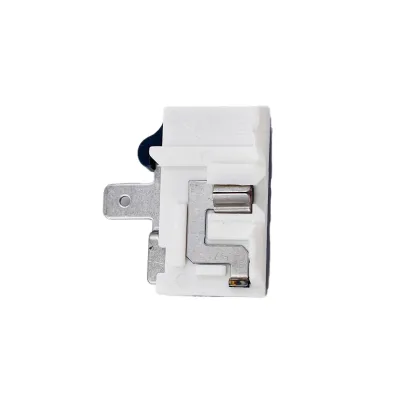
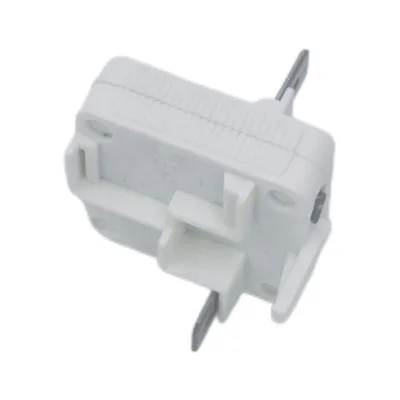
The "Usage" attribute also highlights the importance of the "Protective Characteristics." Sealed relays are particularly valuable in refrigeration applications where moisture and dust are common. The "Square" appearance and "Pin" terminals are standard design features that facilitate easy integration into the compressor terminal block. Buyers should ensure that the selected relay is compatible with the specific compressor model they are servicing or manufacturing. The "Product Name: Relay Production Machine" suggests that some suppliers may offer machinery for manufacturing these components, which is relevant for buyers looking to establish in-house production capabilities rather than sourcing finished goods.
Supplier Evaluation and Geographic Considerations
Evaluating suppliers requires a keen eye on their geographic location, production capacity, and reputation. The data indicates that major manufacturing hubs are located in China, with specific mentions of Xiamen, Fujian Province, and Ningbo. These regions are known for their robust supply chains and expertise in electrical component manufacturing. However, the presence of a location does not guarantee quality; buyers must verify the specific capabilities of the factory. The "prod_origin" attribute is a starting point, but due diligence should extend to auditing the supplier's facilities to ensure they meet international quality standards.
Supplier evaluation should also focus on the "Quality" and "Warranty" attributes. While "High Quality" and "1 Year Warranty" are listed, these are self-reported claims. Buyers should request evidence of these claims, such as customer testimonials, case studies, or independent audit reports. The "Standard Export Packing" and "Carton Package" attributes suggest that the supplier is experienced in handling international logistics, which is a positive indicator of reliability. However, the "Wooden" packaging option implies that the supplier can also handle specialized shipping requirements, which may be necessary for high-value or sensitive shipments.
When comparing suppliers, buyers should look for consistency in their product offerings. The data shows a mix of "Miniature" and larger units, as well as various voltage and power ratings. A supplier that offers a wide range of specifications is likely more capable of meeting diverse client needs. Additionally, the "Customization: Available" attribute is a strong differentiator; suppliers who can tailor their products to specific requirements often provide better long-term support and technical assistance. Buyers should prioritize suppliers who demonstrate a deep understanding of the refrigeration industry and can provide technical guidance on selecting the right relay for specific compressor models.
Quality Control and Long-Term Procurement Strategy
Implementing a robust quality control (QC) strategy is essential for mitigating risks associated with component failure. Given the critical role of relay overload assemblies in preventing compressor damage, even minor defects can lead to significant financial losses and reputational damage. Buyers should establish a clear QC protocol that includes incoming inspection, random sampling, and performance testing. The "prod_model" attributes, such as "relay overload" and "DFS(L)," should be used as reference points for verifying that the received goods match the ordered specifications.
Long-term procurement considerations involve building a sustainable relationship with suppliers. This includes negotiating favorable terms for volume discounts, establishing clear communication channels for technical support, and ensuring a reliable supply chain that can withstand market fluctuations. The "MOQ 1000pcs" standard suggests that suppliers are geared towards medium-to-large volume orders, so buyers should plan their inventory accordingly to maximize cost efficiency. Additionally, the "Warranty: 1 Year" provides a safety net, but buyers should also consider the supplier's track record for honoring warranty claims and providing timely replacements.
Finally, buyers should stay informed about industry trends and technological advancements. The evolution of relay technology, such as the shift towards more compact and energy-efficient designs, may impact future procurement decisions. By maintaining a proactive approach to supplier evaluation and quality control, buyers can ensure a steady supply of high-quality relay overload assemblies that meet the demanding requirements of the household refrigerator market. This strategic approach not only secures the current supply chain but also positions the organization for future growth and innovation in the appliance industry.
FAQs
What action principles are used in these relays?
These relays operate using electromagnetic or thermal action principles. Electromagnetic types use electronic action, while thermal types rely on heat-sensitive elements to interrupt circuits during overload conditions for compressor protection.
Which voltage ratings are commonly available?
Common voltage ratings include 110V and 220V for standard operation. These units typically support power frequencies of 50Hz or 60Hz to ensure compatibility with various household electrical systems globally.
Can I find relays for specific compressor horsepower?
Yes, relays are available for compressors ranging from 1/6HP to 1/2HP. Specific models match ratings like 1/3HP, 1/4HP, and 1/5HP to ensure precise control for home refrigerators and freezers.
What packaging options are offered by suppliers?
Suppliers offer carton packages, wooden crates, and standard export packing. The choice depends on the shipment size and value, with wooden packaging often used for bulk or high-value industrial orders.
Where are these products typically manufactured?
Products are primarily manufactured in China, specifically in Xiamen, Fujian Province, and Ningbo. These locations are major hubs for electrical component production and export logistics.
What is the typical minimum order quantity?
Minimum order quantities range from 1 unit to 10,000 units depending on the supplier. Some standard listings specify an MOQ of 1000 pieces for medium-to-large volume manufacturing requirements.
Do these relays come with a warranty?
Many listings include a one-year warranty to guarantee product reliability. This warranty covers defects and ensures the relay functions correctly as a protective device for refrigerator compressors.