Source Household Kitchen Foil Rewinder for Food, Catering, and Commodity
Compare 22 Household Kitchen Foil Rewinder models from China with varying speeds, roll widths, and tension controls. Buyers can evaluate specifications like automatic grades, packing types, and core diameters to find suitable machinery for food, catering, and commodity applications.
Key considerations
Products List


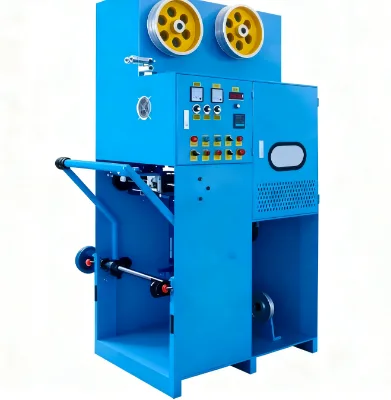
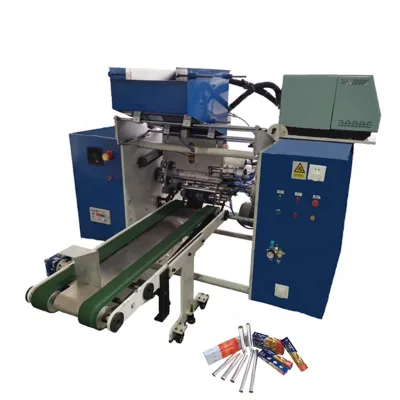
Automatic Aluminium Foil Kitchen Foil Household Foil Food Baking Paper Cling Film Rewinder
$15000.00 - $20000.00
MOQ: 1 Sets

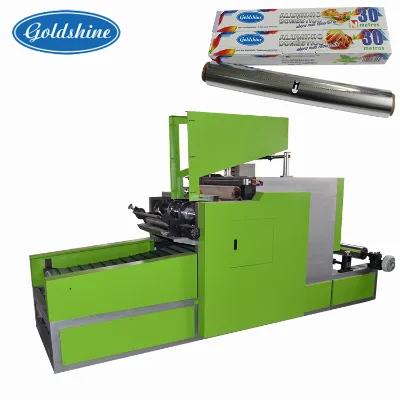
Efficient Manual Rewinder for Household Aluminum Foil Rewinding Machine
$3500.00 - $3700.00
MOQ: 1 Pieces


Comprehensive Sourcing Guide
Household Kitchen Foil Rewinder Sourcing Guide
Sourcing a Household Kitchen Foil Rewinder requires a disciplined approach to matching machine capabilities with your specific production volume and material handling needs. These machines are designed to take large master rolls of aluminum foil and slit or rewind them into smaller, consumer-ready rolls. The procurement process involves evaluating mechanical precision, tension control systems, and the ability to handle various core diameters and roll widths. Buyers must distinguish between high-speed automatic lines and semi-automatic units based on their operational scale. Understanding the technical nuances of unwinding and rewinding mechanisms is critical to ensuring consistent product quality and minimizing downtime during high-volume production runs.
The market for these machines is dominated by manufacturers in China, offering a wide range of models from entry-level manual setups to fully automatic electric systems. Listings indicate a broad price spectrum, reflecting differences in automation levels, build quality, and included features such as automatic tension control or encoder-based counting. Procurement teams must navigate this variety by focusing on verified specifications rather than marketing claims. Key decision points include the maximum speed of the rewinding process, the width of the mother roll the machine can accept, and the flexibility to accommodate different core sizes required by your packaging partners.
Product Scope and Observed Listing Signals
The observed product landscape reveals a diverse array of rewinding solutions tailored for aluminum foil processing. Listings show models such as the PPD-SAAF600, PPD-KFHF450, and PPD-MAR500, each designed for specific throughput requirements. These machines are primarily driven by electric motors, with some models offering automatic grade capabilities while others remain manual. The materials handled are consistently identified as aluminum foil, including kitchen foil, household foil, and catering foil. Buyers should note that while the core function is rewinding, some listings also mention associated processes like final inspection or cutting, indicating that certain machines may integrate slitting or finishing steps into the workflow.
Packing and origin data provide additional context for logistics planning. Most suppliers list the origin as China or Mainland China, with products packed in plywood cases or standard export wooden cases to ensure safe transit. The observed price range is extensive, spanning from approximately $25 to $35,000, which suggests a significant variation in machine complexity and capacity. Minimum Order Quantities (MOQ) are generally low, ranging from 1 to 10 units, indicating that these are typically custom-ordered industrial assets rather than off-the-shelf commodities. This variability requires buyers to carefully assess whether a lower-cost unit meets their long-term durability and precision needs.
Technical Specifications to Verify
Technical verification begins with the physical dimensions and capacity of the machine. Buyers must confirm the mother roll width, which typically ranges from 300mm to 450mm in observed listings, and the maximum outer diameter of the mother roll, often capped at 600mm. The unwinding section must support specific core diameters, such as 35mm or 40mm, depending on buyer requirements. Additionally, the finished roll specifications are critical; the rewinding roll length can vary from 3 to 300 meters, and the finished core diameter may need to accommodate 30mm, 35mm, 38mm, or 40mm cores. Ensuring these dimensions align with your existing packaging lines is essential to avoid costly retrofitting.
Performance metrics and operational parameters define the efficiency of the rewinder. Speed is a key differentiator, with some machines capable of reaching a maximum of 300 revolutions per minute. Power consumption varies, with some models specifying 2.2kw, while others rely on pneumatic systems requiring an air pressure of 0.5MPa. Tension control is another vital aspect; automatic tension systems are preferred for consistent roll quality, reducing the risk of telescoping or loose winds. Buyers should also verify the structure of the film frame, whether it is mechanical stretch or another configuration, and check if features like automatic counting via encoder are included to ensure accurate roll length management.
Compliance and Safety Documentation
Safety and operational compliance are paramount when integrating industrial machinery into a production environment. Buyers must request detailed documentation regarding electrical safety standards, particularly for machines operating at high speeds or with significant power requirements. While specific certification statuses are not universally listed, suppliers should provide evidence of compliance with relevant machinery directives, such as CE marking for European markets or local safety standards for other regions. The presence of safety guards, emergency stop buttons, and interlock systems on moving parts like the cutting section and unwinder should be verified through visual inspection or video demonstration.
Documentation should also cover the machine's operational manuals and maintenance guidelines. These documents are crucial for training staff on proper operation, particularly for machines with automatic tension control or complex unwinding mechanisms. Buyers should ensure that the supplier provides clear instructions on air pressure requirements for pneumatic components and electrical specifications for motor-driven units. Additionally, any standards referenced in the listing, such as those related to aluminum foil stretch film or cling film rewinding, should be clarified to ensure they apply to the specific aluminum foil application. This due diligence helps prevent operational hazards and ensures regulatory adherence.
Cost Drivers and Commercial Terms
The cost of a Household Kitchen Foil Rewinder is influenced by several factors, including automation level, material build quality, and included features. Automatic grade machines with encoder-based counting and automatic tension control typically command higher prices than manual or semi-automatic units. The power rating of the motor, such as 2.2kw, and the complexity of the drive system also impact the final cost. Buyers should consider the total cost of ownership, including energy consumption and maintenance requirements, rather than just the initial purchase price. The observed price range of $25 to $35,000 reflects these variations, with higher-end models offering greater precision and throughput.
Commercial terms and logistics play a significant role in the overall procurement cost. Most suppliers pack machines in wooden cases or plywood boxes, which adds to the shipping volume and weight. Buyers should clarify whether the quoted price includes packing, loading, and international shipping, or if these are separate line items. The MOQ of 1-10 units suggests that bulk discounts may be available for larger orders, but buyers should negotiate based on their specific volume needs. Additionally, payment terms, warranty coverage, and after-sales support should be clearly defined in the contract to mitigate financial risk and ensure long-term operational support.
Supplier Qualification and Quality Control
Supplier qualification is a critical step in ensuring the reliability of the purchased equipment. Buyers should verify the manufacturer's experience in producing foil rewinding machinery and request references from existing clients. While some listings mention certifications like BSCI, buyers should not assume all suppliers hold these credentials without verification. Instead, focus on the supplier's ability to provide detailed technical specifications, customization options, and post-sale support. A qualified supplier should be transparent about their manufacturing processes and willing to provide factory audits or virtual tours to demonstrate their quality control practices.
Quality control measures should be integrated into the procurement process, including pre-shipment inspections and performance testing. Buyers should specify acceptance criteria for key performance indicators such as speed consistency, tension stability, and roll quality. If possible, arrange for a factory acceptance test (FAT) where the machine is run with actual aluminum foil to verify its performance under real-world conditions. This step helps identify any potential issues with the unwinding or rewinding mechanisms before the machine is shipped. Clear communication of these requirements in the purchase order ensures that the supplier understands the expected standards and can prepare accordingly.
Long-Term Procurement Checks
Long-term procurement success depends on establishing a robust relationship with the supplier for ongoing support and spare parts availability. Buyers should inquire about the availability of critical spare parts, such as tension control components, motors, and sensors, and negotiate a spare parts package to be included with the initial purchase. This ensures minimal downtime in case of unexpected failures. Additionally, clarify the warranty terms and the supplier's response time for technical support. A reliable supplier should offer comprehensive training for your maintenance team to ensure proper upkeep of the machine.
Regular maintenance and performance monitoring are essential for extending the lifespan of the rewinder. Buyers should develop a preventive maintenance schedule based on the manufacturer's recommendations, focusing on lubrication, tension calibration, and electrical system checks. Keep detailed records of machine performance, including any deviations in speed or tension, to identify potential issues early. By maintaining open communication with the supplier and adhering to best practices for machine care, buyers can maximize the efficiency and reliability of their household kitchen foil rewinding operations over the long term.
FAQs
What is the maximum speed of the Household Kitchen Foil Rewinder?
The maximum speed reaches 300 revolutions per minute for efficient processing. This electric driven type ensures consistent performance while handling mother rolls with widths between 300 and 450 millimeters effectively.
Which materials can this machine process for kitchen foil applications?
The equipment processes aluminium foil, kitchen foil, and catering foil materials. It also handles baking paper and stretch film, making it versatile for various packaging needs in the food and commodity sectors.
Can the rewinding roll length be customized for specific orders?
Yes, the rewinding roll length is customizable to meet buyer requirements. The machine supports finished roll lengths ranging from 3 to 300 meters depending on the specific production needs and settings.
What is the maximum diameter for the mother roll on this unit?
The maximum outer diameter for the mother roll is 600 millimeters. This capacity allows for extended production runs before requiring a roll change, optimizing operational efficiency for large-scale manufacturing.
How is the finished roll core diameter specified for this machine?
The finished roll core diameter is available in 30, 35, 38, or 40 millimeter options. These specifications ensure compatibility with standard winding cores used in various industrial packaging applications.
What is the standard packaging method for the exported machinery?
The machinery is packed in a standard export wooden case or plywood case. This robust packaging protects the equipment during international shipping and ensures safe delivery to the buyer's location.
Does the machine feature automatic tension control for rewinding?
Yes, the system includes automatic tension control for both unwinding and rewinding processes. This feature maintains consistent material tension, preventing wrinkles and ensuring high-quality finished rolls during operation.