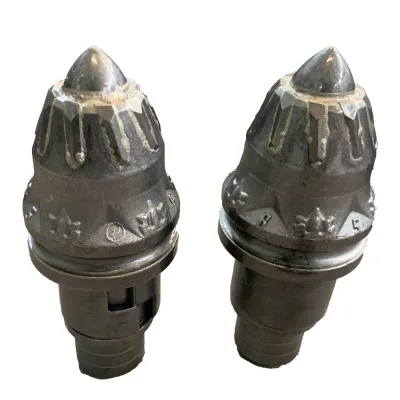
Source HRC45-55 rock drilling bullet teeth for Pile Driver, Drilling Bucket, Core Barrel
Find 30 listings for HRC45-55 rock drilling bullet teeth compatible with major machinery brands. Buyers can compare specifications like carbide size, body hardness, and packaging options from verified suppliers in China.
Key considerations
Products List


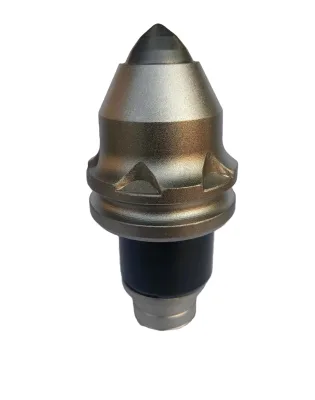


B47K30h/55mm Tungsten Carbide Bullet Teeth for Rotary Piling Rock Drilling Rig Replacement
$35.82 - $36.37
MOQ: 1000 Pieces

B47K22hln/55mm Tungsten Carbide Bullet Teeth for Rotary Piling Rock Drilling Rig Replacement
$19.40 - $19.95
MOQ: 1000 Pieces

B47K22hly/55mm Tungsten Carbide Bullet Teeth for Rotary Piling Rock Drilling Rig Replacement
$21.64 - $22.19
MOQ: 1000 Pieces

Rock Bits B47K16h Bullet Teeth for Foundation Drilling Auger and Bucket
$15.50 - $16.50
MOQ: 100 Pieces

B47K22h/60mm Tungsten Carbide Bullet Teeth for Rotary Piling Rock Drilling Rig Replacement
$19.40 - $19.95
MOQ: 1000 Pieces

B47K25hy/55mm Tungsten Carbide Bullet Teeth for Rotary Piling Rock Drilling Rig Replacement
$26.11 - $26.66
MOQ: 1000 Pieces

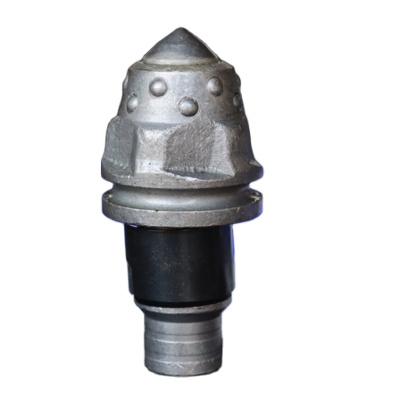
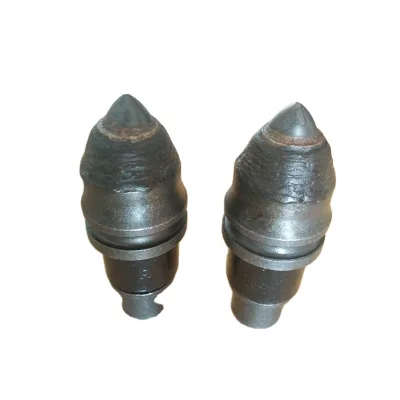
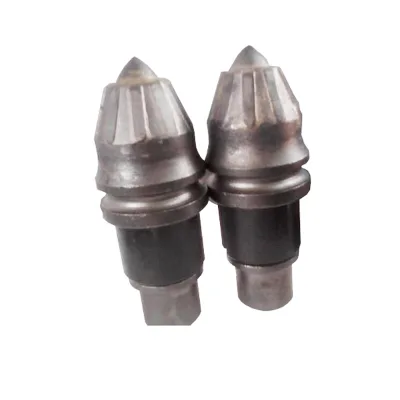


Comprehensive Sourcing Guide
Strategic Sourcing Guide for HRC 45-55 Rock Drilling Bullet Teeth
Understanding Technical Specifications and Material Composition
When sourcing rock drilling bullet teeth with a body hardness rating of HRC 45-55, buyers must first establish a clear understanding of the technical parameters that define product performance. The core keyword indicates a specific metallurgical requirement for the tooth body, distinguishing it from softer components used in less abrasive environments. Based on available product data, the body material is frequently identified as 42CrMo alloy steel or 42CrMoA, a high-strength, low-alloy steel known for its excellent toughness and hardenability. This material selection is critical for withstanding the high-impact forces encountered during rock drilling operations.
The hardness specification of HRC 45-55 applies specifically to the body of the tooth. It is essential to distinguish this from the carbide tip hardness, which often ranges significantly higher, such as HRA 86.5-89, to ensure the tip remains sharp and resistant to wear while the body absorbs impact shock. The carbide tips themselves are typically made of tungsten carbide, with specific dimensions such as 22*26mm or alloy head sizes ranging from 19-35mm depending on the model. The shank diameter is another critical dimension, with observed specifications including a 50mm shank, which must match the drilling rig's socket compatibility.
Furthermore, the physical dimensions of the clip and the overall geometry play a vital role in retention and efficiency. Observed data indicates a clip diameter of 30mm and a clip width of 38mm for certain models. The product models associated with these specifications include designations like BKH47P, BKH47, BK47H22, BK47H19, B47, and B47K30H/55MM. Buyers should verify that the specific part number, such as B47K30h/55mm or B47K22hln/55mm, aligns with their existing machinery to ensure a proper fit. The processing type for these components is predominantly forging, a manufacturing method that enhances the grain structure of the steel, thereby improving durability compared to casting methods.
Compliance, Certification, and Standard Verification
In the B2B procurement of industrial drilling components, verifying compliance with international standards and certifications is a non-negotiable step. The supply chain for rock drilling teeth often involves manufacturers operating under rigorous quality management systems. Available data points to ISO9001 as a recurring certification, with some listings specifically referencing ISO9001:2000 or ISO9001 in conjunction with other standards. Additionally, certifications such as CE and SGS are mentioned in product attributes, indicating adherence to safety and quality benchmarks required for global export.
However, buyers must exercise caution when interpreting these certifications. The presence of a certification label does not automatically guarantee that every unit in a batch meets the standard; rather, it suggests the manufacturer's system is certified. It is imperative to request current, valid certificates from the supplier and verify their authenticity through the issuing body. The product standards listed include specific codes like 3050, though the full scope of this standard should be confirmed against the buyer's local regulatory requirements.
Another critical aspect of compliance is the origin of the product. While the data indicates origins in various Chinese provinces such as Shandong, Beijing, and Liaocheng, the specific origin affects logistics, tariffs, and supply chain transparency. Buyers should confirm the exact manufacturing location to assess any potential trade barriers or shipping complexities. Furthermore, the export capability is noted as "Global," suggesting that suppliers are accustomed to international shipping protocols, but the specific Incoterms and insurance coverage must be negotiated explicitly in the purchase agreement.
Cost Drivers and Pricing Dynamics
The pricing of rock drilling bullet teeth is influenced by a complex interplay of material costs, manufacturing processes, and order volume. The observed price range in the market spans from $1 to $1,200 USD, a wide variance that reflects differences in product size, complexity, and order quantity. The Minimum Order Quantity (MOQ) also varies significantly, ranging from 1 unit to 1,000 units, which directly impacts the unit price. Buyers purchasing single items or small batches will likely face higher per-unit costs compared to those placing bulk orders that meet higher MOQ thresholds.
Material costs are a primary driver of price. The use of 42CrMo alloy steel and high-grade tungsten carbide tips represents a significant portion of the manufacturing expense. Variations in the alloy composition or the quality of the carbide tip can lead to substantial price differences. Additionally, the forging process, while more expensive than casting, adds value through improved durability, which is reflected in the pricing structure. Buyers should be aware that "Factory Price" is often cited as an advantage, but this should be benchmarked against the total landed cost, including shipping, insurance, and duties.
Packaging also contributes to the overall cost. Products are typically shipped in standard wooden boxes, pails, or plastic boxes, with options for custom packaging according to customer requests. While standard packaging is cost-effective, specialized packaging for export or specific client branding may incur additional charges. The selling units are often listed as single items, but bulk packaging options like 20 pieces per plastic box can reduce handling costs and improve shipping efficiency.
Typical Applications and Operational Compatibility
Rock drilling bullet teeth with the specified hardness and material composition are designed for heavy-duty applications in mining, construction, and civil engineering. The primary usage scenarios include coal and rock drilling, where the teeth must withstand extreme abrasion and impact. Specific applications mentioned in product data include drilling buckets, core barrels, and augers, which are essential tools in foundation drilling and pile driving operations. The compatibility of these teeth with various machinery brands is a key consideration for buyers maintaining diverse fleets.
The teeth are designed to be compatible with a wide range of major machinery manufacturers, including ZOOMLION, Sany, Terex, LIEBHERR, Hyundai, Komatsu, Doosan, XCMG, Bauer, Soilmec, Casagrande, and Mait. This broad compatibility suggests that the product designs are standardized to fit common socket sizes and mounting systems used by these brands. However, buyers must verify the specific part number and dimensions against their equipment's manual to ensure a perfect fit. Mismatched teeth can lead to premature wear, equipment damage, and operational downtime.
The application of these teeth in pile drivers further highlights their role in deep foundation construction. The high body hardness of HRC 45-55 ensures that the tooth body does not deform under the immense pressure of driving piles into hard strata. The tungsten carbide tips provide the necessary cutting edge to penetrate rock and abrasive soil layers. Buyers should consider the specific geological conditions of their project site when selecting the appropriate tooth hardness and tip configuration, as softer ground may require different specifications than hard rock environments.
Supplier Evaluation and Quality Assurance Protocols
Selecting a reliable supplier is critical for ensuring the consistency and quality of rock drilling bullet teeth. The data indicates that suppliers often provide video outgoing inspections and machinery test reports, which serve as valuable tools for remote quality verification. These visual and technical records allow buyers to assess the manufacturing process and the final product condition before shipment. The presence of a brand name, such as "Dazheng Yongye Technology," suggests that some suppliers operate as established entities with a track record, though buyers should conduct independent due diligence.
Quality control measures should be a central part of the supplier evaluation process. Buyers should inquire about the supplier's internal testing protocols, including hardness testing of the body and tip, impact resistance tests, and dimensional accuracy checks. The warranty period, observed as 1.5 years in some listings, is another indicator of supplier confidence in their product. A longer warranty period often correlates with higher quality standards and better after-sales support. However, the terms of the warranty, including what constitutes a defect and the process for claims, must be clearly defined in the contract.
When evaluating suppliers, buyers should also consider the supplier's location and logistics capabilities. Origins in Shandong, Beijing, and Liaocheng indicate a concentration of manufacturing in China, which can offer competitive pricing but requires careful management of shipping and customs. The ability to provide a video outgoing inspection is a positive sign of transparency, allowing buyers to verify the product before it leaves the factory. Additionally, the availability of a single package size, such as "Xxcm Size," suggests that the supplier has standardized their packaging for efficiency, which can streamline the receiving process.
Long-Term Procurement and Maintenance Considerations
Sourcing rock drilling bullet teeth is not merely a transactional activity but a strategic decision that impacts long-term operational efficiency and maintenance costs. The durability of the teeth, determined by the HRC 45-55 body hardness and the quality of the tungsten carbide tips, directly influences the frequency of replacement and the overall cost of ownership. High-quality teeth that maintain their shape and sharpness for longer periods reduce downtime and labor costs associated with frequent changes.
Buyers should establish a long-term relationship with suppliers who offer consistent quality and reliable supply chains. The availability of customization, as noted in the product attributes, allows buyers to tailor the teeth to their specific operational needs, potentially extending the life of the components. Customization options may include specific dimensions, tip geometries, or material compositions that optimize performance for unique drilling conditions.
Maintenance and inventory management are also crucial aspects of long-term procurement. Buyers should develop a strategy for monitoring tooth wear and scheduling replacements before failure occurs. The standard packaging of wooden boxes or pails facilitates easy storage and handling, but buyers should ensure that the packaging protects the teeth from corrosion during storage. Furthermore, the global export capability of suppliers ensures that replacement parts can be sourced quickly when needed, minimizing the risk of project delays.
| Feature | Observation from Data | Buyer Verification Action |
|---|---|---|
| Body Hardness | HRC 45-55 | Request hardness test reports for specific batches. |
| Material | 42CrMo Alloy Steel | Verify material certificates and composition analysis. |
| Carbide Tip | Tungsten Carbide | Check tip hardness (HRA 86.5-89) and size specs. |
| Certification | ISO9001, CE, SGS | Validate current certificates with issuing bodies. |
| Origin | China (Shandong, Beijing, etc.) | Confirm exact factory location for logistics planning. |
| Warranty | 1.5 Years | Review warranty terms and claim procedures. |
| Compatibility | ZOOMLION, Sany, etc. | Cross-reference part numbers with equipment manuals. |
In conclusion, sourcing HRC 45-55 rock drilling bullet teeth requires a meticulous approach that balances technical specifications, supplier reliability, and cost efficiency. By focusing on the material composition, verifying certifications, and understanding the operational context, buyers can secure high-quality components that enhance their drilling operations. The wide range of available models and compatibility with major machinery brands offers flexibility, but the ultimate success of the procurement depends on rigorous due diligence and clear communication with suppliers.
FAQs
What material is used for the body of these teeth?
The body is made of 42CrMo alloy steel or 42CrMoA. This high-strength steel provides the necessary toughness to withstand impact forces during rock drilling operations while maintaining the required hardness.
Which certifications do these products typically hold?
Products often hold ISO9001 certification, with some listings specifying ISO9001:2000. Additional certifications like CE and SGS may also be present, indicating adherence to international quality and safety standards for global export.
Can the teeth be customized for specific machinery brands?
Yes, customization is available to fit various machinery brands. The teeth are designed to be compatible with major manufacturers like ZOOMLION, Sany, and Komatsu, ensuring a proper fit for diverse equipment fleets.
How is the hardness of the tooth body specified?
The body hardness is specified as HRC 45-55. This rating ensures the steel body absorbs shock without deforming, while the tungsten carbide tips maintain a harder surface for cutting abrasive rock and coal.
What packaging options are provided for these items?
Standard packaging includes wooden boxes, pails, or plastic boxes. Custom packaging according to customer requests is also available, with options like 20 pieces per plastic box to optimize shipping and handling efficiency.
Which product models are associated with these specifications?
Common models include BKH47P, BKH47, BK47H22, and B47K30H/55MM. Buyers should verify specific part numbers against their equipment manuals to ensure compatibility with their existing drilling rigs and augers.