Source Human Head Portrait Brooch for Fashion, Gifts, and Events
Find 16 Human Head Portrait Brooch options featuring alloy, crystal, and metal materials. Compare gold, silver, and nickel plating styles with custom shapes and OEM services for fashion accessories, corporate gifts, and event decorations.
Key considerations
Products List


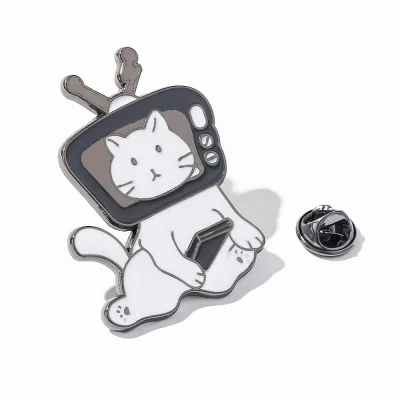
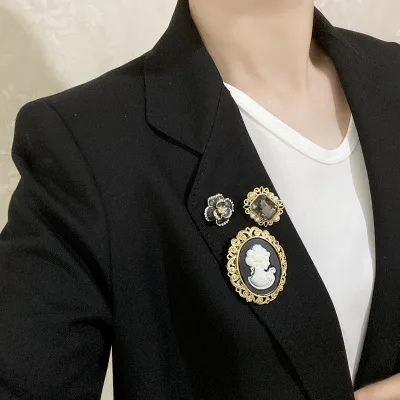
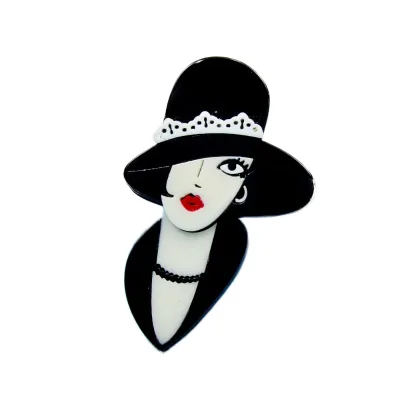
Comprehensive Sourcing Guide
Human Head Portrait Brooch Sourcing Guide
Sourcing human head portrait brooches requires a nuanced understanding of the intersection between artistic design and industrial manufacturing capabilities. These accessories, often categorized under fashion jewelry or decorative pins, serve as statement pieces that blend portraiture with wearable art. Buyers must recognize that while the visual appeal is driven by the likeness and artistic style, the underlying value is determined by material integrity, plating durability, and the precision of the die-cutting or casting processes. The market for such items is diverse, ranging from mass-produced fashion accessories to high-end collectibles, necessitating a clear definition of the target segment before engaging with suppliers.
The procurement process for portrait brooches is heavily influenced by customization requirements and minimum order quantities (MOQs). Unlike standard jewelry items, portrait brooches often involve specific design files, sculpting, or detailed engraving, which can impact production timelines and cost structures. Buyers should be prepared to navigate a landscape where suppliers offer varying degrees of OEM (Original Equipment Manufacturer) support, from simple logo placement to full design replication. Understanding the supplier’s capability to handle complex shapes, such as the human head profile or bust, is critical to ensuring that the final product meets aesthetic expectations without compromising structural integrity.
Product Scope and Observed Listing Signals
The current market landscape for brooches reveals a wide spectrum of materials, shapes, and target demographics, indicating that "human head portrait" designs are just one facet of a broader category. Observed listings highlight products made from alloy, crystal, and metal alloys, with plating options including gold, silver, and nickel. These materials suggest that buyers can source portrait brooches at various price points, from budget-friendly fashion items to more durable, premium pieces. The presence of "Animal-Shaped" and "Flower-shaped" brooches in the same data set underscores the importance of clearly specifying the desired shape to avoid confusion with generic decorative pins.
Key signals from observed listings include the availability of customization, with many suppliers offering OEM services and customized logos. The MOQs range from 50 to 1000 pieces, reflecting the flexibility of suppliers to accommodate both small batch trials and larger commercial orders. Additionally, the observed product types include "Bird Brooch," "Round Brooch," and "Pear Brooch," which indicates that suppliers often specialize in specific forms. Buyers seeking human head portrait brooches must verify if the supplier has specific expertise in figurative designs, as the technical requirements for capturing facial features differ significantly from geometric or floral patterns.
Technical Specifications to Verify
When evaluating technical specifications for human head portrait brooches, the choice of material and manufacturing process is paramount. Common materials observed in the market include zinc alloy, iron, bronze, and red copper, each offering different weight, durability, and cost characteristics. The surface treatment options, such as painting, 3D printing, engraving, and enamel, directly affect the visual fidelity of the portrait. Buyers should verify which techniques the supplier uses to achieve fine details, such as facial contours and hair texture, as these processes determine the level of realism and artistic quality in the final product.
The attachment mechanism and plating quality are also critical technical factors that influence both the functionality and longevity of the brooch. Observed listings mention butterfly clutch attachments, which are standard for pin-back brooches, but buyers should confirm the strength and security of the clasp, especially for heavier portrait designs. Plating options like gold, silver, and nickel plating are available, but it is essential to verify the thickness of the plating and its resistance to tarnishing. Additionally, the "Wearing Way" and "Design" attributes, such as geometric or custom shapes, should be aligned with the specific artistic vision for the portrait to ensure the brooch sits correctly and remains secure during wear.
Compliance and Safety Documentation
Compliance and safety are non-negotiable aspects of sourcing fashion jewelry, particularly when dealing with metals and platings that come into direct contact with the skin. Buyers must ensure that all brooches comply with relevant international standards for heavy metal content, such as lead and cadmium limits, to prevent allergic reactions and ensure consumer safety. While some listings mention SGS certification, buyers should request specific test reports for each batch to verify that the materials meet the required regulatory thresholds in their target markets, such as the EU’s REACH regulation or the US’s CPSIA.
Documentation should also cover the safety of the attachment mechanisms and any coatings used on the brooch. For instance, nickel plating, while common, can cause skin irritation for sensitive individuals, so buyers should inquire about nickel-free alternatives or hypoallergenic coatings. Additionally, the packaging materials, such as the observed OPP bags, should be evaluated for safety and environmental compliance. Ensuring that all components, from the metal alloy to the final polish, are free from harmful substances is crucial for maintaining brand reputation and avoiding legal liabilities in international trade.
Cost Drivers and Commercial Terms
The cost of human head portrait brooches is driven by several key factors, including material costs, manufacturing complexity, and customization levels. The use of precious metal platings, such as gold or silver, will significantly increase the unit price compared to base metal alloys with standard plating. Furthermore, the intricacy of the portrait design, which may require advanced die-cutting, stamping, or 3D modeling, adds to the production cost. Buyers should expect higher prices for brooches with detailed craftsmanship, such as laser engraving or hand-polishing, as these processes are more labor-intensive and time-consuming.
Commercial terms, including MOQs and payment conditions, also play a significant role in the overall cost structure. Observed MOQs range from 50 to 1000 pieces, with lower MOQs often commanding higher unit prices due to the setup costs for custom designs. Buyers should negotiate terms that align with their inventory needs, considering the balance between economies of scale and storage costs. Additionally, lead times can vary based on the complexity of the order and the supplier’s production schedule, so it is essential to clarify delivery timelines and any potential penalties for delays to manage supply chain risks effectively.
Supplier Qualification and Quality Control
Qualifying suppliers for human head portrait brooches requires a thorough assessment of their manufacturing capabilities and quality control processes. Buyers should verify the supplier’s experience with figurative designs and their ability to maintain consistency in detailed artwork. This can be done by requesting samples of previous portrait brooches or similar complex designs to evaluate the precision of the craftsmanship. Additionally, suppliers should have robust quality control measures in place, including inspections for plating defects, attachment strength, and overall aesthetic consistency.
It is also important to assess the supplier’s responsiveness and communication skills, as custom orders often require iterative feedback and adjustments. Buyers should look for suppliers who provide clear documentation of their production processes, including surface treatment and post-production editing steps like hand polishing and finishing. Establishing a clear quality assurance protocol, including pre-shipment inspections and acceptance criteria, is essential to ensure that the final products meet the specified standards. Building a relationship with a reliable supplier who understands the nuances of portrait brooch manufacturing can lead to better quality and more efficient production cycles.
Long-Term Procurement Checks
Long-term procurement success for human head portrait brooches depends on continuous monitoring of supplier performance and market trends. Buyers should regularly review supplier metrics, such as on-time delivery rates, defect rates, and responsiveness to issues, to ensure that the partnership remains productive. Additionally, staying informed about changes in material costs, regulatory requirements, and consumer preferences is crucial for adapting procurement strategies. For instance, if there is a growing demand for sustainable or hypoallergenic materials, buyers should proactively discuss these options with their suppliers to stay ahead of market shifts.
Furthermore, buyers should consider diversifying their supplier base to mitigate risks associated with single-source dependencies. This can involve identifying alternative suppliers who offer similar quality and customization capabilities but may have different strengths, such as faster lead times or lower costs. Regularly updating the product portfolio with new designs and materials can also help maintain competitiveness. By maintaining a strategic approach to supplier management and market analysis, buyers can ensure a steady supply of high-quality human head portrait brooches that meet evolving customer demands.
FAQs
What customization options are available for the brooch?
Customization is available for the brooch, allowing buyers to request specific designs or logos. The product supports customized sizes and logos, with options for various plating finishes like gold or silver to meet unique branding needs.
Which materials are used to make these brooches?
These brooches are crafted from alloy, metal alloy, zinc alloy, iron, bronze, and red copper. Some variations also feature crystal elements, ensuring durability while offering a fashionable and elegant appearance suitable for decoration or gifts.
Can I order a single item as a sample?
Yes, you can order a single item as a sample since the selling unit is listed as a single item. However, bulk orders typically require a minimum order quantity ranging from 50 to 1000 pieces depending on the specific model selected.
What is the origin location of these brooches?
The brooches originate from Zhongshn, Guangdong, China, or generally from China. This location indicates the manufacturing base where the products are produced using techniques like die casting, stamping, and various surface treatments such as enamel or painting.
How are the brooches packaged for shipment?
Packaging options include OPP bags for individual items or bulk cartons containing 500 pieces per carton. The specific packing method depends on the product model, ensuring safe transport while maintaining the quality and appearance of the brooches during shipping.
Which certifications or standards apply to these products?
Some products adhere to SGS standards, while others offer customized standard options. This ensures that the brooches meet specific quality requirements, with features like durability and cute designs verified through established testing and production protocols.
What styles and shapes are available for the brooches?
Available styles include fashion, elegant, and geometric designs with shapes ranging from animal, flower, and round to custom shapes. The collection features bird brooches and crystal brooches, catering to youth and middle-aged demographics with diverse aesthetic preferences.