Source Hydraulic Clutch Release Bearing for Trucks, Tractors, Farm Machinery
Find 30 listings for Hydraulic Clutch Release Bearing suitable for heavy duty trucks, tractors, and farm machinery. Buyers can compare specifications, certifications, and pricing across multiple suppliers offering new condition parts with custom options.
Key considerations
Products List


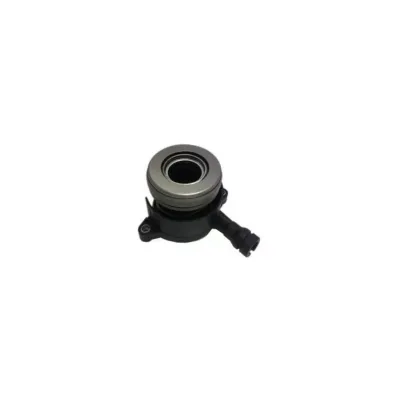


Comprehensive Sourcing Guide
Strategic Sourcing Guide for Hydraulic Clutch Release Bearings
Understanding Technical Specifications and Component Variants
When initiating a procurement strategy for hydraulic clutch release bearings, the primary objective is to align component specifications with the specific operational requirements of the target machinery. The market for these components is not monolithic; it encompasses a diverse range of designs tailored to different transmission systems and vehicle classes. Based on available product data, buyers must distinguish between dry-type multidisc electromagnetic clutches and hydraulic clutch release bearings, as these serve fundamentally different mechanical functions. The hydraulic variant is specifically engineered for systems requiring power combining and linkage working states, often found in heavy-duty trucks and agricultural machinery.
A critical aspect of technical specification verification is the model number and dimensional compatibility. Sourcing documents frequently list specific model identifiers such as 3151000395, 30620-00Q0J, and 3182998501. These alphanumeric codes are not merely labels but serve as unique fingerprints for compatibility with specific vehicle makes and models, including Nissan and Mercedes-Benz. Procurement teams must verify that the listed model number corresponds exactly to the vehicle's original equipment manufacturer (OEM) requirements. For instance, the part number 3151000395 is explicitly associated with Nissan applications, while 3182600166 and 3182998501 are linked to Mercedes-Benz truck models. Relying on generic descriptions without cross-referencing these specific model numbers can lead to installation failures or premature component wear.
Dimensional standards also play a pivotal role in the selection process. Product attributes indicate that standard sizes are a common requirement, with specific packing standards noted as 606080 cm or 100 x110x120 mm in various listings. However, these dimensions should be treated as observations of specific product batches rather than universal constants. Buyers must verify the physical envelope of the bearing against the clutch housing clearance. The working mode is another critical technical parameter; while some units operate via electricity combination, the hydraulic variants function through power combining mechanisms. Ensuring the selected bearing matches the vehicle's linkage or semi-linkage working state is essential for maintaining the integrity of the transmission system.
Compliance and Certification Verification Protocols
In the B2B procurement of automotive components, certification serves as the primary indicator of a supplier's commitment to quality management and regulatory compliance. The Hydraulic Clutch Release Bearing market is characterized by a rigorous certification landscape. High-confidence data indicates that suppliers often provide certifications such as ISO/TS16949, RoHS, CE, and E-Mark. The ISO/TS16949 standard is particularly significant, as it represents the global technical specification for quality management systems in the automotive industry. Listings explicitly mention ISO/TS16949:2002 and ISO/TS16949 classifications, which buyers should prioritize when evaluating potential vendors.
Beyond automotive-specific standards, general product safety and environmental compliance are mandatory. The presence of RoHS (Restriction of Hazardous Substances) and CE (Conformité Européenne) markings suggests adherence to European environmental and safety directives. For products originating from China, which is a dominant manufacturing hub for these components, the E-Mark certification is a crucial verification point for market access in Europe. Buyers must request current certification documents rather than relying on marketing claims. The certification status should be verified for the specific batch or production run, as standards can evolve, and a supplier's certification status may change over time.
Standard compliance extends to the materials used in construction. The product data highlights Stainless Steel and Steel as primary materials. While stainless steel offers superior corrosion resistance, standard steel is often used for cost-effective applications where environmental exposure is controlled. Buyers should verify the material grade and heat treatment processes to ensure the bearing can withstand the high temperatures and friction loads inherent in hydraulic clutch operations. Additionally, the classification of the product, such as "Casting Box Type" or "Hydraulic Clutch," must align with the certification scope. A supplier claiming ISO/TS16949 certification for a hydraulic clutch must demonstrate that their quality management system covers the specific manufacturing processes for that component type.
Cost Drivers and Pricing Dynamics
The pricing structure for hydraulic clutch release bearings is influenced by a complex interplay of factors, including material costs, manufacturing complexity, and order volume. Observed market data reveals a wide price range, spanning from $0.30 to $100,000 USD. This vast disparity underscores the importance of defining the scope of the procurement clearly. The lower end of the spectrum likely represents standard, off-the-shelf components with minimal customization, while the upper end may reflect specialized, high-volume industrial solutions or complete assembly units.
Material composition is a primary cost driver. Components manufactured from stainless steel generally command a higher price point than those made from standard steel due to the raw material cost and the additional processing required to prevent corrosion. Furthermore, the level of customization significantly impacts pricing. Product attributes indicate that customization is available, and specific products are listed as "Customized." Customization efforts, such as modifying the stroke, voltage, or specific dimensions to fit non-standard applications, incur additional engineering and tooling costs. Buyers should anticipate a premium for bespoke solutions compared to standard OEM replacements.
Order volume is another critical determinant of cost. The observed Minimum Order Quantity (MOQ) ranges from 1 to 10,000,000 units. Suppliers often offer tiered pricing structures where the unit cost decreases as the order volume increases. For buyers requiring large quantities for fleet maintenance or manufacturing, negotiating based on volume can yield significant savings. However, small-batch buyers may face higher per-unit costs due to the fixed costs of setup and production runs. It is essential to analyze the total cost of ownership, including shipping and packaging, which can vary based on whether the product is packed in neutral boxes, corrugated cartons, or specialized pallets.
Typical Applications and Industry Sectors
Hydraulic clutch release bearings are integral to the operation of various heavy-duty and specialized vehicles. The product data explicitly identifies several key application sectors, including heavy-duty trucks, farm machinery, tractors, and motorcycles. In the heavy-duty truck sector, these bearings are critical for the seamless engagement and disengagement of the clutch, ensuring efficient power transmission in demanding environments. The specific mention of Mercedes-Benz and Nissan models highlights the component's relevance in commercial transportation fleets where reliability and uptime are paramount.
Agricultural machinery represents another significant application area. Farm machinery and tractors often operate in dusty, high-vibration environments, necessitating robust clutch release bearings that can withstand harsh conditions. The "Dry-Type Multidisc Electromagnetic Clutch" and "Hydraulic Clutch" classifications suggest versatility in application, allowing these components to be adapted for different types of agricultural equipment. The working state, described as "Linkage" or "Semi Linkage," indicates that these bearings are designed for systems that require precise control over power delivery, which is essential for tasks like plowing and harvesting.
In the automotive sector, the bearings are used in vehicles requiring hydraulic clutch actuation systems. The "Electricity Combination" and "Power Combining" working modes suggest that these components may be part of hybrid or electronically assisted systems. Buyers should verify the compatibility of the bearing with the specific vehicle's electrical and hydraulic architecture. The usage data also points to the importance of the "Bas Brake Asist" function in some listings, indicating that these components may interact with broader vehicle safety systems. Understanding the specific operational context of the application is crucial for selecting a bearing that meets the performance and durability requirements of the intended use case.
Supplier Evaluation and Origin Verification
Evaluating suppliers for hydraulic clutch release bearings requires a thorough assessment of their geographical origin, production capabilities, and logistical reliability. The product data indicates that the primary manufacturing origins are China, with specific provinces such as Hebei and Zhejiang highlighted. These regions are known for their robust manufacturing ecosystems, particularly in the automotive parts sector. However, the concentration of suppliers in specific regions necessitates a careful evaluation of individual supplier capabilities to ensure they meet quality and delivery standards.
Supplier evaluation should focus on the consistency of their product attributes and the transparency of their documentation. Buyers should verify that the supplier's stated certifications, such as ISO/TS16949 and RoHS, are valid and applicable to the specific products being sourced. The presence of specific model numbers and OEM part numbers in the supplier's catalog is a positive indicator of their ability to provide authentic replacements. Additionally, the packaging standards, such as "Neutral Packing," "Box, Corrugated Carton," or "Eastiger, Tapffer," should be assessed to ensure they provide adequate protection during transit.
Logistical capabilities are another critical factor. The observed delivery time ranges from 7 to 20 days, which is a standard timeframe for international shipping. Buyers should confirm the lead times with the supplier to ensure they align with their production schedules. The ability to handle large order volumes, as suggested by the high MOQ range, is also a key consideration. Suppliers who can manage orders ranging from single units to millions must have robust supply chain management systems in place. Verifying the supplier's track record in delivering on time and maintaining quality consistency is essential for long-term procurement success.
Quality Control and Long-Term Procurement Considerations
Ensuring the quality of hydraulic clutch release bearings requires a comprehensive approach to quality control that spans the entire procurement lifecycle. Buyers should implement rigorous inspection protocols, including pre-shipment inspections and post-delivery testing. The product data mentions specific standards such as SGS and ISO/TS16949:2002, which serve as benchmarks for quality assurance. Buyers should request third-party inspection reports to verify that the components meet these standards before they are shipped.
Long-term procurement considerations involve building a sustainable relationship with suppliers that prioritizes continuous improvement and reliability. The availability of customization options suggests that suppliers should be willing to collaborate on product development to meet evolving market needs. Buyers should engage in regular performance reviews with their suppliers to assess their ability to maintain quality standards and meet delivery commitments. The use of standardized packaging, such as cartons and pallets, helps in maintaining product integrity over time, reducing the risk of damage during storage and transportation.
Furthermore, buyers should consider the lifecycle management of the components. The working state and usage data indicate that these bearings are subject to significant wear and tear. Establishing a clear maintenance schedule and having a reliable supply chain for replacements is crucial for minimizing downtime. The ability of the supplier to provide consistent quality over time, supported by valid certifications and adherence to international standards, is the foundation of a successful long-term procurement strategy. By focusing on these aspects, buyers can ensure the reliability and performance of their hydraulic clutch release bearings in diverse and demanding applications.
FAQs
What certifications are available for hydraulic clutch release bearings?
Suppliers often provide ISO/TS16949, RoHS, CE, and E-Mark certifications for these components. Buyers should verify that the specific batch matches the automotive quality standard ISO/TS16949:2002 or ISO/TS16949 classification to ensure compliance with industry requirements.
Which vehicle models are compatible with these clutch bearings?
These bearings are explicitly compatible with Nissan and Mercedes-Benz truck models. Specific model numbers like 3151000395 correspond to Nissan applications, while 3182998501 and 3182600166 are linked to Mercedes-Benz trucks.
Can buyers request customized specifications for these bearings?
Yes, customization is available for these hydraulic clutch release bearings. Buyers can request specific modifications to dimensions, materials, or working modes, though this may affect the unit price and lead time compared to standard OEM replacements.
What is the typical delivery time for these components?
The typical delivery time ranges from 7 to 20 days for these products. This timeframe applies to international shipments from manufacturing hubs in China, specifically regions like Hebei and Zhejiang, depending on order volume and packaging requirements.
How do material choices affect the bearing performance?
Products are manufactured using Stainless Steel or standard Steel to meet different durability needs. Stainless steel offers superior corrosion resistance, while standard steel is often used for cost-effective applications where environmental exposure is controlled.
What packaging options are provided for these bearings?
Packaging options include Neutral Packing, Box, Corrugated Carton, and specialized pallets. Some listings specify packing standards like 60*60*80 cm or 100 x110x120 mm, ensuring adequate protection during transit for various order sizes.