Source Hydraulic Cold Press Oil Machine for Oil Seeds, Grains, and Nuts
Explore 30 verified listings for the Hydraulic Cold Press Oil Machine designed for extracting oil from seeds, grains, and nuts. Buyers can compare specifications, capacities, and customization options from suppliers in China.
Key considerations
Products List


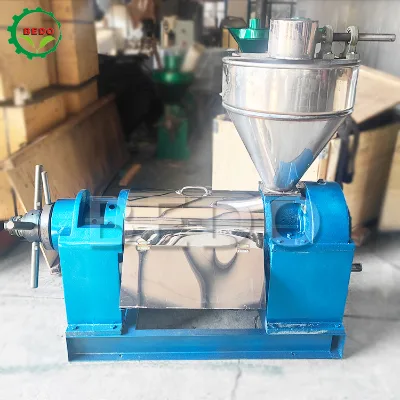
Cold Press Oil Extraction Machine Hydraulic Peanut Oil Pressing Machine
$1950.00 - $2100.00
MOQ: 1 Pieces


Oil Extraction Machine/Cold Press Oil Machine Price/Oil Press Machine
$2500.00 - $3600.00
MOQ: 1 Pieces


Comprehensive Sourcing Guide
Strategic Sourcing Guide for Hydraulic Cold Press Oil Machines
Understanding the Technical Landscape of Hydraulic Oil Presses
The procurement of hydraulic cold press oil machines requires a granular understanding of the diverse configurations available in the global market. These machines are engineered primarily for squeezing oil from various raw materials, ranging from traditional seeds to specific crops like fresh avocado. The fundamental architecture of these units often falls into two distinct structural categories: vertical and horizontal. Buyers must evaluate which structure aligns with their facility's floor plan and operational workflow. Vertical structures typically offer a compact footprint, while horizontal configurations may provide different throughput dynamics depending on the specific model series.
A critical technical differentiator is the power consumption and capacity range. Observed specifications indicate a wide variance in power requirements, ranging from low-power units at 0.75kw to high-capacity industrial systems requiring 30-80kw. This disparity directly correlates with the intended production volume. For instance, smaller batch operations might utilize machines with a capacity of 4kg per batch, whereas large-scale commercial facilities require models capable of processing 16-20kg per hour or even scaling up to 200-5000kg per hour. The voltage supply is another vital technical parameter, with standard industrial units often operating at 380V.
The mechanical composition of the press is equally significant. The core components are typically constructed from high-grade materials such as alloy steel and stainless steel to ensure durability and resistance to corrosion during the extraction process. The specific model designation, such as HT-ZYJ180 or 6YL-95A, often dictates the physical dimensions and operational capabilities. For example, certain models feature an oil cake diameter of 195mm, which influences the size of the output byproduct. Additionally, the press series, identified as either "Second" or "Fourth," may indicate the generation of the technology or the specific mechanical arrangement of the hydraulic system.
Compliance, Certification, and Safety Standards
When sourcing industrial machinery, verifying compliance with international and regional safety standards is non-negotiable. The primary certifications observed in the current market for hydraulic oil presses include ISO9001 and CE. The ISO9001 certification indicates that the manufacturer adheres to a quality management system that ensures consistent product quality and process control. The CE marking signifies that the product meets the health, safety, and environmental protection standards for products sold within the European Economic Area.
Buyers must treat these certifications as baseline requirements rather than optional features. However, it is important to note that not every listed product in a broad search may carry every certification. Procurement teams should explicitly request valid certification documents for the specific model under consideration. The presence of a CE mark is particularly critical for buyers operating in or exporting to Europe, as it is a legal requirement for market access. Similarly, ISO9001 serves as a proxy for the manufacturer's overall operational maturity and commitment to quality assurance protocols.
Beyond certifications, the physical standards of the machine must be verified against the buyer's facility requirements. Dimensions vary significantly; some units are designed with a standard footprint of approximately 8009001050mm, while larger industrial models may require a floor area of 30126m. The weight of the machinery is another factor influencing installation logistics, with observed weights ranging from 520kg to 550kg for certain configurations. Ensuring that the machine's physical specifications match the available infrastructure is a prerequisite for successful deployment.
Cost Drivers and Pricing Dynamics
The pricing of hydraulic cold press oil machines is influenced by a complex matrix of factors, including power rating, material composition, automation level, and customization requirements. The observed price range in the market is exceptionally broad, spanning from 1 USD to 113,800 USD. This vast disparity reflects the difference between small-scale, manual or semi-automatic units and fully automated, high-throughput industrial systems.
Several specific cost drivers contribute to the final price. First, the power rating is a primary determinant; units requiring 30-80kw of power will inherently cost more than those operating at 0.75kw due to the cost of motors, hydraulic pumps, and associated electrical components. Second, the material quality plays a role; machines constructed with high-grade stainless steel and alloy steel for the pressing chamber and structural frame command a premium over those with lower-grade metallurgy. Third, the level of automation and the inclusion of features such as precision control systems and high-efficiency designs add to the manufacturing cost.
Customization is another significant factor. Many suppliers offer customization services, allowing buyers to tailor the machine to specific raw materials or production needs. This "Customized" attribute can increase the unit price due to the engineering and tooling required for bespoke modifications. Furthermore, the packaging requirements, such as the use of fumigation-free wooden cases or heavy-duty wooden crates for container transport, add to the overall landed cost. Buyers should be aware that the Minimum Order Quantity (MOQ) also impacts pricing, with observed ranges from 1 unit to 200 units, potentially offering volume discounts for larger orders.
Typical Applications and Raw Material Compatibility
Hydraulic cold press oil machines are versatile tools designed for a wide array of applications, primarily focused on the extraction of oil from seeds, nuts, and grains. The specific application depends heavily on the machine's design and the raw material being processed. Common applications include the extraction of oil from rapeseed, wheat, rice flour, and various beans. The versatility of these machines allows them to handle different feedstocks, making them suitable for diverse agricultural processing needs.
For specialized applications, such as the production of Extra Virgin Avocado Oil, the machine must be compatible with fresh avocado as a raw material. This requires specific adjustments in the pressing mechanism to handle the unique texture and oil content of avocados compared to traditional seeds. The oil yield rate is a critical performance metric for these applications, with observed rates ranging from 60% to 80%. Achieving high yield rates is essential for economic viability, particularly when processing high-value crops like avocados.
The capacity of the machine also dictates its suitability for different application scales. Small-scale operations might utilize units with a capacity of 4-5 tons per day, while large industrial facilities require systems capable of 12-120kg per hour or higher. The choice of application also influences the choice of the press series; for instance, the "Second" or "Fourth" series may be optimized for specific types of raw materials or desired oil qualities. Buyers must ensure that the selected machine is explicitly rated for their intended raw material to avoid operational inefficiencies or equipment damage.
Supplier Evaluation and After-Sales Support
Selecting the right supplier is as critical as selecting the right machine. The global market for hydraulic oil presses is dominated by manufacturers based in China, specifically in regions such as Henan and Jiangsu. These regions have established supply chains and manufacturing expertise in agricultural machinery. However, the location of the supplier does not guarantee quality; buyers must conduct thorough due diligence.
A key differentiator among suppliers is the availability of after-sales service. The most reliable suppliers offer "Engineers Available to Service Machinery Overseas," a critical feature for international buyers who may face language barriers or logistical challenges in maintaining their equipment. This service ensures that technical support is accessible regardless of the buyer's location. Additionally, a standard warranty of 12 months is a common industry benchmark, providing a safety net against manufacturing defects.
Buyers should also evaluate the supplier's ability to handle customization requests. The "Customization: Available" attribute indicates that suppliers are willing to adapt their standard models to meet specific client needs. This flexibility is essential for buyers with unique processing requirements. Furthermore, the supplier's packaging standards, such as the use of fumigated wood boxes or pallets, reflect their attention to detail and commitment to safe transport. Verifying the supplier's track record in delivering machines that meet the specified standards, such as the 17506001450mm dimensions or specific voltage requirements, is a vital step in the evaluation process.
Quality Control and Long-Term Procurement Considerations
Ensuring the long-term reliability of a Hydraulic Cold Press Oil Machine requires a robust quality control strategy. Buyers should verify that the machine meets the specified standards for production, such as the 8009001050mm or 17506001450mm dimensions, and that the materials used, such as alloy steel and stainless steel, meet the required durability standards. The condition of the machine should be confirmed as "New" to avoid issues associated with refurbished or used equipment.
Long-term procurement considerations extend beyond the initial purchase. The "High Efficiency," "Precision," and "Automation" features observed in these machines are designed to reduce operational costs and improve output quality over time. However, the maintenance of these features requires regular attention. Buyers should plan for the ongoing costs of maintenance, including the replacement of wear parts and the potential need for technical support. The "Fumigation-Free Wooden Case" or "Wooden Crate Packaging" ensures that the machine arrives in pristine condition, but the buyer must also consider the storage environment and handling procedures to maintain the machine's integrity.
Finally, the scalability of the procurement strategy is important. As production needs grow, the buyer may need to upgrade from a 1-5TH model to a larger capacity unit. Understanding the product line of the supplier and their ability to provide scalable solutions is essential for long-term planning. By focusing on suppliers who offer comprehensive after-sales support, valid certifications, and high-quality materials, buyers can ensure a sustainable and profitable investment in hydraulic cold press oil machinery.
Comparative Analysis of Machine Specifications
To assist in the decision-making process, the following table summarizes key technical specifications observed across different models in the market. This comparison highlights the variance in power, capacity, and dimensions that buyers must consider when selecting a machine.
| Specification | Model A (Small Scale) | Model B (Medium Scale) | Model C (Industrial Scale) |
|---|---|---|---|
| Power | 0.75kw | 11kw | 30-80kw |
| Capacity | 4kg/Batch | 16-20kg/H | 200-5000kg/h |
| Structure | Vertical | Vertical | Horizontal |
| Dimensions | 8009001050mm | 17506001450mm | 30126m (Floor Area) |
| Weight | 550kg | 520kg | Variable |
| Voltage | Standard | 380V | Standard |
| Certification | ISO9001, CE | CE | ISO9001, CE |
| Material | Alloy Steel, Stainless Steel | Alloy Steel, Stainless Steel | Alloy Steel, Stainless Steel |
| Packaging | Fumigation-Free Wooden Case | Fumigated Wood Box | Wooden Crate |
This table illustrates the trade-offs between power, capacity, and physical footprint. Buyers must align these specifications with their specific operational needs, ensuring that the selected machine can handle the intended raw material and production volume efficiently. The presence of certifications like ISO9001 and CE across all categories underscores the importance of compliance in the selection process.
FAQs
Can hydraulic oil presses be customized for specific raw materials?
Yes, customization is available for these machines to handle specific raw materials like fresh avocado or rapeseed. Buyers can request tailored configurations for oil cake diameter and batch capacity to match their unique production needs.
What certifications do these hydraulic oil press machines typically hold?
Most units carry ISO9001 and CE certifications to ensure quality management and safety compliance. These standards verify that the manufacturer adheres to international protocols for health, safety, and environmental protection in the European Economic Area.
Which structural types are available for hydraulic oil press machines?
The machines are available in both vertical and horizontal structural configurations. Vertical structures offer a compact footprint, while horizontal models may provide different throughput dynamics depending on the specific model series and facility layout.
How much power do these hydraulic oil press machines require?
Power requirements vary significantly, ranging from 0.75kw for small units to 30-80kw for high-capacity industrial systems. The specific power rating depends on the intended production volume and the scale of the oil extraction operation.
What is the warranty period for new hydraulic oil press machines?
A standard warranty of 12 months is typically provided for new machinery. This coverage protects against manufacturing defects and ensures that buyers have a safety net for the initial period of operation.
Can engineers provide after-sales service for machinery overseas?
Yes, reliable suppliers offer engineers available to service machinery overseas for international buyers. This support ensures technical assistance is accessible regardless of the buyer's location to maintain operational efficiency.
What is the typical capacity range for these hydraulic oil press units?
Capacity ranges from 4kg per batch for small operations to 200-5000kg per hour for large industrial facilities. The specific capacity depends on the model series and the intended throughput for squeezing oil from various raw materials.