Source Hydraulic Concrete Hanging Tank for Hotels, Farms, and Retail
Explore 30 listings for the Hydraulic Concrete Hanging Tank suitable for hotels, farms, and retail environments. Buyers can compare specifications like mixing capacity, horsepower, and drive modes to find equipment matching their operational needs.
Key considerations
Products List


Concrete Hanging Tank with Compact Structure Concrete Kibble for Precast Concrete
$100.00 - $377.00
MOQ: 5 Pieces
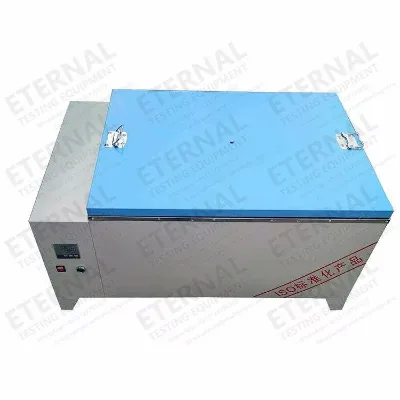


Construction Equipment Machine Stationary Concrete Mixer Tank for Sale
$410.00 - $4500.00
MOQ: 1 Pieces


Top Brand Portable Blending Horizontal Cement Silo Used Concrete Mixing Plant
$3800.00 - $12800.00
MOQ: 1 Pieces


Drum Cement Certified Trailer Concrete Mixing Tank for Sale Concrete Mixing Tank
$3990.00 - $5990.00
MOQ: 1 Pieces


5m3 Concrete Mixing Tank Mobile Concrete Mixer Lorry Concrete Mixing Tank
$5500.00 - $6428.00
MOQ: 1 Pieces


Comprehensive Sourcing Guide
Strategic Sourcing Guide for Hydraulic Concrete Hanging Tanks
The global construction and infrastructure sector increasingly relies on specialized machinery to enhance operational efficiency and safety. Among these, the Hydraulic Concrete Hanging Tank represents a critical asset for projects requiring precise material handling and mixing capabilities. For procurement professionals, navigating the market for this equipment requires a disciplined approach that distinguishes between verified product attributes and general market expectations. This guide synthesizes available product data to provide a framework for evaluating potential suppliers and specifications, ensuring that procurement decisions are grounded in observable facts rather than unverified claims.
Technical Specifications and Operational Parameters
When sourcing a Hydraulic Concrete Hanging Tank, the primary focus must be on the mechanical and operational specifications that define the machine's capability. Based on the observed product data, the industry offers units with varying structural configurations and power requirements. A critical observation is the diversity in mixing capacities, with specific models identified as having capacities of 6 cubic meters and 8 cubic meters. These figures are not merely marketing terms but represent the standard volumetric output for the respective model series, such as the CTM6U and CTM8U designations found in current listings.
The power systems for these units exhibit significant variation. Some configurations are driven by electric engines, while others utilize diesel power plants with horsepower ratings ranging from 200 to 400 hp. Specifically, observed data indicates drive modes of 6x configurations with diesel fuel sources. This distinction is vital for buyers operating in remote locations where grid power is unavailable versus those in urban environments with stable electricity. The transmission types also vary, with automatic transmissions noted as a feature in certain high-performance models.
Mixing dynamics are another essential technical parameter. The mixing speed for these units typically operates within a range of 0 to 16 revolutions per minute, with some specific models capped at 14 revolutions per minute. This variability allows operators to adjust the mixing intensity based on the concrete slump, which is observed to range between 51mm and 210mm. Furthermore, the water supply system is a key component of the hydraulic operation. Buyers should verify whether the unit utilizes a pneumatic water supply system with pressures of 0.2MPa or 0.3MPa, and confirm the water tank volume, which is observed to be 450 liters in specific configurations. The feeding height is another physical constraint to consider, with observed specifications listing a height of 1370mm, which impacts site accessibility and loading procedures.
Compliance, Certification, and Safety Standards
In the realm of heavy construction machinery, compliance with international and regional safety standards is non-negotiable. The product data highlights specific certifications that serve as indicators of a manufacturer's adherence to quality management and safety protocols. Notable certifications observed include CE (Conformité Européenne) and ISO9001, which signal compliance with European safety standards and international quality management systems, respectively. Additionally, ISOCCC is mentioned in the context of product compliance, suggesting a focus on environmental or specific operational standards.
Buyers must treat these certifications as evidence of a specific batch or model's compliance rather than a universal guarantee for all products in the category. The presence of a CE mark, for instance, indicates that the product meets EU safety, health, and environmental requirements, but the buyer must verify the validity of the certificate for the specific unit being purchased. Similarly, ISO9001 certification reflects a commitment to consistent quality control processes.
Beyond certifications, the structural integrity of the equipment is paramount. The observed product attributes describe a "Cylinder Type" structure, which is a common design for hydraulic mixing tanks. The pipe material is explicitly identified as concrete in some contexts, though this likely refers to the application or internal lining rather than the structural frame, which is typically steel. Buyers should request documentation verifying the material composition of the chassis and hydraulic components. The warranty period is another critical compliance metric, with observed terms offering 12 months or 1 year of coverage. This warranty period serves as a baseline for the manufacturer's confidence in their product's durability and should be a key point of negotiation in the procurement contract.
Cost Drivers and Pricing Variables
The pricing landscape for hydraulic concrete hanging tanks is influenced by a complex array of factors, ranging from raw material costs to customization levels. The observed price range in the market spans from 1 to 20,000 USD, a wide variance that reflects differences in capacity, power source, and feature sets. A unit with a 6m³ capacity and an electric engine will likely fall on the lower end of this spectrum, whereas an 8m³ unit with a high-horsepower diesel engine and advanced automatic transmission will command a premium.
Customization is a significant cost driver. The product data confirms that customization is available, with options for OEM, ODM, and OBM support. Buyers seeking specific chassis configurations, such as the HOWO chassis or other customized options, should anticipate higher costs due to the engineering and manufacturing adjustments required. The "Chassis: According to Customer" attribute indicates that the base platform is flexible, but this flexibility comes with a price tag that varies based on the complexity of the request.
Packaging and logistics also contribute to the final cost. While some units are shipped on pallets, others require wooden cases, particularly for international shipping or to protect high-value components. The "Standard or According to Your Detailed Requirement" packing option suggests that buyers can negotiate packaging costs, but specialized packaging will increase the overall expenditure. Additionally, the "Selling Units: Single item" designation implies that these are typically sold as standalone units rather than in bulk, which affects the per-unit economics for smaller procurement volumes.
Typical Applications and Industry Fit
Understanding the intended application of the Hydraulic Concrete Hanging Tank is essential for selecting the right equipment. The product data lists a broad range of applicable industries, including hotels, farms, home use, and retail. While these categories seem diverse, they often point to smaller-scale construction or infrastructure projects where mobility and versatility are key. For instance, the "Agricultural Products Processing" and "Farmland Infrastructure" usage tags suggest that these machines are well-suited for rural development projects, irrigation systems, and agricultural facility construction.
The "Dry" shotcrete type attribute indicates that the equipment is capable of handling dry mix concrete, which is a specific application requiring precise water addition and mixing control. This makes the machine particularly valuable for tunneling, slope stabilization, and repair work where dry mix concrete is preferred. The "Transport Machinery" classification further emphasizes the mobility of the unit, allowing it to be deployed across various sites without the need for extensive setup.
However, buyers should exercise caution when interpreting the "Home Use" and "Retail" tags. In the context of heavy machinery, these terms often refer to small-scale commercial applications or DIY construction projects rather than residential home use. The high horsepower and large capacity of units like the 8m³ model may be overkill for small residential projects, making it crucial to match the machine's capacity to the project scale. The "Unique Selling Point" of "High Operating Efficiency" suggests that these machines are designed to minimize downtime and maximize output, a feature that is critical for time-sensitive construction projects.
Supplier Evaluation and Customization Capabilities
Evaluating suppliers for hydraulic concrete hanging tanks requires a deep dive into their manufacturing capabilities and support structures. The product data indicates that the brand name "ETERNAL" is associated with these units, and the place of origin is primarily China, with specific mentions of Qingdao and Zhejiang. These locations are known for their manufacturing hubs, but buyers should not rely solely on the region for quality assurance. Instead, they must verify the supplier's specific production processes.
The "Machining Process: Welded Molding Machine" attribute provides insight into the manufacturing method. Welded molding is a standard process for constructing the structural components of these tanks, but the quality of the welds and the precision of the molding are critical factors. Buyers should request evidence of the supplier's quality control measures during the welding and assembly phases. Furthermore, the availability of OEM, ODM, and OBM support indicates that the supplier is flexible and capable of tailoring products to specific client needs. This flexibility is a strong indicator of a mature manufacturing operation, but it also requires clear communication of specifications to avoid misunderstandings.
When evaluating suppliers, buyers should also consider the warranty and after-sales support. The observed 12-month warranty is a standard offering, but the terms of service, such as the availability of spare parts and technical support, are equally important. The "Customized support" attribute suggests that suppliers are willing to engage in long-term partnerships, but the buyer must ensure that the supplier has the capacity to deliver on these promises.
Quality Control and Long-Term Procurement Considerations
Ensuring the long-term reliability of hydraulic concrete hanging tanks requires a robust quality control strategy. The observed attributes, such as the "Vibrating Amplitude: 1.0mm," provide a specific metric for the machine's performance, but buyers must verify that these figures are consistent across production batches. The "Condition: New" attribute confirms that the units are sold as new equipment, but buyers should inspect the machinery upon delivery to ensure there are no signs of wear or damage.
Long-term procurement considerations also include the maintenance requirements of the equipment. The "Electric Engine" and "Diesel" power options have different maintenance profiles, with diesel engines requiring regular fuel system checks and oil changes. The "Water Supply Pressure" and "Mixing Speed" parameters must be monitored regularly to ensure the machine operates within the specified ranges. Deviations from these ranges can indicate wear and tear or hydraulic system failures.
Buyers should also consider the lifecycle cost of the equipment. While the initial purchase price is a significant factor, the cost of maintenance, fuel consumption, and downtime must be factored into the total cost of ownership. The "High Operating Efficiency" claim suggests that these machines are designed to minimize these costs, but buyers should verify this through case studies or references from other clients.
Final Procurement Recommendations
In conclusion, sourcing a Hydraulic Concrete Hanging Tank requires a meticulous approach that balances technical specifications, compliance, and cost considerations. The available data provides a solid foundation for evaluating potential suppliers, but buyers must remain vigilant in verifying the specific attributes of each unit. By focusing on the observed certifications, capacity ranges, and customization options, procurement professionals can make informed decisions that align with their project requirements. The wide range of applications, from agricultural infrastructure to commercial construction, underscores the versatility of these machines, but the buyer must ensure that the selected unit matches the specific demands of their operation. Ultimately, a disciplined, evidence-based procurement strategy will yield the best results in this complex and competitive market.
FAQs
What certifications do these tanks have?
These tanks carry CE and ISO9001 certifications, with some models also featuring ISOCCC. These marks indicate compliance with European safety standards and international quality management systems for specific batches.
Which mixing capacities are available?
Available models include 6 cubic meters and 8 cubic meters, designated as CTM6U and CTM8U respectively. These capacities represent the standard volumetric output for the specific model series found in current listings.
Can I customize the chassis and packaging?
Yes, customization is available for the chassis, water tank, and packaging requirements. Buyers can select standard pallets or wooden cases, and request specific chassis configurations like HOWO or other custom options.
What power types are offered for these units?
Units are available with electric engines or diesel power plants ranging from 200 to 400 horsepower. The diesel configurations typically feature a 6x drive mode, suitable for remote locations without grid power.
How long is the warranty period?
The standard warranty period is 12 months or one year for these new units. This coverage serves as a baseline for the manufacturer's confidence in the product's durability and should be verified in the contract.
What is the feeding height specification?
The observed feeding height specification is 1370mm, which impacts site accessibility and loading procedures. This physical constraint must be considered when planning the deployment location for the machinery.