Source Hydraulic Concrete Mold for Wall Formwork, Pipe Production, and Mould Cavity
Find 30 Hydraulic Concrete Mold options from verified Chinese manufacturers. Buyers can compare specifications like diameter, material, and standard codes to select suitable units for wall formwork, pipe production lines, and injection mould applications.
Key considerations
Products List


a Manufacture of Concrete Pole Molds Concrete Pipe Mold Concrete Pile Mould
$3500.00 - $30000.00
MOQ: 10 Sets


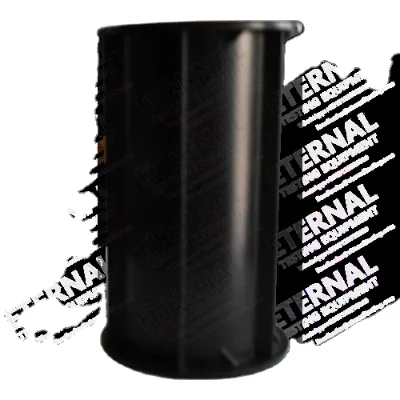


Manhole Concrete Mold/ Shafts/Chamber/Concrete Mould/ Concrete Pit Mould
$200.00 - $2000.00
MOQ: 2 Pieces


Concrete Mold Fence Mould Plastic Fence Injection Mould Floor Tile Mold Mold
$1000.00 - $1100.00
MOQ: 1 Sets


Comprehensive Sourcing Guide
Strategic Sourcing Guide for Hydraulic Concrete Molds
The procurement of hydraulic concrete molds represents a critical decision point in infrastructure and industrial construction projects. These specialized tools are designed to withstand immense lateral pressures while maintaining precise geometric tolerances during the concrete pouring and curing process. For buyers operating in the global market, particularly those sourcing from manufacturing hubs in China, the distinction between generic formwork and high-performance hydraulic molds is essential. This guide synthesizes observed market data and technical attributes to provide a disciplined framework for evaluating suppliers, verifying specifications, and ensuring long-term operational reliability without relying on unverified claims.
Technical Specifications and Design Parameters
When evaluating hydraulic concrete molds, the primary focus must be on the physical and mechanical attributes that define their utility. The observed market data indicates a significant variance in design complexity, ranging from simple wall formwork to complex production lines. A critical specification to verify is the diameter and shape of the mold cavity. Listings show that molds are available in customized diameters, with specific models noted as DN600 or DN300, suggesting compatibility with various pipe or structural dimensions. The shape of the mold can be circular or square, and some specialized units are designed for hollow hexagonal configurations, which are often required for specific drainage or structural applications.
The material composition is another non-negotiable factor. The core material observed in the market is iron, which provides the necessary structural integrity to handle the weight of wet concrete. However, for specific components or inner linings, plastic materials such as ABS are utilized, often selected for their environmental protection properties and ease of cleaning. The surface finish is equally vital; a smooth surface is standard to ensure the final concrete product has a clean aesthetic and minimal friction during demolding. Some suppliers offer polishing as a specific surface finish process, which can reduce the need for post-concrete finishing work.
The lateral pressure capacity is a key performance metric. Observed data points to a capacity of 60kN, which buyers must cross-reference against the specific hydrostatic pressure of their intended concrete mix. If the project involves deep pours or high-density concrete, this value must be validated through engineering calculations. Furthermore, the unit weight of the mold system is a logistical consideration, with observed values around 14kg/Sqm. This metric directly impacts the required lifting equipment and the speed of installation on the construction site.
Compliance, Certification, and Standards Verification
In the B2B procurement of industrial molds, certification serves as the primary proxy for quality assurance. The market data confirms that reputable suppliers typically hold ISO and CE certifications. Specifically, ISO 9001 is frequently cited, indicating adherence to international quality management standards. Buyers should request valid certificates and verify their scope to ensure they cover the specific manufacturing processes of the mold in question.
Regarding technical standards, the supply chain exhibits a mix of international and customized specifications. Some listings reference the HASCO standard, which is a well-known system for mold bases and components in the industry. However, a significant portion of the market operates on customized standards, where the prod_standard is defined by the buyer's specific project requirements rather than a universal code. This requires a deeper level of engagement during the design phase. Buyers must also be aware that while some background data mentions standards like ASTM C1240, this specific reference should not be assumed as a universal requirement for all hydraulic molds without explicit confirmation from the supplier.
The origin of the product is consistently listed as Made in China or simply China. While this indicates the manufacturing hub, it does not dictate the quality level. The presence of Automatic Grade machinery in the production process suggests a high degree of precision and repeatability, which is crucial for maintaining the tight tolerances required in hydraulic mold manufacturing. Buyers should verify that the "Automatic" designation refers to the production equipment used to create the mold, not necessarily the mold's operational mode, although some systems are designed for mobile installation.
Cost Drivers and Pricing Structures
The pricing landscape for hydraulic concrete molds is highly variable, reflecting the complexity of the product. The observed price range spans from $3 to $385,000. This massive disparity is not indicative of a single product type but rather a spectrum ranging from small, simple components or accessories to complete, large-scale production lines or custom-engineered systems. The MOQ (Minimum Order Quantity) also varies significantly, ranging from 1 to 200 units.
Several factors drive the cost of these molds. First, the customization level is a primary cost driver. The data shows that customization is available and often required, with layout drawings provided by the supplier to meet specific project needs. A standard, off-the-shelf mold will be at the lower end of the price spectrum, whereas a fully customized mold with unique diameters, shapes, and surface finishes will command a premium. Second, the material choice influences cost; while iron is standard, the inclusion of ABS plastic or specialized environmental protection coatings adds to the material expense.
The production model also affects pricing. Models such as HY1 or those with specific mould cavity configurations (e.g., single cavity vs. multi-cavity) will have different price points. Additionally, the installation method plays a role; mobile installation systems may require more complex engineering and thus higher costs compared to static systems. Buyers should be cautious of prices that seem too low, as they may indicate compromised material quality or a lack of necessary certifications. Conversely, the upper end of the price range likely includes comprehensive services such as graphic design, total solution for projects, and extended service support, such as 24 hours online availability.
Typical Applications and Operational Context
Hydraulic concrete molds are versatile tools used across various sectors, primarily driven by the application field of industry. The specific use cases are dictated by the mold's design parameters. Wall formwork is a common application, where the mold's lateral pressure resistance and unit weight are critical for vertical concrete pouring. The hollow hexagonal shape suggests applications in specialized piping or structural elements where weight reduction and specific flow dynamics are required.
The theory of operation often involves inverter technology, which may refer to the control systems used in the hydraulic mechanisms or the power systems driving the mold's movement. This is particularly relevant for automatic grade molds where precision and speed are paramount. The usage times observed, ranging from 80 to 120 times, provide a benchmark for the mold's durability and lifecycle. Buyers must calculate the total project volume against this usage limit to determine if the mold will need replacement or refurbishment during the project timeline.
The shaping mode is typically injection mould for the manufacturing of the mold components themselves, ensuring high precision. However, the end-use application involves pouring concrete. The design software used, such as Pro-E, indicates a high level of engineering sophistication in the mold's creation, allowing for complex geometries and stress analysis before physical production begins. This is essential for ensuring the mold can withstand the 60kN lateral pressure without deformation.
Supplier Evaluation and Service Capabilities
Selecting the right supplier requires a holistic evaluation of their technical and service capabilities. The data highlights that many suppliers offer layout drawings and design software support, which is crucial for the initial design phase. The ability to provide a total solution for projects, including graphic design, is a significant value-add that simplifies the procurement process for complex projects.
The condition of the product is consistently listed as new, which is the expected standard for new procurement. However, buyers should verify the packing method to ensure safe transport. Options range from container shipping for large, industrial units to carton packing for smaller components. The prod_packing can also be as Customer Request, offering flexibility for buyers with specific logistical needs.
Service is a critical differentiator. The availability of 24 hours online service suggests a commitment to rapid response times for technical support or troubleshooting. This is particularly important for mobile installation systems where on-site adjustments may be necessary. The quality is described as high quality, but this is a subjective claim that must be backed by the aforementioned certifications and material specifications. Buyers should prioritize suppliers who demonstrate a clear understanding of the standard requirements, whether HASCO or customized, and who can provide detailed documentation of their manufacturing processes.
Quality Control and Long-Term Procurement Considerations
Ensuring the longevity and reliability of hydraulic concrete molds requires a robust quality control strategy. The surface finish process, such as polishing, is a key indicator of quality, as it directly affects the demolding process and the final product's appearance. The runner system, often hot runner in injection molding contexts, ensures efficient material flow and reduces waste during the mold's own manufacturing.
For long-term procurement, the customization aspect offers both opportunities and risks. While customized molds allow for perfect fit-for-purpose solutions, they also mean that replacement parts or future modifications may be dependent on the original supplier. Buyers should ensure that the supplier provides comprehensive documentation, including layout drawings and material properties, to facilitate future maintenance. The environmental protection properties of the materials used should also be verified to ensure compliance with local environmental regulations, especially if the molds are used in sensitive areas.
The standard of 5m-32m mentioned in the data likely refers to the length or capacity of the production line or mold system. Buyers must align this with their project scale. If the project requires a continuous production line, the automatic grade and inverter theory become even more critical for maintaining efficiency. Finally, the theory of operation and the application context must be reviewed to ensure the mold is not only capable of the initial pour but also sustainable for the entire project lifecycle, considering the usage times and potential wear and tear.
Conclusion
Sourcing hydraulic concrete molds requires a meticulous approach that balances technical specifications, certification verification, and cost analysis. The market offers a wide range of options, from simple wall formwork to complex pipe production lines, with prices and MOQs varying significantly based on customization and material choices. Buyers must prioritize suppliers who provide ISO and CE certifications, utilize Pro-E design software, and offer 24 hours online support. By focusing on verified attributes such as lateral pressure capacity, surface finish, and material properties, procurement teams can mitigate risks and ensure the successful execution of their concrete projects. The data underscores the importance of treating product attributes as observations to be verified rather than absolute claims, ensuring that every procurement decision is grounded in evidence and technical reality.
FAQs
What certifications do Hydraulic Concrete Mold suppliers typically hold?
Suppliers typically hold ISO and CE certifications, with ISO 9001 being frequently cited for quality management. Buyers should request valid certificates to verify that the scope covers the specific manufacturing processes of the mold in question.
How is the diameter of the mold determined for specific projects?
The diameter is often customized to meet project needs, with specific models available in sizes like DN600 or DN300. Buyers must verify the customized diameter and shape, which can be circular, square, or hollow hexagonal, against their structural requirements.
Can the mold surface finish be polished for better demolding?
Yes, a smooth surface is standard, and polishing is offered as a specific surface finish process to reduce post-concrete finishing work. This ensures the final concrete product has a clean aesthetic and minimal friction during the demolding operation.
What is the lateral pressure capacity of these hydraulic molds?
Observed data indicates a lateral pressure capacity of 60kN, which buyers must cross-reference against their concrete mix hydrostatic pressure. This metric is critical for validating that the mold can withstand the weight of wet concrete without deformation.
How many times can a Hydraulic Concrete Mold be used?
The observed usage times range from 80 to 120 times, providing a benchmark for the mold's durability and lifecycle. Buyers must calculate the total project volume against this limit to determine if the mold will need replacement during the timeline.
Which materials are used to construct hydraulic concrete molds?
The core material is iron for structural integrity, while plastic materials like ABS are used for specific components or inner linings. These materials are selected for their environmental protection properties and ease of cleaning during the manufacturing process.
What is the minimum order quantity for purchasing these molds?
The minimum order quantity varies significantly, ranging from 1 to 200 units depending on the supplier and product type. Buyers should check specific listings as the MOQ is tied to the complexity and customization level of the requested mold system.