Source Hydrofoil Wing for Kiteboarding, Surfing, and Windsurfing
Compare 30 Hydrofoil Wing listings from verified suppliers in China. Buyers can evaluate materials like carbon fiber and drop stitch, check certifications such as CE and BSCI, and review MOQs ranging from 1 to 1000 pieces for water sports applications.
Key considerations
Products List


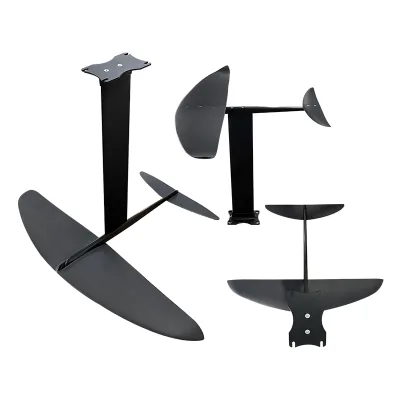
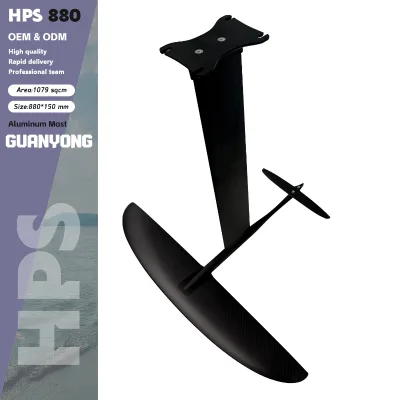
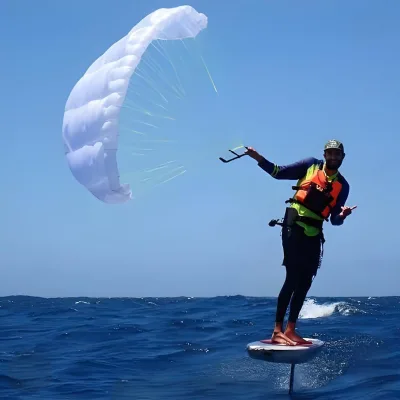
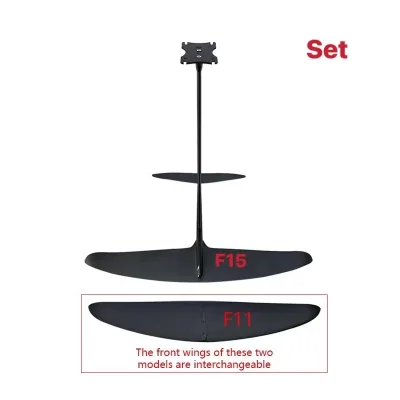
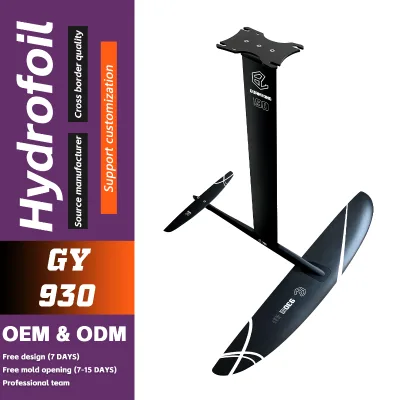
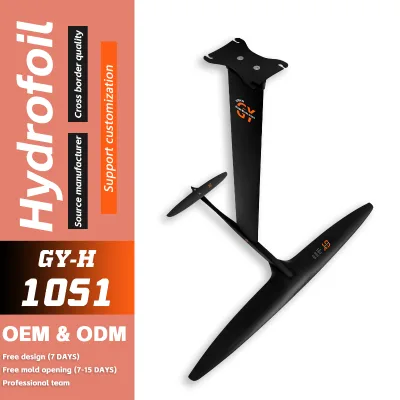


OEM F One Gong Carbon Fiber Wingfoiling Hydrofoil Surfing Sup Foil Wing Foil
$68.80 - $88.80
MOQ: 100 Pieces


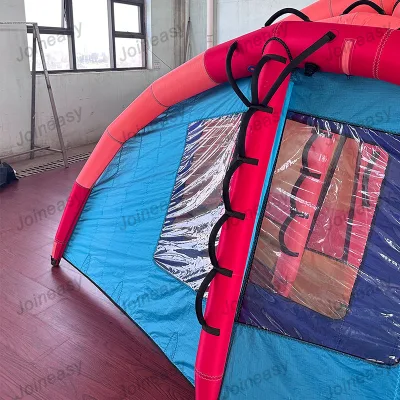
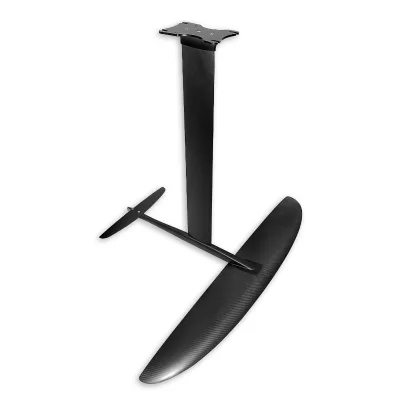
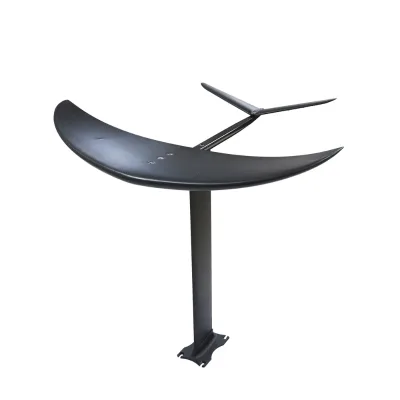
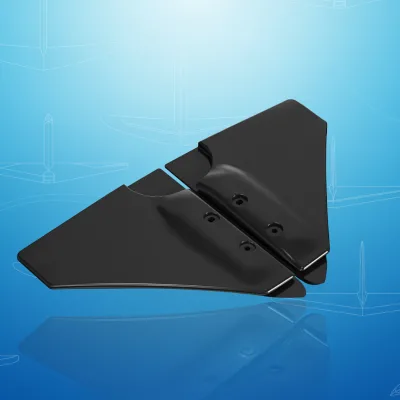

Personal Powered Pedal Hydrofoil Propulsion Skipper Water Bird for Sale
$199.00 - $260.00
MOQ: 1 Pieces

Hydrofoil Efoil Electric Motor Hydrofoil Efoil Surf Board Surfboard
$1000.00 - $10000.00
MOQ: 1 Pieces


Available Stock Factory-Direct Sale Electric Hydrofoil E-Foil 48V High-Thrust Flying Wing
$3188.00 - $3888.00
MOQ: 2 Sets


Intelligent Remote-Control Hydrofoil E-Foil for Ultimate Surfing Experience
$3298.00 - $3988.00
MOQ: 2 Sets

Premium Electric Hydrofoil E-Foil with Underwater Propeller and Easy Handle
$3111.00 - $3788.00
MOQ: 2 Sets

High Quality Top Quality Surf Foil Board Hydrofoil Inflatable Wing Foil Board
$219.00 - $285.00
MOQ: 1 Pieces
Comprehensive Sourcing Guide
Hydrofoil Wing Sourcing Guide
Sourcing hydrofoil wings requires a disciplined approach to balancing performance characteristics with commercial viability, particularly when navigating the diverse landscape of water sports equipment. The market for these components is characterized by a wide variance in materials, ranging from standard drop stitch constructions to high-end full carbon fiber configurations, each serving distinct user profiles and budget constraints. Buyers must recognize that the term "hydrofoil" encompasses a broad category of products, including complete foil boards, standalone wings for gliding, and specialized components for various water sports tools. Understanding the specific application—whether for ocean waters, recreational entertainment, or professional training—is the first critical step in defining procurement requirements. The observed product listings indicate that suppliers cater to both individual consumers and bulk buyers, with some accepting small orders while others focus on customized production runs. This variability necessitates a clear internal strategy to determine whether the procurement goal is rapid prototyping, small-batch retail distribution, or large-scale OEM manufacturing.
The decision-making process must also account for the technical nuances of wing design, such as aspect ratio, surface area, and material composition, which directly impact performance and durability. For instance, full carbon fiber wings offer superior stiffness and weight reduction, making them ideal for high-performance applications, whereas drop stitch materials may provide different buoyancy and cost advantages. Buyers should evaluate the observed model numbers and specifications, such as the PF FOIL01 or Hydrofoil-F4 series, to understand the specific engineering profiles available in the current market. Additionally, the presence of accessories like EVA pads, silk printing, and UV printing options suggests that customization is a significant value driver for many buyers. It is essential to verify whether these aesthetic and functional customizations are standard offerings or require additional lead time and cost implications. By aligning technical specifications with commercial terms, buyers can mitigate risks associated with mismatched product expectations and ensure that the sourced components meet the intended operational standards.
Product Scope and Observed Listing Signals
The current market signals indicate a broad spectrum of hydrofoil products, ranging from complete boards with carbon fiber and aluminum frames to standalone wings made from nylon or full carbon materials. Listings show model numbers such as PF FOIL01, Hydrofoil-F4/75, and Hydrofoil F11 Full carbon, suggesting that suppliers offer a tiered product portfolio to address different performance needs. The material composition is a key differentiator, with some products utilizing drop stitch construction for specific structural properties, while others emphasize full carbon fiber for lightweight performance. The observed weight ranges, including an 8kg unit for a full carbon model and a 1.5kg unit for a nylon wing, highlight the significant variance in product density and intended use cases. Buyers should carefully distinguish between complete hydrofoil systems and individual wing components, as the sourcing strategy and technical verification requirements will differ substantially between these categories.
Commercial signals from the listings reveal that suppliers are flexible in their order quantities, with some accepting minimum order quantities (MOQ) as low as one piece, which is advantageous for sampling and small-scale testing. The observed price range spans from $0.88 to $10,000, reflecting the vast difference between basic accessories and high-end, full-carbon performance wings. Packaging details, such as 7-layer corrugated cartons and single package sizes like 113x33x20 cm for larger units, provide insight into the logistical considerations for shipping and storage. The availability of customization options, including joint EVA pads, silk printing, and UV printing, indicates that many suppliers are equipped to handle branded or specialized orders. Buyers should use these signals to gauge the supplier's capacity for both standard and customized production, ensuring that the chosen partner can meet specific branding or technical requirements without compromising on quality or delivery timelines.
Technical Specifications to Verify
When evaluating hydrofoil wings, the primary technical focus should be on material integrity and structural design, as these factors directly influence performance and longevity. Buyers must verify the specific grade of carbon fiber used in full carbon models, as not all carbon materials offer the same stiffness-to-weight ratio. For products listing "Full carbon" as a material, it is crucial to confirm whether the construction involves monocoque molding or layered layup techniques, as this affects durability and repairability. Similarly, for drop stitch materials, the density and layer count should be assessed to ensure adequate pressure resistance and shape retention. The frame material, often a combination of carbon fiber and aluminum in complete boards, should be inspected for corrosion resistance and joint strength, particularly for products intended for ocean water use where salt exposure is a constant factor.
Dimensional specifications and weight are also critical verification points, as they impact handling and performance characteristics. Buyers should request detailed single package sizes and gross weights to accurately calculate shipping costs and storage requirements. For example, a wing with a single package size of 45x15x15 cm and a gross weight of 1.5kg suggests a compact, portable design, whereas larger dimensions indicate a more substantial component. The aspect ratio and surface area of the wing, often implied by model numbers like HPS 880 or 4m sizing, should be cross-referenced with performance data to ensure suitability for the intended water conditions. Additionally, the inclusion of accessories such as bags and specific packaging details should be confirmed to ensure that the product arrives in optimal condition. Verifying these technical details through sample inspection or detailed technical datasheets is essential to avoid discrepancies between advertised specifications and actual product performance.
Compliance and Safety Documentation
Compliance with international safety and ethical standards is a non-negotiable aspect of sourcing hydrofoil equipment, particularly for products used in recreational and professional water sports. Buyers should prioritize suppliers who hold recognized certifications such as CE and BSCI, as these indicate adherence to European safety standards and ethical labor practices, respectively. The CE mark is particularly important for products sold in the European market, as it certifies that the product meets health, safety, and environmental protection standards. BSCI certification, on the other hand, provides assurance regarding social compliance in the supply chain, which is increasingly important for brands focused on corporate social responsibility. Buyers should request valid certificates and verify their authenticity through the issuing bodies to ensure that the supplier maintains ongoing compliance rather than relying on outdated or fraudulent documentation.
Beyond certifications, buyers should inquire about specific product testing and quality assurance protocols, although explicit test results were not provided in the observed listings. It is advisable to ask for internal quality control reports, material safety data sheets (MSDS), and any relevant industry-specific standards that the supplier adheres to. For products intended for ocean water use, corrosion resistance testing and material durability assessments should be part of the supplier's quality control process. Buyers should also verify that the packaging materials used, such as 7-layer corrugated cartons, meet environmental regulations if sustainability is a key procurement criterion. Establishing a clear requirement for compliance documentation early in the sourcing process helps mitigate legal and reputational risks, ensuring that the sourced products can be legally marketed and safely used by end consumers.
Cost Drivers and Commercial Terms
The cost of hydrofoil wings is influenced by several key drivers, including material selection, manufacturing complexity, and customization requirements. Full carbon fiber models typically command higher prices due to the expensive raw materials and labor-intensive manufacturing processes involved in achieving high stiffness and low weight. In contrast, products using drop stitch or nylon materials may offer more competitive pricing, making them suitable for budget-conscious buyers or entry-level markets. Buyers should analyze the price range of $0.88 to $10,000 to understand the value proposition of different product tiers, recognizing that lower prices may correlate with reduced performance or durability. It is essential to request detailed quotations that break down costs by material, labor, and overhead to identify potential areas for negotiation or cost optimization.
Commercial terms, including MOQ, lead times, and payment conditions, play a significant role in the overall procurement strategy. The observed MOQ of 1 piece for some suppliers offers flexibility for sampling and small orders, while larger MOQs may be required for customized production runs. Lead times, such as the 7-day delivery time and 7-10 day sampling time mentioned in some listings, should be factored into inventory planning and order scheduling. Buyers should negotiate clear terms regarding packaging, shipping responsibilities, and return policies to avoid unexpected costs. Additionally, the availability of customization options, such as silk printing and UV printing, may incur additional fees and extend lead times. By understanding these commercial dynamics, buyers can structure agreements that balance cost efficiency with operational flexibility, ensuring a smooth procurement process from order placement to delivery.
Supplier Qualification and Quality Control
Supplier qualification is a critical step in ensuring the reliability and consistency of Hydrofoil Wing procurement. Buyers should conduct thorough due diligence on potential suppliers, verifying their business licenses, manufacturing capabilities, and track record in the water sports industry. The origin of the products, primarily China in the observed listings, should be assessed for its impact on logistics, communication, and quality control standards. Buyers should request factory audits or third-party inspection reports to evaluate the supplier's production environment, quality management systems, and workforce conditions. This due diligence helps identify potential risks related to production capacity, technical expertise, and ethical compliance, ensuring that the supplier can meet the buyer's requirements consistently.
Quality control measures should be established as a core component of the procurement agreement, with clear specifications for incoming inspections and final product checks. Buyers should define acceptance criteria for material quality, dimensional accuracy, and cosmetic finish, ensuring that these standards are communicated clearly to the supplier. The use of standardized packaging, such as 7-layer corrugated cartons, should be verified to protect products during transit and minimize damage. Buyers should also consider implementing a sampling process, leveraging the 7-10 day sampling time offered by some suppliers, to validate product quality before committing to larger orders. By establishing robust quality control protocols and maintaining open communication with suppliers, buyers can mitigate the risk of receiving substandard products and ensure that the sourced hydrofoil wings meet the expected performance and safety standards.
Long-Term Procurement Checks
Long-term procurement success depends on continuous monitoring of supplier performance and market dynamics. Buyers should establish key performance indicators (KPIs) to track supplier reliability, including on-time delivery rates, product defect rates, and responsiveness to issues. Regular performance reviews should be conducted to identify areas for improvement and to reinforce high standards of quality and service. The evolving nature of water sports technology means that buyers must stay informed about new materials, designs, and regulatory changes that may impact product sourcing. By maintaining a proactive approach to supplier management, buyers can adapt to market changes and ensure a steady supply of high-quality hydrofoil wings.
Additionally, buyers should consider developing strategic relationships with multiple suppliers to mitigate supply chain risks and enhance bargaining power. Diversifying the supplier base can provide flexibility in case of production disruptions or quality issues with a primary supplier. Buyers should also explore opportunities for collaborative innovation, working with suppliers to develop customized products that meet specific market demands. By focusing on long-term partnership building and continuous improvement, buyers can create a resilient and efficient procurement system that supports their business goals and delivers value to end consumers. This strategic approach ensures that the sourcing of hydrofoil wings remains a competitive advantage rather than a logistical burden.
FAQs
What materials are used for hydrofoil wings?
Hydrofoil wings are constructed from full carbon fiber or a combination of carbon fiber and aluminum. Some models also utilize drop stitch materials for the board surface, ensuring durability and performance in water sports applications.
Can I order small quantities of hydrofoil wings?
Yes, small orders are accepted with a minimum order quantity of just one piece. This flexibility allows buyers to test products before committing to larger bulk purchases for their water sports inventory needs.
How long does it take to receive samples?
Sampling time typically ranges from seven to ten days for production. This period allows manufacturers to prepare customized units while maintaining quality standards before the final delivery to the buyer.
Which certifications do hydrofoil wings hold?
Certified hydrofoil wings often carry CE and BSCI certifications to ensure safety and ethical manufacturing standards. These documents verify that the products meet international requirements for water sports equipment sold globally.
What is the lead time for delivery?
The standard delivery time for these products is seven days after order confirmation. This rapid turnaround supports urgent procurement needs for water sports retailers and event organizers requiring quick stock replenishment.
Are customization options available for hydrofoil wings?
Customization is available for various product attributes including patterns and specifications. Buyers can request specific designs like joint EVA pads or silk printing to match their brand identity and market preferences.
What is the packaging for hydrofoil wings?
Products are packed in seven-layer corrugated cartons to ensure safe transport. Accessories such as bags are included to protect the wings and provide convenient storage for users during water activities.