Source Hydroponic Plant Led Grow Light for Indoor Gardens
Find 30 verified Hydroponic Plant Led Grow Light options from Guangdong suppliers. Compare full spectrum LED models with IP54 ratings, aluminum alloy construction, and smart timer features for indoor greenhouse and soilless cultivation projects; compare the available evidence and request quotations based on your requirements.
Key considerations
Products List
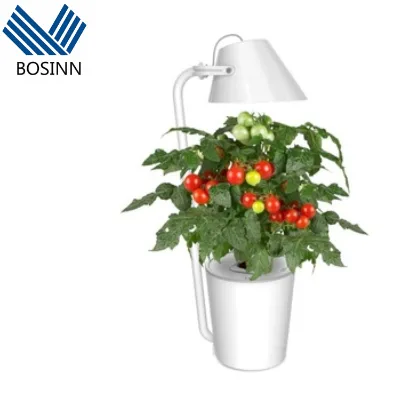

Hydroponics Growing System Cultivation with Intelligent LED Grow Light
$648.50 - $958.50
MOQ: 1 Pieces


Smart Hydroponics Planter Indoor Gardening Soilless Culture Growing System
$648.50 - $958.50
MOQ: 1 Pieces


Mini Hydroponics Indoor Hydroponics Plant Growing Soilless Culture System
$648.50 - $958.50
MOQ: 1 Pieces

Agricultural Greenhouse LED Grow Lights Hydroponics Soilless Culture
$5.00 - $25.00
MOQ: 500 Square Meters


Reinfa Best-Selling Vertical Hydroponic System Wtih LED Grow Light for Indoor Growers
$180.00 - $220.00
MOQ: 10 Square Meters

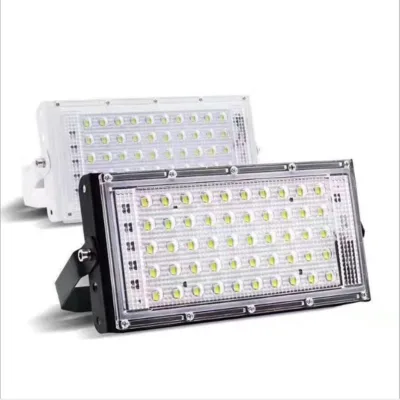

Indoor Vertical Multi Layers Hydroponic Grow Kit with LED Growing Light
$199.00 - $229.00
MOQ: 10 Sets


Bundle Ingarden Beige LED Lights Garden Planter Hydroponics Green House Microgreens Growing Kit
$24.60 - $37.50
MOQ: 1000 Pieces


Wholesale LED Grow Light Hydroponic for Hydroponic Nft and Gutter Hydroponics
$2.10 - $2.30
MOQ: 1000 Meters


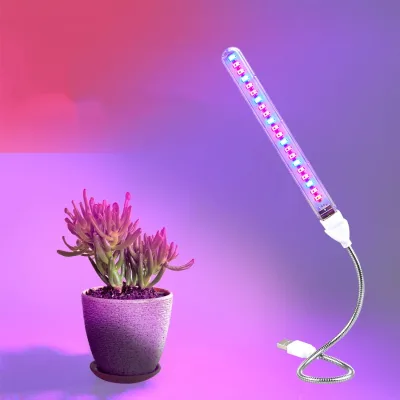


Comprehensive Sourcing Guide
Hydroponic Plant Led Grow Light Sourcing Guide
Buyers evaluating hydroponic plant LED grow lights must first distinguish between simple illumination units and integrated cultivation systems. The market offers distinct variations, ranging from standalone desktop lamps designed for small-scale indoor gardens to large vertical hydroponic systems capable of supporting hundreds of plants. Understanding this distinction is critical, as the former typically serves hobbyists or research labs, while the latter targets commercial greenhouse production and large-scale vegetable farming.
Procurement decisions should also account for the specific lighting solutions provided by the manufacturer. Some suppliers offer comprehensive services including lighting and circuitry design, which can be essential for customizing the spectral output to match specific crop requirements. Buyers must verify whether the product is a generic off-the-shelf item or a customized solution, as this significantly impacts the complexity of the integration process and the long-term viability of the installation.
Product Scope and Observed Listing Signals
The observed product range includes desktop grow lights with intelligent hydroponic planter features, as well as larger vertical systems designed for soilless cultivation. Listings indicate a diverse array of applications, from indoor gardens and greenhouses to specific hydroponic vegetable and flower planting setups. Buyers should note that while some units are marketed as eco-friendly with no soil or heavy metal contamination, others emphasize structural stability and intelligent features like self-watering pots with timers.
Material composition and physical dimensions vary significantly across the catalog, influencing both shipping costs and installation logistics. Common materials include aluminum alloy and PC for lamp bodies, while larger systems may utilize film covers and carton packaging with dimensions ranging from compact desktop sizes to substantial units measuring over 800mm in width. Buyers must carefully review single package sizes and gross weights, as these factors directly affect freight calculations and warehouse handling requirements for different order volumes.
Technical Specifications to Verify
Lighting performance is a primary consideration, with observed specifications including full spectrum emission and specific luminous efficacy values. Buyers should verify the PPFD values, which typically range between 150 and 250 μmol/(m²·s) for certain models, ensuring the light intensity meets the photosynthetic needs of the target crops. The spectral composition often includes VEG, BLOOM, and COB configurations, which are critical for supporting different growth stages of hydroponic plants effectively.
Electrical and environmental parameters require strict validation to ensure system reliability and safety. Input voltage options may include AC220-240V for adapter versions or DC5V for USB-powered units, necessitating a check against local power infrastructure. Additionally, the operating temperature range of -20 to 65℃ and IP54 rating indicate the unit's resilience to environmental conditions, which is vital for maintaining consistent performance in varying indoor greenhouse climates.
Compliance and Safety Documentation
Safety compliance for electrical components in hydroponic environments is paramount, particularly given the proximity of water and electricity. While specific certification statuses like UL 8800 are noted in background data, buyers must request current, verifiable test reports from the supplier to confirm that the electrical systems meet international safety standards for wet locations. Relying on general claims without documented proof can expose the operation to significant liability and equipment failure risks.
Documentation regarding the product's construction and material safety should also be scrutinized to ensure it aligns with food safety regulations for edible crops. Since these systems are used for growing vegetables and flowers, buyers need assurance that materials such as the aluminum alloy and PC components do not leach harmful substances. Verifying that the product adheres to relevant standards for materials in contact with food or water is a necessary step before finalizing any procurement contract.
Cost Drivers and Commercial Terms
Pricing for hydroponic LED systems is influenced by a wide range of factors, including the complexity of the lighting design, the inclusion of intelligent features like timers, and the scale of the unit. The observed price range is extensive, reflecting the difference between simple desktop lamps and complex vertical cultivation towers. Buyers must analyze the total cost of ownership, considering that higher initial costs for integrated systems may be offset by reduced labor and increased yield efficiency over time.
Commercial terms such as Minimum Order Quantity (MOQ) and customization availability play a crucial role in budgeting and supply chain planning. MOQs can vary from single items to thousands of units, requiring buyers to align their order volume with their immediate needs and storage capacity. Furthermore, the availability of customization options allows for tailored solutions but may introduce additional lead times and costs, which must be factored into the overall procurement strategy and timeline.
Supplier Qualification and Quality Control
Supplier qualification should focus on the manufacturer's ability to provide consistent quality and technical support for complex hydroponic systems. Buyers should verify the supplier's experience in lighting and circuitry design, as this capability often correlates with the reliability of the final product. A supplier with a proven track record in producing units with specific features like self-watering pots and stable structures is better positioned to deliver a system that meets rigorous operational demands.
Quality control processes must be clearly defined to ensure that every unit meets the specified performance criteria. Buyers should request detailed information on the manufacturing standards and inspection protocols used by the supplier, particularly regarding the assembly of electrical components and the durability of the lamp body materials. Establishing a clear quality assurance framework before production begins helps mitigate the risk of receiving defective units that could compromise the entire hydroponic operation.
Long-Term Procurement Checks
Warranty coverage is a critical indicator of the manufacturer's confidence in their product's longevity and performance. The observed warranty period of five years suggests a high level of durability, but buyers must carefully review the terms and conditions to understand what is covered and what constitutes a valid claim. A robust warranty protects the investment against premature failure and ensures that the supplier remains accountable for the product's performance over an extended period.
Ongoing support and the availability of replacement parts are essential for maintaining the operational continuity of hydroponic systems. Buyers should confirm that the supplier offers technical assistance for troubleshooting and has a supply chain capable of providing spare components like lamps or controllers. Ensuring long-term support availability prevents downtime and allows for the efficient scaling of the hydroponic operation as the business grows and requirements evolve.
FAQs
What is the power input for the BOSINN LG033 grow light?
The BOSINN LG033 model supports dual input options for flexible deployment. The adapter version operates on AC220-240V, while the USB version uses DC5V. This versatility allows users to connect the unit to standard wall outlets or portable power banks depending on their indoor garden setup requirements.
How does the IP54 rating benefit indoor hydroponic applications?
An IP54 rating ensures the lighting fixture is protected against dust ingress and water splashes from any direction. This durability is essential for hydroponic environments where humidity levels are consistently high. It prevents moisture damage to internal circuitry, ensuring long-term reliability and safety for continuous operation in greenhouses or indoor gardens.
What spectrum and efficacy does this LED grow light provide?
This unit delivers a full spectrum light output optimized for plant growth stages. It features a luminous efficacy of 32 μmol/J and a PPFD range of 150-250 μmol/(m2·s). The VEG+BLOOM+COB configuration supports comprehensive photosynthesis, making it suitable for various indoor hydroponic vegetables and flowers without soil contamination.
Can the hydroponic planter lamp be customized for specific needs?
Yes, customization is available for this intelligent hydroponic planter lamp. Buyers can request tailored lighting and circuitry design services to match specific crop requirements. The product supports various configurations, including different package sizes and structural adjustments, allowing businesses to adapt the solution for unique indoor gardening or commercial greenhouse projects.
What materials are used in the construction of the lamp body?
The lamp body is constructed from a combination of Aluminum Alloy and PC material. This composition provides robust heat dissipation and structural integrity while remaining lightweight. The durable materials ensure the fixture withstands the working temperature range of -20 to 65 degrees Celsius, maintaining performance in diverse indoor environmental conditions.
What warranty coverage is provided for this hydroponic system?
The product comes with a 5-year warranty, reflecting confidence in its durability and performance. This coverage protects buyers against manufacturing defects and ensures long-term support for their hydroponic investments. The warranty applies to the intelligent planter lamp and its components, offering peace of mind for commercial and residential indoor gardeners.