Source i-beam overhead conveyor trolleys for Manufacturing, Power Plants, and Mining
Explore 30 listings for i-beam overhead conveyor trolleys designed for manufacturing plants, power stations, and mining transport. Buyers can compare load capacities ranging from 150kg to 500kg, motor powers, and beam sizes to find the right solution for their production lines.
Key considerations
Products List




Comprehensive Sourcing Guide
Strategic Sourcing Guide for I-Beam Overhead Conveyor Trolleys
The global industrial landscape relies heavily on efficient material handling solutions to maintain production flow and optimize facility space. Among the most versatile systems available are I-beam overhead conveyor trolleys, which provide a robust method for transporting goods along elevated tracks. For procurement professionals, navigating the market for these systems requires a disciplined approach to technical verification, supplier evaluation, and long-term cost analysis. This guide synthesizes observed market data and technical attributes to provide a framework for sourcing reliable overhead conveyor solutions without relying on unverified claims or speculative data.
Technical Specifications and System Architecture
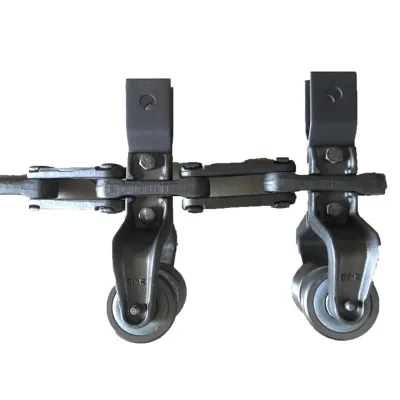
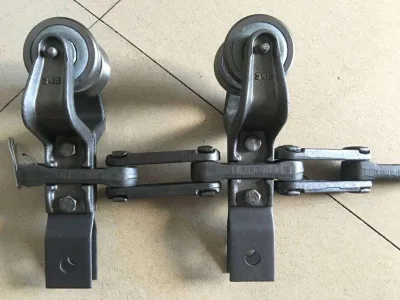
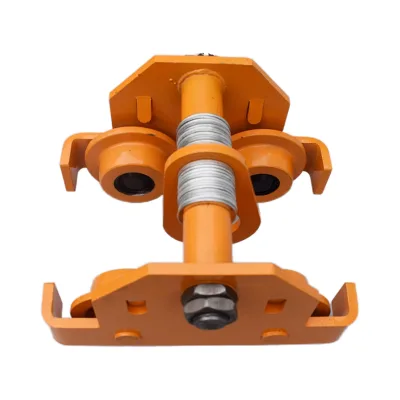
Understanding the precise technical specifications of I-beam overhead conveyor trolleys is the first step in any procurement process. The core of these systems often revolves around the model number and structural compatibility. Market observations indicate that specific model designations, such as X348, X458, and X678, are frequently associated with standardized I-beam trolley configurations. These models often align with specific chain sizes, such as 1/2" x 3/32", which dictates the load-bearing capacity and the type of chain links required for the system.
The physical dimensions of the trolley and the beam it traverses are critical variables. The beam width is a primary determinant of system stability, with observed specifications ranging from 70mm to 90mm. Buyers must verify that the selected trolley is compatible with the existing or planned I-beam infrastructure, as mismatches can lead to operational failures. Furthermore, the width or diameter of the chain components varies, with observed values including 36mm, 40mm, and 64mm. These dimensions influence the smoothness of movement and the friction levels within the system.
Power requirements also vary significantly based on the intended load and speed. Observed power ratings for these systems include 1.1KW, 2.2kW, and 3kw. The selection of the appropriate motor power depends on the total load capacity and the desired speed, which is often adjustable. The load capacity itself is a critical specification, with observed ranges spanning from 100kg to 500kg, and specific configurations supporting up to 400kg or 500kg. Procurement teams must ensure that the selected unit's load capacity exceeds the maximum anticipated load to prevent mechanical stress and premature wear.
Material Composition and Durability Features
The longevity of an overhead conveyor system is directly tied to the materials used in its construction. The primary structural material for these trolleys is often carbon steel, providing the necessary rigidity to support heavy loads. However, specific components may utilize alloy materials, such as 20cr, to enhance strength in high-stress areas like the chain links or bearing assemblies. The belt material, where applicable in the system configuration, is frequently rubber, chosen for its grip and ability to dampen vibration.
Durability is a key selling point for these systems, with "Durable" listed as a standard special feature. This attribute is often supported by specific material features, including resistance to fire, heat, and oil. These properties are essential for operations in harsh environments, such as manufacturing plants, power plants, or chemical industries, where exposure to extreme temperatures or corrosive substances is common. The condition of the product is typically listed as "New," indicating that suppliers are providing fresh inventory rather than refurbished units, which reduces the risk of hidden wear and tear.
The color of the trolley is often standardized, with black being a common finish. While this may seem cosmetic, the finish can also indicate the type of coating applied to protect against corrosion. Buyers should verify that the material features align with the specific environmental conditions of their facility. For instance, if the application involves high heat, the heat-resistant properties of the belt or chain material must be confirmed. Similarly, in environments with oil spills, oil-resistant materials are non-negotiable to prevent degradation of the conveyor components.
Compliance, Certification, and Safety Standards
In the realm of industrial procurement, compliance and safety standards are paramount. While specific certification names are not universally asserted for every listed product, buyers must verify that the equipment meets relevant industry safety standards. The "Type1: Normal Standard" and "Type2: Heavy Duty Standard" classifications suggest that there are distinct tiers of equipment designed for different operational intensities. Procurement teams should request documentation confirming that the selected trolley meets the safety requirements for its intended duty cycle.
The origin of the product is a significant factor in compliance. Many observed listings indicate a place of origin in Guangdong, China, a major manufacturing hub. While this location is known for producing a wide range of industrial equipment, buyers should ensure that the manufacturing processes adhere to international quality management systems. The "prod_standard" field often references model numbers like X348, X458, and X678, which serve as internal or industry-specific standards. However, buyers must confirm that these standards align with local regulations in their own jurisdiction, particularly regarding electrical safety and mechanical load limits.
Warranty is another critical aspect of compliance and risk management. A standard warranty period of 1 Year is commonly observed for these systems. This warranty typically covers defects in materials and workmanship. Buyers should carefully review the terms of the warranty to understand what is included and excluded. For example, the "After-sales Service Provided" attribute often notes that no overseas service is provided, which implies that the buyer may need to rely on local third-party maintenance or in-house expertise for repairs. This lack of direct overseas support is a significant consideration for international buyers who must factor in the cost and logistics of local maintenance.
Cost Drivers and Procurement Economics
The cost of I-beam overhead conveyor trolleys is influenced by a complex interplay of factors, including material costs, customization requirements, and system complexity. The observed price range in the market is vast, spanning from 1 USD to 95,000 USD. This wide variance suggests that the final cost is highly dependent on the scale of the order, the specific configuration of the system, and the level of customization required. A single item purchase will have a different cost structure compared to a full system supply.
The "Supply Whole System" attribute indicates that some suppliers offer comprehensive solutions, including the trolleys, tracks, motors, and control systems. Purchasing a complete system can often be more cost-effective than sourcing individual components separately, as it reduces integration risks and ensures compatibility. However, the cost of a full system will naturally be higher than that of a single trolley unit. Buyers must evaluate whether the premium for a complete system is justified by the reduction in engineering and assembly time.
Customization is another major cost driver. The "Customization: Available" attribute suggests that suppliers can tailor the trolleys to specific needs, such as unique beam widths or specialized load capacities. While customization offers flexibility, it often comes with a higher price point and potentially longer lead times. The "Selling Units" attribute, listed as "Single item," implies that the market supports both individual purchases and bulk orders. Buyers should negotiate based on volume, as larger orders often result in better pricing. Additionally, the "prod_packing" attribute, which mentions a wooden case, indicates that packaging costs are factored into the overall price, especially for international shipping.
Typical Applications and Operational Environments
I-beam overhead conveyor trolleys are designed for a wide array of industrial applications, making them a versatile choice for various sectors. The "Applicable Industries" attribute highlights "Manufacturing Plant" as a primary use case. In these environments, the trolleys facilitate the movement of parts between different stages of the production line, optimizing workflow and reducing manual handling. The "Application" field further expands on this, listing "Power Plant," "Mining Transport," "Grain Transport," and "Chemical Industry" as key sectors.
In power plants and chemical industries, the material features of the trolley, such as fire and heat resistance, are particularly valuable. These environments often involve high temperatures and potentially hazardous materials, requiring equipment that can withstand extreme conditions without failing. Similarly, in mining and grain transport, the durability and load capacity of the trolley are critical for moving heavy or bulk materials efficiently. The "Usage" attribute, listed as "hanging," confirms that these systems are designed for overhead operation, which is ideal for freeing up floor space and keeping the production area clear of obstructions.
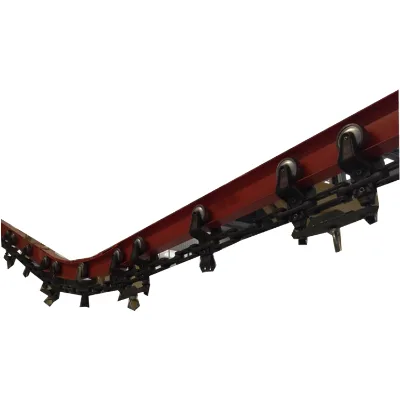
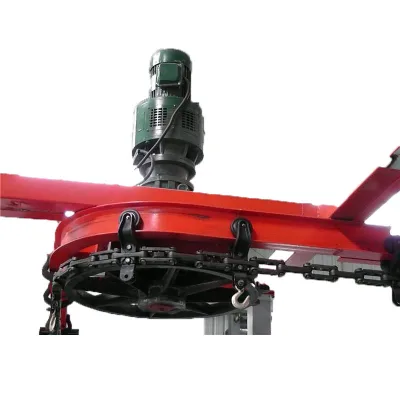
The "Structure" of the system, described as a "Conveyor System" or "Combined Chain," indicates that these trolleys are often part of a larger, integrated network. The "Layer" attribute, specified as "1 Layer," suggests that the basic configuration is a single-level system, though more complex multi-layer setups may be available through customization. Buyers should assess their facility's layout and production requirements to determine if a single-layer system is sufficient or if a more complex arrangement is needed. The "Type" attribute, listing "Overhead Conveyor" and "chain conveyor," reinforces the versatility of these systems in different configurations.
Supplier Evaluation and Quality Control
Evaluating suppliers for I-beam overhead conveyor trolleys requires a rigorous approach to ensure quality and reliability. The "Brand Name" attribute, such as "zhurong," indicates that branding is a factor in the market, but buyers should not rely solely on brand reputation. Instead, they should focus on the specific attributes of the product and the supplier's track record. The "Parts" attribute, mentioning "Beraing" (likely a reference to bearings), highlights the importance of component quality. High-quality bearings are essential for smooth operation and long service life, and buyers should request specifications for these critical components.
Quality control should be a central part of the procurement process. Buyers should verify that the supplier has established quality assurance protocols, including material testing and load testing. The "Condition" attribute, listed as "New," is a basic requirement, but buyers should also request inspection reports or certificates of conformity. The "After-sales Service Provided" attribute, noting the lack of overseas service, is a red flag for international buyers. It suggests that the supplier may not be equipped to handle complex issues remotely, and buyers should consider the availability of local support or the cost of sending technicians to the site.
When evaluating suppliers, buyers should also consider the "prod_model" and "prod_standard" attributes. These specifications provide a baseline for the product's design and manufacturing standards. However, buyers must ensure that these standards are consistent with their own operational requirements. The "Place of Origin" attribute, listing "China" or "Guangdong, China," indicates the manufacturing location. While this region is a major hub for industrial equipment, buyers should verify the specific factory's capabilities and reputation. The "prod_packing" attribute, mentioning a wooden case, suggests that the supplier takes care in packaging, which is important for preventing damage during transit.
Long-Term Procurement and Maintenance Considerations
Long-term procurement of I-beam overhead conveyor trolleys involves more than just the initial purchase; it requires a strategy for maintenance and lifecycle management. The "Warranty" attribute, typically 1 Year, provides a short-term safety net, but buyers should plan for long-term maintenance costs. The "After-sales Service Provided" attribute, noting the absence of overseas service, implies that maintenance will likely be the responsibility of the buyer or a local partner. This necessitates a proactive approach to maintenance, including regular inspections and the stocking of spare parts.
The "Customization: Available" attribute suggests that buyers can tailor the system to their specific needs, which can extend the lifespan of the equipment by ensuring it is used within its optimal parameters. However, customization also means that spare parts may be unique to the system, requiring careful inventory management. The "Material" attributes, such as carbon steel and alloy, indicate that the equipment is built to last, but regular maintenance is still required to prevent corrosion and wear.
Buyers should also consider the "Speed: Adjustable" attribute. This feature allows for flexibility in operation, enabling the system to adapt to changing production demands. However, adjusting the speed may impact the wear and tear on the system, and buyers should establish guidelines for speed adjustments to minimize damage. The "Load Capacity" range, observed from 100kg to 500kg, provides a clear limit for operation. Exceeding these limits can lead to catastrophic failure, so buyers must implement strict load monitoring protocols.
In conclusion, sourcing I-beam overhead conveyor trolleys requires a comprehensive understanding of technical specifications, material properties, and supplier capabilities. By focusing on verified attributes and avoiding unconfirmed claims, buyers can make informed decisions that ensure the reliability and efficiency of their material handling systems. The vast price range and diverse applications of these systems highlight the importance of a tailored approach to procurement, one that aligns with the specific needs and constraints of the buyer's operation.
FAQs
What are the standard load capacities for these trolleys?
Load capacities range from 100kg to 500kg depending on the specific configuration. Some models support 300kg or 400kg, while others are rated for up to 500kg. Buyers must verify the exact capacity against their intended load requirements.
Which beam widths are compatible with the X348 model?
The system supports beam widths of 70mm, 80mm, and 90mm. These dimensions ensure stability for the overhead conveyor structure. Selecting the correct beam width is critical for proper trolley operation and load distribution.
Can the motor power be adjusted for different speeds?
Yes, the motor power options include 1.1KW, 2.2kW, and 3kw to match varying speed needs. The system speed is adjustable to optimize production line flow. Choose the power rating based on the total load and desired throughput.
What material features ensure durability in harsh environments?
The components feature fire, heat, and oil resistance to withstand demanding conditions. The belt material is rubber, and the structure uses carbon steel or alloy. These properties are essential for applications in chemical or power plants.
How is the product packaged for international shipping?
Products are packed in wooden cases to ensure safe transport. This packaging protects the trolleys and components during transit. Buyers should account for this packaging when calculating shipping costs and handling requirements.
What warranty coverage is provided for the conveyor system?
A standard one-year warranty covers defects in materials and workmanship. This warranty applies to new units supplied by the manufacturer. Buyers should note that overseas service is not provided, requiring local maintenance support.
Which industries commonly utilize these overhead conveyor systems?
These systems are widely used in manufacturing plants, power plants, and chemical industries. They also support grain transport and mining operations. The design allows for hanging usage to optimize floor space in various facilities.