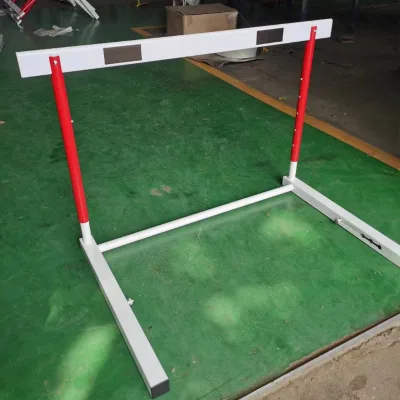
Source IAAF Certified Race Hurdle for Competition Training Drills
Compare 30 IAAF Certified Race Hurdle options from verified Chinese manufacturers. Buyers can evaluate materials like aluminum and steel, adjustable heights, and customization features for professional track and field events.
Key considerations
Products List


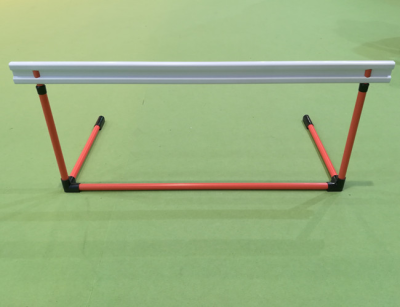
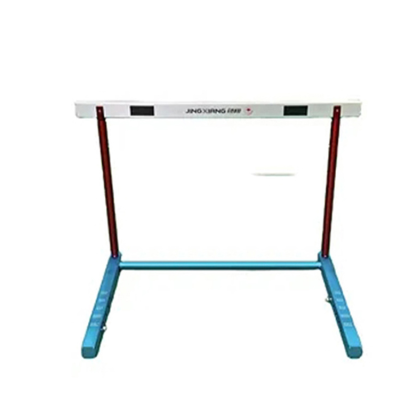
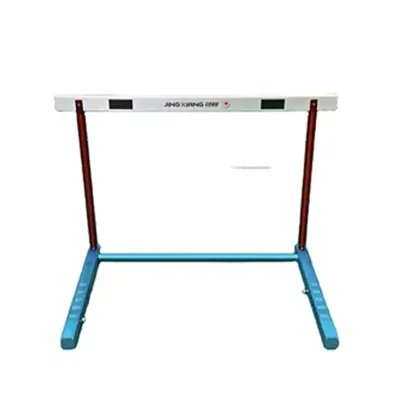
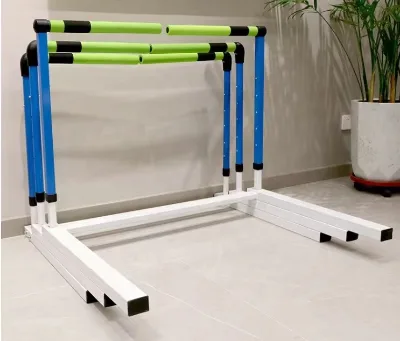
Adjustable Hurdles Training Equipment Track Field Athletics School Sports
$35.00 - $36.00
MOQ: 100 pieces




Comprehensive Sourcing Guide
Strategic Sourcing Guide for IAAF Certified Race Hurdles
Understanding Technical Specifications and Material Integrity
When sourcing race hurdles for professional or competitive environments, the primary focus must be on the technical specifications that ensure athlete safety and performance consistency. The core keyword "IAAF Certified Race Hurdle" implies a product that meets rigorous international standards for track and field events. Based on available market data, these hurdles are constructed from specific materials that dictate their durability and weight distribution. Aluminum (Alu) and Steel are prominent materials observed in high-performance models, offering the necessary structural rigidity to withstand repeated impact during competition. Conversely, for training and agility drills, Polypropylene (PP) and ABS plastics are frequently utilized. These materials provide a lighter alternative that is easier to maneuver for coaching purposes while maintaining the necessary structural integrity for lower-intensity use.
The physical dimensions of the hurdle are critical for compliance. Standard specifications indicate that the overall footprint and height must align with precise measurements to ensure fair competition. For instance, specific models adhere to a standard size of 1198mm x 698mm x 762/838/914/991/1068mm, allowing for adjustable heights to accommodate different race categories. Another common standard observed is 10570(76.2-106.7)cm, which suggests a flexible range for height adjustment. Buyers must verify that the specific model they select offers the exact height range required for their intended event, whether it is for men's or women's competitions. The weight of the hurdle is another vital specification; a typical competitive hurdle may weigh around 10.25kg, ensuring it remains stable during a sprint but can be knocked over safely without causing injury.
Compliance and Certification Verification Protocols
The designation of "IAAF certified" is a critical compliance marker that cannot be taken for granted. In the context of global procurement, IAAF (now World Athletics) certification signifies that the equipment has undergone testing to meet specific international standards for safety and performance. When evaluating potential suppliers, buyers must explicitly request documentation proving that the specific model, such as those identified by model numbers like SAH-ALU or BS-JH01, carries valid certification. The presence of an "Iaaf" certificate attribute in product listings is a strong indicator, but it must be cross-referenced with the actual product documentation.
Compliance is not merely about a label; it involves verifying that the hurdle's design, including the base and the crossbar, meets the friction and stability requirements set by the governing body. The standard "Iaaf" is listed as a product standard for certain models, reinforcing the need for buyers to ensure that the certification applies to the specific configuration being purchased. It is essential to understand that certification is often tied to the manufacturing process and the specific materials used. For example, hurdles made of aluminum with oxidation treatment may have different certification pathways compared to those made of plastic with powder coating. Buyers should never assume that a supplier's general claim of compliance applies to every SKU in their catalog. Verification requires checking the specific model number against the certification body's database or requesting a certificate of conformity that explicitly names the product model.
Cost Drivers and Pricing Structure Analysis
The pricing of race hurdles is influenced by a complex interplay of material costs, manufacturing complexity, and certification status. The observed price range in the market spans from $1.12 to $680, a variance that reflects the difference between basic training equipment and high-end, competition-grade hurdles. The lower end of the spectrum typically corresponds to agility hurdles made from PP plastic, which are lighter and intended for training drills rather than official races. These units often have a lower minimum order quantity (MOQ), ranging from 1 to 500 units, making them accessible for schools and individual coaches.
In contrast, the higher price points are driven by the use of premium materials like aluminum or steel, which require more energy-intensive processing, such as oxidation treatment or powder coating. These hurdles are designed for competition and training, often featuring adjustable heights and robust bases. The cost also includes the expense of obtaining and maintaining IAAF certification, which involves third-party testing and ongoing quality assurance. Buyers should note that customization options, such as OEM branding, customized logos, and specific color schemes (e.g., orange, white, or custom colors), can add to the unit cost. Additionally, the packaging method, such as carton packing with 2PCS/CTN, and the shipping terms (FOB, CIF, CFR) significantly impact the final landed cost. A thorough cost analysis must account for these variables rather than focusing solely on the base unit price.
Typical Applications and Usage Scenarios
Race hurdles serve distinct purposes depending on the intended application, ranging from high-level competition to daily training and agility development. For professional athletes and competitive events, hurdles must be "Suitable for Competition," ensuring they meet the strict requirements of official track meets. These units are typically designed for men and adults, with specific weight and dimension standards that align with IAAF regulations. The adjustable nature of many models, with heights ranging from 50-90cm or specific standard increments, allows them to be configured for various race distances and age groups.
On the other hand, training hurdles offer versatility for coaches and athletes preparing for competition. These are often "Suitable for Training" and may be constructed from durable plastics like PP and ABS. Their primary usage is for drills and training sessions where the focus is on technique, rhythm, and agility rather than strict adherence to competition weight. The "Agility Hurdles" category, for instance, is designed for drills and training, offering a lighter weight (e.g., 5.000 kg single gross weight) that is easier to move and set up frequently. The ability to customize the color and logo makes these units ideal for team branding and identification during practice sessions. Understanding the specific application is crucial; a buyer purchasing for a national team requires different specifications than a school purchasing for general physical education.
Supplier Evaluation and Manufacturing Capabilities
Selecting a reliable supplier for race hurdles requires a deep dive into their manufacturing capabilities and geographical origins. The majority of the observed products originate from China, with specific hubs in Jiangsu and Hebei provinces. These regions have established supply chains for sports equipment, offering a mix of aluminum, steel, and plastic manufacturing expertise. When evaluating suppliers, buyers should look for evidence of OEM (Original Equipment Manufacturer) and ODM capabilities, as many suppliers offer "OEM Welcomed" and "Customized Logo Available" services. This indicates a flexible production line capable of meeting specific branding and design requirements.
The production process is another key evaluation metric. Suppliers utilizing processes like "Oxidation Treatment" for aluminum or "Plastic Spraying, Powder Coatint" for steel and plastic demonstrate a commitment to surface durability and weather resistance. Buyers should verify the supplier's ability to handle customization requests, such as specific board materials (e.g., "New strong Plastic PP") and color variations. The lead time is a critical factor in procurement planning; observed lead times range from 15 to 20 days, which is a standard window for manufacturing and quality checks. Payment terms, typically T/T (Telegraphic Transfer), and shipping terms like FOB, CIF, and CFR, should be clearly defined in the contract to avoid logistical disputes. A supplier's transparency regarding their place of origin and production standards is a strong indicator of reliability.
Quality Control and Long-Term Procurement Considerations
Ensuring the long-term viability of race hurdle procurement involves rigorous quality control measures and strategic planning. The durability of the hurdle is paramount, especially for equipment used in competitive settings. The surface treatment, whether oxidation for aluminum or powder coating for steel, must be inspected for consistency and resistance to chipping or corrosion. For plastic hurdles, the material composition (PP, ABS) must be verified to ensure it does not become brittle under UV exposure or heavy use. The single package size, such as 70X35X35 cm, and the gross weight of 5.000 kg are important for logistics and storage planning, ensuring that the equipment can be safely transported and stored without damage.
Long-term procurement considerations also include the availability of spare parts and the ease of maintenance. Adjustable hurdles, with height ranges from 22 cm to 32 cm or 50-90 cm, require moving parts that must remain functional over time. Buyers should inquire about the warranty and the supplier's track record for providing replacement components. The "Delivery time" of 15-20 days suggests a need for advance planning, especially for events with fixed dates. Furthermore, the "Selling Units" being listed as "Single item" indicates that buyers can purchase individual units, which is beneficial for replacing damaged equipment without needing to buy a full set. By focusing on these quality and logistical factors, buyers can ensure a sustainable supply chain that supports their athletic programs for years to come.
Comparative Analysis of Hurdle Types
To assist in decision-making, it is helpful to compare the different types of hurdles available in the market based on the observed data. The following table summarizes the key differences between competition-grade and training-grade hurdles.
| Feature | Competition Grade (IAAF Certified) | Training / Agility Grade |
|---|---|---|
| Primary Material | Aluminum (Alu), Steel | PP, ABS Plastic |
| Standard Compliance | IAAF Standard (e.g., 1198mm x 698mm) | Variable (e.g., 22-32 cm height) |
| Weight | High (e.g., 10.25kg) | Low (e.g., 5.000kg) |
| Surface Finish | Oxidation Treatment, Powder Coating | Plastic Spraying, Powder Coating |
| Adjustability | Precise (76.2-106.7 cm) | Flexible (50-90 cm) |
| Suitability | Competition, Professional Training | Drills, Agility, General Training |
| Customization | High (OEM, Logo, Color) | High (Logo, Color) |
| Typical Model | SAH-ALU, BS-JH01 | QMH01, GF |
This comparison highlights that while both types serve the track and field ecosystem, they are engineered for different purposes. Competition hurdles prioritize stability and standard compliance, whereas training hurdles prioritize versatility and ease of use. Buyers must align their selection with their specific operational needs to ensure optimal performance and safety.
FAQs
What materials are used for IAAF certified race hurdles?
IAAF certified race hurdles are primarily constructed from aluminum or steel to ensure structural rigidity and safety. These materials support the required weight of 10.25kg and withstand repeated impact during competition while maintaining stability.
Which height standards apply to IAAF certified race hurdles?
Standard specifications require heights ranging from 762mm to 1068mm to accommodate different race categories. Some models offer adjustable heights between 76.2cm and 106.7cm to ensure compliance with official track and field event regulations.
Can I order customized logos on IAAF certified race hurdles?
Yes, customization is available for logos and colors on these hurdles. Suppliers offer OEM services allowing buyers to add customized logos and select specific colors like orange or white to match team branding requirements.
How long is the lead time for IAAF certified race hurdles?
The typical lead time for manufacturing and delivery is approximately 15 to 20 days. This duration accounts for production processes like oxidation treatment or powder coating and ensures quality checks before shipment.
What is the minimum order quantity for IAAF certified race hurdles?
The minimum order quantity ranges from 1 to 500 units depending on the specific model and supplier. This flexibility allows buyers to purchase single items for replacement or larger quantities for team equipment needs.
Where are IAAF certified race hurdles manufactured?
These hurdles are manufactured in China, with specific production hubs located in Jiangsu and Hebei provinces. Buyers can verify the place of origin to ensure the product meets the expected manufacturing standards and logistics requirements.
Are IAAF certified race hurdles suitable for training drills?
While designed for competition, some models are also suitable for training and agility drills. Training variants often use lighter materials like PP plastic to facilitate easier movement during practice sessions while maintaining structural integrity.