Source Iced Out Coffee Bean Ring for Jewelry, Gifts, and Fashion
Find and compare 30 listings for the Iced Out Coffee Bean Ring, featuring options in gold, black, and white stainless steel. Buyers can evaluate custom designs, OEM models like R30071, and various certifications including RoHS and CE for jewelry and gift applications.
Key considerations
Products List
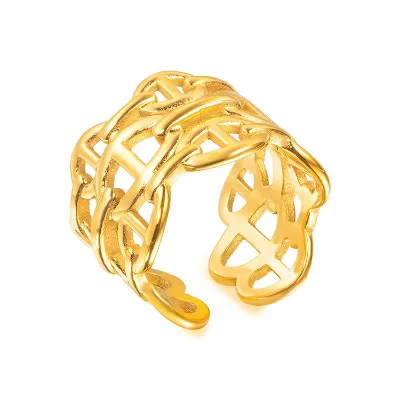


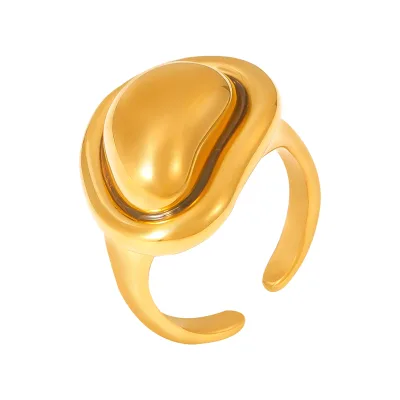
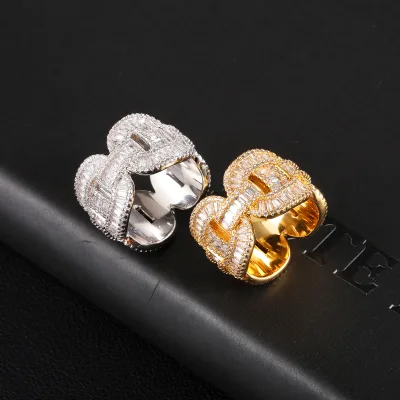


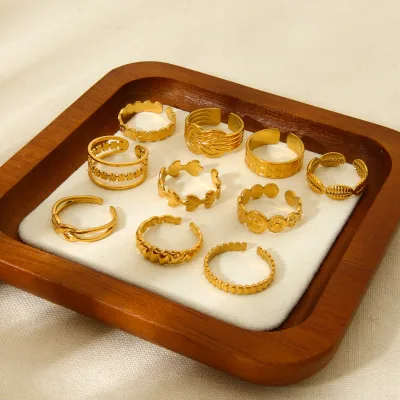


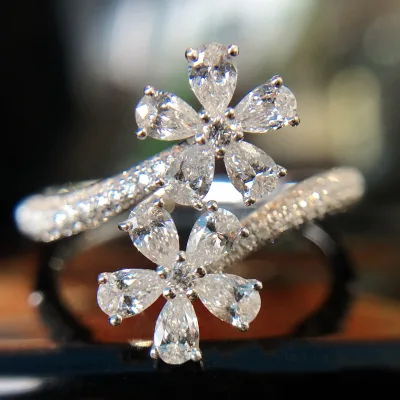

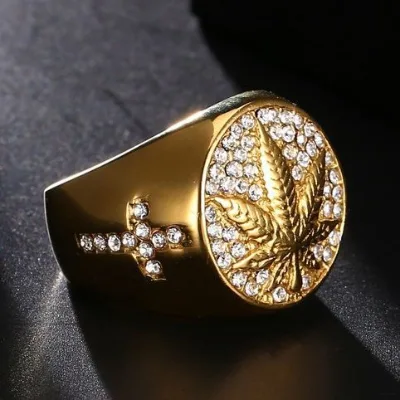


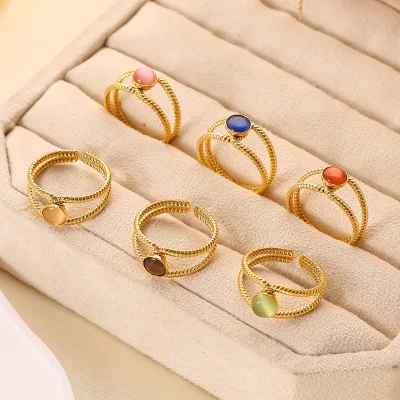

$2.00 - $5.00
MOQ: 1000 Pieces
Comprehensive Sourcing Guide
Iced Out Coffee Bean Ring Sourcing Guide
Sourcing high-quality iced-out coffee bean rings requires a nuanced understanding of the intersection between fashion jewelry aesthetics and industrial manufacturing capabilities. The term "iced out" typically refers to a design style where the surface of the metal is densely set with small, clear stones to mimic the appearance of diamonds, creating a sparkling, luxurious effect. When applied to a coffee bean motif, this style combines streetwear-inspired symbolism with intricate stone-setting techniques. Buyers must recognize that while the visual appeal is driven by fashion trends, the structural integrity and material composition are governed by metallurgical and jewelry-making standards. This guide provides a structured approach to evaluating suppliers, verifying technical specifications, and ensuring compliance with international trade regulations for this specific product category.
The procurement process for these items often involves navigating a complex supply chain that bridges fashion accessories with industrial metal processing. Many suppliers listing these products may also possess capabilities in metal casting, engraving, and spinning machinery parts, indicating a versatile manufacturing base. This dual capability can be advantageous for buyers seeking custom designs, as it suggests the factory has the technical infrastructure to handle both decorative finishing and precise metal forming. However, it also necessitates rigorous due diligence to ensure that the supplier’s primary focus remains on the quality of the final jewelry product rather than treating it as a secondary output of industrial manufacturing.
Product Scope and Observed Listing Signals
The market for iced-out coffee bean rings exhibits a wide range of design variations, with current listings highlighting attributes such as "Trendy," "Creative," and "Retro" styles. Buyers will encounter products described with specific shapes, including round and square profiles, and a variety of colors such as gold, black, and white. These aesthetic choices often dictate the underlying material and finishing processes. For instance, black finishes may involve specialized plating or oxidation techniques, while gold tones typically rely on gold plating over a base metal or solid gold alloys. The "iced out" effect is achieved through precise stone setting, which can range from glue-set stones to more durable prong or bezel settings, depending on the supplier’s craftsmanship level.
Observations from current market data indicate that customization is a standard offering, with many suppliers providing logo services and accepting custom designs. This flexibility allows buyers to create unique brand identities, but it also introduces variability in quality control. The observed product models, such as R30071, R00342, and R30130, suggest that suppliers maintain distinct SKUs for different design iterations. Buyers should note that while some listings mention "No Stone" or "Could Be Changed" stone options, the core appeal of an "iced out" ring lies in the density and quality of the stone setting. Therefore, verifying the actual stone content and setting method is critical, as generic listings may not accurately reflect the final product’s appearance or durability.
Technical Specifications to Verify
Material composition is the most critical technical specification to verify, as it directly impacts the ring’s durability, hypoallergenic properties, and overall value. While some listings mention stainless steel, others may imply base metals with plating. Buyers must confirm whether the core material is solid stainless steel, brass, copper, or silver, and whether the "gold" or "black" finish is a plating, PVD coating, or solid metal. The fabrication process, often listed as polishing, casting, or "Cast Mop Black," significantly influences the surface finish and structural integrity. Casting allows for complex shapes like coffee beans, but it can introduce porosity if not properly controlled. Polishing is essential for achieving the high-shine finish required for an "iced out" look, but excessive polishing can thin the metal and weaken the stone settings.
Ring sizing and standardization are also key technical factors. Listings indicate a range of sizes from US5# to US15#, covering most adult demographics. However, buyers should verify whether the sizing is consistent across batches and whether the supplier adheres to specific standard systems such as Metric, Inch, or specific national standards like BS, ANSI, JIS, GB, GOST, ASTM, or DIN. Although these standards are often associated with industrial machinery, their presence in jewelry listings may indicate a supplier’s broader manufacturing capabilities. For jewelry, it is more important to verify that the ring’s internal diameter matches the specified size within a tight tolerance, typically +/- 0.1mm, to ensure a comfortable fit. Additionally, the packing specifications, such as PE bags, blister packs, or OPP bags, should be evaluated for their ability to protect the delicate stone settings during transit.
Compliance and Safety Documentation
Regulatory compliance is non-negotiable for jewelry imports, particularly concerning material safety and chemical restrictions. Certifications such as RoHS (Restriction of Hazardous Substances) and CE (Conformité Européenne) are frequently cited in supplier listings, indicating adherence to European standards for hazardous substances. RoHS compliance is crucial for ensuring that the metals and plating used do not contain excessive levels of lead, cadmium, mercury, or other harmful substances. Buyers must request valid test reports from accredited laboratories to verify these certifications, as self-declared compliance may not hold up during customs inspections or consumer safety audits. Additionally, if the product is marketed in the United States, compliance with CPSIA (Consumer Product Safety Improvement Act) for lead and phthalate content may be required, depending on the target demographic.
Other relevant certifications may include ISO standards for quality management systems, which indicate a supplier’s commitment to consistent production processes. While not always mandatory for small orders, ISO certification can be a strong indicator of a supplier’s reliability and ability to maintain quality control over large batches. Buyers should also verify that the supplier complies with any specific labeling requirements, such as country of origin markings (e.g., "Made in China") and material composition labels. These labels are often required by law in many jurisdictions and must be accurate to avoid legal penalties and product recalls. Ensuring that all documentation is up-to-date and verifiable is a critical step in mitigating supply chain risks.
Cost Drivers and Commercial Terms
The cost of iced-out coffee bean rings is influenced by several factors, including the base material, the type and quality of stones, the complexity of the design, and the finishing processes. Stainless steel is generally more cost-effective than precious metals like gold or silver, but the cost of plating and stone setting can add significant value. The "iced out" effect requires a high density of stones, which increases both material costs and labor time. Suppliers may offer different price tiers based on the number of stones used or the type of setting method employed. Buyers should request detailed cost breakdowns to understand how these factors impact the final price and to identify potential areas for cost optimization without compromising quality.
Minimum Order Quantities (MOQs) and payment terms are also significant commercial considerations. Observed MOQs range from 1 to 1000 units, offering flexibility for both small-scale retailers and large distributors. Lower MOQs may come with higher per-unit costs due to setup fees and limited economies of scale. Buyers should negotiate MOQs based on their sales forecasts and storage capacity. Payment terms, such as T/T (Telegraphic Transfer) or L/C (Letter of Credit), should be aligned with the order value and the supplier’s reputation. For new suppliers, it is advisable to start with smaller orders and secure favorable payment terms to mitigate financial risk. Additionally, buyers should clarify who is responsible for shipping costs and import duties, as these can significantly impact the total landed cost.
Supplier Qualification and Quality Control
Supplier qualification involves a thorough assessment of the manufacturer’s capabilities, reputation, and quality control processes. Buyers should verify the supplier’s business license, factory audits, and production capacity. Suppliers located in Shenzhen, China, often benefit from a robust supply chain ecosystem, but this does not guarantee quality. Buyers should request samples to evaluate the craftsmanship, stone setting durability, and finish quality. It is essential to inspect the samples for defects such as loose stones, uneven plating, or rough edges. Additionally, buyers should inquire about the supplier’s quality control procedures, including in-process inspections and final random inspections (FRI).
Communication and responsiveness are also key indicators of a reliable supplier. A qualified supplier should be able to provide clear and timely responses to inquiries, offer technical support for custom designs, and provide transparent updates on production status. Buyers should assess the supplier’s ability to handle issues such as delays, defects, or changes in specifications. Establishing a clear communication channel and documenting all agreements in writing is crucial for maintaining a successful business relationship. Furthermore, buyers should consider the supplier’s experience in exporting to their target market, as this can indicate familiarity with international trade regulations and logistics.
Long-Term Procurement Checks
Long-term procurement success depends on continuous monitoring of supplier performance and market trends. Buyers should establish key performance indicators (KPIs) such as on-time delivery rate, defect rate, and responsiveness to issues. Regular performance reviews should be conducted to identify areas for improvement and to reinforce high standards. Additionally, buyers should stay informed about changes in regulations, material costs, and consumer preferences. The fashion jewelry market is dynamic, with trends shifting rapidly. Buyers should work closely with their suppliers to adapt to these changes, whether through new designs, materials, or packaging options.
Building a resilient supply chain also involves diversifying suppliers and maintaining backup options. Relying on a single supplier can pose significant risks, including production disruptions, quality issues, or price fluctuations. By cultivating relationships with multiple qualified suppliers, buyers can mitigate these risks and ensure continuity of supply. Additionally, buyers should invest in building a strong brand identity and customer loyalty, as this can provide a competitive advantage in the market. Regularly reviewing and updating procurement strategies based on performance data and market insights is essential for long-term success in sourcing iced-out coffee bean rings.
FAQs
What certifications do the rings have?
The rings hold ISOGS, RoHS, and CE certifications. These standards ensure compliance with international safety and quality requirements for metal products used in various applications.
Can I customize the ring design?
Customization is available for these rings. Buyers can request specific designs, logos, or modifications to meet unique requirements while maintaining the original material quality.
What materials are used for the rings?
The rings are primarily made from stainless steel. This material ensures durability and resistance to corrosion, making them suitable for long-term wear and various industrial applications.
What is the minimum order quantity?
The minimum order quantity ranges from 1 to 1000 units. This flexible MOQ allows buyers to place small trial orders or large bulk purchases depending on their needs.
Where are the products manufactured?
The products originate from Shenzhen, China. This location is a major hub for manufacturing, ensuring efficient production and logistics for international buyers seeking these metal items.
What packaging options are available?
Packaging includes PE bags with cartons, blister packing, OPP bags, or PP bags. These options protect the rings during shipping and allow for customized presentation for retail or wholesale.
Are the rings suitable for decoration?
Yes, the rings are designed for decoration and gift purposes. Their creative and trendy styles make them ideal for personal adornment or as promotional items for various events.