Source IgG IgM Tuberculosis Test for clinics, labs, and screening
Compare 30 IgG IgM Tuberculosis Test kits from verified Chinese manufacturers. Buyers can evaluate specifications like accuracy, sterilization methods, and delivery times for early detection needs.
Key considerations
Products List


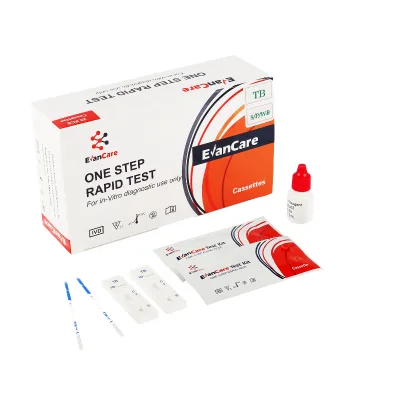


Screening Brucellosis Antibodies Igg/Igm Bacteria Detection Rapid Test Kit
$0.46 - $0.80
MOQ: 3000 Pieces

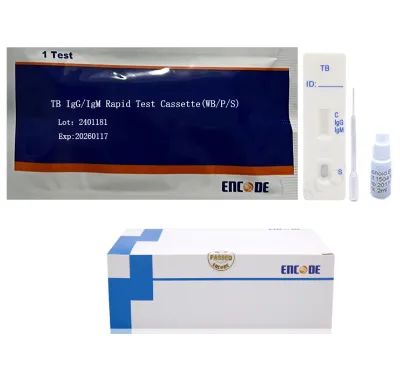
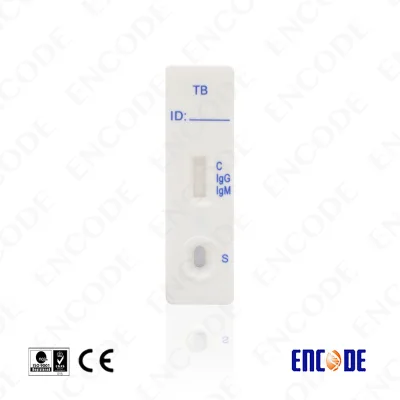


Dengue Fever Combo Ns1 Antigen Igg/Igm Rapid Whole Blood Diagnostic Test
$1.50 - $3.00
MOQ: 5000 Pieces


Comprehensive Sourcing Guide
Strategic Sourcing Guide for IgG IgM Tuberculosis Diagnostic Kits
The global demand for rapid and accurate diagnostic tools has elevated the importance of IgG IgM tuberculosis (TB) test kits in medical supply chains. These kits are designed to detect specific antibodies produced by the human immune system in response to Mycobacterium tuberculosis infection. For procurement professionals, sourcing these devices requires a nuanced understanding of technical specifications, regulatory compliance, and supply chain reliability. The following guide synthesizes available product attributes and industry standards to provide a robust framework for evaluating potential suppliers and securing high-quality inventory.
Technical Specifications and Operational Mechanics
Understanding the underlying technology of the test kit is the first step in defining procurement requirements. The core mechanism for many of these rapid tests relies on the Colloidal Gold Rapid Test method. This technology utilizes gold nanoparticles conjugated to specific antigens to capture antibodies, providing a visual readout without the need for complex laboratory equipment. The format of these devices varies, with common configurations including strips, cassettes, and bottle-based systems. For instance, some products are supplied in a "Strip+Bottle" format, while others utilize a "cassette" design with a single pouch and carton packaging.
The operational parameters are critical for field deployment and clinical settings. The reaction time for these rapid tests is typically observed to be between 5 to 10 seconds, allowing for quick screening in high-volume environments. The display method is versatile, supporting both "by Eye" visual inspection and machine-assisted reading, which ensures flexibility for different resource levels. Storage and transport conditions are equally important; the products generally require storage at room temperature, with an operational temperature range of 4 to 30 degrees Celsius. This thermal stability simplifies logistics, reducing the need for expensive cold-chain solutions during transit.
| Feature | Observed Specification | Procurement Implication |
|---|---|---|
| Test Method | Colloidal Gold Rapid Test | Suitable for point-of-care and field screening. |
| Reaction Time | 5-10 Seconds | Enables high-throughput screening workflows. |
| Display Type | Eye or Machine | Offers flexibility for manual or automated reading. |
| Storage Temp | 4-30 Degree | Compatible with standard ambient storage conditions. |
| Format | Strip, Bottle, Cassette | Allows selection based on specific clinical workflow needs. |
Regulatory Compliance and Certification Verification
In the medical device sector, regulatory compliance is non-negotiable. Buyers must verify that suppliers possess valid certifications that align with the target market's requirements. The supplied data indicates that products often carry CE and ISO certifications, which are essential for market access in Europe and many other regions. Some listings also reference FSC (Forest Stewardship Council) certification, which, while relevant to packaging sustainability, should be verified alongside the primary medical device certifications.
Specific standards play a vital role in quality assurance. One observed standard is GB/T18830-2009, which relates to safety standards for medical devices. Additionally, the instrument classification is noted as Class II, indicating a moderate to high risk profile that requires stricter regulatory oversight than Class I devices. Buyers should not assume that all listed products meet these standards; instead, they must request current, valid certificates for each specific batch or model. The presence of a "Quality Guarantee Period" of two years or a "Warranty" of three years suggests a supplier's confidence in their product's durability, but these terms must be explicitly defined in the purchase agreement.
Cost Drivers and Supply Chain Economics
The pricing structure for IgG IgM Tuberculosis Test kits is influenced by several factors, including volume, customization, and packaging complexity. The observed price range in the market spans from 0.01 to 10 USD per unit, a wide variance that reflects differences in packaging, brand, and order quantity. The Minimum Order Quantity (MOQ) can vary significantly, ranging from 1 unit to 50,000 units, offering flexibility for both small clinics and large distributors.
Customization is a key cost driver. Many suppliers offer logo printing and brand customization, which can increase the unit cost but adds value for private-label distributors. The packaging details also impact logistics costs; for example, a single package size of 65x42x38 cm and a single gross weight of 20.000 kg must be factored into freight calculations. Container loading efficiency is another economic consideration, with data suggesting that a 20-foot container can load approximately 550,000 cassettes, while a 40HQ container can load up to 1,650,000 cassettes. Understanding these metrics allows buyers to optimize their shipping costs and inventory levels.
Typical Applications and Clinical Utility
The primary application of these kits is the early detection and screening of tuberculosis. The product name "TB test" and the function "Early Detection" highlight their role in identifying infections before symptoms become severe. The format "Screening" indicates that these tests are ideal for initial triage in high-risk populations, such as those in endemic regions or immunocompromised groups. The target group is specified as "Adult," which narrows the scope of application and informs procurement decisions regarding pediatric versus adult formulations.
The accuracy of these tests is a critical performance metric. Reported accuracy figures in the market data include 99% and 99.7%, though buyers should treat these as observations from specific listings rather than universal guarantees. The "Equipment" attribute noting "by Eye or Machine" suggests that the tests can be used in resource-limited settings where advanced laboratory equipment is unavailable. This versatility makes them valuable for public health initiatives and mobile medical units.
Supplier Evaluation and Reliability Assessment
When evaluating potential suppliers, buyers should look beyond the product listing and assess the supplier's operational capabilities. The "Supply Ability" of 1,000,000 pieces per day indicates a high-volume manufacturing capacity, which is essential for meeting large-scale demand. However, buyers must verify this capacity through audits or site visits to ensure it is sustainable. The "After-sale Service" offering "Online Technical Support" is a positive indicator of supplier commitment, but the depth and availability of this support should be clarified in the contract.
The "Place of Origin" is consistently listed as Jiangsu, China, and the "Port of dispatch" includes major hubs like Shanghai, Ningbo, and Guangzhou. This concentration of manufacturing in a specific region can streamline logistics but also introduces geographic risk. Buyers should diversify their supplier base if possible or ensure that the supplier has robust contingency plans for regional disruptions. The "Delivery Time" of 3-5 days is exceptionally fast, suggesting efficient internal processes, but this should be confirmed against the actual lead time for international shipping.
Quality Control and Long-Term Procurement Considerations
Quality control extends beyond the initial purchase. The "Quality Guarantee Period" of two years and "Warranty" of three years provide a framework for post-purchase support. However, buyers must define the scope of these warranties, including coverage for storage damage, shipping issues, and manufacturing defects. The "Ethylene Oxide Sterilization" attribute confirms that the products are sterile, a critical requirement for medical devices. Buyers should request sterilization validation reports to ensure the process meets international standards.
Long-term procurement requires a focus on consistency and scalability. The "Customization" availability allows for branding, but buyers must ensure that the customization process does not compromise the sterility or accuracy of the test. The "Material" used, Medical Grade ABS Plastic, is a standard choice for durability and safety, but verification of material certificates is recommended. Finally, the "Package" details, such as "Carton" or "Single Pouch + Carton," should be evaluated for their ability to protect the product during long-term storage and transport.
In conclusion, sourcing IgG IgM Tuberculosis Test kits requires a meticulous approach that balances technical specifications, regulatory compliance, and supply chain efficiency. By leveraging the observed data on accuracy, reaction time, and certification, buyers can make informed decisions that ensure the reliability of their diagnostic supply chain. The wide range of MOQs and customization options provides flexibility, but the ultimate success of the procurement depends on rigorous supplier evaluation and clear contractual agreements regarding quality and support.
FAQs
What is the reaction time for these rapid tests?
The reaction time is typically 5 to 10 seconds, enabling quick screening in high-volume environments. This speed supports point-of-care deployment where immediate results are necessary for early detection of tuberculosis infections.
Which certifications do these test kits usually hold?
These kits commonly hold CE and ISO certifications, which are essential for market access in Europe and other regions. Some listings also reference FSC certification for packaging sustainability, though medical device certifications remain the primary compliance requirement.
Can I customize the logo on the test kits?
Yes, customization is available including logo printing for private-label distributors. This service allows buyers to brand the medical grade ABS plastic packaging while maintaining the required sterility and accuracy of the colloidal gold rapid test method.
How accurate are the IgG IgM tuberculosis tests?
Reported accuracy figures in the market data include 99% and 99.7%, though these are observations from specific listings. Buyers should treat these as performance indicators rather than universal guarantees and request validation reports for specific batches.
What is the supply capacity of the manufacturers?
Manufacturers report a supply ability of 1,000,000 pieces per day, indicating high-volume manufacturing capacity. This level of output is essential for meeting large-scale demand but should be verified through audits to ensure sustainability during peak procurement periods.
How long is the delivery time for orders?
The delivery time is listed as 3 to 5 days, suggesting efficient internal processing. However, this timeframe should be confirmed against actual international shipping lead times from major ports like Shanghai, Ningbo, or Guangzhou in Jiangsu, China.
What is the minimum order quantity for these kits?
The minimum order quantity ranges from 1 to 50,000 units, offering flexibility for small clinics and large distributors. This wide variance allows buyers to select order sizes that match their inventory needs without excessive upfront capital requirements.