Source Illuminated Christmas Light Poles for Gardens, Streets, Events
Compare 30 options for Illuminated Christmas Light Poles from verified suppliers. Review specifications including voltage, IP ratings, and customization to find the right solution for outdoor holiday displays.
Key considerations
Products List


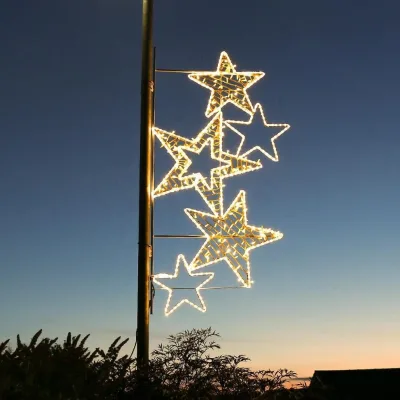
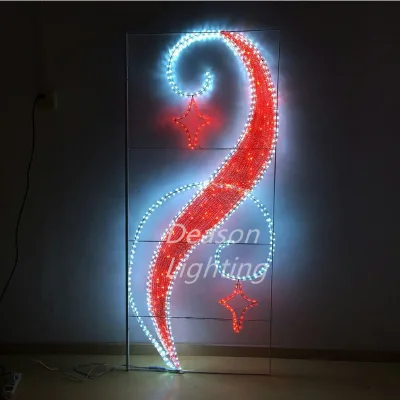
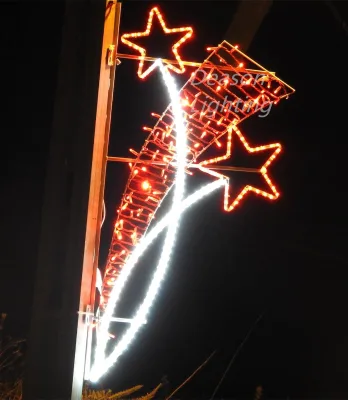
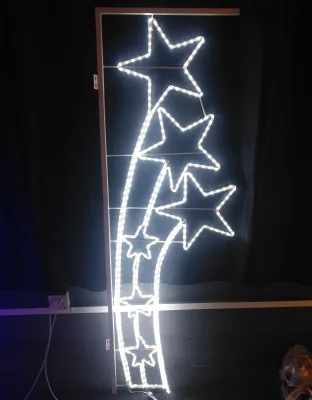


Christmas Decoration Outdoor China Lantern Festival Decorative Light
$4500.00 - $50000.00
MOQ: 1 pieces


Comprehensive Sourcing Guide
Strategic Sourcing Guide for Illuminated Christmas Light Poles
Procuring Illuminated Christmas Light Poles requires a rigorous approach that balances aesthetic appeal with technical reliability and supply chain stability. These structures serve as high-visibility anchors for holiday displays in commercial districts, public parks, and large-scale residential complexes. The sourcing process must move beyond simple visual selection to a detailed evaluation of structural integrity, electrical safety, and environmental durability. Buyers must navigate a market where product definitions often blur between decorative string lights and permanent architectural lighting fixtures. This guide outlines the essential criteria for evaluating suppliers and specifications to ensure a successful procurement cycle for these critical seasonal assets.
Technical Specifications and Structural Integrity
The foundation of any successful installation lies in the precise technical specifications of the light poles. When evaluating potential products, buyers must distinguish between temporary decorative strings and permanent pole-mounted solutions. The core structural element is the frame, which must be robust enough to withstand wind loads and the weight of the lighting elements. In the observed market data, materials such as metal frames combined with LED rope lights and LED string lights are standard configurations. The metal frame provides the necessary rigidity, while the LED components offer energy efficiency and reduced heat generation compared to traditional incandescent options.
Dimensions are a critical factor in the design phase. Specifications often vary significantly based on the intended location and the scale of the display. For instance, certain large-scale decorative units may adhere to standard dimensions such as 606062cm or 655062cm, while smaller, more intricate models might be designed around 20209cm. The length of the lighting elements is equally important; standard configurations may include lengths like 1.05m or 2.10m, with the crucial caveat that these dimensions are often customizable to fit specific site requirements. Buyers should verify that the supplier offers flexibility in length and width to ensure the final product integrates seamlessly with existing infrastructure.
Furthermore, the integration of the lighting system must be seamless. The product should utilize LED string lights that are rated for outdoor use, ensuring that the connection points between the pole and the light strands are secure. The type of light source, often specified as "LED string light" or "LED rope light," dictates the visual output and energy consumption. High-quality units will feature uniform light distribution and color consistency, avoiding the flickering or dimming issues common in lower-grade imports. The physical construction must also account for the weight of the components; for example, similar decorative globes may weigh up to 1.2kg, indicating that the pole structure must support significant loads without bending or collapsing.
Compliance, Certification, and Electrical Safety
Electrical safety is the paramount concern when sourcing illuminated poles, particularly for public installations. The operating environment for these products is often harsh, exposing them to moisture, temperature fluctuations, and physical impact. Therefore, verifying the Ingress Protection (IP) rating is non-negotiable. Market observations indicate that reliable products often carry ratings of IP44 or IP65. An IP44 rating suggests protection against splashing water from any direction, suitable for general outdoor use, while an IP65 rating offers a higher level of protection against dust and low-pressure water jets, making it ideal for areas with heavy rain or snow. Buyers must explicitly request certification documents confirming these ratings rather than relying on general marketing claims.
Voltage compatibility is another critical compliance factor. The global market for lighting often involves products designed for specific voltage ranges, typically 110V to 240V. This wide range allows for versatility in different regions, but it requires careful verification to ensure the product matches the local grid standards. Additionally, the power source must be clearly defined as electric, and the system should include appropriate safety mechanisms such as surge protection and ground fault circuit interrupters (GFCIs) for outdoor applications.
While specific certification statuses like UL 588 or CE are mentioned in broader industry contexts, buyers must treat these as verification targets rather than assumed attributes. The presence of certifications such as BSCI and SGS in the supply chain indicates a commitment to social responsibility and quality management systems, but these do not automatically guarantee electrical safety compliance for every individual unit. Buyers should demand third-party test reports for the specific model number, such as SYDT41 or SSYDT39, to confirm that the electrical components meet the safety standards of the destination country. Relying on general brand names like "EV" without verifying the specific model's compliance can lead to significant liability risks.
Cost Drivers and Pricing Dynamics
The pricing of Illuminated Christmas Light Poles is influenced by a complex interplay of factors, including material costs, customization levels, and order volume. The observed market data reveals a vast price range, from as low as $0.30 to as high as $50,000. This disparity highlights the difference between simple decorative accessories and large-scale, custom-engineered installations. The lower end of the spectrum typically covers small, mass-produced items like basic string light sets or small ornaments, while the upper end encompasses full-scale pole structures with custom engineering, advanced lighting control systems, and professional installation services.
Material composition is a primary driver of cost. Units constructed with a metal frame combined with high-grade LED rope lights and string lights will naturally command a higher price than those using plastic or lower-quality wiring. The complexity of the design also plays a role; products with custom dimensions, such as those requiring specific lengths of 1.05m or 2.10m, often incur additional manufacturing costs. Furthermore, the level of customization requested by the buyer significantly impacts the final price. Suppliers that offer OEM and ODM services can tailor the product to specific branding or design requirements, but this flexibility comes at a premium.
Order volume is another critical determinant. The Minimum Order Quantity (MOQ) ranges from 1 to 2000 units, indicating that suppliers are willing to accommodate both small trial orders and large-scale procurement. However, the unit price typically decreases as the order volume increases. Buyers should be aware that "small orders" are accepted, but the per-unit cost may be higher compared to bulk purchases. Additionally, packaging requirements, such as the use of OPP bags, paper boxes, or brown cartons, can affect the overall cost, especially if specialized packaging is needed to prevent damage during transit.
Typical Applications and Installation Requirements
The application of Illuminated Christmas Light Poles varies widely depending on the setting and the intended visual impact. These structures are commonly deployed in commercial districts, shopping malls, public parks, and large residential developments. In commercial settings, the poles serve as beacons that draw foot traffic and enhance the festive atmosphere. The ability to customize the lighting solutions, including project installation services, makes these products particularly suitable for large-scale events or permanent installations in public spaces.
The application also dictates the required durability and safety features. For indoor applications, the IP rating requirements may be less stringent, but for outdoor use, the product must withstand environmental stressors. The "Christmas street light decoration" category specifically targets outdoor environments where the poles must be visible from a distance and resistant to weather conditions. The integration of lighting solutions often involves not just the pole itself but the entire installation process, including the placement of the poles, the routing of electrical cables, and the final assembly of the lighting elements.
Buyers should consider the logistical aspects of installation. The product origin, often listed as China or specific provinces like Zhejiang and Guangdong, influences the shipping logistics and lead times. The loading port, typically Ningbo Port, is a major hub for such exports, but buyers must account for the time required for customs clearance and inland transportation. The packaging, whether in boxes or cartons, must be designed to protect the poles during transit, especially given the fragile nature of the LED components and the structural integrity of the metal frames.
Supplier Evaluation and Quality Assurance
Evaluating suppliers for Illuminated Christmas Light Poles requires a multi-faceted approach that goes beyond price comparisons. Buyers should prioritize suppliers who demonstrate a clear commitment to quality control and transparency. The presence of certifications like BSCI and SGS is a positive indicator, suggesting that the supplier adheres to international standards for social compliance and quality management. However, these certifications should be verified for the specific facility producing the goods, as they may not apply to all product lines.
The supplier's ability to handle customization is another key evaluation criterion. The market data indicates that customization is available, and OEM/ODM services are acceptable. This flexibility is crucial for buyers who need to align the product with their specific branding or design requirements. Buyers should assess the supplier's responsiveness to customization requests and their ability to provide samples within the stated sample time of 15 days. The sample time is a critical metric for planning the procurement timeline, as delays in sample approval can cascade into delays in mass production.
Quality assurance should also include a review of the supplier's production capacity and lead times. The observed MOQ range of 1 to 2000 units suggests that suppliers can handle both small and large orders, but buyers must confirm the actual lead time for mass production. Payment terms, such as TT, LC, and West Union, offer flexibility but also require careful management to mitigate financial risk. Buyers should establish clear communication channels and request detailed product specifications, including model numbers like SYDT41, SYDT38, and SSYDT39, to ensure that the supplier understands the exact requirements.
Long-Term Procurement and Maintenance Considerations
Long-term procurement success depends on the durability and maintainability of the illuminated poles. Buyers should consider the lifecycle of the product, including the expected lifespan of the LED components and the ease of replacing damaged parts. The use of high-quality materials, such as metal frames and durable LED rope lights, can significantly extend the operational life of the poles. Additionally, the IP rating of the product is a key indicator of its resistance to environmental degradation, ensuring that the poles remain functional and safe over multiple seasons.
Maintenance is another critical aspect of long-term procurement. Buyers should inquire about the availability of spare parts and the ease of replacing components such as LED strings or control units. The packaging and shipping methods should also be evaluated to ensure that the products arrive in pristine condition, minimizing the risk of damage during transit. The use of robust packaging, such as brown cartons or paper boxes, can help protect the poles from impact and moisture.
Finally, buyers should consider the scalability of their procurement strategy. As the demand for illuminated poles grows, the ability to source consistent quality and reliable supply becomes increasingly important. Establishing a long-term relationship with a supplier who can provide consistent quality, flexible customization, and reliable lead times is essential for maintaining a high standard of holiday displays. By focusing on these long-term considerations, buyers can ensure that their investment in Illuminated Christmas Light Poles delivers value and safety for years to come.
Comparative Analysis of Product Attributes
To facilitate a clearer understanding of the market landscape, the following table summarizes key attributes observed across different product models. This comparison highlights the variations in specifications, packaging, and certifications that buyers should consider when selecting a supplier.
| Attribute | Model SYDT41 | Model SYDT38 | Model SYDT42 | Model SSYDT39 |
|---|---|---|---|---|
| Product Name | Christmas Light String | Christmas Snow Globe | Christmas Decorations | Christmas LED Light |
| Material | Not Specified | Not Specified | Plastic | Metal Frame + LED |
| Dimensions | 606062CM | 10.510.520cm | 20209cm | 655062cm |
| Packaging | OPP Bag | Paper Box | Brown Carton | Not Specified |
| Pieces/CTN | 180 | 12PCS/Carton | 30 | Not Specified |
| Certification | BSCI; SGS | Not Specified | Not Specified | Not Specified |
| Origin | China, Zhejiang | China | China | Guangdong, China |
| Customization | Available | Customized | Not Specified | Accepted |
This table underscores the diversity of the market, where products range from simple string lights to complex, multi-component structures. Buyers must carefully match these attributes to their specific project requirements, ensuring that the selected product aligns with their technical, aesthetic, and logistical needs. By leveraging this comparative analysis, buyers can make informed decisions that optimize their procurement strategy and deliver high-quality Illuminated Christmas Light Poles for their intended applications.
FAQs
What customization options are available for these poles?
Customization is available for dimensions and lighting configurations. Suppliers accept OEM and ODM requests to tailor the product to specific branding or design requirements, with sample times typically taking 15 days.
Which certifications do the manufacturers hold?
Suppliers hold BSCI and SGS certifications for social compliance and quality management. Buyers should verify third-party test reports for specific model numbers to ensure electrical safety compliance for their destination country.
Can I order small quantities of these decorations?
Small orders are accepted with a minimum order quantity ranging from 1 to 2000 units. While flexibility exists for trial orders, the per-unit cost may be higher compared to bulk purchases of standard models.
How long does it take to receive a sample?
The sample time is typically 15 days for production and delivery. This timeline is critical for planning the procurement cycle, as delays in sample approval can cascade into delays in mass production scheduling.
What are the standard packaging dimensions for cartons?
Packaging varies by product, with some items packed in boxes of 60*60*62cm and others in brown cartons of 55*45*25cm. The piece count per carton ranges from 12 to 180 units depending on the specific model.
Which IP ratings are available for outdoor use?
Available IP ratings include IP44 and IP65 for protection against water and dust. These ratings ensure durability for outdoor applications, with IP65 offering higher protection against heavy rain and snow conditions.