Source Illuminated Folding Magnifying Glass for reading, repair, and inspection
Find 30 Illuminated Folding Magnifying Glass options with varying magnification and LED features. Buyers can compare specs like lens size, battery type, and foldable dimensions to select the right tool for reading, repair, and inspection tasks.
Key considerations
Products List
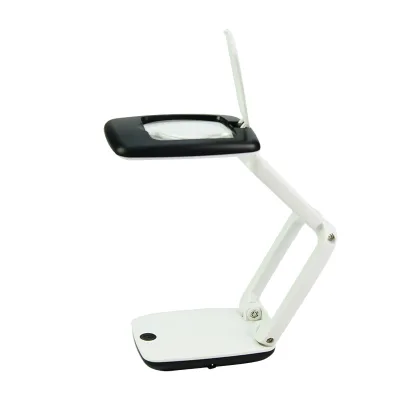
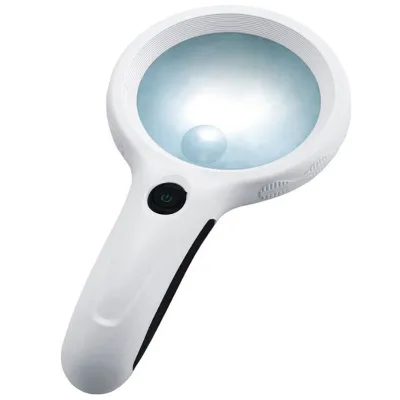
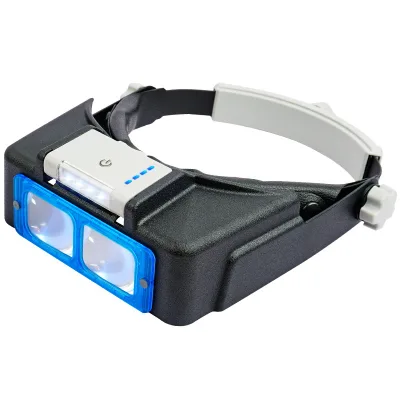
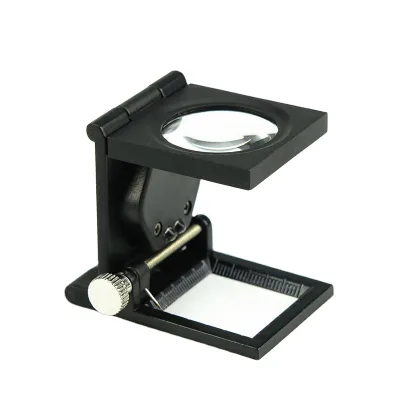
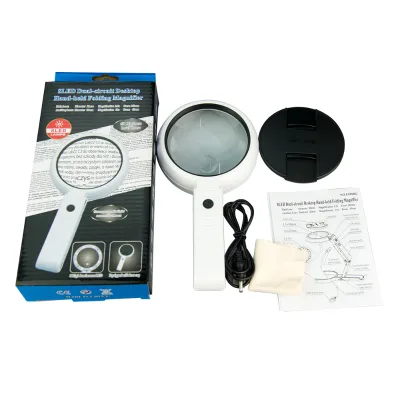
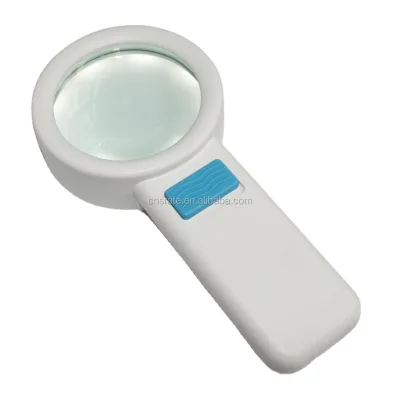


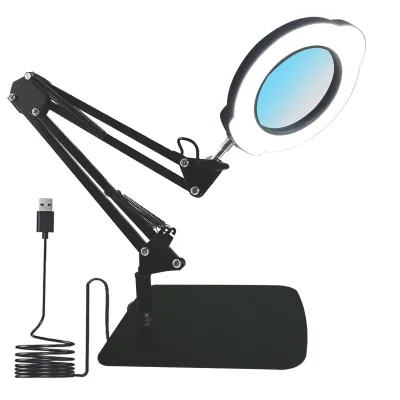
Long Arm Folding Led Magnifying Glass for Students Eye Protection , Reading
$6.16 - $6.94
MOQ: 100 pieces
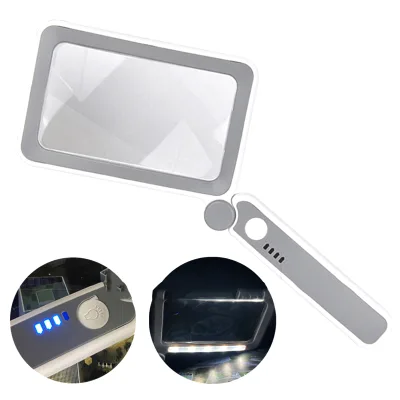
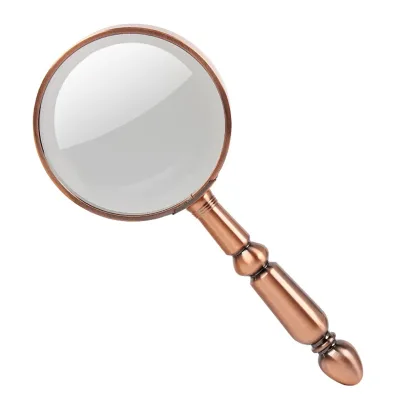


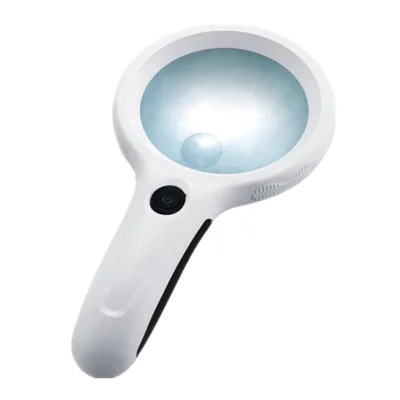
2.5x Plastic Handheld Large Magnifying Glass with LED UV Light (BM-MG4137)
$2.00 - $3.00
MOQ: 360 pieces

Comprehensive Sourcing Guide
Strategic Sourcing Guide for Illuminated Folding Magnifying Glass
The global demand for precision optical tools has driven a surge in the procurement of illuminated folding magnifying glasses. These devices serve as critical instruments for industries ranging from jewelry appraisal and philately to electronics repair and general reading assistance. For B2B buyers, sourcing these items requires a nuanced understanding of technical specifications, supply chain logistics, and quality assurance protocols. This guide provides a comprehensive framework for evaluating suppliers and products, ensuring that procurement decisions are grounded in verifiable data and industry best practices rather than marketing assertions.
Technical Specifications and Optical Performance
When evaluating illuminated folding magnifying glasses, the primary focus must be on the optical clarity and the illumination system. The core functionality relies on the lens material and the magnification power. In the current market, high-quality units typically utilize acrylic lenses housed within durable plastic frames, such as ABS or similar polymers, to ensure a balance between weight and impact resistance. Buyers should verify the specific magnification ratings, which often vary between 3X, 3.5X, and 10X depending on the intended application. A 3X to 3.5X magnification is generally suitable for general reading and inspection tasks, while 10X magnifiers are essential for detailed work like jewelry setting or circuit board repair.
The illumination system is equally critical. Modern folding models frequently integrate LED arrays to provide shadow-free lighting. Specifications observed in the market indicate configurations ranging from 8 to 9 LED lights, often supplemented by a UV lamp for specialized tasks such as detecting counterfeit currency or fluorescent inks. The power source is another key technical variable; many units operate on standard AAA batteries, with configurations requiring either two or three units. It is important to note that in many commercial listings, batteries are not included in the package, a detail that must be factored into the total cost of ownership and logistics planning.
Physical dimensions and portability are defining features of the "folding" category. Foldable designs allow for compact storage, often reducing the package size to approximately 95mm by 70mm when folded. However, unfolded dimensions can vary significantly, with some models measuring up to 215mm in length. The lens diameter, typically ranging from 68mm to 75mm, directly influences the field of view. Buyers must cross-reference these dimensions with their specific workflow requirements to ensure the device offers adequate coverage without being unwieldy.
Compliance, Certification, and Regulatory Standards
Navigating the regulatory landscape is a non-negotiable aspect of international procurement. For electronic devices like illuminated magnifiers, compliance with safety and electromagnetic standards is mandatory for entry into many markets. The European Union, for instance, requires products to meet CE marking requirements, which verify that the product conforms to health, safety, and environmental protection standards. While some suppliers indicate support for CE certification, buyers must independently verify the validity of these claims through official documentation or third-party testing reports before finalizing orders.
Beyond CE, other regional certifications may apply depending on the destination market. For example, products sold in North America may require FCC compliance for electromagnetic interference, while those targeting Japan might need PSE certification. The supply chain documentation should explicitly state the applicable standards. Buyers should request a Declaration of Conformity (DoC) from the supplier, ensuring it covers the specific model number and production batch. It is also prudent to verify that the electrical components, such as the LED drivers and battery compartments, meet the relevant safety standards for low-voltage devices to prevent overheating or electrical hazards.
Cost Drivers and Pricing Dynamics
The pricing of illuminated folding magnifying glasses is influenced by a complex interplay of factors, including material costs, manufacturing complexity, and order volume. The observed price range in the market spans from approximately $0.52 to $198 per unit, a variance that reflects differences in build quality, optical grade, and feature sets. Lower-priced units often utilize standard acrylic lenses and basic LED arrays, while premium models may feature higher-grade optics, more durable housing materials, and advanced lighting configurations.
Order volume plays a pivotal role in cost determination. The Minimum Order Quantity (MOQ) typically ranges from 1 to 1000 units. Smaller MOQs are often associated with higher per-unit costs, whereas bulk orders can significantly reduce the price point. Buyers should also consider the packaging requirements, as custom color boxes or specialized retail packaging can add to the overall cost. Additionally, the inclusion of accessories, such as carrying cases or extra batteries, will impact the final landed cost.
Supply chain logistics, including shipping and duties, must be factored into the total cost analysis. The single package weight and dimensions, which can vary from 0.150 kg to 0.500 kg, affect freight charges. Buyers should request detailed Incoterms to understand who bears the risk and cost during transit. Furthermore, the production capacity of the supplier, often cited as 100,000 pieces per month for established manufacturers, ensures that large orders can be fulfilled without significant delays, stabilizing the cost structure over time.
Typical Applications and Use Cases
The versatility of illuminated folding magnifying glasses makes them suitable for a diverse array of professional and hobbyist applications. In the jewelry industry, these tools are indispensable for inspecting gemstones, identifying inclusions, and setting stones with precision. The combination of high magnification and focused LED lighting allows jewelers to work on intricate details without straining their eyes. Similarly, in the field of philately and numismatics, collectors use these devices to examine the fine details of stamps and coins, verifying authenticity and condition.
Electronics repair and maintenance represent another significant application area. Technicians rely on the high-magnification capabilities to inspect circuit boards, solder joints, and micro-components. The foldable design is particularly advantageous in this context, as it allows for easy storage in toolkits and quick deployment on the workbench. For general consumers and professionals in reading assistance, the 3X to 10X magnification range helps individuals with visual impairments read small print, labels, and documents. The UV lamp feature adds a layer of utility for security professionals who need to verify the authenticity of documents or currency.
Supplier Evaluation and Sourcing Strategy
Selecting the right supplier is critical for ensuring product consistency and reliability. Buyers should prioritize suppliers that offer OEM and ODM support, as this indicates a capacity for customization and scalability. The ability to customize branding, packaging, and specific technical features allows businesses to align the product with their brand identity and market requirements. When evaluating potential partners, buyers should assess the supplier's production location, with many reputable manufacturers operating out of established industrial hubs in China, such as Henan province.
Transparency in communication and documentation is another key evaluation criterion. Suppliers should be willing to provide detailed product specifications, including model numbers, material compositions, and packaging details. Buyers should verify the supplier's ability to maintain consistent quality across batches by requesting samples before placing large orders. It is also essential to confirm the supplier's track record regarding delivery times and after-sales support. A reliable supplier will offer a warranty period, with observed terms ranging from one to three years, demonstrating confidence in their product durability.
Quality Control and Long-Term Procurement Considerations
Implementing a robust quality control (QC) process is essential for mitigating risks associated with mass procurement. Buyers should establish clear acceptance criteria based on the technical specifications provided, including magnification accuracy, LED functionality, and structural integrity of the folding mechanism. Regular inspections during production and pre-shipment audits can help identify defects early, reducing the likelihood of receiving substandard goods. Key areas to inspect include the lens clarity, the alignment of the LED array, and the stability of the battery compartment.
Long-term procurement considerations involve building a sustainable relationship with the supplier. This includes negotiating favorable terms for repeat orders, ensuring consistent supply availability, and maintaining open lines of communication for any product updates or improvements. Buyers should also consider the environmental impact of the product, particularly regarding the materials used and the end-of-life disposal of electronic components. Selecting suppliers who adhere to sustainable manufacturing practices can enhance the brand value of the procured goods.
| Feature Category | Observation Range / Standard | Procurement Verification Point |
|---|---|---|
| Magnification | 3X, 3.5X, 10X | Verify lens markings and field of view |
| Lighting | 8-9 LEDs + 1 UV Lamp | Test LED brightness and UV function |
| Power Source | 2-3 AAA Batteries | Confirm battery inclusion status |
| Material | ABS Plastic, Acrylic Lens | Check for cracks or optical distortion |
| Dimensions | Folded: ~95x70x40mm | Measure physical fit for storage |
| Warranty | 1 to 3 Years | Review warranty terms and coverage |
| Certification | CE Support (Verify) | Request valid DoC and test reports |
By adhering to these guidelines, B2B buyers can navigate the complex landscape of Illuminated Folding Magnifying Glass procurement with confidence. The focus on verified specifications, regulatory compliance, and supplier reliability ensures that the final products meet the rigorous demands of professional applications while maintaining cost-effectiveness and quality standards.
FAQs
What magnification levels are available for these glass units?
Available magnification levels include 3X, 3.5X, and 10X depending on the specific model selected. Buyers should verify the lens markings to ensure the unit meets the precision requirements for tasks like jewelry appraisal or electronics repair.
How many LED lights are typically included in the illumination system?
Most units feature either 8 or 9 LED lights, often supplemented by a single UV lamp for specialized detection tasks. This configuration provides shadow-free lighting essential for detailed inspection work in various professional settings.
Can these devices be customized with OEM or ODM support?
Yes, suppliers offer OEM and ODM support to allow for branding and feature customization. This enables buyers to align the product with their specific market requirements while maintaining the core optical and lighting functionality.
What is the standard warranty period for these magnifying glass products?
Warranty periods typically range from one year to three years depending on the specific manufacturer and model. Buyers should confirm the exact warranty terms before ordering to ensure adequate protection against product defects.
Which battery configuration powers these handheld magnifiers?
These devices generally operate on standard AAA batteries, with configurations requiring either two or three units. It is important to note that batteries are often not included in the package and must be sourced separately.
What materials are used for the lens and frame construction?
The construction typically utilizes ABS plastic for the frame and acrylic for the lens to balance durability with optical clarity. This material combination ensures the device is lightweight yet resistant to impact during regular use.
Do these products support CE certification for international markets?
Some suppliers indicate support for CE certification, which is required for entry into the European Union market. Buyers must independently verify the validity of these claims through official documentation before finalizing any international orders.