Source Imitation Pearl Beaded Bracelet for Fashion, Gifts, and Decor
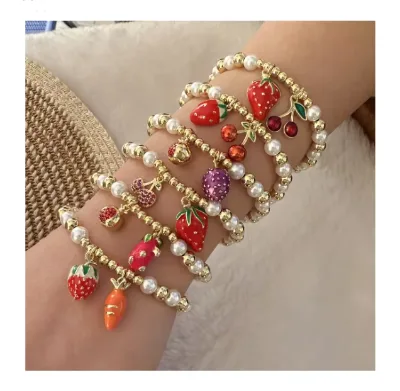
Compare 30 listings of Imitation Pearl Beaded Bracelet options from verified suppliers. Buyers can evaluate materials like copper and silver, customization services, and shipping terms for informal occasions and gifts; compare the available evidence and request quotations based on your requirements.
Key considerations
Products List




Comprehensive Sourcing Guide
Imitation Pearl Beaded Bracelet Sourcing Guide
Sourcing imitation pearl beaded bracelets requires a nuanced understanding of material variations, as the market offers distinct options ranging from simple decorative pieces to more complex health-oriented accessories. Buyers must first distinguish between products intended for pure aesthetic enhancement and those marketed with additional functional claims, such as health benefits, which often involve different material compositions like copper or sterling silver. The observed product landscape includes items suitable for both female and male demographics, indicating that design versatility is a key factor in inventory planning. Procurement teams should evaluate whether the target audience prefers minimalist styles for informal occasions or more intricate designs suitable for formal events, as this distinction directly influences supplier selection and order volume requirements.
The customization landscape for these accessories is highly flexible, with many suppliers offering OEM and ODM services to accommodate specific brand identities. This flexibility extends to packaging, where options range from individual OPP bags to custom carton configurations, allowing buyers to align logistics with their retail or distribution strategies. However, this customization capability must be balanced against minimum order quantities, which can vary significantly depending on the complexity of the design and the materials used. Buyers should assess their capacity to handle larger MOQs if they require unique 3D designs or specific logo placements, while also considering the lead times associated with these bespoke requests to ensure timely delivery for seasonal market demands.
Product Scope and Observed Listing Signals
The current market signals indicate a diverse range of imitation pearl bracelets, with observed price points ranging from $0.27 to $8 per unit, reflecting significant variation in material quality and design complexity. This wide price band suggests that buyers can source basic multicolour pieces for high-volume, low-cost distribution or invest in higher-priced items featuring unique 3D designs and precious metal components like 925 sterling silver. The presence of products with specific model numbers, such as 615734681371 and 624634858181, highlights the importance of precise SKU management when dealing with multiple suppliers. Buyers should use these identifiers to track product consistency and ensure that the specific attributes, such as color and style, match their initial procurement specifications.
Observations also reveal that usage categories extend beyond simple decoration, with some products explicitly marketed for health purposes or as gifts, broadening their appeal to different consumer segments. The inclusion of copper-based items alongside pearl and silver options indicates that buyers should verify the actual material composition of each SKU, as marketing terms can sometimes be ambiguous. Furthermore, the availability of products suitable for elderly consumers or those designed for formal occasions suggests that niche targeting is a viable strategy. Buyers must carefully review product descriptions to ensure that the intended application aligns with their target market, avoiding mismatches between product claims and consumer expectations.
Technical Specifications to Verify
Verifying technical specifications is critical when sourcing imitation pearl bracelets, particularly regarding size and weight, which directly impact comfort and perceived value. Products in the observed listings show a range of standards, from one-size-fits-all designs to specific measurements like 20.2+6.1cm with a weight of 6.1G, indicating that buyers must confirm these details for each SKU. The presence of lightweight items, such as those weighing 0.81G, suggests that material density and bead size can vary significantly, affecting the overall feel and durability of the bracelet. Buyers should request detailed specification sheets from suppliers to ensure that the physical attributes match their quality standards and customer expectations.
Material composition is another key technical aspect that requires rigorous verification, as listings may include products made from pearl, copper, or 925 sterling silver. Buyers must confirm the authenticity of these materials, especially for items claiming to be made from precious metals, to avoid discrepancies in product quality. The observation of unique 3D designs and natural styles indicates that manufacturing processes can vary, potentially affecting the consistency of the final product. Buyers should establish clear acceptance criteria for material purity and design accuracy, ensuring that suppliers can consistently meet these technical requirements across all production batches.
Compliance and Safety Documentation
Compliance and safety documentation are essential for ensuring that imitation pearl bracelets meet regulatory standards in target markets, particularly regarding material safety and chemical content. Some observed products list certifications such as CE, ISO9001, and CNAS, which provide a baseline for quality management and product safety. Buyers should verify the validity of these certifications and ensure that they cover the specific materials used in the bracelets, such as copper or silver, to prevent potential health risks associated with harmful substances. It is crucial to confirm that the certifications are up-to-date and issued by recognized bodies, as this adds credibility to the supplier’s claims and reduces liability for the buyer.
In addition to certifications, buyers should request material safety data sheets and test reports to verify that the products comply with local regulations, such as those concerning lead content or nickel release. This is particularly important for items marketed for health purposes or worn by sensitive groups, such as the elderly. Buyers must ensure that suppliers can provide comprehensive documentation for each SKU, including proof of compliance with relevant standards for jewelry and accessories. By prioritizing suppliers with robust compliance frameworks, buyers can mitigate risks associated with product recalls or regulatory penalties, ensuring a smoother supply chain operation.
Cost Drivers and Commercial Terms
Cost drivers for imitation pearl bracelets include material costs, customization complexity, and order volume, all of which influence the final price and commercial terms. The observed price range of $0.27 to $8 reflects these variables, with higher prices typically associated with unique designs, precious materials, or smaller order quantities. Buyers should analyze the cost structure to understand how factors like OEM/ODM services and custom packaging affect pricing, allowing them to negotiate more effectively with suppliers. Understanding these drivers helps buyers make informed decisions about which products to prioritize based on their margin targets and market positioning.
Commercial terms, including payment methods and delivery times, also play a significant role in the procurement process. Suppliers commonly accept payments via T/T, Western Union, PayPal, and Money Gram, offering flexibility for international transactions. Delivery times are typically within 30-35 days after receiving the deposit, which buyers must factor into their inventory planning to avoid stockouts. Buyers should negotiate clear terms regarding shipping methods, such as DHL, FedEx, or UPS, and ensure that responsibilities for customs clearance and duties are defined. Establishing transparent commercial terms helps prevent disputes and ensures a smooth transaction process from order placement to delivery.
Supplier Qualification and Quality Control
Supplier qualification is a critical step in sourcing imitation pearl bracelets, requiring buyers to assess the supplier’s manufacturing capabilities, quality control processes, and track record. Buyers should verify the supplier’s location, such as Guangzhou, China, and evaluate their experience in producing the specific types of bracelets they intend to source. It is important to check for evidence of consistent production quality, including the ability to maintain design accuracy and material consistency across large orders. Buyers may request samples or conduct factory audits to gain a deeper understanding of the supplier’s operations and ensure they meet the buyer’s standards.
Quality control measures should be clearly defined and agreed upon with the supplier, including inspection protocols for materials, workmanship, and packaging. Buyers should establish acceptance criteria for defects and determine the process for handling non-conforming products, such as returns or replacements. Regular communication with the supplier is essential to address any issues promptly and maintain product quality. By implementing robust quality control practices, buyers can minimize the risk of receiving substandard products and ensure that their customers receive high-quality imitation pearl bracelets that meet their expectations.
Long-Term Procurement Checks
Long-term procurement checks involve continuous monitoring of supplier performance, market trends, and product quality to ensure sustained success in the imitation pearl bracelet market. Buyers should regularly review supplier metrics, such as on-time delivery rates, defect rates, and responsiveness to issues, to identify areas for improvement. It is also important to stay informed about changes in material costs, regulatory requirements, and consumer preferences, which can impact sourcing strategies. By maintaining a proactive approach to supplier management, buyers can adapt to market changes and maintain a competitive edge in their respective segments.
Additionally, buyers should periodically reassess their product portfolio to ensure it aligns with current market demands and customer preferences. This may involve introducing new designs, exploring different materials, or adjusting pricing strategies based on cost fluctuations. Building strong relationships with suppliers can facilitate collaboration on new product development and improve overall supply chain efficiency. By focusing on long-term partnerships and continuous improvement, buyers can create a resilient sourcing strategy that supports their business growth and customer satisfaction in the dynamic jewelry accessory market.
FAQs
What is the typical MOQ for Imitation Pearl Beaded Bracelet orders?
The listed MOQ for these bracelets is 50 pieces, which suits small wholesale buyers and distributors testing new designs. Some listings on the page show MOQs ranging from 10 to 5,000 pieces depending on the model and customization level. Confirm the exact MOQ for your chosen style before placing a trial order, as customized designs may require higher minimums than stock items.
How long does production and delivery take after ordering?
Delivery time is within 30 to 35 days after the supplier receives the deposit. This covers production and preparation before shipment. Actual arrival depends on the shipping method you choose; couriers such as DHL, FedEx, TNT, and UPS are commonly used. Plan your procurement schedule with this lead time in mind, especially for seasonal or event-driven purchases.
Can I customize the design, logo, or packaging of the bracelets?
Yes, customization is available and OEM and ODM services are warmly welcomed. Logos can be customized, and packaging can be done in individual OPP bags plus a carton or according to your specific request. Provide your design files, logo artwork, and packaging requirements early, since custom specifications may affect the quoted price, MOQ, and production lead time.
What materials are used in these beaded bracelets?
The bracelets listed include imitation pearls as the main bead material, with copper used in some models and 925 sterling silver in others. Material choice affects price, durability, and suitability for formal or informal occasions. Ask suppliers to specify the exact materials for each model you are considering, including plating and finish details, so you can match products to your customers expectations.
Which payment methods do suppliers accept for wholesale orders?
Accepted payment methods include T/T, bank transfer, PayPal, Western Union, and Money Gram. T/T is the most common arrangement for larger wholesale orders, often with a deposit balance structure, while PayPal offers more protection for smaller trial purchases. Always agree on payment terms in writing before production begins, and confirm which currency and incoterms apply to your order.
How are the bracelets packed for shipping?
Standard packing is individual OPP bags with products packed into cartons for shipment, and some listings specify double-layer corrugated cartons for added protection. Suppliers can adjust packing according to client request if you need retail-ready packaging or branded bags. Discuss packing requirements before production, since special packaging can influence cost and the overall lead time.
Which occasions and buyers are these bracelets suitable for?
These imitation pearl beaded bracelets suit informal occasions such as parties and engagements, and some styles are designed for formal occasions as well. They are marketed for female buyers in simple or star fashion styles, with some models suited to elderly customers. They are positioned for decoration and gifting, making them suitable for jewelry wholesalers and distributors.
What certifications should I verify before sourcing these bracelets?
One listed product mentions CE, ISO9001, and CNAS certification, but you should not assume every listing carries the same credentials. Request copies of certificates directly from suppliers and verify their validity for the specific models you intend to purchase. Certification matters most for markets with compliance requirements, so confirm which documents your destination market needs before finalizing a supplier.