Source Imitation Cloisonne Metal Badge Pins for gifts, souvenirs, and decoration
Explore 30 listings for Imitation Cloisonne Metal Badge Pins suitable for gifts, souvenirs, and decoration. Buyers can compare attributes like plating, shape, and wearing methods to find the right options for their needs.
Key considerations
Products List


China Manufacturer Personalized Enamel Pins Funnyl Metal Lapel Pins Custom
$0.15 - $0.80
MOQ: 50 Pieces

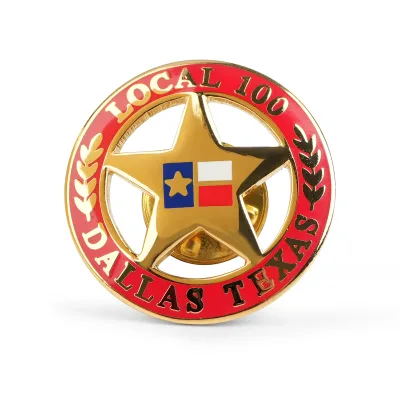


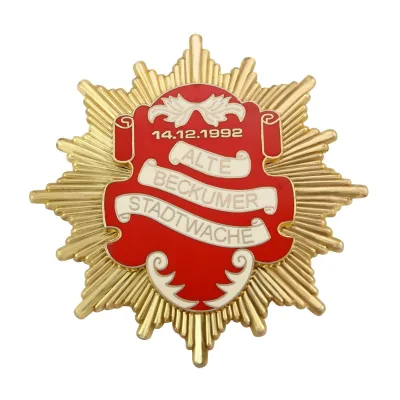
Comprehensive Sourcing Guide
Strategic Sourcing Guide for Imitation Cloisonné Metal Badge Pins
Understanding the Technical Specifications and Material Composition
When sourcing imitation cloisonné metal badge pins, buyers must first establish a clear understanding of the underlying material composition and manufacturing techniques. The product landscape for these items is diverse, yet specific technical attributes define the quality and finish of the final badge. Based on available market data, the primary material utilized for these badges is metal, serving as the structural foundation for the design. This metal base is often subjected to various plating processes to achieve the desired aesthetic and corrosion resistance. Common plating finishes observed in the market include gold and brass, which provide distinct visual tones ranging from bright yellow to a warmer, antique hue.
The manufacturing process is a critical determinant of the badge's character. The term "imitation cloisonné" often refers to a specific visual style where metal wires or ridges separate colored enamel areas, mimicking the traditional Japanese cloisonné technique. However, the production methods vary significantly. Buyers will encounter badges produced through die casting and stamping processes. Die casting allows for complex, three-dimensional shapes, while stamping is often used for flatter, more intricate two-dimensional designs. The surface treatment often involves enamel application, which can be categorized as soft enamel or hard enamel. Soft enamel creates a textured surface where the enamel sits slightly below the metal ridges, whereas hard enamel results in a smooth, flush surface. Additionally, other decorative techniques such as embossing and laser engraving are available to add depth and detail to the logo or design.
The shape of the badge is another variable that requires careful selection. While round shapes are common, the market supports custom shapes that can be tailored to specific organizational logos or thematic requirements. The standard size often cited in specifications is approximately 25mm in diameter, though this is frequently adjustable based on customer design requests. The attachment mechanism is equally important for functionality. Common wearing methods include the butterfly clutch, which is a standard pin-back mechanism, as well as magnetic attachments for those who prefer a non-piercing option. Some designs may also feature shoulder wear or hanging configurations, depending on the intended usage.
Compliance, Certification, and Quality Control Protocols
In the B2B procurement of metal badges, verifying compliance and quality control measures is essential to mitigate risk and ensure product consistency. While specific certification names are not universally standardized for all badge manufacturers, buyers must demand rigorous quality assurance protocols. A high-confidence observation in the current market is the implementation of 100% inspection processes. This means that every single unit produced should undergo a visual and functional check before packaging. This level of scrutiny is vital for maintaining brand reputation, especially when these items are used as promotional gifts or official organization badges.
Buyers should also verify the origin of the products. The majority of these metal badges are manufactured in China, a hub for metalworking and enamel production. Understanding the supply chain origin helps in assessing logistics costs and potential trade compliance issues. Furthermore, the production standards are often customized to meet specific client requirements rather than adhering to a single universal standard. This flexibility allows for tailored solutions but requires clear communication of expectations regarding tolerances and finish quality.
When evaluating suppliers, it is crucial to inquire about their internal quality control (QC) procedures. A supplier claiming "100% Inspection" should be able to demonstrate their process, such as the use of magnification tools to check for enamel bubbles or misalignment. Additionally, the packaging standards play a role in quality preservation. Products are typically packed in individual polybags, with bulk quantities organized in larger bags or boxes. Some suppliers offer premium packaging options, such as velvet boxes or bubble bags, which are essential for protecting the delicate enamel finish during transit. The choice of packaging can significantly impact the perceived value of the badge, particularly when used as a souvenir or a high-end promotional item.
Cost Drivers and Pricing Structure Analysis
The pricing of imitation cloisonné metal badge pins is influenced by a complex interplay of factors, including material costs, manufacturing complexity, and order volume. The observed price range in the current market spans from $0.10 to $1.25 per unit, a wide spectrum that reflects the diversity in design and production methods. Several key drivers contribute to this variance. First, the choice of plating material is a significant cost factor. Gold plating generally commands a higher price point than brass plating due to the raw material costs and the thickness of the plating layer required for durability.
Second, the complexity of the design and the manufacturing technique directly impact the unit cost. Badges produced via die casting, which allows for 3D effects and intricate details, often incur higher tooling and production costs compared to stamped badges. Similarly, the application of hard enamel versus soft enamel can affect pricing, as hard enamel requires additional polishing steps to achieve a smooth surface. The inclusion of special features, such as flashing lights or magnetic attachments, also adds to the overall cost. These features require additional components and assembly time, which are reflected in the final price.
Order volume is another critical determinant of cost. The Minimum Order Quantity (MOQ) typically ranges from 5 to 200 units, with a common industry standard of 100 pieces for custom designs. Buyers who order below the standard MOQ may face higher per-unit costs or may need to accept limited customization options. Conversely, larger orders often benefit from economies of scale, reducing the per-unit price. However, buyers must balance cost savings with the need for inventory management, as large orders tie up capital and storage space.
The following table outlines the primary cost drivers and their potential impact on the final price:
| Cost Driver | Impact on Price | Notes for Buyers |
|---|---|---|
| Plating Material | High | Gold plating is more expensive than brass; verify plating thickness. |
| Manufacturing Process | Medium to High | Die casting and 3D features cost more than simple stamping. |
| Enamel Type | Medium | Hard enamel requires more labor than soft enamel. |
| Order Volume | Variable | MOQs range from 5 to 200; larger orders reduce unit cost. |
| Customization | High | Custom molds and designs incur setup fees and higher unit costs. |
| Packaging | Low to Medium | Standard polybags are cheapest; velvet boxes add cost. |
Typical Applications and Usage Scenarios
Imitation cloisonné metal badge pins serve a wide array of applications, making them a versatile choice for various industries and events. The primary usage categories include gifts, decorations, souvenirs, and promotional items. In the corporate sector, these badges are frequently used as organization badges to identify staff, members, or attendees at conferences and trade shows. The ability to customize the logo and design allows companies to reinforce their brand identity effectively.
Souvenirs are another significant application. Tourist destinations, museums, and cultural events often commission these badges as collectible items. The "imitation cloisonné" style adds a touch of elegance and tradition, making them appealing to collectors. The "modern" age classification suggests that these designs are contemporary and suitable for current fashion trends, appealing to a younger demographic as well.
Promotional gifts are perhaps the most common use case. Companies distribute these badges at marketing events, product launches, or as part of loyalty programs. The "flashing" feature mentioned in some product attributes can be particularly effective for attracting attention at busy trade shows. Additionally, the "magnetic" wearing option is ideal for applications where pinning through fabric is not desirable, such as on leather jackets or delicate materials.
The versatility of these badges extends to their use in commerce and collection. They can be sold as standalone products in retail settings or used as incentives in sales campaigns. The "customized" nature of the product allows for unique designs that can be tailored to specific campaigns or events, ensuring that the badge stands out and resonates with the target audience. Whether used as a "commerce gift" or a "souvenir," the badge serves as a tangible reminder of an experience or a brand affiliation.
Supplier Evaluation and Selection Criteria
Selecting the right supplier is a critical step in the procurement process. Buyers should evaluate potential partners based on their technical capabilities, communication efficiency, and reliability. A key indicator of a capable supplier is their ability to offer "customized" designs. This includes the flexibility to produce custom shapes, logos, and sizes. Suppliers should be able to provide samples that accurately reflect the final product, allowing buyers to verify the quality of the enamel, plating, and attachment mechanisms.
Communication is another vital factor. Suppliers should be responsive and transparent about their production processes, lead times, and pricing structures. The ability to provide detailed specifications, such as the "SJR00224" or "AL_badge_11055" model numbers, indicates a level of organization and professionalism. Buyers should also verify the supplier's payment terms, which commonly include T/T, PayPal, Western Union, L/C, and credit card options. The availability of multiple payment methods suggests flexibility and reliability.
Logistics and shipping capabilities are also important considerations. Suppliers should offer various shipping methods, including sea, air, and express couriers like DHL, FedEx, and UPS. The lead time for sampling is typically 5-7 days, while production lead times range from 12-15 days. Buyers must ensure that the supplier can meet their specific timeline requirements, especially for time-sensitive events. The shipping terms, such as EXW, FOB, CIF, DDP, or DDU, should be clearly defined to avoid any confusion regarding responsibility for freight and customs duties.
Quality Control and Long-Term Procurement Considerations
Ensuring consistent quality is paramount for long-term procurement success. Buyers should implement a robust quality control strategy that includes pre-production sample approval, in-process inspections, and final random inspections. The "100% Inspection" claim by suppliers should be validated through third-party testing or on-site audits if possible. Buyers must also consider the durability of the badges, especially if they are intended for frequent use or outdoor events. The plating thickness and enamel adhesion are critical factors that determine the lifespan of the product.
Long-term procurement considerations involve building a sustainable relationship with the supplier. This includes negotiating favorable terms for repeat orders, establishing clear communication channels for design updates, and ensuring consistent quality across batches. Buyers should also consider the environmental impact of their procurement, looking for suppliers who use eco-friendly materials or processes where possible. The packaging should be designed to minimize waste while protecting the product effectively.
Finally, buyers should remain vigilant about market trends and technological advancements. The "imitation cloisonné" style may evolve, and new materials or techniques may emerge. Staying informed about these developments will allow buyers to make informed decisions and maintain a competitive edge. By focusing on technical specifications, quality control, and supplier reliability, buyers can successfully source high-quality imitation cloisonné metal badge pins that meet their specific needs and expectations.
FAQs
What materials are used for Imitation Cloisonne Metal Badge Pins?
These pins are primarily made of metal, often plated with gold or brass to achieve distinct visual tones. The manufacturing process involves die casting or stamping to create the base structure before applying enamel finishes.
How long does it take to produce custom metal badge pins?
Production typically takes 12 to 15 days for custom orders after sampling is approved. Sampling itself requires 5 to 7 days, with some suppliers offering a 7 to 10 day window for initial sample delivery.
Which attachment methods are available for wearing these badges?
Common wearing methods include butterfly clutches for standard pin-back usage and magnetic attachments for non-piercing options. Some designs also support shoulder wear or hanging configurations depending on the specific product model.
Can I get custom designs for these metal badge pins?
Yes, custom designs are available including custom shapes, logos, and sizes. Suppliers can produce soft enamel, hard enamel, embossed, or laser engraved logos to match specific organizational or promotional requirements.
What is the minimum order quantity for metal badge pins?
The minimum order quantity typically ranges from 5 to 200 pieces, with a common industry standard of 100 pieces for custom designs. Lower MOQs may be available for specific standard items or small sample orders.
How are these badges packaged for shipping and protection?
Products are usually packed in individual polybags with bulk quantities in larger bags or boxes. Premium options include bubble bags, plastic packaging, or velvet boxes to protect the delicate enamel finish during transit.
What payment terms are accepted for sourcing these badges?
Accepted payment methods include T/T, PayPal, Western Union, L/C, and credit cards. Suppliers offer flexible terms to accommodate different buyer needs and ensure secure transactions for international orders.
What quality control measures are applied to these metal badges?
High-quality suppliers implement a 100% inspection process to ensure every unit meets standards before packaging. This rigorous check covers visual defects, enamel alignment, and functional attachment mechanisms to maintain brand reputation.