Source Indoor Freestanding Whirlpool Massage Bathtub for Spas, Homes, Hotels
Compare 30 Indoor Freestanding Whirlpool Massage Bathtub options featuring acrylic construction, various massage functions, and customizable designs. Buyers can evaluate specifications, certifications, and pricing for residential or commercial applications.
Key considerations
Products List


Massage Whirlpool Bathtub SPA Bath Tub Indoor Bathtub Price with Double Waterfall
$368.00 - $419.00
MOQ: 1 Pieces


Hot Relax Whirlpool Bathroom Shower Massage SPA Acrylic Freestanding Bathtub
$200.00 - $500.00
MOQ: 1 Pieces


Massage Bathtub 2 Person Samll Indoor Bathtub Whirlpool SPA Hot Tub for Outdoor
$900.00 - $1500.00
MOQ: 1 Sets

Freestanding Acrylic Massage Bathtub SPA and Whirlpool Bath for 2 People
$300.00 - $744.00
MOQ: 1 Pieces


Massage SPA Control Panels SPA Whirlpool Jacuzzis Rectangular Freestanding Soaking Bathtub
$1350.00 - $2090.00
MOQ: 5 Pieces


Hot Sale Luxurious Massage Bathtub Hot Tub Outdoor SPA Withswim Massage Whirlpool
$3000.00 - $5499.00
MOQ: 1 Pieces




Comprehensive Sourcing Guide
Strategic Sourcing Guide for Indoor Freestanding Whirlpool Massage Bathtubs
Procuring an Indoor Freestanding Whirlpool Massage Bathtub represents a significant investment in both commercial hospitality assets and high-end residential wellness spaces. The market for these fixtures is characterized by a blend of advanced hydro-therapy technology, diverse aesthetic configurations, and complex logistical requirements. Buyers must navigate a landscape where product attributes vary significantly between models, ranging from corner-mounted units to rectangular freestanding structures. This guide provides a disciplined framework for evaluating suppliers, verifying technical specifications, and ensuring long-term value without relying on unverified marketing claims.
Technical Specifications and Structural Configuration
The foundation of a successful procurement strategy lies in a precise understanding of the physical and functional specifications of the bathtub. The term "freestanding" often implies a specific installation type, yet the data indicates a complex market where "Freestanding Tub" and "Undermount" installation types may appear in different product lines or contexts. Buyers must explicitly verify the installation method required for their specific site conditions. The structural integrity of these units is often defined by the material composition, with acrylic being a primary material observed in the supply chain due to its durability and ease of molding into complex shapes.
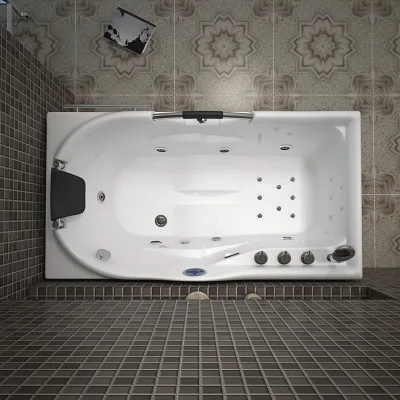
Shape and dimensions are critical variables that dictate spatial planning. The market offers a spectrum of geometries, including rectangular and curved profiles. Dimensions vary widely to accommodate different bathroom footprints, with observed standard sizes ranging from compact units like 1350x1350x680mm to larger configurations such as 1800x1200x650mm. The drain location is another pivotal specification; while some units are designed for corner placement to maximize space efficiency, others feature a center drain configuration. Buyers should cross-reference the drain location with their plumbing infrastructure to avoid costly retrofitting.
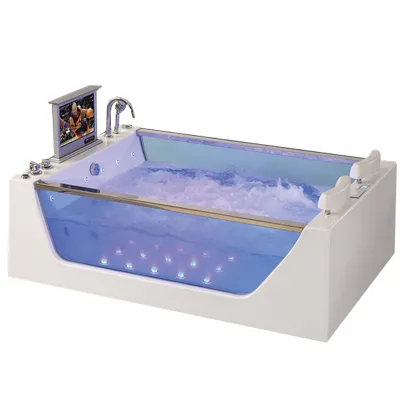
The massage functionality is a core differentiator in this category. Advanced models feature a combination of jet types designed to target specific muscle groups, including back, hip, leg, foot, and full-body massage zones. The control mechanism is typically manual, utilizing hand controls to regulate water flow and pressure. However, high-end configurations may include digital control panels that integrate with other features such as ozone sterilization, chromatherapy lighting, and aromatherapy systems. The presence of a heated backrest and waterfall faucets further enhances the user experience but adds complexity to the mechanical system.
Compliance, Certification, and Safety Standards
In the B2B procurement of wellness equipment, compliance with international safety and quality standards is non-negotiable. The electrical and mechanical components of a whirlpool bathtub must adhere to rigorous certification protocols to ensure user safety and operational reliability. The supply chain data indicates that reputable manufacturers often provide certifications such as CE, ISO9001, SGS, UL, and Cupc. These certifications serve as third-party validations of the product's adherence to specific safety, quality management, and environmental standards.
Buyers must verify the specific scope of these certifications. For instance, CE marking indicates conformity with health, safety, and environmental protection standards for products sold within the European Economic Area, while UL certification is essential for electrical safety in North American markets. The presence of ISO9001 certification suggests that the manufacturer maintains a quality management system, which is a strong indicator of consistent production standards. Additionally, certifications like EMC (Electromagnetic Compatibility) and Wmk ensure that the electronic components do not interfere with other devices and meet specific manufacturing quality benchmarks.
It is crucial to distinguish between general corporate certifications and product-specific testing results. While a factory may hold an ISO9001 certificate, the specific bathtub model must be tested for its electrical safety and water tightness. Buyers should request test reports for the specific model number, such as DH-8860 or CC470, to confirm that the product meets the claimed standards. Relying solely on the presence of a certification logo without verifying the corresponding test documentation can lead to compliance failures during local inspections.
Cost Drivers and Pricing Dynamics
The pricing of indoor freestanding whirlpool massage bathtubs is influenced by a multitude of factors, including material quality, feature complexity, and customization levels. The observed market price range spans from approximately $40 to $5,499, reflecting the vast disparity between basic models and fully equipped luxury units. Several key drivers contribute to this variance. The inclusion of advanced features such as ozone sterilization, digital control panels, and chromatherapy lighting significantly increases the unit cost. Similarly, the complexity of the massage system, involving multiple jet types and targeted massage functions, adds to the manufacturing expense.
Customization is another major cost factor. While some models are available as non-customized stock items, others offer tailored options for dimensions, colors, and functional configurations. The ability to customize the tub color to options like black, red, or grey, or to modify the skirt design, often incurs additional charges. The packaging method also impacts the final cost; units shipped in wooden boxes or crates with plywood strips for extra protection generally cost more than those in standard cartons.
Buyers should also consider the Minimum Order Quantity (MOQ) as a cost driver. The market shows an MOQ range from 1 to 50 units. For smaller projects requiring a single unit, the per-unit cost may be higher due to the lack of economies of scale. Conversely, bulk orders can leverage lower pricing tiers. The production lead time, typically ranging from 20 to 50 days, also influences the total cost of ownership, as expedited shipping or rush production fees may apply if the standard timeline is not met.
Typical Applications and Capacity Planning
The application of these bathtubs is primarily indoor, serving both residential and commercial sectors. In residential settings, they are often installed in master bathrooms to provide a spa-like experience. In commercial environments, such as hotels, resorts, and wellness centers, they serve as a premium amenity to attract high-value guests. The capacity of the unit is a critical consideration for space planning. Most observed models are designed for 1-2 people, making them suitable for intimate settings or shared use in luxury suites.
The shape and installation type dictate the suitability for different applications. Corner-mounted units are ideal for maximizing space in smaller bathrooms or for creating a focal point in a corner of a large room. Rectangular and curved models offer different aesthetic possibilities and may require more floor space. The "freestanding" nature of these tubs allows for flexible placement, but the plumbing requirements must be carefully planned, especially regarding the drain location. Whether the drain is at the corner or the center, the plumbing layout must align with the building's infrastructure.
Supplier Evaluation and Collaborative Services
Selecting the right supplier is as important as selecting the right product. Buyers should prioritize suppliers that offer collaborative services such as Original Equipment/Design Manufacture (OEM/ODM). This capability indicates that the supplier is willing to work closely with the buyer to customize products to specific brand requirements or project needs. The presence of such services suggests a higher level of engineering capability and flexibility.
Geographic origin is another factor in supplier evaluation. The data indicates that many manufacturers are based in China, specifically in regions like Guangdong and Foshan, which are known for their manufacturing clusters. While this location offers competitive pricing and a wide range of options, buyers must assess the supplier's logistics capabilities and their ability to handle international shipping. The production lead time of 20-50 days is a standard benchmark, but buyers should verify if this timeline is consistent with the supplier's actual performance history.
When evaluating suppliers, buyers should also look for evidence of a robust after-sales service framework. A warranty period, such as a 5-year motor warranty, is a strong indicator of the supplier's confidence in their product's durability. Online service support is also a valuable asset for troubleshooting issues that may arise after installation. Buyers should request references or case studies from previous clients to validate the supplier's claims regarding quality and service.
Quality Control and Long-Term Procurement Considerations
Ensuring the long-term reliability of the bathtub requires a rigorous quality control (QC) process. Buyers should implement a multi-stage QC strategy that includes pre-production sample approval, in-process inspections, and final pre-shipment inspections. The inspection should focus on the structural integrity of the acrylic shell, the functionality of the massage jets, and the reliability of the electrical components. The packing method, whether wooden crate or carton with plywood strips, must be verified to ensure the product arrives without damage.
Long-term procurement considerations extend beyond the initial purchase. The availability of spare parts is crucial for maintaining the functionality of the massage system over time. Buyers should confirm that the supplier has a supply chain for replacement jets, pumps, and control panels. The warranty terms should be clearly defined, covering both the motor and the structural components. Additionally, the supplier's ability to provide technical support for installation and maintenance is essential for minimizing downtime.
Buyers must also consider the environmental impact and energy efficiency of the unit. Features like ozone sterilization and efficient heating systems can reduce long-term operating costs. However, the energy consumption of the motor and lighting systems should be evaluated to ensure they align with the buyer's sustainability goals. Finally, the aesthetic longevity of the product, including the resistance of the color and finish to fading or chipping, should be assessed to ensure the bathtub remains a valuable asset for years to come.
Comparative Analysis of Key Product Attributes
To facilitate decision-making, buyers can utilize the following comparison of key attributes observed in the market. This table highlights the variability in specifications that must be addressed during the sourcing process.
| Attribute | Observed Range / Options | Procurement Verification Point |
|---|---|---|
| Installation Type | Freestanding, Undermount | Confirm site-specific installation requirements. |
| Material | Acrylic | Verify thickness and quality grade of acrylic. |
| Shape | Rectangular, Curved | Match shape to bathroom layout and design. |
| Drain Location | Corner, Center | Align with existing plumbing infrastructure. |
| Dimensions | 1350x1350x680mm to 1800x1200x650mm | Ensure unit fits within designated space. |
| Capacity | 1-2 People | Confirm suitability for intended user group. |
| Massage Functions | Back, Hip, Leg, Foot, Full Body | Verify jet placement and pressure settings. |
| Control Type | Hand Control, Digital Panel | Check compatibility with user interface preferences. |
| Certifications | CE, ISO9001, UL, SGS, Cupc | Request specific test reports for the model. |
| Warranty | Motor Warranty (e.g., 5 Years) | Review terms for coverage and exclusions. |
| Lead Time | 20-50 Days | Confirm timeline against project schedule. |
| MOQ | 1-50 Units | Negotiate based on order volume. |
This comparative analysis underscores the necessity of a detailed specification sheet for every procurement order. By systematically verifying each attribute against the supplier's documentation, buyers can mitigate risks and ensure the final product meets all functional and aesthetic requirements. The diversity of options available in the market allows for highly tailored solutions, but it also demands a disciplined approach to evaluation and selection.
FAQs
What installation types are available for these bathtubs?
Both freestanding and undermount installation types are available depending on the specific model. Buyers must verify the required installation method for their site conditions before ordering, as structural configurations vary between corner-mounted and rectangular units.
Which certifications do these products typically hold?
Common certifications include CE, ISO9001, SGS, UL, and Cupc for safety and quality compliance. Buyers should request specific test reports for model numbers like DH-8860 to confirm that the product meets claimed international standards for electrical and mechanical safety.
What is the typical production lead time for orders?
The standard production lead time ranges from 20 to 50 days for most manufacturers. Expedited shipping or rush production fees may apply if the standard timeline is not met, so buyers should confirm this duration during the supplier evaluation phase.
Can I customize the color and features of the tub?
Customization is available for colors like black, red, and grey, along with optional configurations such as heaters or digital control panels. Some models are non-customized stock items, so buyers must explicitly request tailored options to incur additional charges.
What are the standard dimensions for these bathtubs?
Standard dimensions vary widely, with observed sizes ranging from 1350x1350x680mm to 1800x1200x650mm. Buyers must cross-reference these specifications with their bathroom footprint to ensure the rectangular or curved units fit the intended space.
How many people can these bathtubs typically accommodate?
Most observed models are designed for a capacity of 1 to 2 people. This capacity makes them suitable for intimate residential settings or shared use in luxury hotel suites, but buyers should verify specific capacity limits for larger commercial projects.
What warranty coverage is provided for the motor?
A motor warranty of 5 years is commonly offered by suppliers for these units. Buyers should also confirm the scope of online service support and after-sales assistance to ensure long-term reliability and maintenance of the massage system.