Find Indoor Outdoor Birch Plywood Board for furniture, apartments, and design
Source 30 listings for Indoor Outdoor Birch Plywood Board suitable for furniture, apartments, and graphic design projects. Compare specifications like thickness, grade, and formaldehyde emission standards from verified Chinese manufacturers.
Key considerations
Products List
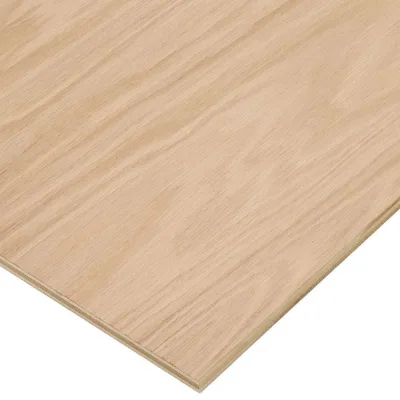
colored birch plywood baltic birch plywood 18mm 4x8 white baltic birch poplar pine plywood sheet
$5.00 - $30.00
MOQ: 10000 Minimum
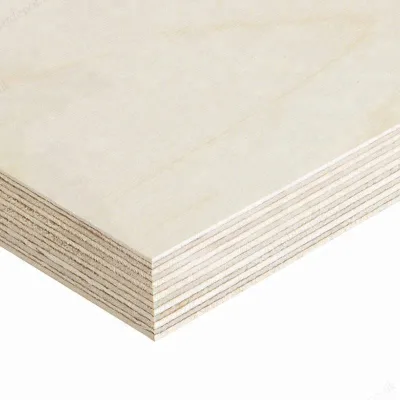
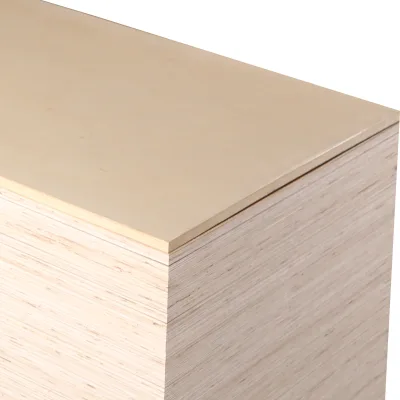
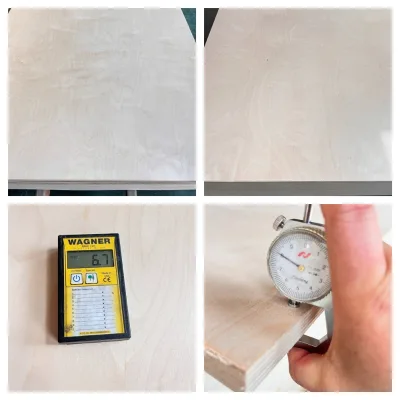
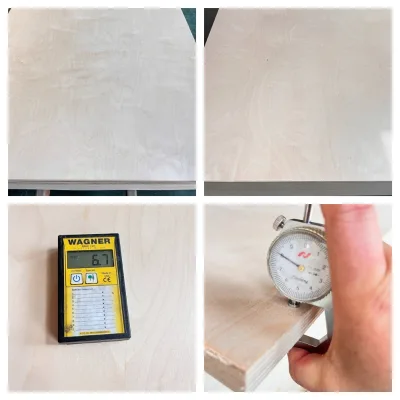
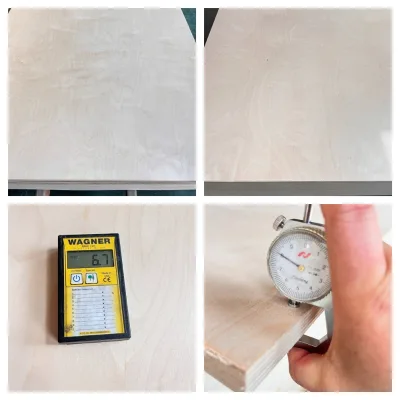


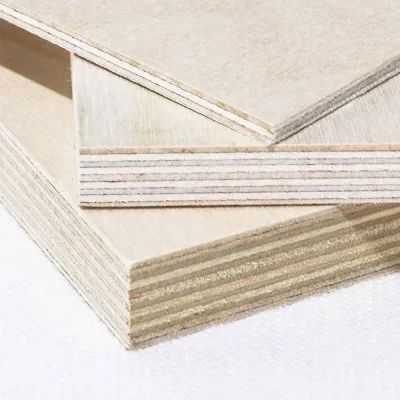


Hot Sale Strong Birch Timber1220mm X 2440mm Faced Melamine Laminated Plywood
$3.70 - $19.80
MOQ: 500 Pieces


Waterproof Birch Plywood with 18mm Boards for Indoor Outdoor Furniture Use
$7.56 - $13.15
MOQ: 1000 Pieces


Comprehensive Sourcing Guide
Strategic Sourcing Guide for Indoor and Outdoor Birch Plywood Boards
Understanding Product Attributes and Structural Composition
When sourcing birch plywood boards for applications that span both indoor and outdoor environments, buyers must first dissect the fundamental product attributes provided in the supply chain data. The core material specification identifies the primary composition as birch, a hardwood known for its fine texture and high strength-to-weight ratio. The product type is explicitly categorized as Plywood, with a specific sub-category of Veneer Boards. A critical structural observation is the "3-Layer Structure Boards" configuration, which suggests a specific lamination approach that may differ from standard multi-ply constructions. This three-layer design often implies a simplified core structure, potentially utilizing a sandwich-like arrangement of face, core, and back veneers, which is distinct from the more common 5-ply or 7-ply constructions found in heavy-duty marine or structural plywood.
The surface finishing process is a vital differentiator for this specific product line. The data indicates a dual state: "UNFINISHED" for the base slab structure, yet also lists "Double-Sided Decoration" for the veneer board surface. This apparent contradiction requires clarification during the sourcing phase. It suggests that the base material is supplied in an unfinished state for potential further processing, while specific SKUs may come pre-decorated on both sides. The face veneer is confirmed as birch veneer, and the grain pattern is described as "Irregular Grain," which aligns with the natural characteristics of birch wood. Buyers should verify if the "Irregular Grain" is a standard aesthetic feature or a specific batch characteristic, as consistent grain patterns are often preferred for high-end furniture applications.
Furthermore, the product specifications reveal a wide range of thicknesses, from 3mm up to 40mm, with specific mentions of 9mm, 12mm, and 18mm as common sizes. The standard dimensions of 1220*2440mm are consistent with international sheet goods standards. However, the density is noted within a range of 600kg/M3 to 700kg/M3, which is relatively light for plywood, suggesting a specific grade or core composition that may impact load-bearing capabilities. The moisture content is tightly controlled between 8% and 12%, a critical parameter for ensuring dimensional stability in varying humidity conditions.
Technical Specifications and Environmental Compliance
Compliance and environmental standards are paramount when selecting materials for both indoor and outdoor use. The supply data explicitly references the E0 formaldehyde emission standard, which represents one of the strictest limits on formaldehyde release, making it highly suitable for indoor applications where air quality is a concern. Additionally, the glue types listed include EO, E1, and E2 classifications. Buyers must understand that while E0 is the premium standard, the availability of E1 and E2 options indicates a tiered product line. For outdoor applications, the choice of adhesive is the single most critical technical factor, as it determines the board's resistance to delamination under moisture stress.
The bonding strength is specified as "Ⅲ(Nc)," which typically refers to a specific class of durability in plywood standards. In the context of outdoor usage, this classification must be rigorously verified against international durability classes (such as EN 314-2) to ensure the adhesive can withstand prolonged exposure to rain and humidity. The product also claims an "EFunction" that includes Waterproof, Anti-Static, Soundproof, and Thermal Insulation properties. While these are listed as features, buyers should treat them as observations rather than guaranteed performance metrics for every unit. The presence of "Water resistant" as a specific attribute reinforces the suitability for outdoor use, but the exact level of water resistance (e.g., temporary exposure vs. permanent immersion) must be defined by the supplier's technical data sheet.
The environmental standard is further reinforced by the "100% Birch" claim, which speaks to the purity of the raw material. However, the "Grade" is listed variably as "FIRST-CLASS" and "Grade One." In the plywood industry, these terms can be subjective without a specific grading standard (like BS 1088 or NPA) attached. Buyers should request a clear definition of what constitutes "Grade One" for this specific supplier, particularly regarding the number of patches, voids, or core gaps allowed in the final product. The certification status mentions ISO, but without a specific standard number (e.g., ISO 9001), this remains a general indicator of a quality management system rather than a product-specific certification.
Cost Drivers and Pricing Dynamics
The pricing for birch plywood boards is influenced by a complex interplay of material costs, processing complexity, and logistical factors. The observed price range in the market spans from $2.1 to $35 per unit, a significant variance that reflects differences in thickness, grade, and surface finishing. The lower end of this spectrum likely corresponds to thinner boards (3mm-9mm) with unfinished surfaces or lower-grade veneers, while the higher end likely represents thicker, double-sided decorated boards with premium "Grade One" status and specialized outdoor adhesives.
Thickness is a primary cost driver. As the thickness increases from 3mm to 40mm, the volume of birch veneer and adhesive required increases non-linearly, directly impacting the unit price. The "Double-Sided Decoration" process adds significant value and cost compared to the "UNFINISHED" state. This finishing process involves sanding, staining, or applying a protective coating, which requires additional labor and machinery time. Buyers must weigh the cost of purchasing pre-finished boards against the potential savings of buying unfinished boards and applying a finish in-house, considering the need for specialized equipment and labor.
The Minimum Order Quantity (MOQ) also plays a crucial role in the total cost of ownership. The observed MOQ range is vast, from 1 to 10,000 units. For small-scale projects or prototyping, an MOQ of 1 allows for flexibility but may result in a higher per-unit price due to the lack of economies of scale. Conversely, large-scale procurement with an MOQ of 10,000 can drive the unit price down significantly, potentially accessing the lower end of the $2.1-$35 range. However, high MOQs require substantial capital outlay and storage capacity. Buyers should calculate the total landed cost, including shipping and inventory holding costs, to determine the optimal order quantity that balances cash flow with unit price efficiency.
Typical Applications and Design Integration
The versatility of birch plywood allows it to serve a diverse array of applications, ranging from residential construction to specialized furniture manufacturing. The data explicitly lists "Apartment" and "Furniture" as key application areas. For apartment interiors, the E0 formaldehyde emission standard and the "Indoor" usage classification make this material ideal for cabinetry, wall paneling, and flooring underlayment where indoor air quality is a priority. The "Traditional" and "Contemporary" design styles mentioned suggest that the product can be adapted to various aesthetic preferences, likely through the selection of different veneer finishes or grain patterns.
For outdoor applications, the "Water resistant" attribute and the "Outdoor" usage classification point towards uses such as outdoor furniture, garden structures, or temporary construction formwork. The "3-Layer Structure" might be particularly suitable for lightweight outdoor applications where weight is a concern, such as portable furniture or decorative elements. However, the "Irregular Grain" and "UNFINISHED" options suggest that for high-end outdoor projects, additional sealing or finishing may be required to fully protect the wood from the elements.
The "Graphic design" project solution capability indicates that these boards can be used in custom design projects, potentially involving laser cutting, CNC machining, or artistic installations. The "Customization" availability further supports this, allowing buyers to specify exact dimensions and thicknesses to fit unique design requirements. The "Pallet Package" and "Pallete Package" (noting the spelling variation) indicate that the product is ready for industrial handling, which is essential for large-scale construction or manufacturing projects.
Supplier Evaluation and Quality Assurance
Evaluating suppliers for birch plywood requires a rigorous approach to ensure that the product meets the specified technical and aesthetic requirements. The "place_of_origin" is identified as Shandong, China, a region known for its wood processing industry. While this provides a geographical context, buyers should not rely solely on the region's reputation. Instead, they must verify the specific factory's capabilities, particularly regarding the "Bonding Strength" and "Glue" specifications. The variation in glue types (EO/E1/E2) suggests that different suppliers or even different production lines within the same factory may produce boards with varying durability levels.
Quality control should focus on the consistency of the "3-Layer Structure" and the integrity of the "Birch" veneer. Buyers should request samples to verify the "Grain" pattern and the quality of the "Double-Sided Decoration" if applicable. The "Moisture" content of 8%-12% is a critical quality metric; boards with moisture content outside this range are prone to warping or shrinking. Additionally, the "Grade" classification must be validated against physical samples to ensure that "Grade One" or "FIRST-CLASS" labels correspond to the expected visual and structural quality.
The "Online technical support" feature is a valuable asset for buyers, providing a channel for troubleshooting issues related to installation or performance. However, this should be complemented by a clear warranty policy. The "1 Year" warranty is a standard offering, but buyers should scrutinize the terms to understand what is covered, particularly regarding water damage or delamination in outdoor applications. The "ISO" certification is a positive indicator, but buyers should ask for the specific certificate number and scope to ensure it covers the manufacturing processes relevant to their order.
Long-Term Procurement and Maintenance Considerations
Sourcing birch plywood for long-term projects requires a forward-looking strategy that accounts for maintenance, lifecycle, and supply chain stability. The "Customization" capability offers flexibility for future design changes, but buyers should ensure that the supplier can maintain consistent quality over time, especially if the project spans multiple years. The "Available in various thicknesses" and "Customized" size options suggest that the supply chain is adaptable, but buyers should confirm lead times for custom orders, as these often exceed the lead times for standard stock items.
Maintenance of outdoor birch plywood is a critical consideration. Even with "Water resistant" claims, the material will require periodic sealing or coating to maintain its integrity in harsh weather conditions. Buyers should factor in the cost and labor of ongoing maintenance when calculating the total cost of ownership. The "Thermal Insulation" and "Soundproof" features add value to the product's performance, but these benefits may degrade over time if the surface finish is compromised.
Finally, the "Project solution capability" in graphic design suggests that the supplier may offer value-added services beyond simple material supply. Buyers should explore whether the supplier can assist with design optimization to reduce waste or improve structural efficiency. The "Pallet Package" ensures safe transport, but buyers should verify the packaging standards to prevent damage during transit, especially for large sheets that are prone to bending or edge damage. By carefully considering these long-term factors, buyers can secure a reliable supply of birch plywood that meets both immediate project needs and future operational requirements.
Comparative Analysis of Product Variants
To assist in decision-making, the following table summarizes the key attributes of the birch plywood variants observed in the supply data. This comparison highlights the trade-offs between different specifications and helps buyers align their procurement strategy with project requirements.
| Attribute | Variant A (Standard Indoor) | Variant B (Outdoor/Decorated) | Variant C (Custom/Thick) |
|---|---|---|---|
| Primary Use | Indoor (Apartment, Furniture) | Outdoor, Indoor (Dual Use) | Custom Applications |
| Thickness | 9mm, 12mm | 18mm, 3mm-40mm | 3mm-40mm (Custom) |
| Surface Finish | Unfinished | Double-Sided Decoration | Unfinished / Custom |
| Formaldehyde | E0 | E0 / E1 | E0 / E1 / E2 |
| Glue Type | EO/E1/E2 | EO/E1/E2 | EO/E1/E2 |
| Bonding Strength | Ⅲ(Nc) | Ⅲ(Nc) | Ⅲ(Nc) |
| Moisture Content | 8%-12% | 8%-12% | 8%-12% |
| Grade | First-Class / Grade One | First-Class / Grade One | First-Class / Grade One |
| Price Range | Lower End ($2.1-$15) | Mid-Range ($15-$25) | Higher End ($25-$35) |
| MOQ | 1 - 10000 | 1 - 10000 | 1 - 10000 |
This table illustrates that while the core material and structural properties remain consistent across variants, the surface finish, thickness, and glue selection drive the price and application suitability. Buyers should use this framework to select the variant that best balances cost, performance, and aesthetic requirements for their specific project.
FAQs
What is the core material of this birch plywood board?
The core material is 100% birch, ensuring high strength and fine texture. This product is classified as a Veneer Board with a 3-Layer Structure, available in thicknesses ranging from 3mm to 40mm for various applications.
Can this plywood be used for both indoor and outdoor projects?
Yes, the product is designed for both indoor and outdoor usage. It features water resistance and comes with bonding strength class III, though specific glue types like EO, E1, or E2 determine the exact durability level for outdoor exposure.
Which formaldehyde emission standard does this board meet?
The board meets the strict E0 formaldehyde emission standard for indoor safety. While E0 is the primary standard, the product line also offers options with E1 and E2 glue classifications depending on the specific supplier configuration.
How is the surface finishing of the birch veneer board?
The base slab structure is often supplied unfinished, but specific options include double-sided decoration. The face veneer is birch with an irregular grain pattern, and the surface can be customized to meet specific design requirements.
What are the standard dimensions and density of the board?
Standard dimensions are 1220*2440mm with thicknesses like 9mm, 12mm, or 18mm. The density ranges from 600kg/M3 to 700kg/M3, and the moisture content is controlled between 8% and 12% for stability.
What warranty and after-sales support are provided?
A 1-year warranty is included with the product to cover potential defects. Buyers also receive online technical support for installation or usage issues, ensuring assistance is available throughout the product lifecycle.
Can the board specifications be customized for specific projects?
Yes, customization is available for size and thickness to fit unique project needs. The product supports various thicknesses and can be sourced from factories in Shandong, China, with pallet packaging for industrial handling.