Source Indoor Outdoor Dog Crate for Kennels, Transport, and Homes
Find durable Indoor Outdoor Dog Crate options from 30 verified listings. Compare stainless steel and metal designs featuring custom sizes, double doors, and heavy-duty construction for kennels, transport, and home use.
Key considerations
Products List


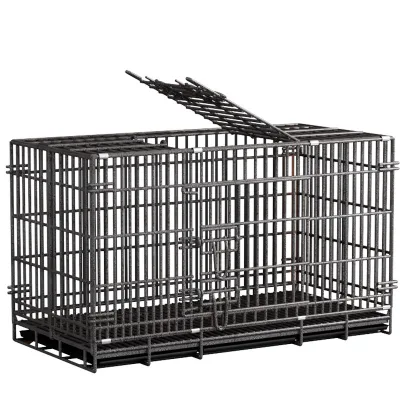
Portable Stainless Steel Indoor Outdoor Large Breed Dog Pet Kennel Crate Cage
$365.00 - $758.00
MOQ: 1 Pieces

Durable Stainless Steel Indoor Outdoor Large Breed Dog Pet Kennel Crate Cage
$365.00 - $758.00
MOQ: 1 Pieces


Premium Stainless Steel Indoor Outdoor Large Breed Dog Pet Kennel Crate Cage
$365.00 - $758.00
MOQ: 1 Pieces


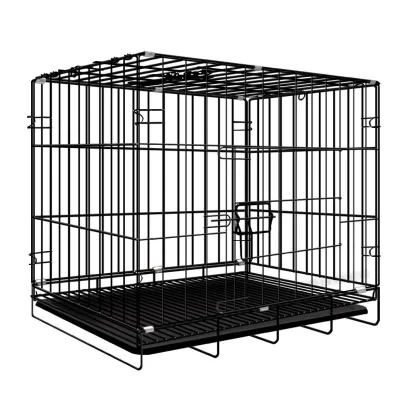
Dog Kennel Outdoor Dog House Outside Dog Enclosures Pet Crate Cage Playpen Dog Run Indoor
$8.45 - $10.50
MOQ: 100 Square Meters





Comprehensive Sourcing Guide
Indoor Outdoor Dog Crate Sourcing Guide
Sourcing durable dog crates requires balancing structural integrity with environmental adaptability, as these units must withstand both indoor comfort demands and outdoor weather exposure. The market offers a wide spectrum of designs, ranging from heavy-duty stainless steel kennels to customizable metal cages, each serving distinct logistical and behavioral needs for pets. Buyers must navigate a complex landscape of material specifications, from standard black metal finishes to high-strength steel constructions that offer superior load-bearing capacity. Understanding the specific attributes of each crate type is essential for selecting the right product for your target market, whether it involves large-breed dogs requiring XL dimensions or smaller pets needing compact M-size enclosures.
The procurement process involves evaluating multiple variables, including customization options, packaging methods, and origin locations that influence total landed cost. Suppliers often provide flexible branding opportunities, such as customized logos and specific model numbers, which are critical for private-label strategies. However, the diversity of available products means that not every listing will satisfy all your operational requirements. For instance, while some crates feature eco-friendly materials or waterproof coatings, others prioritize industrial durability with anti-slip functions and easy maintenance features. A disciplined approach to verifying these attributes against your specific use cases will prevent costly mismatches between supplier capabilities and end-user expectations.
Product Scope and Observed Listing Signals
The current market landscape for indoor and outdoor dog crates reveals a significant variation in product attributes, reflecting diverse manufacturing capabilities and target applications. Observed listings indicate a price range from $1.67 to $1,000 USD, suggesting a broad segmentation from basic wire accessories to premium, heavy-duty stainless steel kennels. Minimum Order Quantities (MOQs) vary widely between 1 and 200 units, allowing both small-scale retailers and large distributors to find suitable entry points. This variability underscores the importance of aligning your volume requirements with supplier flexibility, as some manufacturers may offer lower MOQs for customized designs while requiring higher volumes for standard stock items.
Product names and descriptions often highlight key features such as "durable," "heavy-duty," and "custom double door" designs, which signal specific functional benefits. Materials observed include stainless steel and high-strength steel, with finishes ranging from black to natural metal tones. Sizes span from M to XL, catering to different pet breeds, while shapes are predominantly quadrate to maximize interior space. Some listings emphasize specific features like horizontal sliding closures, eco-friendly production, or waterproof capabilities, which are crucial for outdoor durability. Buyers should treat these observed attributes as potential options rather than universal standards, verifying each claim against the specific product datasheet before committing to an order.
Technical Specifications to Verify
Verifying technical specifications is paramount to ensuring the crate meets both safety and durability standards. Material composition is a primary concern; while many listings specify stainless steel or high-strength steel, buyers must confirm the exact grade and thickness to ensure resistance to corrosion and impact. The structural design should include anti-slip functions and robust ventilation holes to promote airflow and drainage, which are essential for both indoor hygiene and outdoor weather resistance. Additionally, the closure mechanism, whether it involves horizontal sliding doors or traditional latches, must be tested for ease of use and security to prevent escape attempts by strong or anxious animals.
Dimensional accuracy and packaging details also require strict verification. Standard sizes such as 108cm x 70cm x 90cm or 1220mm x 700mm x 1570mm are common, but deviations can occur between different suppliers or model numbers like ST-Pet Cage or CG010026-2. Packaging methods vary significantly, with options including carton boxes, OPP bags, wooden boxes, or metal trays, each impacting shipping costs and product protection during transit. Buyers should request detailed technical drawings and weight specifications, such as the observed 86,000g for certain models, to calculate freight charges accurately and ensure the crate can withstand the intended load-bearing capacity without deformation.
Compliance and Safety Documentation
Safety and compliance documentation form the backbone of a trustworthy procurement process, especially for products intended for animal use. Buyers must request evidence of material safety, ensuring that coatings, paints, and metal treatments are non-toxic and free from harmful chemicals that could harm pets. While specific certification statuses are not universally listed, suppliers should be able to provide test reports or material safety data sheets (MSDS) that confirm the absence of hazardous substances. This is particularly important for crates marketed as eco-friendly or intended for long-term indoor use where ventilation and air quality are critical.
Furthermore, structural integrity certifications or third-party testing results should be reviewed to validate claims of high impact resistance and durability. These documents help verify that the crate can withstand the physical stress of large dogs or outdoor environmental factors without failing. Buyers should also inquire about quality control standards implemented by the supplier, such as ISO certifications or internal audit processes, to ensure consistent production quality. Although specific standards like 108cmx70cmx90cm are listed as product standards, these likely refer to dimensional tolerances rather than safety regulations, so buyers must distinguish between size specifications and actual safety compliance metrics.
Cost Drivers and Commercial Terms
Several factors influence the final cost of dog crates, with material quality and customization being the most significant drivers. Stainless steel and high-strength steel are more expensive than standard metal alloys, but they offer superior longevity and resistance to rust, justifying the higher price point for outdoor applications. Customization options, such as adding specific logos, altering door configurations, or modifying dimensions, typically incur additional setup fees and may increase the unit price. Buyers should also consider the impact of packaging choices on total cost, as wooden boxes or reinforced metal trays provide better protection but add weight and volume, increasing shipping expenses.
Commercial terms, including lead times and payment conditions, play a crucial role in budgeting and inventory planning. Observed lead times range from 20 to 25 days, which is standard for customized manufacturing but requires careful scheduling to avoid stockouts. Payment terms may vary based on order volume and supplier relationship, with larger orders often negotiating more favorable conditions. Buyers should also account for potential tariffs and import duties based on the origin of the product, with common sourcing locations including Tianjin, Qingdao, and Zhongshan in China. Understanding these commercial dynamics helps in creating a realistic total cost of ownership model that includes not just the unit price but also logistics, compliance, and risk mitigation costs.
Supplier Qualification and Quality Control
Evaluating supplier qualifications is essential to mitigate risks associated with inconsistent product quality and unreliable delivery. Buyers should conduct thorough due diligence on potential suppliers, verifying their manufacturing capabilities, production capacity, and history of exporting similar products. Requesting samples is a critical step to physically inspect the build quality, finish, and functionality of the crate before placing a bulk order. This allows buyers to assess the ease of installation, the smoothness of the sliding mechanisms, and the overall sturdiness of the structure, ensuring it meets the advertised specifications for high strength and load-bearing capacity.
Quality control processes should be clearly defined and agreed upon before production begins. This includes establishing clear acceptance criteria for defects, such as rust spots, sharp edges, or misaligned doors, and determining the frequency of pre-shipment inspections. Suppliers with robust QC systems will provide detailed inspection reports and allow for third-party audits if necessary. Additionally, buyers should verify the supplier’s ability to handle customization requests accurately, ensuring that logos, colors, and dimensions are produced exactly as specified. A reliable supplier will also offer responsive after-sales support to address any issues that arise post-delivery, fostering a long-term partnership based on trust and quality.
Long-Term Procurement Checks
Establishing long-term procurement checks ensures sustained quality and value from your supplier relationship. Regular performance reviews should be conducted to assess delivery reliability, product consistency, and responsiveness to issues. Tracking key performance indicators (KPIs) such as defect rates, on-time delivery percentages, and customer feedback can provide objective data to guide future purchasing decisions. Buyers should also stay informed about market trends and technological advancements in crate design, such as new eco-friendly materials or improved ventilation systems, to remain competitive in their own markets.
Continuous communication with suppliers is vital for adapting to changing requirements and maintaining high standards. This includes discussing potential improvements, sharing customer insights, and collaborating on new product developments. Buyers should also periodically re-evaluate their supplier base to ensure they are getting the best value and quality, considering factors such as price fluctuations, material availability, and geopolitical risks that may affect supply chains. By maintaining a proactive approach to supplier management, buyers can secure a stable supply of high-quality dog crates that meet the evolving needs of their customers and uphold their brand reputation.
FAQs
What materials are used for the dog cage?
The dog cage is constructed from metal, specifically stainless steel, ensuring durability and resistance to corrosion. This material choice supports both indoor and outdoor usage while maintaining structural integrity over time.
Can I customize the logo on the product?
Yes, customization is available for the logo on the dog cage. Buyers can request specific branding to be applied to the product, allowing for personalized marketing or corporate identification on the final item.
What is the lead time for production?
The standard lead time for production is between 20 to 25 days. This duration accounts for manufacturing and preparation, ensuring the product is ready for shipment after the order is confirmed.
Which sizes are available for the dog kennel?
The product is available in multiple sizes including L, XL, and M to accommodate different dog breeds. These dimensions ensure a suitable fit for various pet sizes while maintaining the cage's structural stability.
How is the product packed for shipping?
The dog cage is packed in a carton box, wooden box, or OPP bag depending on the specific model. This varied packaging ensures safe transport and protection of the metal structure during international shipping.
What is the origin location of the product?
The product originates from locations such as Tianjin, Qingdao, and Zhongshan in China. These manufacturing hubs provide access to high-quality steel and efficient production capabilities for the dog kennel.