Source Indoor Outdoor Bonsai Tree Light for Park, Wedding, and Home
Compare 30 listings of Indoor Outdoor Bonsai Tree Light featuring LED technology and customizable sizes. Buyers can review specifications for applications in parks, weddings, and home landscaping with options for modern or European styles.
Key considerations
Products List


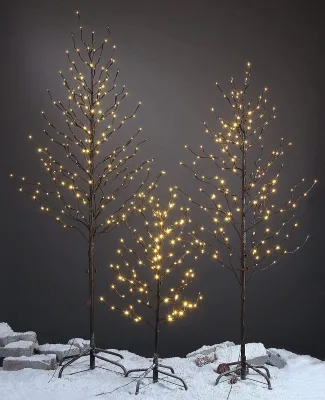
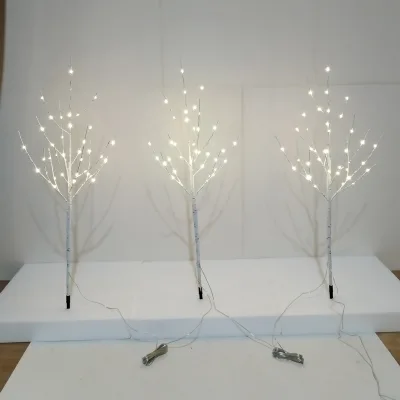
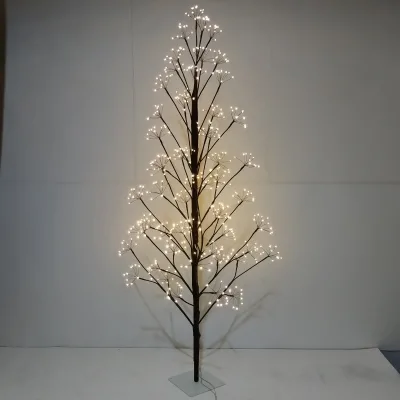
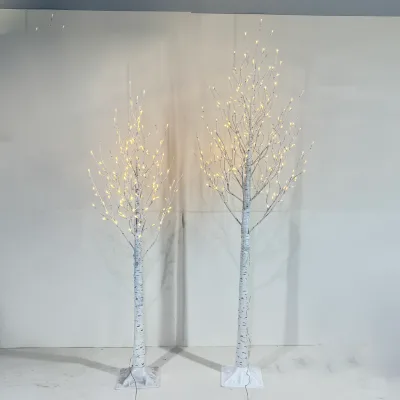


LED Christmas Tree Lights Lighted Trees for Outside LED Christmas Tree
$200.00 - $230.00
MOQ: 1 Pieces
Comprehensive Sourcing Guide
Strategic Sourcing Guide for Indoor and Outdoor Bonsai Tree Lighting Solutions
The global demand for specialized decorative lighting has expanded significantly, with bonsai tree lights emerging as a premium niche for both residential and commercial applications. These fixtures blend horticultural aesthetics with functional illumination, serving as focal points in gardens, lobbies, and event spaces. For procurement professionals, sourcing these products requires a nuanced understanding of technical specifications, regulatory compliance, and supply chain dynamics. This guide synthesizes available market data to provide a disciplined framework for evaluating suppliers and selecting products that meet rigorous B2B standards.
Technical Specifications and Product Configuration
When evaluating bonsai tree lights, the primary technical differentiator lies in the physical dimensions and the configuration of the lighting elements. The market offers a diverse range of sizes, from compact units suitable for indoor display to larger installations designed for outdoor landscaping. Data indicates that standard models often feature specific height configurations, such as 3-meter or 5-meter variants, while many suppliers offer customization options to meet unique spatial requirements. The ability to customize the height and branch quantity is a critical feature for buyers targeting specific architectural or landscape designs.
The construction materials are equally vital for durability and aesthetic longevity. High-quality units frequently utilize stainless steel for the structural frame, ensuring resistance to corrosion and mechanical stress. The lighting elements themselves are typically LED-based, offering energy efficiency and a long operational lifespan. Buyers should verify the specific light source configuration, as some products come with integrated light sources while others may require separate driver units. The emitting color is another variable; while some models offer static white or warm tones, advanced configurations provide changeable color options, allowing for dynamic visual effects in event or commercial settings.
The IP rating serves as a fundamental metric for determining the suitability of a light for indoor versus outdoor environments. For outdoor applications, particularly in areas exposed to rain or humidity, an IP44 rating or higher is generally required to ensure water resistance. Indoor units may have lower ratings, but consistency in the IP classification across a batch is essential for quality assurance. Additionally, the power consumption and lighting area coverage are key performance indicators. Specifications often list power ranges between 31 and 50 watts, with corresponding coverage areas of 5 to 15 square meters. These figures help procurement teams calculate energy costs and determine the number of units required for a specific project.
Compliance and Certification Verification
Navigating the regulatory landscape is a non-negotiable aspect of B2B procurement for electrical lighting products. The global market for bonsai tree lights is heavily influenced by certification requirements that vary by region. In the European market, compliance with the CE mark is standard, often accompanied by specific directives such as EMC (Electromagnetic Compatibility) and LVD (Low Voltage Directive). These certifications ensure that the product does not emit excessive electromagnetic interference and operates safely within voltage limits.
For products entering markets with stricter environmental regulations, RoHS (Restriction of Hazardous Substances) compliance is mandatory. This standard restricts the use of specific hazardous materials in electrical and electronic equipment, protecting both the environment and end-users. The supply chain data suggests that reputable manufacturers often hold a combination of certifications, including CE, RoHS, EMC, and sometimes region-specific marks like SAA or VDE. The presence of SGS and TUV certifications further validates the product's adherence to international safety and quality standards.
Buyers must treat certification claims as observations that require verification rather than absolute guarantees. It is essential to request current, valid certificates from the supplier and cross-reference them with the specific product model. The documentation should clearly state the scope of the certification, ensuring it covers the specific voltage, power, and environmental conditions of the bonsai tree light being purchased. Failure to verify these documents can lead to customs delays, legal liabilities, or safety hazards in the field.
Cost Drivers and Pricing Dynamics
The pricing structure for bonsai tree lights is influenced by a complex interplay of factors, including material costs, customization levels, and certification overheads. The observed market price range is broad, spanning from $1 to $1000 USD, reflecting the diversity of product tiers from basic decorative units to high-end, fully customized installations. Several key drivers contribute to this variance.
First, the material composition significantly impacts cost. Stainless steel frames are more expensive than alternative metals due to their durability and corrosion resistance. Similarly, the complexity of the hand-woven techniques used to create the tree branches adds labor costs. Products featuring changeable color capabilities or advanced LED drivers will also command a higher price point compared to static lighting solutions.
Second, the degree of customization is a major cost determinant. While standard models with fixed dimensions and branch quantities are more affordable, bespoke orders requiring specific heights, branch counts, or unique color schemes incur additional engineering and production expenses. The Minimum Order Quantity (MOQ) also plays a role in pricing; orders ranging from 1 to 3000 units allow for economies of scale, with larger orders typically reducing the unit cost.
Finally, packaging and logistics contribute to the final landed cost. Products are often shipped in cartons with iron frames or specialized wooden boxes to prevent damage during transit. The choice of packaging material and the complexity of the packing process can influence the overall price. Buyers should analyze the total cost of ownership, including shipping, insurance, and potential duties, rather than focusing solely on the unit price.
Typical Applications and Market Segmentation
Bonsai tree lights are versatile fixtures with applications spanning multiple sectors. Their primary use case is landscape and commercial decoration, where they serve as artistic elements in parks, hotels, and corporate campuses. The ability to mimic the organic form of a bonsai tree allows these lights to blend seamlessly with natural environments while providing necessary illumination.
In the event industry, these lights are frequently utilized for weddings, festivals, and temporary installations. The changeable color options and the aesthetic appeal of the tree shape make them ideal for creating immersive atmospheres. The specifications indicate that these products are suitable for various applications, including landscaping, commercial spaces, home decor, and festival celebrations.
For indoor applications, such as lobbies, retail stores, and residential gardens, the focus shifts to aesthetic integration and safety. The compact size of some models makes them suitable for indoor display, while the LED technology ensures low heat emission, protecting delicate indoor plants and materials. The versatility of these lights allows them to be used in both permanent installations and temporary setups, providing flexibility for event planners and interior designers.
Supplier Evaluation and Quality Assurance
Selecting a reliable supplier is critical for ensuring product consistency and long-term performance. The sourcing data indicates that the majority of bonsai tree lights originate from manufacturing hubs in China, specifically in regions like Zhongshan. While this concentration of production can offer competitive pricing, it also necessitates rigorous supplier vetting.
Buyers should evaluate suppliers based on their technical capabilities, production capacity, and quality control processes. The availability of customization services is a strong indicator of a supplier's flexibility and engineering expertise. Suppliers who offer hand-woven techniques and custom sizing demonstrate a higher level of craftsmanship compared to those offering only mass-produced, standard models.
Quality assurance should be a central component of the supplier evaluation. Buyers must verify that the supplier adheres to the stated standards, such as CE RoHS and SGS TUV, and that they have a robust process for testing finished products. The warranty period is another key metric; while some products offer a one-year warranty, others provide coverage for up to two years, reflecting the manufacturer's confidence in their product's durability.
Long-Term Procurement Considerations
Sourcing bonsai tree lights is not merely a transactional activity but a strategic decision that impacts long-term operational efficiency and brand reputation. Buyers should consider the lifecycle of the product, including maintenance requirements and the availability of replacement parts. The warranty terms, which range from one to two years, provide a baseline for expected product longevity, but the actual service life depends on environmental conditions and usage patterns.
The standardization of components is also important for future procurement. If a buyer plans to expand their lighting inventory, selecting products with standardized voltages, connectors, and control systems can simplify future maintenance and upgrades. Additionally, the sustainability of the product should be considered, with a focus on energy-efficient LED technology and recyclable packaging materials.
Finally, buyers should maintain a flexible relationship with their suppliers to accommodate changing market demands. The ability to customize products and adjust order volumes allows businesses to respond quickly to new trends or project requirements. By focusing on technical specifications, compliance, and supplier reliability, procurement professionals can build a resilient supply chain that delivers high-quality bonsai tree lighting solutions for years to come.
| Feature Category | Standard Observation | Verification Requirement |
|---|---|---|
| Certification | CE, RoHS, EMC, LVD, SAA, VDE | Request valid certificates for specific model |
| Material | Stainless Steel Frame | Verify grade and thickness of steel |
| Light Source | LED, Integrated or Separate | Confirm driver compatibility and color options |
| IP Rating | IP44 (Outdoor), Variable (Indoor) | Test sample for water resistance |
| Warranty | 1 to 2 Years | Review terms for coverage exclusions |
| Customization | Available (Height, Branches, Color) | Confirm lead time for bespoke orders |
| Origin | China (Zhongshan) | Verify factory audit and production capacity |
In conclusion, the procurement of indoor and outdoor bonsai tree lights requires a balanced approach that prioritizes technical accuracy, regulatory compliance, and supplier reliability. By adhering to the guidelines outlined in this guide, buyers can navigate the complexities of the market and secure products that meet the highest standards of quality and performance.
FAQs
What certifications do indoor outdoor bonsai tree lights have?
These lights typically hold CE, RoHS, and EMC certifications. Some models also include LVD, SAA, VDE, SGS, and TUV marks to ensure safety and environmental compliance for international markets.
Can I customize the size of the bonsai tree light?
Yes, customization is available for height and branch quantity. Standard sizes include 3 meters and 5 meters, but many suppliers offer bespoke dimensions to fit specific architectural or landscape designs.
Which material is used for the frame of these lights?
The structural frame is commonly made of stainless steel. This material ensures resistance to corrosion and mechanical stress, making the lights durable for both indoor and outdoor landscaping applications.
What is the IP rating for outdoor bonsai tree lights?
Outdoor units often feature an IP44 rating to ensure water resistance against rain and humidity. This rating helps protect the LED components and ensures safe operation in exposed environments.
How long is the warranty period for these lighting products?
Warranty periods typically range from one to two years depending on the specific model. Buyers should review the terms to understand coverage exclusions and the manufacturer's confidence in product durability.
What is the minimum order quantity for bonsai tree lights?
Minimum order quantities vary from one unit up to three thousand units. Larger orders often benefit from economies of scale, while smaller orders allow for testing specific designs or colors.
Where are these bonsai tree lights manufactured?
Most products originate from manufacturing hubs in China, specifically in regions like Zhongshan. Buyers should verify factory audits to ensure production capacity and quality control standards are met.
What power range do these LED tree lights consume?
Power consumption typically falls between 31 and 50 watts per unit. This range supports lighting areas of 5 to 15 square meters, helping procurement teams calculate energy costs and project requirements.