Source Industrial Cast Iron Clothes Rack for Home, DIY, and Furniture
Find and compare 30 Industrial Cast Iron Clothes Rack options from Chinese manufacturers. Evaluate specifications such as BS thread standards, casting techniques, and customizable sizes for home furniture, DIY projects, and general use applications.
Key considerations
Products List


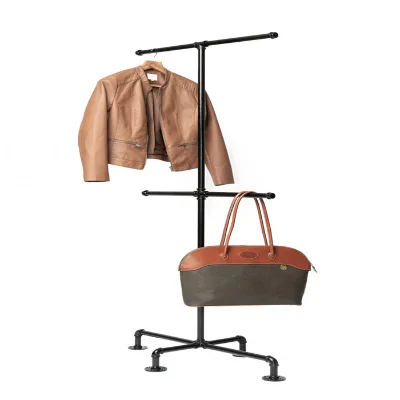


Eco-Friendly Balcony Iron Clothing Stand Metal Clothes Single Hanger Rack
$25.00 - $45.00
MOQ: 100 Pieces


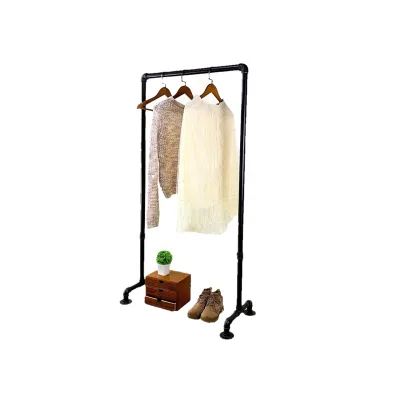
Comprehensive Sourcing Guide
Industrial Cast Iron Clothes Rack Sourcing Guide
Sourcing industrial cast iron clothes racks requires a nuanced understanding of material properties, manufacturing techniques, and commercial terms that differ significantly from standard retail furniture procurement. These products are typically characterized by their heavy-duty construction, utilizing iron or metal alloys to provide stability and durability in high-traffic environments. Buyers must navigate a landscape where customization options, such as logo printing and color variations, are common, yet the core structural integrity relies on established casting methods. The following guide outlines the critical verification steps, technical parameters, and commercial considerations necessary for successful procurement of these specialized storage solutions.
The procurement process for industrial-grade clothing racks involves balancing aesthetic flexibility with rigorous functional requirements. While the end-use often centers on home furniture or DIY applications, the industrial classification implies a higher threshold for load-bearing capacity and longevity. Buyers should focus on verifying the specific casting techniques, surface treatments, and thread standards that define the product’s quality. This guide provides a structured approach to evaluating suppliers, ensuring that the selected products meet both operational needs and compliance standards without relying on unverified marketing claims.
Product Scope and Observed Listing Signals
The observed market signals indicate a diverse range of industrial cast iron clothes racks, with product models such as yj106, yj101, yj100, yj27, yj92, and yj42 representing various configurations. These items are primarily constructed from iron or a combination of wood and metal, with a specific focus on casting as the primary manufacturing technique. The observed price range spans from 1 to 80 USD, reflecting variations in size, customization, and packaging complexity. Minimum Order Quantities (MOQs) vary widely, starting from as low as 1 unit up to 2000 units, with some listings specifying an MOQ of 100 PS, indicating flexibility for both small-scale and bulk procurement needs.
Key attributes observed in the market include a "Movable" style and "Simple" specification, suggesting designs that prioritize functionality and ease of use. The products are often marketed for home use, including applications as tops, trousers, and underwear storage, as well as general home furniture and DIY cloth racks. Customization is a significant factor, with suppliers accepting custom sizes, logos, colors, and designs, often under OEM support. The origin of these products is predominantly China, with specific mentions of Hebei as a place of origin, highlighting a concentrated manufacturing hub for this type of industrial hardware.
Technical Specifications to Verify
Verifying the technical specifications of industrial cast iron clothes racks is essential to ensure compatibility with intended use cases and installation requirements. Buyers should confirm the material composition, noting that while "Metal" and "Iron" are common descriptors, the specific alloy and casting quality can vary. The thread standard is a critical technical detail, with observed references to BS standards and specific models like 1/2" indicating the type of connectivity or mounting hardware used. Additionally, the head code is often specified as "Round," and the shape is described as "Equal," which influences the aesthetic and functional integration of the rack into existing furniture or storage systems.
Weight and dimensional specifications are vital for logistics and structural planning. Observed data indicates a weight of approximately 220g per piece for certain components, while the single gross weight for packaged units can reach 12.660 kg, suggesting substantial packaging or multi-piece sets. The single package size is often listed as 50x20x20 cm, which aids in calculating shipping volume and storage requirements. Buyers must also verify the connectivity type, which is frequently described as "Female" with a "thread" connection method, ensuring that the racks can be securely assembled or attached to other fixtures.
Compliance and Safety Documentation
Compliance and safety documentation are paramount when sourcing industrial cast iron products, particularly those intended for commercial or heavy-duty residential use. Buyers should request evidence of adherence to recognized standards, such as the BS En10242 Vs 143&1256 ISO7/1 standard, which may relate to thread safety or material integrity. The presence of TUV certification in some listings suggests that certain suppliers have undergone third-party testing for quality and safety, providing an additional layer of assurance for buyers concerned with product reliability.
Warranty terms also serve as an indicator of supplier confidence in their product’s durability. A 3-year warranty is observed in the market, which buyers should verify in detail to understand the scope of coverage, including defects in material or workmanship. It is crucial to ensure that the warranty terms are clearly defined and legally binding, protecting the buyer from potential costs associated with premature failure or structural issues. Buyers should also inquire about any specific safety certifications related to load-bearing capacity, especially given the industrial classification of these racks.
Cost Drivers and Commercial Terms
Several factors influence the cost of industrial cast iron clothes racks, including material costs, manufacturing complexity, and customization requirements. The use of casting techniques and the specific metal type, such as iron, contribute to the base cost, while surface treatments like "balck" (likely black) finishing add to the production expense. Customization options, including custom sizes, logos, and colors, can significantly impact the final price, as they require additional setup and production time. Buyers should be aware that lower MOQs may come with higher per-unit costs, while bulk orders can offer economies of scale.
Commercial terms such as packaging and delivery options also play a role in the total cost of ownership. Products are typically packed in cartons, with individual items wrapped in plastic film, which affects shipping efficiency and protection during transit. Some suppliers offer door-to-door delivery, which can simplify logistics but may come at a premium. Buyers should carefully review the selling units, which are often listed as single items, and clarify any additional fees for palletization or specialized packaging to avoid unexpected costs.
Supplier Qualification and Quality Control
Qualifying suppliers of industrial cast iron clothes racks requires a thorough assessment of their manufacturing capabilities and quality control processes. Buyers should verify the supplier’s experience in casting and metalworking, as well as their ability to handle OEM requests for custom designs and branding. The concentration of suppliers in Hebei, China, suggests a robust supply chain for this type of product, but buyers should still conduct due diligence to ensure that the supplier has a consistent track record of quality and reliability.
Quality control measures should be explicitly discussed with potential suppliers, including inspection protocols for material integrity, surface finish, and dimensional accuracy. Buyers should request samples to evaluate the product’s weight, stability, and finish quality before committing to large orders. Additionally, verifying the supplier’s ability to provide detailed product specifications, such as the model numbers and technical standards, is essential for ensuring that the delivered products match the agreed-upon requirements.
Long-Term Procurement Checks
Long-term procurement of industrial cast iron clothes racks involves ongoing monitoring of supplier performance and product consistency. Buyers should establish clear communication channels with suppliers to address any issues related to quality, delivery, or customization requests. Regular audits of the supplier’s quality control processes and adherence to stated standards, such as the BS En10242 Vs 143&1256 ISO7/1, can help maintain product quality over time.
It is also important to stay informed about changes in material costs, manufacturing techniques, and regulatory requirements that may impact the product. Buyers should periodically review their supplier base to ensure that they are getting the best value and quality for their procurement needs. By maintaining a proactive approach to supplier management and quality assurance, buyers can mitigate risks and ensure a steady supply of high-quality industrial cast iron clothes racks for their operations.
FAQs
What materials are used for the Industrial Cast Iron Clothes Rack?
The product is constructed from iron and metal, with some models also incorporating wood. This combination ensures durability for home furniture applications while maintaining a modern style suitable for various clothing storage needs.
Can I customize the size and design of the Industrial Cast Iron Clothes Rack?
Yes, the manufacturer accepts custom requests for size, logo, color, and design. The product supports OEM customization, allowing buyers to tailor the industrial clothing rack to specific requirements while maintaining the standard simple specification.
What is the minimum order quantity for the Industrial Cast Iron Clothes Rack?
The minimum order quantity is 100 pieces per style. This MOQ applies to the customizable industrial clothing rack, which is available in models like yj106 and yj101 with a single package size of 50x20x20 cm.
Which certifications does the Industrial Cast Iron Clothes Rack hold?
The product holds TUV certification and complies with BS En10242 and ISO7/1 standards. These certifications verify the quality of the iron material and the thread standard used in the manufacturing process of the industrial clothing rack.
How long is the warranty period for the Industrial Cast Iron Clothes Rack?
The product comes with a 3-year warranty covering defects in materials and workmanship. This warranty applies to the HHPF brand industrial clothing rack, ensuring reliability for home furniture use and DIY cloth rack applications.
What is the lead time for delivery of the Industrial Cast Iron Clothes Rack?
Door-to-door delivery is available for this product, though specific lead times depend on order volume. The manufacturer is located in Hebei, China, and offers customization options that may affect the final shipping schedule.
How is the Industrial Cast Iron Clothes Rack packaged for shipping?
Each unit is packed individually in plastic film and then placed in a carton. The packaging can also be arranged on pallets or customized as requested, ensuring the 220g per piece weight is protected during transit.