Source Industrial Cement Pendant Light for Hotel, Restaurant, and Office
Find 30 Industrial Cement Pendant Light options for hotel, restaurant, and office spaces. Compare CE and RoHS certified models with E27 or E14 bases, varying wire lengths, and modern or European styles to match your project needs.
Key considerations
Products List


Industrial Concrete Cement Pendant Light Raw Texture Modern Ceiling Fixture
$2.00 - $5.00
MOQ: 1000 Pieces


Resin Concrete Pendant Lamp Vintage Industrial Cement Lighting Fixture
$12.00 - $16.00
MOQ: 100 Pieces


LED Smooth Concrete Pendant Lamp Industrial Cement Kitchen Lighiting Fixture
$13.50 - $16.50
MOQ: 100 Pieces




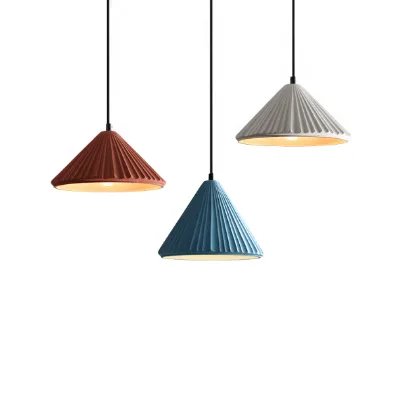
E27 Retro Hanging Lamp Industrial Cement and Resin Concrete Pendant Lamps
$18.60 - $63.80
MOQ: 1 Pieces





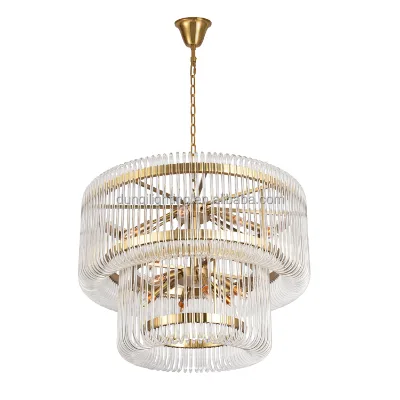
Modern Industrial Light Creative Circular Pendant Ceiling Light for Dining Room
$399.00 - $1000.00
MOQ: 2 pieces


New Design Cement Hanging Lamp Concrete Pendant Light Cement LED Pendant Light
$35.61 - $55.31
MOQ: 2 Minimum
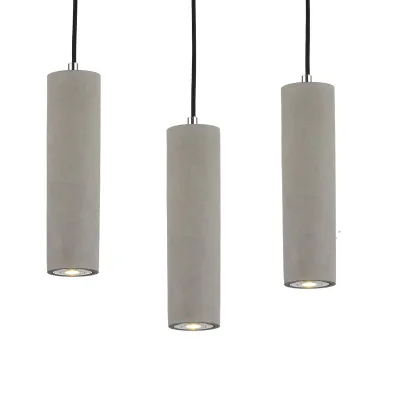

Comprehensive Sourcing Guide
Industrial Cement Pendant Light Sourcing Guide
Sourcing industrial cement pendant lights requires a careful balance between aesthetic intent and technical rigor. These fixtures are defined by their raw, textured concrete housings and their application in commercial or high-end residential spaces where a modern, minimalist, or industrial aesthetic is desired. Buyers must recognize that "cement" in product listings often refers to concrete or cement-based composite materials, which carry specific weight, durability, and finishing requirements. The procurement process involves verifying material composition, electrical safety, and supply chain reliability to ensure the final installation meets both design specifications and regulatory standards.
This guide provides a structured approach to evaluating suppliers and products in this category. It focuses on the critical decision points for procurement professionals, including technical verification, compliance documentation, and commercial terms. By adhering to the evidence-based observations and trusted industry knowledge provided, buyers can mitigate risks associated with material inconsistencies, electrical hazards, and logistical delays. The goal is to equip sourcing teams with the necessary framework to select products that are not only visually appealing but also functionally robust and compliant with international safety norms.
Product Scope and Observed Listing Signals
The product scope for industrial cement pendant lights encompasses a variety of designs, ranging from single concrete pendants to multi-light fixtures with European or modern styling. Observed listings indicate a diverse range of models, such as CS0826, CS0827, and CS 6720, suggesting that suppliers offer customizable options to meet specific project requirements. The style attributes frequently cited include "Modern," "Decoration," and "European," which helps buyers categorize products based on their intended interior design theme. Additionally, the presence of OEM (Original Equipment Manufacturer) services indicates that many suppliers are open to custom branding, packaging, and potentially design modifications, which is crucial for large-scale commercial projects.
Visual and physical attributes observed in listings provide key signals for quality assessment. Common features include a grey or gray frame color, warm white color temperature, and specific dimensions such as 606090mm or various packaging sizes like 19*20CM. The irradiated area is typically listed between 5-10 square meters, which is a critical metric for lighting designers to determine fixture placement and quantity. Furthermore, the inclusion of light sources varies, with some models supplied with LED bulbs and others without, requiring buyers to clarify whether the price includes the light source or if it is sold as a bare fixture. These signals help in narrowing down the product range to those that align with the project's technical and aesthetic needs.
Technical Specifications to Verify
Technical verification begins with the electrical components and physical construction of the pendant light. Buyers must confirm the lamp holder type, which is commonly E27 or E14/E27, ensuring compatibility with the desired light source. The voltage specifications observed range from 110V to 220-240V, which is a critical factor for international shipments; mismatched voltage can lead to fixture failure or safety hazards. Additionally, the wire length is often specified as 1m, and the wire gauge is noted as 0.75mm2, which are standard but must be verified against local electrical codes and installation requirements. The beaming angle of 60° is another key specification that influences the spread and intensity of the light, affecting the overall ambiance of the space.
Material and structural specifications are equally important for industrial cement fixtures. The base type is often listed as EC, and the IP rating is a crucial factor for durability, although specific IP values may vary by model. Buyers should verify the weight and dimensions of the fixture, as concrete is significantly heavier than metal or plastic alternatives, requiring robust ceiling mounting hardware. The packing method, whether export carton, foam+carton, or standard carton, impacts the risk of damage during transit. Given the brittle nature of concrete, proper packaging is essential to prevent chipping or cracking, and buyers should request detailed packing diagrams or photos to assess the protective measures in place.
Compliance and Safety Documentation
Compliance with international safety standards is non-negotiable for industrial lighting products. The most frequently observed certifications in the market are CE and RoHS, which indicate conformity with European health, safety, and environmental protection standards. Some listings also mention VDE certification, which is a German standard for electrical safety and is highly regarded for its rigorous testing protocols. Buyers must request valid certificates from recognized testing bodies and verify their authenticity, as counterfeit documents are a risk in the global supply chain. The presence of these certifications ensures that the electrical components, such as the wire and lamp holder, meet essential safety requirements.
Beyond electrical safety, buyers should inquire about additional certifications relevant to their target market, such as UL for North America or SAA for Australia. The material composition of the cement housing should also be reviewed for environmental compliance, particularly regarding the release of harmful substances, which is covered under RoHS. It is advisable to ask for test reports that specifically address the electrical safety of the finished product, including insulation resistance and dielectric strength tests. Ensuring that the supplier can provide comprehensive documentation not only facilitates customs clearance but also protects the buyer from liability in case of product failure or safety incidents.
Cost Drivers and Commercial Terms
The cost of industrial cement pendant lights is influenced by several factors, including material quality, customization options, and order volume. The observed price range in the market is broad, from $1 to $3000, reflecting the diversity from simple single-light fixtures to complex multi-light chandeliers. The MOQ (Minimum Order Quantity) typically ranges from 1 to 1000 units, offering flexibility for both small boutique projects and large commercial installations. Buyers should negotiate based on volume, as higher quantities often result in lower unit costs, but must also consider the impact of customization on pricing, as OEM services and custom packaging may incur additional fees.
Commercial terms such as payment methods, lead times, and shipping conditions are critical for effective procurement planning. While specific lead times are not provided in the observed data, buyers should establish clear timelines with suppliers, especially for customized orders which may require additional production time. The origin of the products, often listed as China or specifically Fujian/Fuzhou, can impact shipping costs and transit times. Buyers should also consider the total landed cost, including duties, taxes, and insurance, when evaluating quotes. Clear communication regarding Incoterms, such as FOB or CIF, is essential to define the responsibilities of both parties and avoid unexpected expenses.
Supplier Qualification and Quality Control
Supplier qualification is a vital step in ensuring the reliability of the supply chain. Buyers should verify the supplier's business license, manufacturing capabilities, and export experience. Given that many products originate from Fujian, China, a region known for its lighting industry, buyers can leverage local industry knowledge to assess the supplier's reputation and track record. Requesting references from previous clients, particularly those in the hotel or restaurant sectors where these fixtures are commonly applied, can provide insights into the supplier's consistency and service quality. Additionally, verifying the supplier's ability to handle OEM requests and provide custom solutions is important for projects with specific branding needs.
Quality control measures should be established before placing orders to minimize the risk of defects. Buyers should request product samples to evaluate the finish, weight, and electrical functionality of the cement pendant lights. Implementing a pre-shipment inspection (PSI) is recommended to check for visual defects, packaging integrity, and compliance with specifications. The supplier should have a clear quality assurance process, including incoming material inspection, in-process quality control, and final product testing. Establishing a clear protocol for handling defective items, including return policies and compensation, is essential to protect the buyer's interests and maintain project timelines.
Long-Term Procurement Checks
Long-term procurement success depends on continuous monitoring and relationship management with suppliers. Buyers should establish regular communication channels to discuss order status, potential delays, and any changes in product specifications or regulations. Building a strong relationship with the supplier can lead to better pricing, priority production, and improved support for after-sales issues. It is also advisable to diversify the supplier base to mitigate risks associated with single-source dependency, especially for critical projects where delays can have significant consequences.
As market trends and regulations evolve, buyers must stay informed about changes in lighting technology, safety standards, and sustainability requirements. Regularly reviewing the performance of the installed fixtures and gathering feedback from end-users can provide valuable insights for future procurement decisions. Additionally, exploring opportunities for product innovation, such as energy-efficient LED integration or smart lighting controls, can enhance the value proposition of the industrial cement pendant lights. By maintaining a proactive approach to supplier management and market analysis, buyers can ensure a steady supply of high-quality products that meet their evolving needs.
FAQs
What certifications do these cement pendant lights have?
These industrial cement pendant lights carry CE and RoHS certifications. Some models also include VDE certification. Buyers should verify specific product pages for the exact certification list applicable to their order.
Can I customize the design of these lights?
Yes, customization is available for these industrial cement pendant lights. Buyers can request specific styles or modifications. OEM services are welcome to meet unique project requirements and design preferences.
What voltage options are available for these fixtures?
These lights operate on 110V or 220-240V voltage options. The specific voltage depends on the model selected. Buyers must confirm the voltage requirement before placing an order to ensure compatibility.
Which lamp holders are compatible with these lights?
Compatible lamp holders include E27, E14, and LED bulb types. The specific holder varies by model. Buyers should check the product specifications to ensure the correct bulb type is selected for their needs.
How are these lights packaged for export?
These lights are packaged in export cartons, sometimes with foam protection. Some models use standard cartons while others use foam plus carton. This ensures safe transport during international shipping to various destinations.
What is the origin of these industrial cement pendant lights?
The products originate from China, specifically Fujian and Fuzhou regions. Buyers can expect manufacturing from these established industrial zones. The origin is consistent across the listed product range for this category.