Source Industrial Carbon Fiber Fabric for Transportation, Security, and Electronics
Find and compare 30 Industrial Carbon Fiber Fabric options for transportation textiles, security applications, and specialized industrial uses. Evaluate specifications such as weave type, tensile strength, and fiber diameter to select the right material for your manufacturing needs.
Key considerations
Products List


High-Quality Fire Resistant Carbon Fiber Cloth for Industrial Use
$6.50 - $12.00
MOQ: 100 Square Meters


$10.00 - $50.00
MOQ: 10 Square Meters


$10.00 - $50.00
MOQ: 10 Square Meters


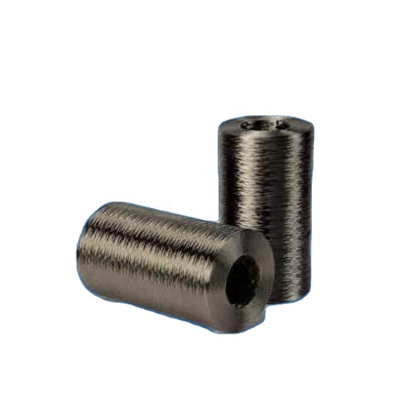


Lightweight Multiaxial Carbon Fiber Fabric for Strong Performance
$8.00 - $45.00
MOQ: 50 Square Meters


Premium Unidirectional Carbon Fiber Fabric for Lightweight Durability
$5.00 - $38.00
MOQ: 50 Square Meters


Comprehensive Sourcing Guide
Industrial Carbon Fiber Fabric Sourcing Guide
Procuring Industrial Carbon Fiber Fabric requires a disciplined approach to distinguishing between raw textile forms and finished composite components, as the market offers a wide spectrum of product states ranging from short fibers to continuous filaments. Buyers must first clarify whether the procurement goal involves raw material for layup processes or a pre-formed structural element, as the supply chain for these distinct categories often diverges significantly in terms of manufacturing capability and quality assurance protocols. The observed market data indicates a diverse inventory including plain, twill, and satin weaves, alongside specific product models like HW-Carbon and BB234, which suggests that suppliers may operate across multiple segments of the carbon fiber value chain.
A critical initial step is to verify the specific fiber architecture and state, as the difference between short fiber and filament forms dictates the downstream processing method and final mechanical performance. While some listings highlight high-strength types suitable for transportation textiles, others specify applications in security textiles or even non-carbon materials like glass fiber, necessitating a rigorous review of the material type field before placing an order. The presence of customization options for weave types and lengths implies that many suppliers are equipped to handle bespoke requirements, but this flexibility must be balanced against the need for consistent quality control and adherence to specific tensile strength standards.
Product Scope and Observed Listing Signals
The product scope for Industrial Carbon Fiber Fabric is defined by a variety of structural configurations, including carbon fiber cloth, plates, and yarns, each serving distinct manufacturing needs. Listings frequently reference specific weave types such as plain, twill, and satin, which directly influence the fabric's drape, stiffness, and resin impregnation characteristics. Buyers should note that while some entries specify a weight of 200g, others indicate a broader standard range from 80g/m² to 1200g/m², reflecting the availability of both lightweight and heavy-duty variants. This variance requires the buyer to explicitly define the required areal weight and fiber count, such as 1K, 3K, 6K, or 12K, to ensure the selected material aligns with the structural load requirements of the intended application.
Observation of listing signals reveals that product models vary significantly, with identifiers like CF-01, CF-02, and Carbon 3k appearing alongside generic descriptions, which can complicate direct comparison without detailed technical datasheets. The state of the material is another critical signal, with some products listed as short fiber while others are described as continuous filament, a distinction that fundamentally alters the manufacturing process for the end-user. Additionally, the presence of specific raw material types, such as polyacrylonitrile-based carbon fiber, serves as a key indicator of the precursor quality, which is essential for achieving the high-performance mechanical properties expected in industrial applications.
Technical Specifications to Verify
When evaluating technical specifications, the fiber diameter and length are paramount parameters that determine the fabric's handling characteristics and final composite strength. Market data shows fiber diameters ranging from 5μm to 10μm, and lengths varying from continuous forms to customized cuts, requiring the buyer to confirm which specification matches their specific weaving or molding equipment. The thickness of the fabric is another variable, with observed ranges spanning from 0.26mm to 0.8mm, and some listings simply noting "Thickness" without a specific value, which necessitates a direct request for precise dimensional data to ensure compatibility with tooling and lamination processes.
Mechanical properties and surface finish are equally critical verification points, as the tensile strength and surface smoothness directly impact the quality of the final composite part. Buyers should verify that the product meets high-strength and high-performance type classifications, particularly for applications in transportation and security sectors where structural integrity is non-negotiable. The warp fiber composition, often cited as T300-3000, and the yarn type, such as 3K Chinese yarn, provide insight into the fiber grade and origin, which are essential for predicting the material's behavior under stress and its compatibility with specific resin systems.
Compliance and Safety Documentation
Compliance and safety documentation for industrial carbon fiber fabrics often involve a mix of international standards and specific product certifications that vary by supplier and product line. While some listings explicitly mention certifications such as RoHS, ISO, GS, FCC, CE, CCC, and BSCI, these should be treated as supplier-specific claims that require validation against the actual product batch rather than assumed guarantees for all inventory. The presence of these certifications suggests a commitment to regulatory adherence, but buyers must request current, valid certificates for the specific model being purchased to ensure that the material meets the safety and environmental requirements of their target market.
In addition to product-specific certifications, the broader manufacturing standards and quality management systems of the supplier play a vital role in ensuring consistent product quality. Although ISO 9001:2015 is mentioned in background contexts, it should not be assumed as a universal fact for every listed product without direct confirmation from the supplier. Buyers should prioritize suppliers who can provide clear documentation regarding the raw material source, such as polyacrylonitrile-based carbon fiber, and demonstrate traceability through their production process to mitigate risks associated with material inconsistencies or non-compliance with industry regulations.
Cost Drivers and Commercial Terms
Cost drivers in the Industrial Carbon Fiber Fabric market are heavily influenced by the fiber count, weave complexity, and the degree of customization required for the order. Products with higher fiber counts like 18K or 24K, or those with specialized weaves such as satin, typically command higher prices due to the increased material and processing costs involved. The observed price range of 1 to 1000 USD reflects this variability, but buyers should be cautious of using price as the sole selection criterion, as the cost must be weighed against the specific mechanical properties and performance requirements of the application.
Commercial terms, including minimum order quantities (MOQ) and delivery lead times, are significant factors that affect the total cost of ownership and supply chain reliability. The observed MOQ range of 1 to 1000 units indicates that suppliers cater to both small-scale prototyping and large-volume production, but buyers must confirm the specific MOQ for their desired product model to avoid unexpected financial commitments. Delivery times are generally cited as 14 to 21 days, yet this can vary based on the customization level and production capacity, making it essential to negotiate clear lead time guarantees and penalty clauses for delays in the purchase agreement.
Supplier Qualification and Quality Control
Supplier qualification for Industrial Carbon Fiber Fabric requires a thorough assessment of their manufacturing capabilities, particularly regarding their ability to maintain consistent fiber alignment and weave integrity. The origin of the products, often listed as Shandong, China, provides a geographical context, but buyers should verify the specific factory's quality control processes to ensure that the high-performance type claims are substantiated by rigorous testing. The variety of packing methods, from cartons and pallets to woven and snakeskin bags, also serves as an indicator of the supplier's attention to detail in protecting the material during transit, which is crucial for preventing damage to delicate carbon fiber structures.
Quality control measures should extend beyond the final product to include the verification of raw materials and intermediate processing steps. Buyers should inquire about the supplier's protocols for handling different fiber states, such as the transition from short fiber to filament, and their methods for ensuring that the tensile strength and other mechanical properties remain within specified tolerances. The availability of customization for length and weave type suggests a flexible production environment, but this flexibility must be balanced with strict quality assurance checks to prevent defects that could compromise the structural integrity of the final composite component.
Long-Term Procurement Checks
Long-term procurement checks for Industrial Carbon Fiber Fabric involve establishing a framework for ongoing quality assurance and performance monitoring to ensure that the material continues to meet specifications over time. Buyers should implement a system for periodic sampling and testing of incoming batches to verify that the fiber diameter, thickness, and tensile strength remain consistent with the initial order specifications. This proactive approach helps to identify any drift in quality that might occur due to changes in raw material sources or manufacturing processes, allowing for timely corrective actions before defects impact production.
Building a resilient supply chain also requires maintaining open communication channels with suppliers to discuss potential updates in standards, material availability, and technological advancements. As the industry evolves, suppliers may introduce new fiber types or weave patterns that offer improved performance, and buyers should stay informed about these developments to optimize their material selection. Regular reviews of supplier performance, including adherence to delivery times and quality standards, will help to foster a partnership that supports long-term reliability and continuous improvement in the procurement of industrial carbon fiber fabrics.
FAQs
What are the available weave types for Industrial Carbon Fiber Fabric?
Industrial Carbon Fiber Fabric is available in plain, twill, and satin weaves, with customized options also supported. These weave structures influence the material's drape and surface appearance. Buyers can select from standard configurations or request specific patterns to meet unique textile engineering requirements for various industrial applications.
Can I customize the length and width of the carbon fiber cloth?
Yes, customization is available for both length and width dimensions. Standard lengths may include 50m or 100m rolls, but customized lengths are offered to suit specific production needs. Widths are typically around 1000mm, ensuring compatibility with standard weaving and processing equipment used in manufacturing sectors.
What certifications are provided for the carbon fiber textile products?
Products are certified with RoHS, ISO, GS, FCC, CE, CCC, and BSCI standards. These certifications ensure compliance with international safety and quality regulations. Buyers requiring specific documentation for regulatory approval or supply chain auditing can request these verified credentials directly from the manufacturer to facilitate smooth procurement processes.
What is the typical delivery time for orders of carbon fiber fabric?
The standard delivery time ranges from 14 to 21 days after order confirmation. This timeframe allows for production scheduling and quality checks. Expedited shipping options may be available depending on stock levels and logistics arrangements, ensuring timely receipt of materials for urgent industrial textile projects and manufacturing schedules.
How is the carbon fiber fabric packed for shipment?
Packaging methods include cartons, woven bags, and snakeskin bags, often placed on pallets for stability. This variety ensures protection during transit and storage. The choice of packaging depends on the specific product model and buyer requirements, safeguarding the integrity of the high-strength fibers from moisture and physical damage.
What are the common applications for this industrial carbon fiber material?
This material is widely used in transportation textiles and security textiles due to its high strength and lightweight properties. It serves critical roles in automotive, aerospace, and protective gear manufacturing. The versatility of the fabric allows it to be integrated into various composite structures requiring durability and performance.