Source Industrial Ceramic Basin Bathroom Vanity with Mirror for Home Hotel Bathroom
Find 30 Industrial Ceramic Basin Bathroom Vanity with Mirror options featuring wall-mounted designs and modern styles. Buyers can compare specifications, certifications, and customization services from verified suppliers in Guangdong, China.
Key considerations
Products List


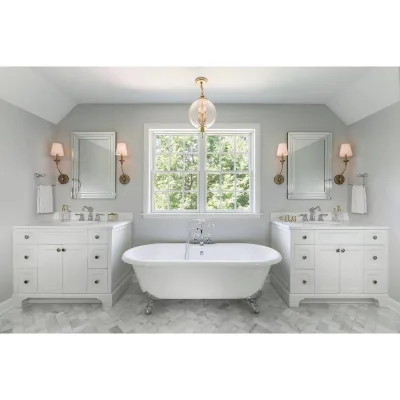


Easy-Clean Surface Ultra-Durable Ceramic Basin Bathroom Cabinet Vanity
$110.00 - $164.00
MOQ: 1 Pieces


Modern Style Marble Wash Basin Bathroom Vanity with LED Mirror Wall Cabinet
$236.00 - $246.00
MOQ: 10 Sets


Comprehensive Sourcing Guide
Industrial Ceramic Basin Bathroom Vanity with Mirror Sourcing Guide
Sourcing industrial-grade ceramic basin bathroom vanities with integrated mirrors requires a disciplined approach to material verification, dimensional accuracy, and supply chain transparency. The modern bathroom furniture market offers a wide array of configurations, but procurement teams must distinguish between standard residential units and those built for higher durability or specific commercial applications. This guide outlines the critical evaluation steps for buyers seeking to procure these fixtures, focusing on the intersection of ceramic basin integrity, cabinet construction, and mirror integration. By adhering to structured verification protocols, buyers can mitigate risks associated with material defects, non-compliant dimensions, and unreliable delivery schedules.
The following sections provide a comprehensive framework for evaluating suppliers and products. Each section is designed to address a specific phase of the procurement lifecycle, from initial product scope definition to long-term quality assurance. Buyers are encouraged to use this guide as a checklist during supplier audits and contract negotiations. The emphasis is on evidence-based decision-making, relying on observable product attributes and verified commercial terms rather than marketing claims. This approach ensures that the final procurement aligns with both functional requirements and budgetary constraints.
Product Scope and Observed Listing Signals
The observed product landscape for industrial ceramic basin bathroom vanities reveals a diverse range of configurations, primarily centered around wall-mounted installations. A significant portion of available units features a modern style, catering to contemporary architectural trends in both residential and hospitality sectors. The core material composition typically involves ceramics for the basin, which provides durability and ease of maintenance, while the cabinet carcass may vary between solid wood and other composite materials. Buyers should note that customization is a prevalent feature, allowing for tailored solutions regarding color, logo placement, and specific dimensional adjustments to fit unique bathroom layouts.
Observed listing signals indicate a strong emphasis on integrated accessories, with many units supplied as complete sets including the mirror, basin, and cabinet. This all-in-one approach simplifies installation logistics but requires careful verification of component compatibility. For instance, some units are equipped with mirror lamps, enhancing functionality in low-light environments, while others are supplied without lighting fixtures. The presence or absence of a water blocking plate is another critical differentiator, impacting the longevity of the cabinet in high-moisture conditions. Procurement teams must clearly define these attribute requirements in their initial requests for quotation to avoid mismatches between expected and delivered specifications.
Technical Specifications to Verify
Dimensional accuracy is paramount when sourcing bathroom vanities, as even minor deviations can disrupt installation timelines and aesthetic cohesion. Verified specifications for observed models range from compact units measuring approximately 600x480x480mm to larger configurations exceeding 113x101x59cm. Buyers must cross-reference the stated standard dimensions with the actual product model numbers, such as F-3892A-60 or J-100, to ensure precise fitment. It is essential to verify whether the dimensions refer to the overall unit or just the cabinet body, as this distinction affects space planning and plumbing alignment. Requesting detailed technical drawings from the supplier is a recommended step to confirm these measurements before placing bulk orders.
Material composition and construction quality directly influence the product's lifespan and performance. While ceramic basins are consistently observed, the countertop material may vary, with marble being a noted option in some listings, offering a premium aesthetic but requiring specific maintenance protocols. The cabinet carcass material, often solid wood in higher-tier models, must be evaluated for moisture resistance, especially in wall-mounted applications where structural integrity is critical. Additionally, the packing method, ranging from simple cartons to five-layer carton packing with wood frames, plays a crucial role in protecting the product during transit. Buyers should assess the robustness of the packaging to minimize the risk of damage upon arrival, particularly for fragile components like ceramic basins and glass mirrors.
Compliance and Safety Documentation
Regulatory compliance is a non-negotiable aspect of international procurement, particularly for products involving electrical components like mirror lamps. Observed listings frequently cite CE certification, indicating adherence to European health, safety, and environmental protection standards. For buyers targeting markets with stringent regulatory requirements, verifying the validity of these certificates is essential. In some cases, additional certifications such as REACH may be present, ensuring that the materials used do not contain harmful substances. Procurement teams should request copies of these certificates and validate them against official databases to confirm their authenticity and current status.
Beyond product-specific certifications, general safety and quality standards must be considered. While specific standards like ASTM C1036 are mentioned in background contexts, buyers should verify which standards apply to their specific market and product configuration. For ceramic products, standards related to water absorption rates and thermal shock resistance are critical for ensuring durability. Similarly, for wooden components, standards regarding formaldehyde emissions and structural stability may apply. Buyers should include clauses in their contracts requiring suppliers to provide test reports or compliance statements for all relevant standards, ensuring that the products meet the legal requirements of the destination country.
Cost Drivers and Commercial Terms
The cost structure for industrial ceramic basin bathroom vanities is influenced by several key factors, including material selection, customization level, and order volume. Observed price ranges vary significantly, reflecting differences in product complexity and quality. Buyers should analyze the cost breakdown to understand the impact of specific features, such as marble countertops or integrated mirror lamps, on the final price. Customization options, including logo printing and color adjustments, often incur additional charges. It is advisable to request detailed quotations that itemize these costs to facilitate accurate budgeting and cost-benefit analysis.
Commercial terms, including minimum order quantities (MOQ) and delivery times, also play a crucial role in procurement planning. Observed MOQs can range from single units to larger batches, offering flexibility for different procurement needs. Delivery times typically fall within a 20-30 day window, but this can vary based on customization requirements and production capacity. Buyers should negotiate clear delivery schedules and penalty clauses for delays to mitigate supply chain risks. Additionally, payment terms and warranty conditions, such as the observed five-year warranty on some models, should be carefully reviewed to ensure adequate protection against defects and premature failures.
Supplier Qualification and Quality Control
Supplier qualification is a critical step in ensuring a reliable supply chain for bathroom vanities. Buyers should assess the supplier's production capacity, quality control processes, and after-sales support capabilities. Observed supply abilities, such as 10,000 sets per month, indicate the potential scale of production, but buyers should verify this through site audits or third-party inspections. It is also important to evaluate the supplier's experience in OEM/ODM services, as this reflects their ability to meet specific design and branding requirements. Suppliers with a proven track record in international markets are generally more reliable in terms of compliance and communication.
Quality control measures should be integrated into the procurement process to minimize defects and ensure consistency. Buyers should implement pre-shipment inspections to verify product quality, dimensions, and packaging integrity. Establishing clear quality standards and acceptance criteria in the contract is essential for resolving disputes. Additionally, buyers should inquire about the supplier's defect rate and return policy to understand their commitment to quality. Building a strong relationship with the supplier through regular communication and feedback can also help in maintaining high standards and addressing any issues promptly.
Long-Term Procurement Checks
Long-term procurement success depends on continuous monitoring and evaluation of supplier performance. Buyers should establish key performance indicators (KPIs) to track metrics such as on-time delivery, product quality, and responsiveness to issues. Regular reviews of these metrics can help identify potential problems early and facilitate corrective actions. It is also important to stay updated on market trends and technological advancements in bathroom vanity design, as this can inform future procurement decisions and product upgrades. Engaging in strategic partnerships with suppliers can lead to better pricing, priority production, and access to new innovations.
Sustainability and ethical sourcing are increasingly important considerations in long-term procurement strategies. Buyers should assess the supplier's environmental practices, such as waste management and energy efficiency, to align with corporate sustainability goals. Additionally, verifying the ethical sourcing of materials, particularly wood and ceramics, can help mitigate reputational risks. By incorporating these factors into their procurement strategy, buyers can contribute to a more sustainable and responsible supply chain while ensuring the long-term viability of their operations.
FAQs
What materials are used in these bathroom vanities and basins?
The basins are made of ceramics, and countertop options include marble. Cabinet carcases may be solid wood, depending on the model. Each listing on the product page states its own basin material, countertop material, and carcase material, so review those attributes before ordering to confirm the combination meets your project requirements.
Can I customize the color, size, or logo on a bathroom cabinet order?
Yes, customization is available on many listed models. Options include customized colors such as gray or beige, tailored dimensions, and logos made to your design. OEM and ODM services are acceptable. Some models are non-customized, so check the customization attribute for the specific unit you intend to purchase.
What is the typical delivery time for these bathroom cabinets?
The listed delivery time is 20 to 30 days after order confirmation. This applies to standard configurations, while customized orders may require additional production time. Confirm the exact schedule with the supplier before placing a purchase order, especially if your installation date is fixed or you need coordinated shipment with other fittings.
How are the vanity units packed for shipping?
Packing varies by model. Common options include carton packing, five-layer carton packing, and carton plus wood frame for added protection. The mirror, basin, and cabinet are usually packed as a set. Wood-frame packing is recommended for long-distance or mixed freight, so confirm the packing method for your chosen model before shipping.
Which certifications do these bathroom vanity products carry?
Listed certificates include CE, and some models also show CE/Reach certification. Certification is stated per product, so verify the certificate attribute on each listing before ordering. If your market requires additional documentation, request copies from the supplier during quotation to confirm the products meet your import requirements.
What is the minimum order quantity for a ceramic basin vanity set?
The listed MOQ is 10 sets on products that show that attribute, though MOQ values across the category range from 1 to 20. Check the MOQ field for the specific model you want, since smaller trial orders may be possible on some listings while bulk project orders follow the stated minimum.
Do the vanities include a mirror, mirror lamp, and water blocking plate?
Configurations differ by model. A typical set includes mirror, basin, and cabinet as accessories. Some models come with a mirror lamp while others are without one, and similarly some have a water blocking plate and others do not. Review the product attributes for the exact configuration included before placing your order.
What sizes are available for these wall-mounted bathroom vanities?
Listed dimensions include 800x470x500mm, 600x480x480mm, 82x48x56cm, 95x80x56cm, 96x90x86cm, and 113x101x59cm, with a square, modern style. All units are wall mounted. Customized sizes may be possible on models marked as customized, so confirm dimensions and installation clearances against your bathroom layout before ordering.