Source Industrial Floor Tile Laying Vibrator for Wall, Floor, and Tile Projects
Compare 30 Industrial Floor Tile Laying Vibrator options from verified Chinese suppliers. These tools feature brushless motors and battery power for efficient installation on tiles up to 60x60cm, with customizable handles and OEM support available; compare the available evidence and request quotations based on your requirements.
Key considerations
Products List
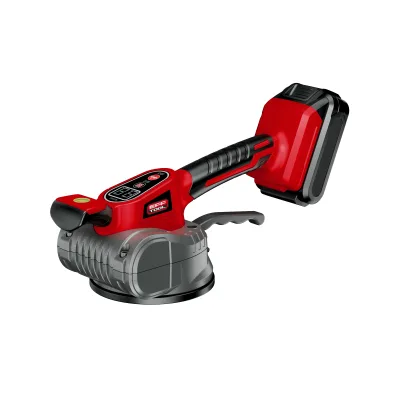


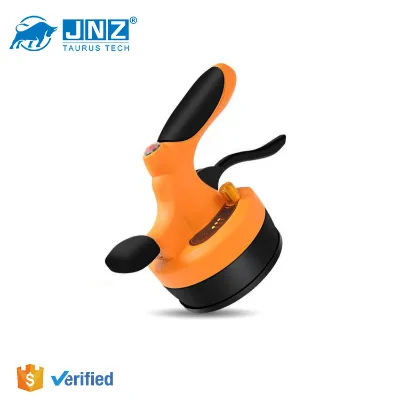
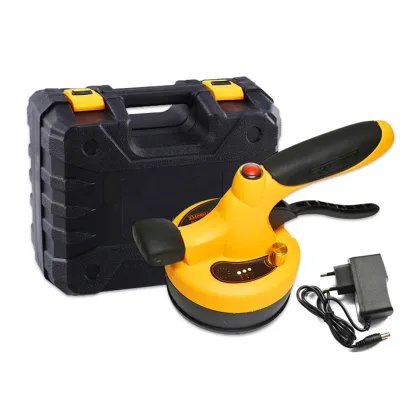
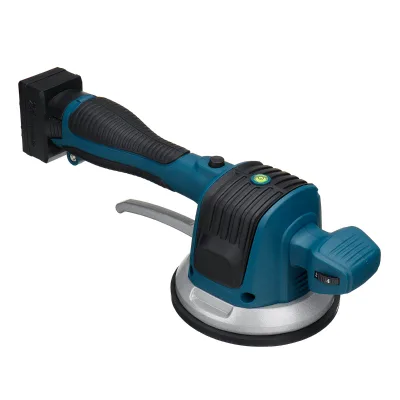
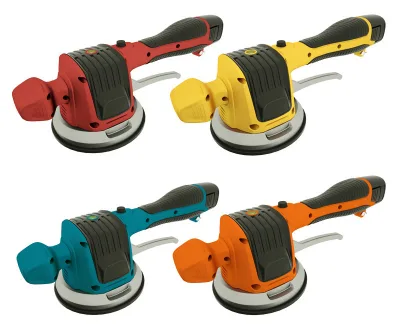


Automatic Leveling Power Tools Floor Tools Wall Tile Vibrator Tile Machine
$36.00 - $40.00
MOQ: 60 sets


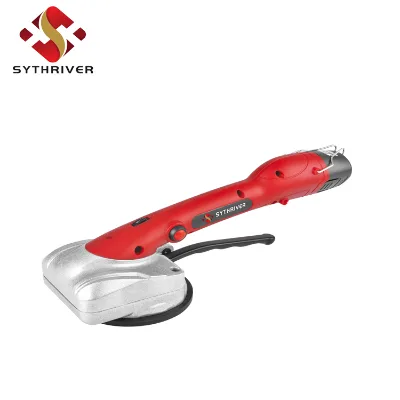
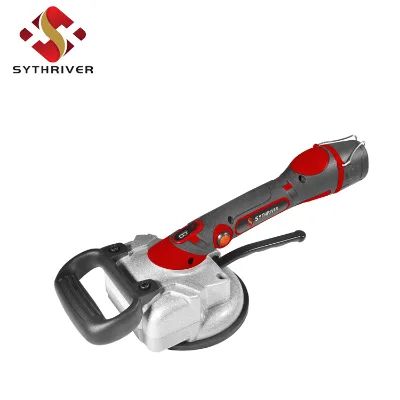


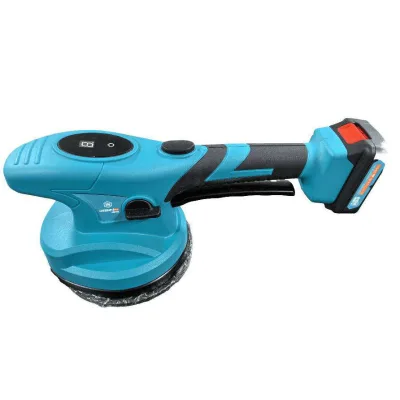
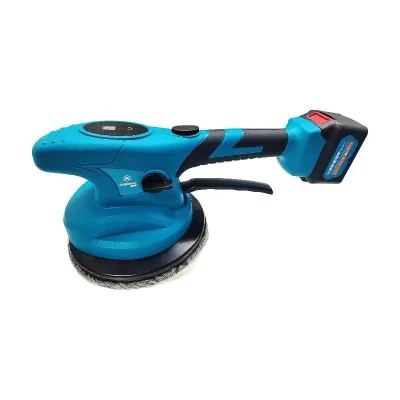
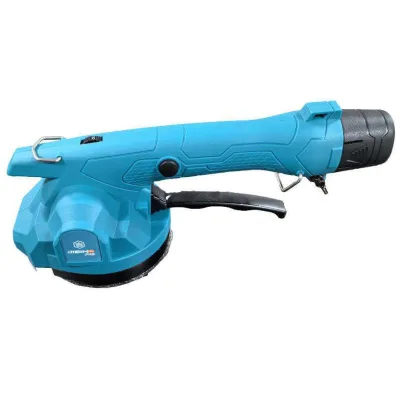


Tile Laying Vibrator Tile Laying Tool Multifunctional Electric Automatic Tile Laying Tool
$16.99 - $33.00
MOQ: 10 Pieces

Best Price Ceramic Tile Laying Tools Hand-Held Vibrating Tile Laying Vibrator
$33.00 - $45.00
MOQ: 10 Pieces

High Quality Electric Tile Tools Hand-Held Vibrating Tile Laying Vibrator Machine Electric
$33.00 - $45.00
MOQ: 10 Pieces

Comprehensive Sourcing Guide
Industrial Floor Tile Laying Vibrator Sourcing Guide
Procuring industrial floor tile laying vibrators requires a clear understanding of the distinct mechanical advantages these tools offer over manual tamping methods. These devices utilize high-frequency oscillations to eliminate air pockets beneath ceramic, porcelain, and stone tiles, ensuring a uniform bond with the adhesive substrate. This process significantly reduces the risk of hollow sounds, cracking, or eventual tile detachment, which are common failures in large-format installations. Buyers must recognize that while the core function is consistent, the specific motor types and power sources vary widely across suppliers, directly impacting performance on different job sites.
The market presents a mix of electric and battery-operated models, each suited for different operational scales. Electric units often provide continuous power for high-volume commercial projects, while battery-powered variants offer mobility for residential or remote sites. Observations from current listings indicate a strong presence of brushless motor technologies, which generally offer longer lifespans and reduced maintenance compared to brushed alternatives. Understanding these fundamental differences allows procurement teams to align tool selection with project timelines, site conditions, and the specific weight and size of the tiles being installed, ensuring optimal efficiency and quality control.
Product Scope and Observed Listing Signals
Current market listings reveal a diverse range of specifications, with power outputs observed between 1200 W and 150 W, indicating a spectrum from heavy-duty industrial units to lighter, portable devices. The observed minimum order quantities (MOQs) range from 1 to 1000 units, suggesting flexibility for both small contractors and large distributors. Prices vary significantly, reflecting differences in motor quality, battery capacity, and build materials. Buyers should note that many suppliers offer customization options, including branded handles and specific color schemes, which can be crucial for corporate identity or site safety compliance.
Product descriptions frequently highlight compatibility with tiles up to 60x60 cm, though some industrial-grade models may support larger formats. The material composition is often listed as composite materials, designed to withstand vibration stress while remaining lightweight. Packaging details vary from individual boxes to carton sets, impacting shipping costs and storage requirements. Additionally, some listings mention dual-purpose capabilities, such as serving as advertising displays or featuring double-jaw suction cup attachments, which may indicate multi-functional tools. Buyers must carefully verify these claims to ensure the tool meets the specific mechanical demands of their tiling operations.
Technical Specifications to Verify
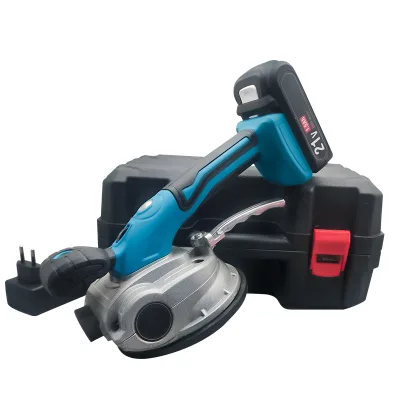
Motor type is a critical specification, with brushless motors appearing frequently in high-end listings due to their durability and efficiency. Buyers should verify the actual motor power rating, as some listings may advertise peak power rather than continuous output. Voltage specifications, such as 21V for battery models, must be matched with compatible battery packs, often cited as 1500mAh, to ensure adequate runtime. The weight of the unit, ranging from 0.305 kg to 0.95 kg for the tool itself, affects operator fatigue during extended use, making ergonomic design a key consideration for long-term productivity.
Adhesion and lifting capacity are also vital technical parameters, with some tools offering suction capabilities up to 30 kg or even 200 kg for specific models. This feature allows for precise placement and adjustment of heavy tiles without direct hand contact, reducing the risk of injury and improving alignment accuracy. Buyers should confirm the type of vibration mechanism, whether it is purely electric or assisted by pneumatic elements, as this affects the consistency of the output. Additionally, the scope of application should be explicitly stated to ensure compatibility with the specific tile materials and adhesive types used in the project.
Compliance and Safety Documentation
Safety certifications are paramount when sourcing power tools for industrial use. Buyers must request documentation confirming compliance with relevant electrical safety standards, such as CE or RoHS, depending on the destination market. These certifications ensure that the tool’s electrical components, including batteries and motors, meet rigorous safety thresholds to prevent hazards like overheating, short circuits, or electric shock. Without verified compliance documents, procurement teams risk exposing their operations to liability and operational disruptions due to non-compliant equipment.
Warranty terms provide an additional layer of protection, with many suppliers offering one-year warranties on their products. Buyers should carefully review the warranty coverage to understand what components are included and what conditions might void the agreement. It is also essential to verify the availability of spare parts, such as replacement batteries or vibration heads, to minimize downtime. Clear safety instructions and user manuals should be provided in the local language, ensuring that operators can use the tools correctly and safely, thereby reducing the risk of workplace accidents.
Cost Drivers and Commercial Terms
The cost of industrial tile laying vibrators is influenced by several factors, including motor type, battery capacity, and build materials. Brushless motors and higher-capacity batteries typically command higher prices due to their superior performance and longevity. Customization options, such as branded handles or specific colors, may also add to the unit cost. Buyers should analyze the total cost of ownership, considering not just the purchase price but also maintenance, battery replacement, and potential downtime associated with lower-quality units.
Commercial terms, including MOQs and supply ability, vary significantly among suppliers. Some suppliers offer low MOQs for trial orders, while others require larger commitments for better pricing. Supply ability, often cited as 3000 pieces per week, indicates the supplier’s production capacity and reliability. Buyers should negotiate clear payment terms and delivery schedules to ensure timely receipt of goods. Additionally, understanding the port of dispatch, such as Shanghai or Shenzhen, can help in estimating shipping costs and lead times, which are crucial for project planning.
Supplier Qualification and Quality Control
Supplier qualification is a critical step in ensuring the reliability of the sourced equipment. Buyers should verify the supplier’s manufacturing capabilities, including their production facilities and quality control processes. Suppliers with OEM and ODM support often have more robust engineering teams, which can be beneficial for custom requirements. It is also important to check the supplier’s track record, including customer reviews and past performance, to gauge their reliability and responsiveness.
Quality control measures should be clearly defined and agreed upon before placing orders. Buyers should request samples for testing to verify performance, durability, and safety. Inspections can be conducted during production or before shipment to ensure that the products meet the specified standards. Additionally, buyers should establish clear communication channels with the supplier to address any issues promptly. A strong supplier relationship, built on transparency and mutual trust, can lead to better pricing, improved service, and long-term partnership opportunities.
Long-Term Procurement Checks
Long-term procurement success depends on continuous monitoring of supplier performance and product quality. Buyers should establish key performance indicators (KPIs) to track metrics such as delivery times, defect rates, and customer satisfaction. Regular audits and feedback sessions with suppliers can help identify areas for improvement and strengthen the partnership. Additionally, staying updated on industry trends and technological advancements can help buyers make informed decisions about future purchases.
It is also important to review and update procurement policies regularly to reflect changes in market conditions and business needs. Buyers should maintain a diverse supplier base to mitigate risks associated with single-source dependencies. Regularly evaluating the total cost of ownership and exploring alternative suppliers can help optimize spending and improve value. By adopting a proactive and strategic approach to procurement, buyers can ensure a steady supply of high-quality industrial tile laying vibrators, supporting their operational efficiency and project success.
FAQs
What power source does the Industrial Floor Tile Laying Vibrator use?
The Industrial Floor Tile Laying Vibrator uses a battery power source for operation. Some models feature a 1500mAh battery with 21V voltage, while others rely on electric power. This ensures mobility and efficiency during tile installation tasks without needing constant external power connections.
Which motor type is used in the Industrial Floor Tile Laying Vibrator?
The Industrial Floor Tile Laying Vibrator utilizes a brushless motor type for enhanced durability and performance. This motor design offers longer life and consistent power output. It is suitable for heavy-duty applications involving tiles within 60x60cm specifications, ensuring reliable vibration during laying processes.
Can the Industrial Floor Tile Laying Vibrator be customized for specific needs?
Yes, the Industrial Floor Tile Laying Vibrator supports customization for handles and other features. OEM and ODM services are available to tailor the product. Buyers can request specific colors or modifications to meet unique project requirements while maintaining the core functionality of the tile laying tool.
What is the weight of the Industrial Floor Tile Laying Vibrator?
The Industrial Floor Tile Laying Vibrator weighs approximately 0.305kg for lighter models and up to 0.95kg for others. This lightweight design facilitates easy handling and reduces operator fatigue. The single gross weight varies between 2.000kg and 5.000kg depending on packaging and specific model configuration.
How is the Industrial Floor Tile Laying Vibrator packaged for shipping?
The Industrial Floor Tile Laying Vibrator is packaged in a box carton or plastic box individually wrapped. Some sets include multiple items in a single package. This packaging ensures protection during transit and allows for convenient storage and handling by distributors and end-users in various global markets.
What is the supply ability for the Industrial Floor Tile Laying Vibrator?
The supply ability for the Industrial Floor Tile Laying Vibrator is 3000 pieces per week. This capacity supports large-scale orders and consistent demand from international buyers. Manufacturers in China, specifically in Ningbo and Jiangxi, maintain this production rate to ensure timely delivery and order fulfillment.
Which warranty is provided for the Industrial Floor Tile Laying Vibrator?
A one-year warranty is provided for the Industrial Floor Tile Laying Vibrator to cover manufacturing defects. This warranty ensures buyer confidence in product quality and durability. It applies to the electric and pneumatic-assisted manual suction cup types, offering protection during the initial period of use and installation.