Source Industrial Factory Grinding Machine for plastic PVC and meat processing
Compare 30 Industrial Factory Grinding Machine listings from verified Chinese suppliers. Buyers can evaluate specifications like voltage, power, and material compatibility for applications including plastic pulverizing and commercial meat processing.
Key considerations
Products List

$20000.00 - $30000.00
MOQ: 1 Pieces

$70000.00 - $75000.00
MOQ: 1 Pieces


Industrial fine micro powder grinding pulverizer mill machine Crushing machine
$1500.00 - $18000.00
MOQ: 1 Pieces


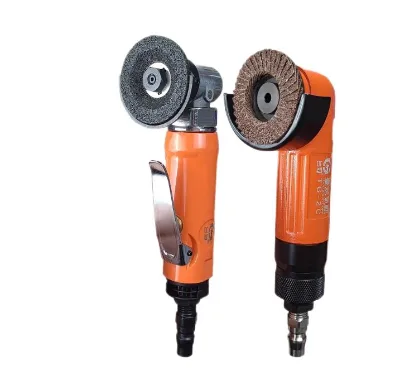


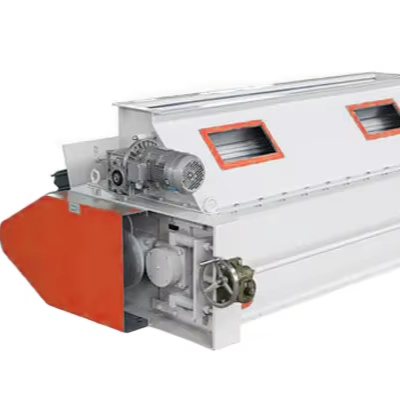


Durable Stainless Steel Grinder Machine for Efficient Grinding Solutions
$1000.00 - $20000.00
MOQ: 1 Pieces

Comprehensive Sourcing Guide
Strategic Sourcing Guide for Industrial Factory Grinding Machines
Understanding the Technical Landscape of Industrial Pulverizers
When sourcing an Industrial Factory Grinding Machine, buyers must first navigate a complex array of technical configurations that define the machine's capability and suitability for specific production lines. The core keyword "Industrial Factory Grinding Machine" encompasses a broad spectrum of equipment, ranging from wide belt sanders to high-capacity plastic pulverizers. A critical observation in the current market is the divergence in material handling capabilities. Some units are explicitly engineered for wood processing, utilizing a tangential feed structure and solid knife rollers designed for belt wood sanding applications. In contrast, other specialized units are built for plastic processing, featuring vibrating feeders and grinding discs made from SKD11 material to achieve precise micron-level outputs.
The power requirements for these industrial units vary significantly based on the intended throughput. High-end industrial configurations may operate with power ratings reaching 240kW, necessitating robust electrical infrastructure and dedicated power sources. Voltage specifications are equally critical; while some models are standardized to 380V 50Hz 3-phase systems, others may require 220V inputs or be customized to specific regional electrical standards. The automation level is another primary differentiator. Buyers should distinguish between fully automatic systems, which often include computerized controls and integrated vibrating sieves, and semi-automatic models that may require more manual intervention. The final powder size is a key performance metric, with observed specifications ranging from 12 to 120 microns, indicating the machine's ability to produce fine powders suitable for various downstream manufacturing processes.
Compliance and Certification Verification Protocols
Ensuring regulatory compliance is a non-negotiable step in the procurement of industrial machinery. The market data indicates that reputable suppliers often provide machines bearing CE and ISO certifications. Specifically, the presence of ISO 9001 certification suggests that the manufacturer adheres to quality management systems, although buyers must verify the specific version, such as ISO 9001:2015, to ensure it aligns with current international standards. The CE marking is a mandatory indicator for products entering the European market, confirming that the machine meets health, safety, and environmental protection requirements.
However, buyers must exercise caution when interpreting certification claims. Some listings may present certifications in a fragmented manner, such as "CE,ISO9001:Computerized:Computerized," which requires clarification to understand the scope of the certification. It is essential to request official documentation directly from the supplier rather than relying solely on product descriptions. Furthermore, while standards like IEC 60335-1 are relevant for electrical safety in certain contexts, their applicability depends on the specific machine type and voltage. Buyers should verify that the machine's electrical components, such as motors and temperature controllers, are sourced from reputable brands like Simo or Omron, as these components often carry their own independent certifications that contribute to the overall safety profile of the unit.
Cost Drivers and Pricing Structure Analysis
The pricing of industrial grinding machines is influenced by a multitude of factors, resulting in a wide observed range from $1 to $230,000 USD. This disparity is not merely a reflection of brand value but is driven by the machine's technical complexity, power rating, and customization level. High-power units, such as those with 240kW ratings, naturally command higher prices due to the cost of heavy-duty components and the engineering required for thermal management. Cooling systems, whether water cooling or fan cooling, add to the overall cost, as do specialized materials like stainless steel vibration sieves and pipes.
Minimum Order Quantity (MOQ) is another significant cost driver, with observed ranges spanning from 1 to 200 units. For buyers seeking single-unit procurement for pilot testing or small-scale operations, the lower end of the MOQ spectrum is favorable. Conversely, bulk procurement may unlock economies of scale, though the total capital expenditure will be substantial. Customization is a major variable; while some machines are available as non-customized, standard units, others offer extensive customization options for specific production needs. These customizations, which may include tailored feeding systems or specific voltage configurations, inevitably increase the unit cost. Buyers should also consider the packaging requirements, as sea-worthy packages or case packaging for delicate components add to the logistical costs.
Typical Applications and Material Compatibility
Industrial grinding machines are deployed across a diverse range of sectors, each demanding specific machine attributes. The market data highlights applications in commercial catering and meat processing plants, where hygiene and material handling are paramount. In these environments, machines constructed from plastic or stainless steel are preferred to prevent contamination and ensure easy cleaning. For the wood processing industry, belt wood sanders with double-side wide belt sanding capabilities are essential for achieving smooth finishes on large panels.
In the plastic recycling and manufacturing sector, the pulverizer mill is the workhorse. These machines are designed to process PVC and other plastics, reducing them to fine powders with sizes between 12 and 120 microns. The choice of grinding disc material, such as SKD11, is critical for maintaining sharpness and durability when processing abrasive plastic materials. Additionally, the application fields extend to daily use scenarios, where smaller, semi-automatic units may be sufficient. Buyers must align the machine's raw material compatibility with their specific feedstock. For instance, a machine designed for PVC may not be suitable for wood without significant modification, and vice versa. Understanding the specific application field is the first step in selecting the correct machine model, such as the SMP series or the C-B series, to ensure operational efficiency.
Supplier Evaluation and Operational Capabilities
Evaluating a supplier requires a deep dive into their operational capabilities and product history. The origin of the machine is a significant indicator of supply chain stability; products originating from Zhangjiagang, Jiangsu, or Wenzhou, Zhejiang, in China, represent established manufacturing hubs with a concentration of industrial machinery expertise. Buyers should verify the specific model numbers, such as MM5813R-R or SMP, to ensure they are dealing with established product lines rather than generic rebranded units.
The condition of the machine is another critical factor. While the market offers new units, buyers must confirm the status of the equipment to avoid purchasing refurbished or used machinery under the guise of new products. The presence of high-quality components, such as NSK bearings and Simo motors, is a strong indicator of a supplier's commitment to quality. Furthermore, the availability of after-warranty service, specifically spare parts, is essential for long-term operational continuity. A supplier that provides a comprehensive spare parts list demonstrates confidence in their product's longevity and a commitment to supporting the buyer post-purchase. Buyers should also assess the supplier's ability to handle customization requests, as the market data shows that customization is available, allowing for tailored solutions to unique production challenges.
Quality Control and Long-Term Procurement Considerations
Implementing a rigorous quality control (QC) process is vital for mitigating risks associated with industrial machinery procurement. Buyers should verify the physical dimensions and standard specifications of the machine, such as the 342035203213mm standard size or the 1350*2800mm sanding paper size, to ensure they fit within their facility's spatial constraints. The packing method, whether plastic bags or sea-worthy packages, must be sufficient to protect the machine during transit, especially for international shipments.
Long-term procurement considerations extend beyond the initial purchase price. The maintenance requirements of the machine, including the cooling system and the wear of grinding discs, must be factored into the total cost of ownership. Machines with water cooling and fan cooling systems may require additional infrastructure and maintenance resources. The vibration sieve, such as the Zds-600 model, is a consumable component that will require periodic replacement. Buyers should negotiate clear terms regarding the warranty period and the availability of technical support. Additionally, the automation level of the machine impacts labor costs; fully automatic systems may reduce long-term labor expenses but require higher initial investment and skilled operators. By focusing on these long-term factors, buyers can ensure that their investment in an Industrial Factory Grinding Machine yields sustained productivity and reliability.
Comparative Analysis of Machine Configurations
To assist buyers in making informed decisions, the following table summarizes key configuration differences observed in the market data. This comparison highlights the distinct attributes of various machine types, aiding in the selection process based on specific operational needs.
| Feature | Wood Sanding Configuration | Plastic Pulverizer Configuration | General Industrial Unit |
|---|---|---|---|
| Primary Application | Belt Wood Sanding | Plastic Pulverizing / Milling | Commercial Catering / Meat Processing |
| Feed Structure | Tangential Feed | Vibrating Feeder | Variable |
| Grinding Material | Wood | PVC, Plastic | Plastic |
| Power Rating | Up to 240kW | Variable (Electric Source) | Variable |
| Voltage | 380V 50Hz 3 Phase | 380V 50Hz 3 Phase / 220V | 220V / 380V |
| Automation | Automatic | Automatic / Semi-Automatic | Semi-Automatic |
| Key Components | Solid Knife Roller | SKD11 Grinding Disc | Stainless Steel Sieves |
| Output Size | N/A (Surface Finish) | 12-120 Micron | N/A |
| Origin | China | Zhangjiagang, Jiangsu | Wenzhou, Zhejiang |
This table underscores the importance of matching the machine's specific technical attributes to the intended application. While the wood sanding configuration focuses on surface finishing with tangential feed, the plastic pulverizer is optimized for size reduction with precise micron control. General industrial units may offer a blend of features suitable for broader applications. Buyers must carefully review these specifications against their production requirements to avoid mismatches that could lead to operational inefficiencies or equipment failure. By adhering to these evidence-based guidelines, procurement professionals can navigate the complex landscape of industrial grinding machines with confidence and precision.
FAQs
What certifications do industrial factory grinding machines typically have?
Many units carry CE and ISO certifications, including ISO9001 for quality management. Buyers should verify specific documentation as some listings show fragmented certification text. Reputable suppliers provide official proof to ensure compliance with international safety standards.
Can these machines be customized for specific production needs?
Customization is available for many industrial factory grinding machines to suit unique requirements. Some models are non-customized standard units, while others allow tailored voltage or feeding systems. Buyers should confirm customization options before ordering to ensure the machine fits their facility.
What is the typical power rating for high-capacity industrial units?
High-end industrial factory grinding machines can operate with power ratings up to 240kW. These units require robust electrical infrastructure and dedicated power sources. Lower power models exist for smaller operations, but capacity varies significantly based on the specific machine configuration and intended throughput.
Which raw materials can plastic pulverizer machines process effectively?
Plastic pulverizer machines are designed to process PVC and other plastics into fine powders. The grinding discs are often made from SKD11 material to handle abrasive inputs. Buyers must match the machine's raw material compatibility with their specific feedstock to ensure operational efficiency.
How does the automation level affect machine operation?
Automation levels range from semi-automatic to fully automatic systems with computerized controls. Fully automatic units often include integrated vibrating sieves and reduce labor costs. Semi-automatic models may require more manual intervention, impacting long-term operational expenses and staffing requirements.
What is the final powder size output for these grinding machines?
The final powder size typically ranges from 12 to 120 microns for plastic pulverizers. This metric indicates the machine's ability to produce fine powders suitable for various downstream manufacturing processes. Buyers should verify the specific output size to ensure it meets their product specifications.
Where are these industrial grinding machines commonly manufactured?
Products often originate from established manufacturing hubs in China, such as Zhangjiagang, Jiangsu, or Wenzhou, Zhejiang. These locations represent centers of industrial machinery expertise with established supply chains. Buyers should verify the specific origin to ensure supply chain stability and quality.