Source Industrial Safety Emergency Replacement Battery for Crane, UPS, and Lighting
Find and compare 30 Industrial Safety Emergency Replacement Battery options for crane remote controls, UPS systems, and lighting applications. Evaluate specifications including LFP and lead-acid chemistries, voltage capacities, and cycle life to select the right power solution for your operational needs.
Updated
Key considerations
Products List

Extended Life Lithium Battery for Dependable Industrial Equipment Performance
$4800.00 - $5900.00
MOQ: 1 Pieces
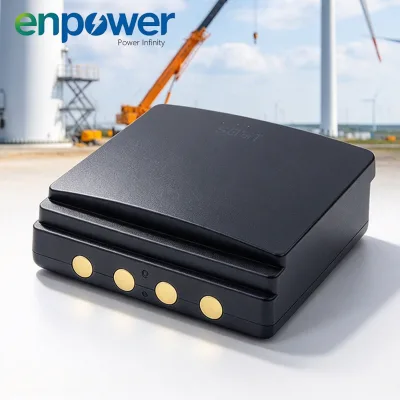


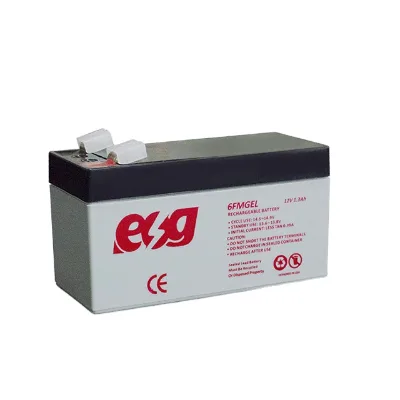
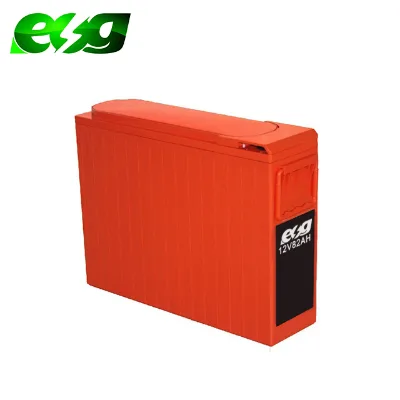
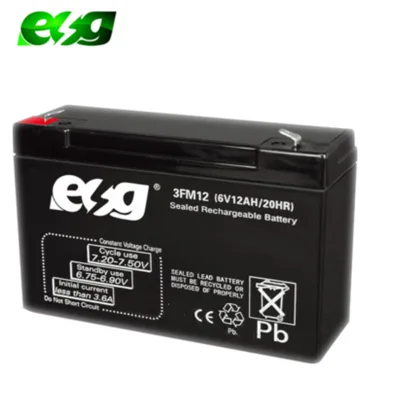
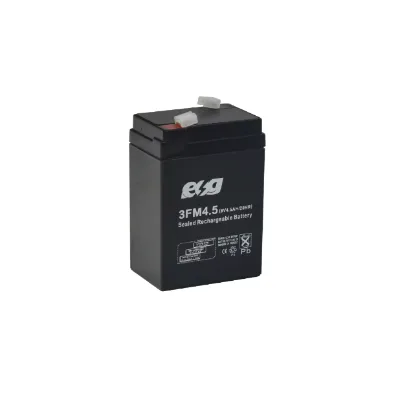


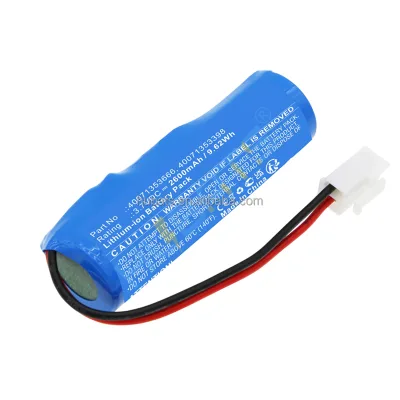

Emergency Backup Power Optimization Easy Installation Efficient Storage Battery
$1095.00 - $1510.00
MOQ: 1 Pieces


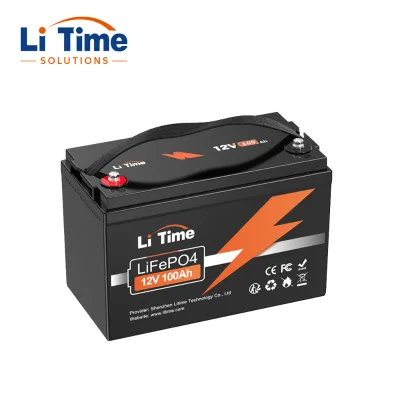

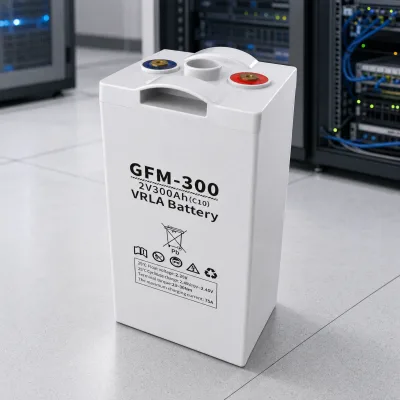
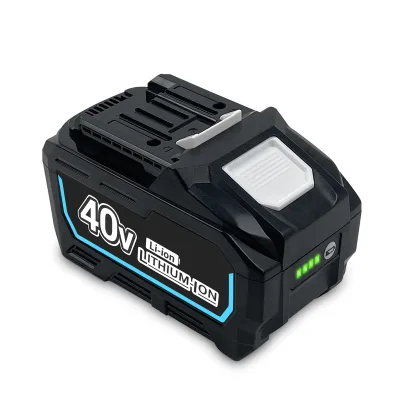

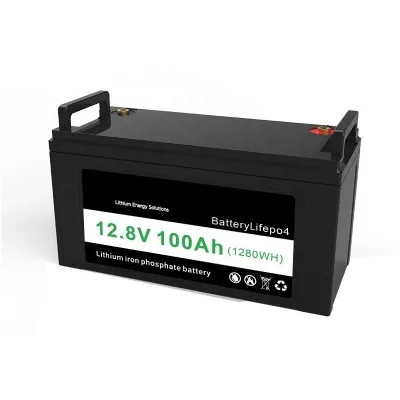


Sustainable Storage Battery - Perfect Solution for Emergency Power Supply
$399.00 - $499.00
MOQ: 1 Pieces

Iron-Based Lithium Battery - Durable Solution for Emergency Rescue Situations
$999.00 - $1299.00
MOQ: 1 Pieces

Replacement Energy Storage Battery - Durable Solution for Residential Energy Storage
$999.00 - $1299.00
MOQ: 1 Pieces


Sustainable Lithium Iron Phosphate Battery for Emergency Rescue Situations Applications
$999.00 - $1299.00
MOQ: 1 Pieces
Comprehensive Sourcing Guide
Industrial Safety Emergency Replacement Battery Sourcing Guide
Procurement teams must first distinguish between the diverse battery chemistries available in the current market, as industrial safety applications often require specific discharge rates and voltage stability. The observed product landscape includes high-capacity Lithium Iron Phosphate (LFP) units designed for heavy-duty cycles, alongside traditional Lead-Acid VRLA options suitable for UPS and lighting backup systems. Buyers should verify that the selected unit matches the specific emergency load requirements, noting that some listings specify a nominal voltage of 80V for large-scale applications while others offer 12V configurations for smaller control systems.
When evaluating replacement needs, it is critical to confirm the physical dimensions and connection models to ensure compatibility with existing infrastructure. The market data indicates a wide range of sizes, from compact 5.735.631.75cm units intended for remote controls to larger assemblies with capacities reaching 346Ah. Procurement officers must cross-reference the listed connection models, such as Series and Parallel configurations, against their facility's power architecture to prevent installation failures or electrical mismatches during critical emergency scenarios.
Product Scope and Observed Listing Signals
Buyers should scrutinize the listed selling units and packaging specifications to determine the logistical feasibility of the purchase. The available data shows a mix of single-item sales and bulk options packed in wooden pallets or carton boxes, which directly impacts shipping costs and warehouse handling requirements. For emergency replacements, the ability to source single items quickly may be prioritized over bulk discounts, yet the availability of wooden pallets suggests that larger industrial orders are also supported by current suppliers.
It is essential to analyze the observed price and minimum order quantity (MOQ) ranges to align procurement budgets with operational needs. The market presents a significant variance, with prices ranging from 1 to 5900 USD and MOQs varying between 1 and 50 units. This disparity indicates that buyers must clearly define their volume requirements early in the process, as the cost per unit and the minimum commitment will differ drastically between small-scale remote control replacements and large-scale industrial energy storage solutions.
Technical Specifications to Verify
Technical due diligence requires a rigorous check of the battery cell type and nominal voltage to ensure the replacement meets the specific energy demands of the application. The observed listings include Li-ion batteries with LFP cathodes offering over 3000 cycles, as well as Lead-Acid batteries with acid electrolytes designed for 12V systems. Procurement teams must verify that the nominal voltage, whether 6V, 12V, or 12.8V, matches the original equipment specifications to avoid under-powering critical safety systems or damaging sensitive electronics.
Capacity and discharge rate are equally critical parameters that dictate the duration and intensity of the emergency power supply. Buyers must confirm the nominal capacity, which ranges from 700mAh for small devices to 20Ah or 346Ah for larger industrial applications, ensuring the battery can sustain the load for the required duration. Additionally, the discharge rate must be verified as high for applications like crane remote controls, while energy capacity figures such as 2.6kWh should be validated for larger UPS or electric power usage scenarios.
Compliance and Safety Documentation
Safety compliance is non-negotiable for industrial emergency batteries, and buyers must demand proof of relevant certifications before finalizing any purchase. The available market data references certifications such as ISO, CE, UL, and IEC, which are vital indicators that the product has undergone rigorous safety testing. Procurement officers should request specific test reports for these standards to ensure the battery meets international safety requirements, particularly for applications involving high energy densities or hazardous environments.
Beyond general certifications, the design life and cycle life specifications provide insight into the long-term reliability and safety of the product. Listings indicate design lives of up to 12 years and cycle lives exceeding 3000 cycles for certain lithium models, which are crucial metrics for planning long-term maintenance schedules. Buyers must verify that these longevity claims are backed by independent testing data, as premature failure in an emergency battery could lead to catastrophic safety outcomes in industrial settings.
Cost Drivers and Commercial Terms
The total cost of ownership is influenced heavily by the battery chemistry and the associated warranty terms provided by the supplier. While lithium-based options like LFP may carry a higher upfront cost, their extended cycle life and longer design life often result in lower long-term expenses compared to lead-acid alternatives. Buyers should calculate the cost per cycle rather than just the initial price, ensuring that the warranty period, which can range from 12 months to longer terms, adequately covers the expected operational lifespan of the equipment.
Commercial terms regarding customization and origin also play a significant role in the final procurement decision and supply chain resilience. The market data confirms that customization is available and that products originate from specific regions like Guangdong and Shenzhen in China, which can affect lead times and shipping logistics. Procurement teams must negotiate clear terms for custom specifications, such as specific casing materials or voltage configurations, to ensure the final product meets the unique safety and operational requirements of their facility.
Supplier Qualification and Quality Control
Supplier qualification should focus on the manufacturer's ability to provide consistent quality control and adherence to the stated product standards. The observed listings mention customizable standards and specific production models, indicating that suppliers have the flexibility to meet unique client needs. Buyers must verify the supplier's track record in producing batteries with high-impact ABS/PC plastic cases and other protective features to ensure the physical durability required for industrial environments.
Quality control processes must be validated through the supplier's ability to provide detailed product attributes and performance data. It is essential to confirm that the supplier can consistently deliver batteries with the specified protective functions, such as short-circuit protection, and that the installation process is straightforward, often indicated by packaged delivery. Procurement teams should request samples or third-party inspection reports to verify that the actual product attributes match the listed specifications before committing to large-scale orders.
Long-Term Procurement Checks
Long-term procurement strategies must include regular audits of the battery's performance against the initial specifications to ensure ongoing safety and reliability. Buyers should establish a schedule for checking the cycle life and capacity retention of the installed batteries, as the observed data suggests a wide range of lifespans from 3000 cycles to 12 years of design life. Regular monitoring helps identify early signs of degradation, allowing for proactive replacement before a critical failure occurs during an emergency event.
Finally, procurement teams must maintain a dynamic relationship with suppliers to adapt to evolving safety standards and technological advancements. The market shows a trend toward customizable standards and advanced chemistries like LiFePO4, which may offer superior safety profiles over time. Buyers should regularly review the supplier's certification status and product updates to ensure that their emergency battery inventory remains compliant with the latest industry regulations and best practices for industrial safety.
FAQs
Can industrial safety emergency replacement batteries be customized?
Yes, customization is available for these batteries to meet specific operational needs. The product standard is listed as customizable, allowing for tailored solutions. This flexibility ensures that the battery fits unique industrial environments. Buyers can request specific configurations to align with their existing infrastructure and safety protocols effectively.
What is the voltage capacity of the 80V Li-ion battery?
The 80V Li-ion battery features a nominal voltage of 80V and a capacity of 346Ah. It uses LFP cathode material for stability. This model supports series and parallel connections. The design life exceeds 3000 cycles, ensuring long-term reliability for critical industrial applications requiring consistent power delivery.
Which certifications apply to the lead-acid battery models?
The lead-acid battery models hold ISO, CE, UL, and IEC certifications. These standards ensure compliance with international safety and quality requirements. The batteries are designed for applications like UPS and lighting. The 12V 20Ah variant offers a 12-year design life, providing dependable performance for essential industrial backup power systems.
How is the 12.8V LiFePO4 battery packaged for shipping?
The 12.8V LiFePO4 battery is packaged in carton boxes or wooden pallets. This packaging protects the 2.6kWh energy capacity unit during transit. The product originates from Shenzhen, China. Secure packaging ensures the battery arrives in optimal condition, ready for immediate installation in industrial safety or emergency replacement scenarios.
What is the minimum order quantity for these batteries?
The minimum order quantity ranges from 1 to 50 units depending on the specific model. This flexibility allows buyers to test samples or order larger batches. The selling unit is typically a single item. Buyers can adjust quantities based on their immediate industrial safety needs without committing to excessive inventory.
What is the warranty period for the industrial batteries?
The warranty period is 12 months for the listed battery models. This coverage applies to defects in materials and workmanship. The warranty supports the reliability expected in industrial safety applications. Buyers receive assurance that the battery will perform as specified during this period, reducing risk for critical emergency replacement deployments.