Source Ear Hook Two Way Radio for Security, Events, and Construction
Compare 11 Ear Hook Two Way Radio models featuring digital and analog signals, IP68 ratings, and long battery life. Buyers can evaluate specifications like frequency range, power output, and channel capacity to find the right device for security, events, and construction applications.
Updated
Key considerations
Products List





Comprehensive Sourcing Guide
Ear Hook Two Way Radio Sourcing Guide
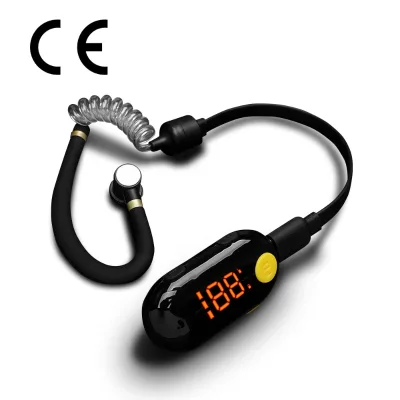
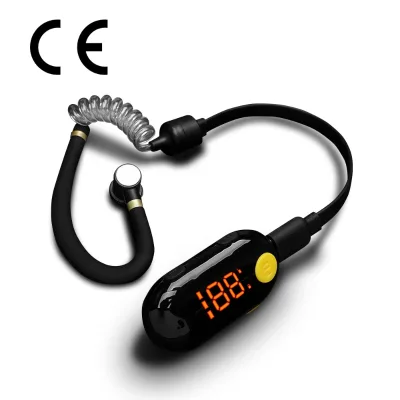
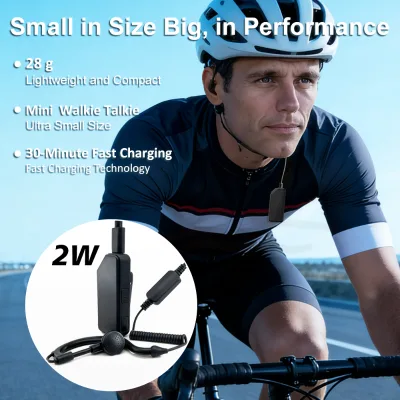
Procuring ear hook two-way radios requires a nuanced understanding of form factor constraints versus performance requirements. These devices are designed for hands-free operation, allowing users to maintain situational awareness while communicating. Buyers must evaluate how the ergonomic design impacts long-term wearability and audio clarity in noisy environments. The integration of Bluetooth connectivity and GPS positioning, as observed in specific models like the BF-TP800, adds significant value for fleet management and location tracking. However, these features also introduce complexity in battery management and signal interference. Sourcing teams need to balance the desire for advanced smart features with the ruggedness required for industrial or outdoor use.
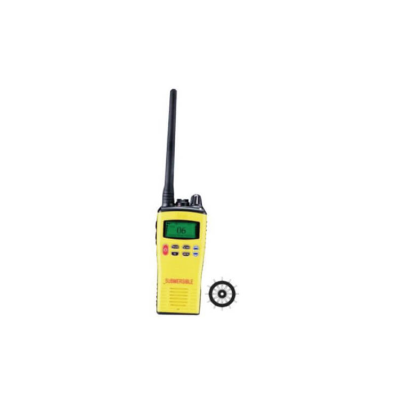
The market offers a diverse range of options, from simple analogue units to sophisticated digital systems with mixed call capabilities. Observed listings indicate a price range of $19 to $526.91 USD, reflecting vast differences in technology and build quality. Minimum order quantities typically start at one unit, facilitating easy sampling and pilot testing. Buyers should carefully distinguish between handheld units and true ear-hook designs, as some listings may use terminology loosely. Verifying the physical form factor is critical, as the mounting mechanism and weight distribution directly affect user comfort during extended shifts. Understanding these distinctions ensures that the selected radio aligns with the specific operational needs of the workforce.
Product Scope and Observed Listing Signals
The current market landscape for ear hook and handheld radios includes models with varying display types and signal technologies. For instance, the BF-TP800 features an LCD display and supports both digital and POC (Push-to-Talk Over Cellular) signals, catering to modern, network-dependent operations. In contrast, other models like the BF-835 operate on analogue signals with 16 channels, offering a more traditional, cost-effective solution for local communication. Buyers must assess whether their operational environment requires the extended range and interoperability of digital systems or the simplicity and lower cost of analogue units. The presence of features like emergency alarms and Bluetooth connectivity further differentiates these devices, influencing their suitability for security, logistics, or construction sites.
Observed specifications reveal significant variation in channel capacity and frequency ranges. Some units support up to 38 channels with VHF and UHF bands, while others are limited to 16 or 32 channels. The frequency ranges typically cover VHF 136-174 MHz and UHF 350-390/400-470 MHz, ensuring compatibility with standard commercial bands. Buyers should verify the specific channel spacing, such as 5kHz or 12.5kHz, to ensure compliance with local regulatory requirements. Additionally, the inclusion of zones and digital sensitivity metrics provides insight into the radio's performance in complex signal environments. Understanding these technical nuances helps buyers avoid purchasing units that are incompatible with their existing infrastructure or regulatory framework.
Technical Specifications to Verify
Battery performance is a critical factor for ear hook radios, given their continuous usage in field operations. Observed models typically utilize lithium-ion batteries with a capacity of 2000 mAh, providing a working voltage of DC 7.4V. It is essential to verify the average working time, which can vary significantly between digital and analogue modes. For example, some digital units offer up to 18 hours of operation, while analogue modes may last around 13 hours. Buyers should also consider the charging infrastructure and battery replacement costs, as frequent battery swaps can disrupt workflow. Ensuring that the battery capacity meets the shift requirements of the end-users is vital for maintaining operational continuity and productivity.
Weight and durability are equally important considerations for user comfort and device longevity. Observed weights range from 240g to 291g, including the battery pack, which impacts long-term wearability. The IP rating, such as IP68 or IP54, indicates the level of protection against dust and water ingress. Buyers must match the IP rating to the environmental conditions of the deployment site, whether it involves heavy rain, dust, or submersion risks. Additionally, the operating temperature range, typically -20℃ to +60℃, ensures functionality in extreme climates. Verifying these physical attributes helps prevent premature device failure and ensures that the radios can withstand the rigors of daily industrial use.
Compliance and Safety Documentation
Certification is a non-negotiable aspect of sourcing two-way radios, ensuring legal operation and user safety. Observed models carry certifications such as CE, RoHS, ISO, and FCC, which indicate compliance with international standards for electromagnetic compatibility and environmental safety. Buyers must verify that the specific model they intend to purchase holds the necessary certifications for their target market. For instance, FCC certification is required for devices sold in the United States, while CE marking is essential for European markets. Failure to verify these certifications can result in legal penalties, customs delays, and potential safety hazards for end-users.
Safety features, such as emergency alarms, add an extra layer of protection for workers in high-risk environments. Buyers should confirm the functionality and reliability of these features, as they can be critical in life-threatening situations. Additionally, the audio output power, typically rated at 500mW or 5W for high-power models, affects the clarity and range of communication. Verifying the rated audio distortion, such as 0.05, ensures that voice quality remains clear even at high volumes. Buyers should also check the antenna impedance, usually 50Ω, to ensure compatibility with external antennas if needed. These compliance and safety checks are essential for mitigating risk and ensuring regulatory adherence.
Cost Drivers and Commercial Terms
The price of ear hook two-way radios is influenced by several factors, including signal type, battery capacity, and additional features. Observed prices range from $19 to $526.91 USD, reflecting the diversity in technology and build quality. Digital radios with GPS and Bluetooth connectivity tend to be more expensive than basic analogue units. Buyers should evaluate the total cost of ownership, including accessories, spare batteries, and charging stations, rather than focusing solely on the unit price. Understanding the cost drivers helps in budgeting accurately and selecting the most cost-effective solution for their specific needs.
Minimum order quantities (MOQ) and packaging standards also impact commercial terms. Observed MOQs start at one unit, allowing for flexible purchasing and easy sampling. However, bulk orders may offer better pricing and shipping efficiencies. The standard carton box packaging ensures safe transit, but buyers should verify if additional protective packaging is required for fragile components. Lead times and payment terms should be negotiated clearly to avoid disruptions in supply. Buyers should also consider the availability of after-sales support and warranty terms, as these can significantly affect the long-term value of the procurement. Transparent commercial terms facilitate smoother transactions and reduce financial risk.
Supplier Qualification and Quality Control
Selecting a reliable supplier is crucial for ensuring consistent quality and timely delivery. Buyers should verify the supplier's manufacturing capabilities, quality control processes, and after-sales support. Suppliers with ISO certification are more likely to adhere to standardized production processes, reducing the risk of defects. It is also important to check the supplier's reputation and customer reviews to gauge their reliability and responsiveness. Buyers should request samples before placing large orders to test the radios in real-world conditions. This due diligence helps identify potential issues early and ensures that the supplier can meet the buyer's quality expectations.
Quality control measures, such as pre-shipment inspections and batch testing, are essential for maintaining product integrity. Buyers should inquire about the supplier's testing protocols, including RF output power, sensitivity, and audio distortion tests. Verifying that the supplier conducts rigorous quality checks reduces the risk of receiving defective units. Additionally, buyers should establish clear communication channels with the supplier to address any issues promptly. Building a strong relationship with the supplier can lead to better pricing, priority support, and access to new products. Effective supplier qualification and quality control are key to successful procurement and long-term operational success.
Long-Term Procurement Checks
Long-term procurement success depends on continuous monitoring of supplier performance and product reliability. Buyers should regularly review key performance indicators, such as delivery times, defect rates, and customer satisfaction scores. Establishing a feedback loop with end-users helps identify any recurring issues or areas for improvement. Buyers should also stay updated on regulatory changes and technological advancements that may impact their procurement strategy. Regular audits of the supplier's quality control processes ensure that standards are maintained over time. Proactive management of the supplier relationship helps mitigate risks and ensures a steady supply of high-quality radios.
Future-proofing the procurement strategy involves considering the scalability and interoperability of the selected radios. Buyers should evaluate whether the radios can integrate with existing communication systems and support future upgrades. Assessing the availability of spare parts and accessories is also crucial for maintaining the fleet over its lifecycle. Buyers should negotiate long-term supply agreements that include price stability and priority support. By focusing on long-term value rather than just initial cost, buyers can build a resilient and efficient communication infrastructure. Continuous evaluation and adaptation are essential for sustaining operational excellence in the long run.
FAQs
What certifications do ear hook two way radios have?
Ear hook two way radios typically hold CE, RoHS, ISO, and FCC certifications. These standards ensure compliance with international safety and electromagnetic compatibility regulations. Buyers should verify specific documentation for each model to confirm regulatory adherence for their target markets and operational environments.
Can ear hook two way radios connect to mobile devices?
Yes, certain models feature Bluetooth connectivity for mobile device pairing. This allows users to make calls or stream audio directly through the radio. Such features support mixed call types, enhancing communication flexibility for field teams requiring seamless integration with smartphones or tablets.
What is the battery capacity of these radios?
Most ear hook two way radios utilize a 2000 mAh lithium-ion battery. This capacity supports extended operation, with digital modes lasting up to 18 hours and analog modes around 13 hours. The battery operates at DC 7.4V, ensuring reliable power for daily professional use.
Which frequency ranges are available for these devices?
Available frequency ranges include VHF 136-174 MHz and UHF 350-390 MHz or 400-470 MHz. Some models support broader UHF bands up to 520 MHz. These ranges allow users to select appropriate channels for local or regional communication needs depending on regulatory constraints.
How many channels can these radios support?
Channel capacity varies by model, with options supporting 16, 32, or up to 38 channels. Digital models may offer multiple zones for organized communication. Buyers should select the channel count that matches their team size and operational complexity to ensure efficient frequency management.
What is the IP rating for ear hook two way radios?
Ear hook two way radios typically feature IP54 or IP68 ratings. IP54 protects against dust and water splashes, while IP68 offers complete dust protection and submersion resistance. These ratings ensure durability in harsh environmental conditions, making them suitable for outdoor and industrial applications.