Flip Phone Suppliers and Manufacturers in China Guangdong
Compare 15 verified Flip Phone suppliers in China Guangdong offering OEM and ODM services with ISO 9001 certification. Review lead times, response rates, and product specs like screen size and battery capacity before requesting quotes; review the available evidence before requesting comparable quotations from suitable candidates.
Suppliers List

Shenzhen Connectech Technology Co., Ltd.
- Verified by SGS
- Manufacturer/Factory
- China Guangdong
- Lead time23 days
- Avg. response≤ 6h
Main productsMobile Phone, Cell Phone, Smart Phone, Tablet PC, Smartphone, Rugged Tablet, Windows Tablet, Walkie Talkie, Rugged Phone, Barcode Scanner
Main marketsSouth America,Eastern Europe,Mid East,North America,Oceania,Western Europe,Africa


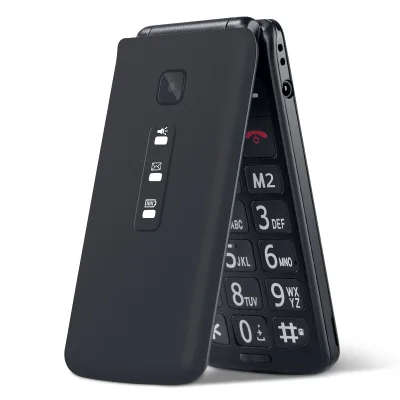
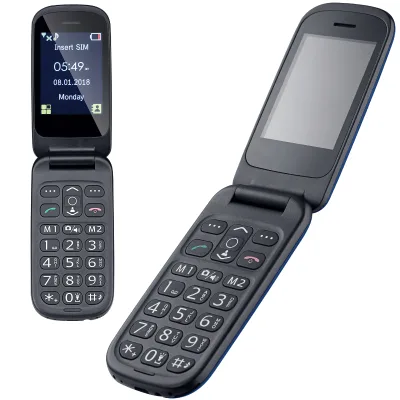
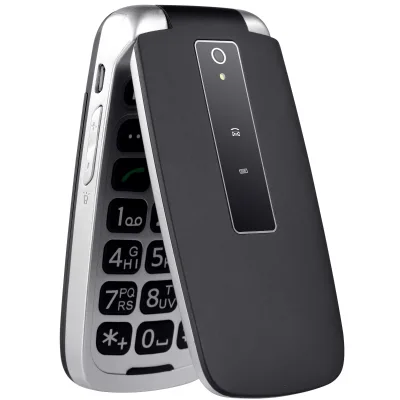
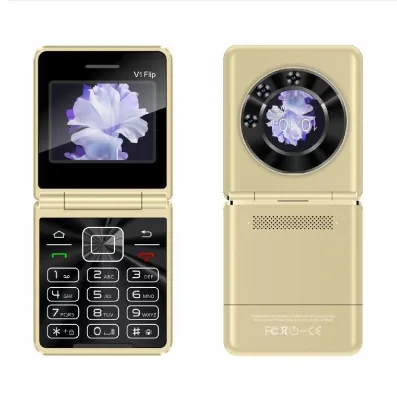
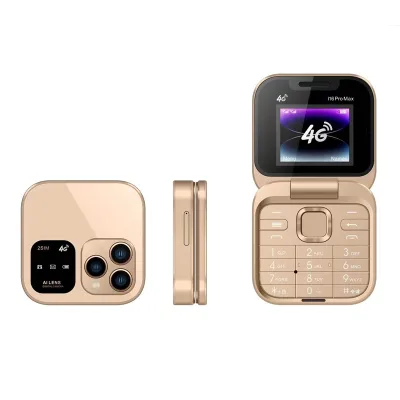
2.5 Inch 4G U-Shape Hinge Feature Folding Keypad Phone Unlocked Flip Phone
$32.00 - $35.00
MOQ: 3000 Pieces


Shenzhen Songming Communication Technology Co., Ltd.
- Manufacturer, Trading Company, Distributor/Wholesaler
- Guangdong, China
- Lead time45 days
- Avg. response≤ 4h
Main productsoem odm android keypad phone,oem odm android flip phone,oem odm 4g kosher phone,oem odm qwerty phone,oem odm smartphones
Main marketsNorth America(40.00%), Mid East(18.00%), Northern Europe(8.00%), Western Europe(7.50%), Oceania(6.00%), Southern Europe(5.00%), Domestic Market(5.00%), Eastern Europe(4.00%), Central America(3.00%), Eastern Asia(1.00%), Africa(1.00%), South America(1.00%), South Asia(0.50%)
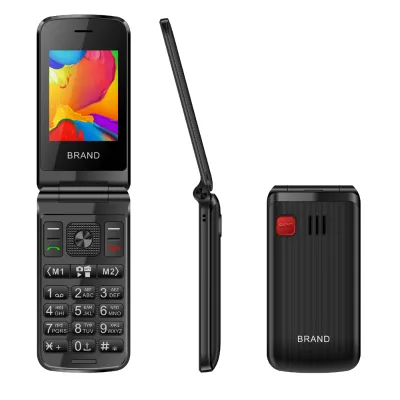
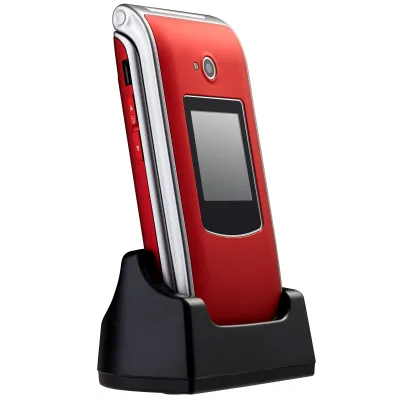
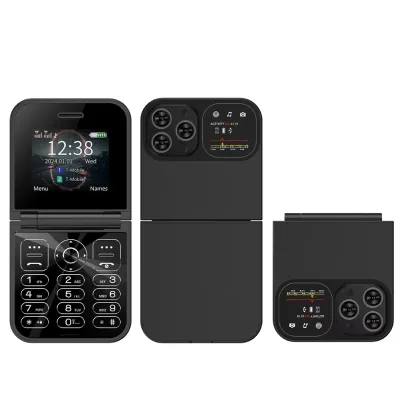
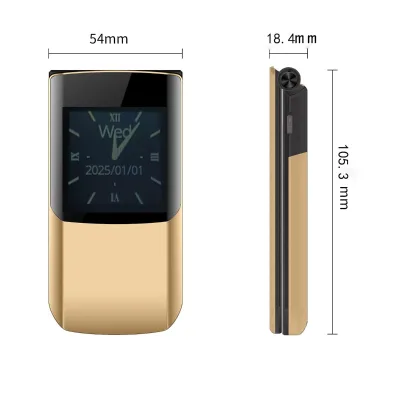
Custom New Feature Flip Mobiles Phone Dual Screen Unlocked 4g Flip Mobile Phones
$17.46 - $21.57
MOQ: 3000 pieces
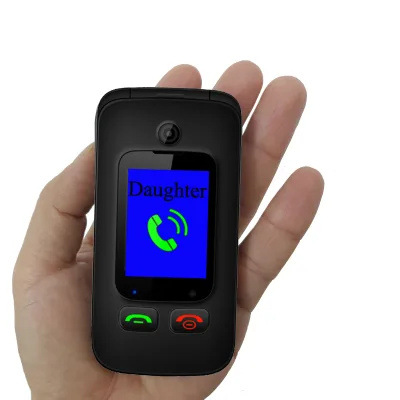
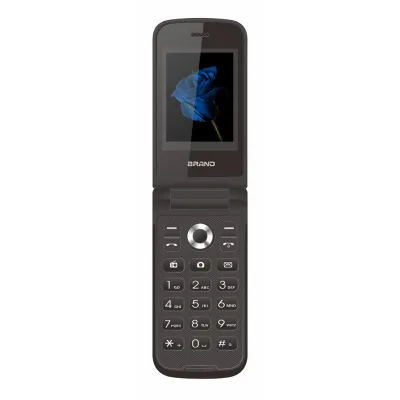
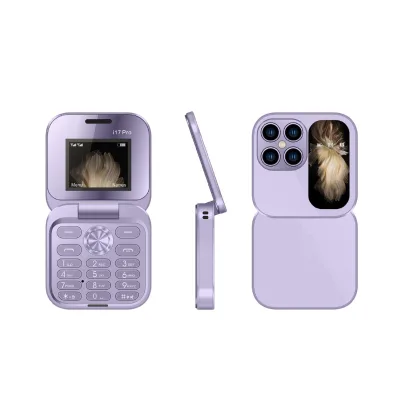
$10.27 - $12.22
MOQ: 200 pieces
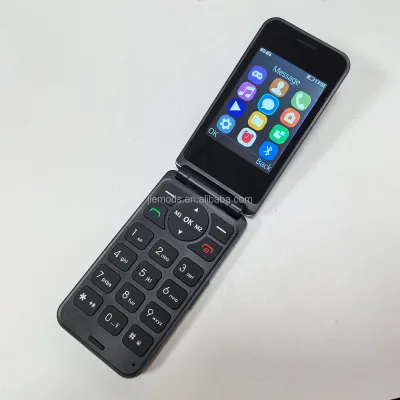
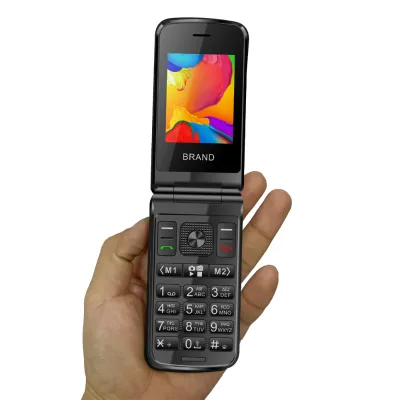
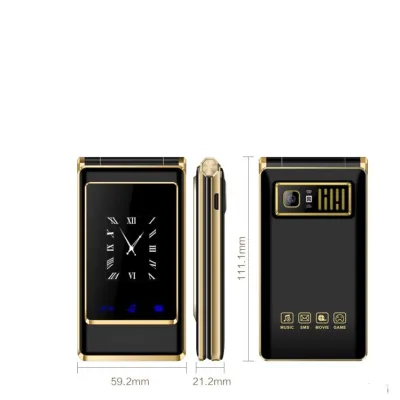
Oem Latest Clamshell Smartphone Flip Telefone With Big Keypad Text 4G Android Flip Smart Phone
$44.16 - $51.35
MOQ: 3000 pieces

Shenzhen Leikan Technology Co., Ltd.
- Verified by SGS
- Trading Company
- China Guangdong
- Lead time15 days
- Avg. response≤ 4h
Main productsMobile Phone, Tablet PC, Drone, Smart Watch, Laptops
Main marketsSouth America,Eastern Europe,Mid East,North America,Southeast Asia,Eastern Asia,Oceania,Western Europe,Africa

4400mAh Flip S Smartphone China Supplier Fast Charging 5g Unlocked Phone
$223.00 - $240.00
MOQ: 1 Pieces

China Flip S Foldable Smart Phone with Side Fingerprint and Life Waterproof
$223.00 - $240.00
MOQ: 1 Pieces

$342.00 - $360.00
MOQ: 1 Pieces


China Flip S Cheapest Foldable Smartphone 256GB 512GB Storage for Resellers
$223.00 - $240.00
MOQ: 1 Pieces

Shenzhen Shangyi Jinggong Technology Co., Ltd.
- Trading Company
- China Guangdong
- Lead time0 days
- Avg. response≤ 13h
Main products25W Charger, 35W Charger, Smart Phone, Mobile Phone, Feature Phone, Tws, Smart Watch, Mobile Phone Case


$12.00 - $12.50
MOQ: 5000 Pieces

$27.00 - $27.20
MOQ: 2000 Pieces
Shenzhen Qianbao Technology Co., Ltd.
- Trading Company
- Guangzhou, China
- Lead time7 days
- Avg. response≤ 12h
Main productsGraphic card,CPU,Motherboard,Cooling plate,Fans
Main marketsNorth America(20.00%), Northern Europe(10.00%), Domestic Market(10.00%), Eastern Europe(10.00%), Mid East(10.00%), Western Europe(8.00%), Southern Europe(8.00%), Southeast Asia(5.00%), South America(5.00%), Eastern Asia(5.00%), Central America(3.00%), Africa(2.00%), South Asia(2.00%), Oceania(2.00%)
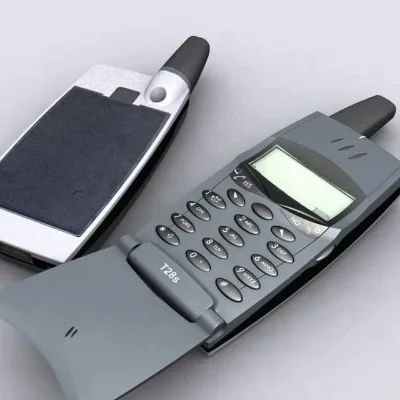
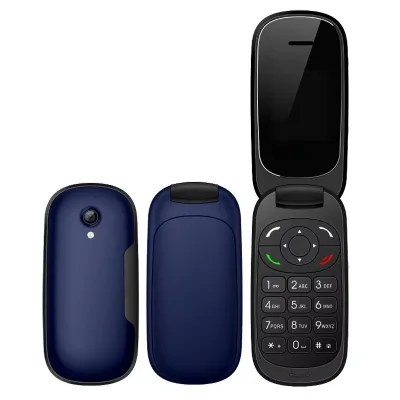
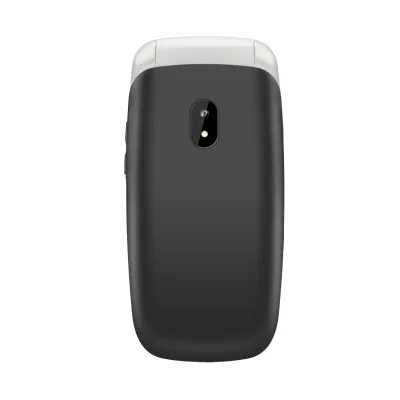
New Best 1.77inch Feature Phone 2g GSM Flip Phone Mobile
$10.50 - $12.00
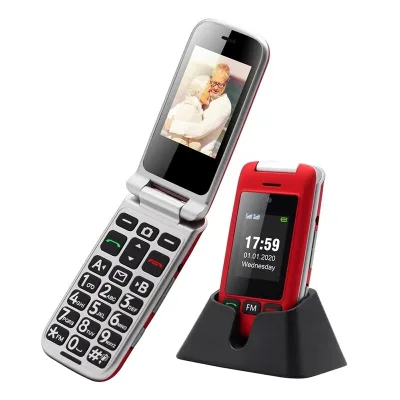
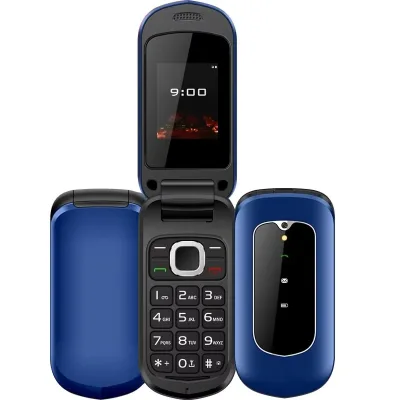
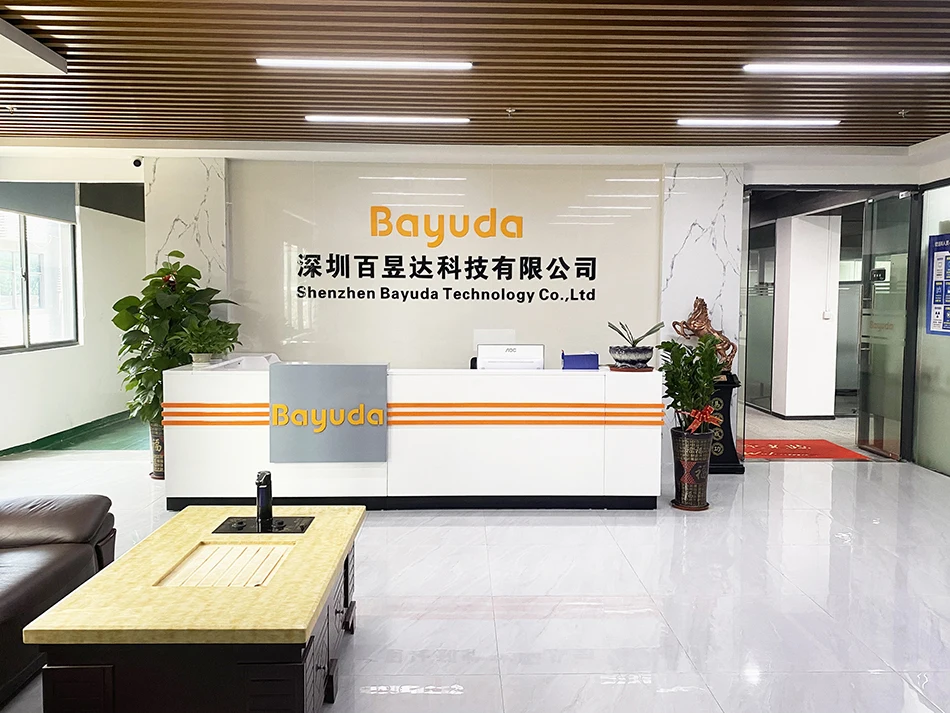
Shenzhen Bayuda Technology Co., Ltd.
- Manufacturer, Trading Company
- Guangdong, China
- Lead time15 days
- Avg. response≤ 4h
Main productsSenior Phone/Flip Phone/Smartphone
Main marketsSouthern Europe(15.00%), Western Europe(15.00%), North America(15.00%), Eastern Europe(10.00%), Domestic Market(10.00%), Northern Europe(10.00%), South America(10.00%), Oceania(5.00%), Mid East(2.00%), Eastern Asia(2.00%), South Asia(2.00%), Southeast Asia(2.00%), Africa(1.00%), Central America(1.00%)

Shenzhen Qdaten Electronics Co., Ltd
- Verified by TUVRHEINLAND
- Trading Company,Manufacturer/Factory
- China Guangdong
- Lead time0 days
- Avg. response≤ 22h
Main productsUsed Mobile Phone, Second Hand Phone, Refurbished Mobile Phone, Smart Mobile Phone, Mobile Phone, 4G Mobile Phone, Smart Phone, Mobile Phone Accessories

$200.00 - $206.00
MOQ: 2 Pieces

Shenzhen Yisiwei Technology Co., Ltd.
- Manufacturer, Trading Company, Distributor/Wholesaler
- Guangdong, China
- Lead time0 days
- Avg. response≤ 4h
Main productsadapter,amazon hot selling,smart watch,earbuds,data cables
Main marketsEastern Europe(38.00%), South America(33.00%), North America(12.00%), Northern Europe(9.00%), Southeast Asia(6.00%), Western Europe(2.00%)

Shenzhen Vitek Electronics Co., Ltd.
- Verified by BV
- Manufacturer/Factory
- China Guangdong
- Lead time23 days
- Avg. response≤ 6h
Main productsLaptop, Tablet PC, Digital Signage, Mini PC, LCD Monitor, All in One PC, Interactive Flat Panel, Advertising Screen, Self Payment Kiosk, POS Tablet
Main marketsSouth America,Eastern Europe,Mid East,North America,Southeast Asia,Oceania,Western Europe,Africa

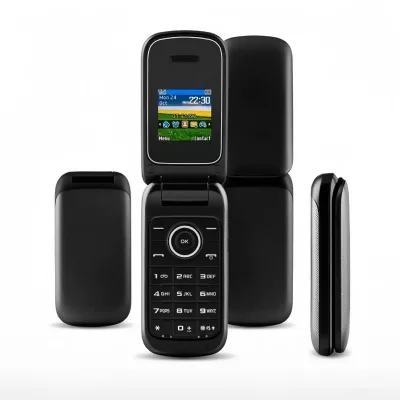
2.8inch Flip Mobile Phones Bar Black Market Unlocked Cheap Phones for Sale 2g Feature Phone
$9.50 - $9.90
MOQ: 10000 Pieces

Shenzhen Aostartong Technology Co., Limited.
- Trading Company
- Guangdong, China
- Lead time15 days
- Avg. response≤ 13h
Main productsmobile phone,tablet PC,phone parts,phones,smartphone
Main marketsMid East(40.00%), South America(30.00%), Western Europe(20.00%), Domestic Market(10.00%)
Shenzhen Cool Anime Technology Co., Ltd.
- Trading Company, Distributor/Wholesaler
- Guangdong, China
- Lead time7 days
- Avg. response≤ 11h
Main productsanime cards,collect cards,playing cards,cards book,phone
Main marketsWestern Europe(30.00%), North America(20.00%), Eastern Asia(15.00%), Northern Europe(10.00%), Southern Europe(10.00%), Eastern Europe(10.00%), Central America(5.00%)
Shenzhen Cwell Electronic Technology Co., Ltd.
- Manufacturer, Trading Company
- Lead time旺季: "1 - 100":8,"> 100":"To be negotiated", 淡季: "1 - 100":8,"> 100":"To be negotiated"
- Avg. response≤ 3h
Main productsMobile Phone, Tablet PC, Smart Walkie Talkie, Rugged Tablet, Android Barcode Scanner
Shenzhen Frog Technology Co., Ltd.
- Verified by TüVRheinland
- Trading Company
- Lead time0 days
- Avg. response≤ 1h
Main productsMobile Phones, Tablet
Main marketsNorth America(30%), Eastern Europe(30%), South America(20%)
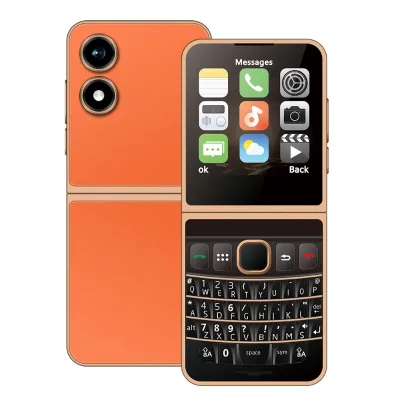
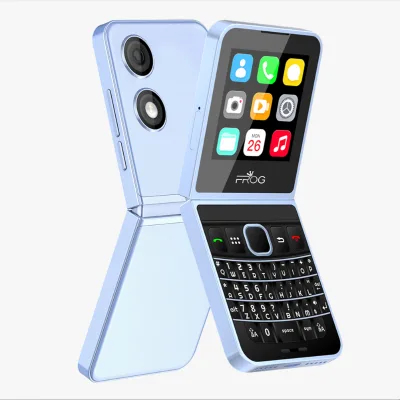
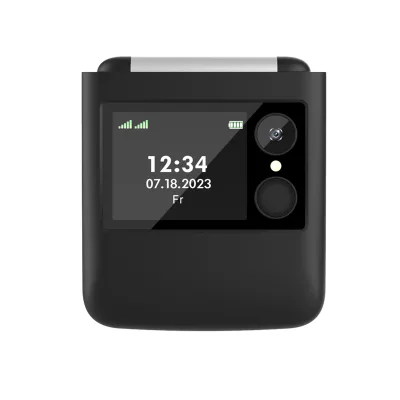
Pocket2 Wholesale 4G Flip Phone Unisoc T107 48MB+128MB 2MP Camera Customization
$35.00
MOQ: 3000 pieces
Shenzhen Smile Technology Co., Ltd.
- Manufacturer, Trading Company, Distributor/Wholesaler
- Lead time旺季: "1 - 2":7,"> 2":"To be negotiated", 淡季: "1 - 2":7,"> 2":"To be negotiated"
- Avg. response≤ 3h
Main productsCameraPhoto&Accessories,Chargers Batteries&Power Supplies,Commonly Used Accessories&Parts,Computer Hardware&Software,Earphone&Headphone&Accessories

Shandong Kaer Electric Co., Ltd.
- Verified by SGS
- Combined
- China Shandong
- Lead time45 days
- Avg. response≤ 3h
Main productsFixed Wireless Phone, 5g CPE, Android Video Phone, 4G CPE, Payphone
Main marketsSouth America,Southeast Asia/ Mideast,Europe,North America
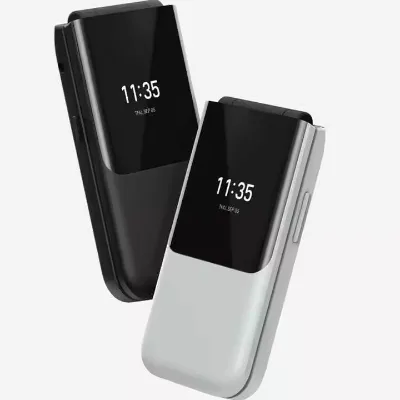
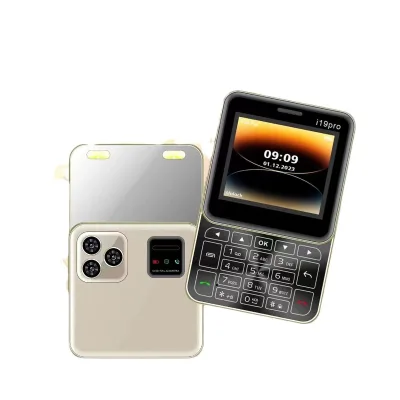
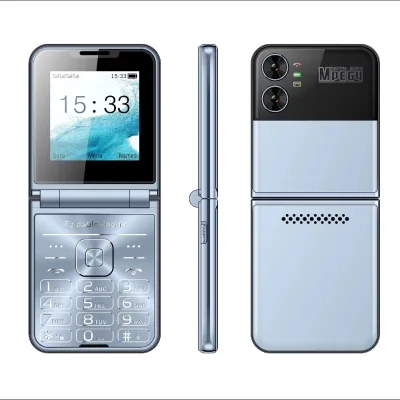
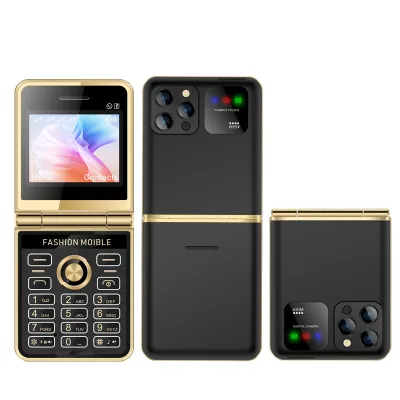
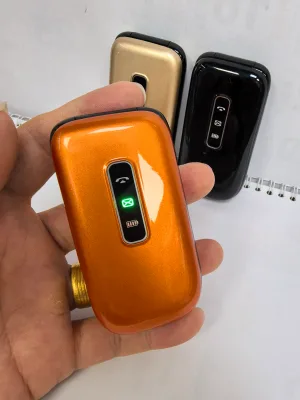
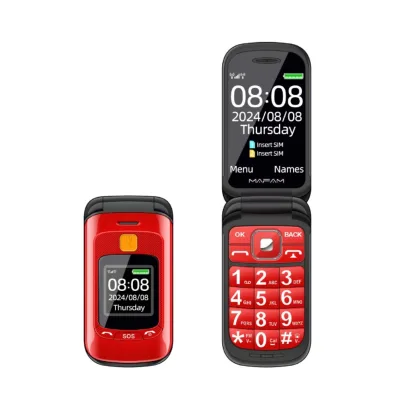
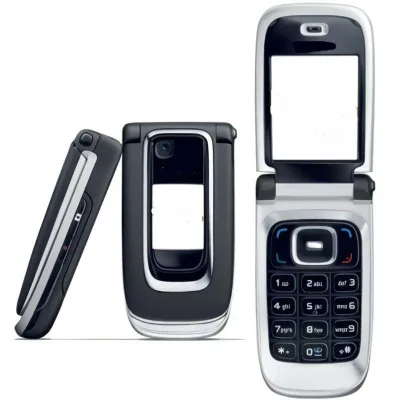
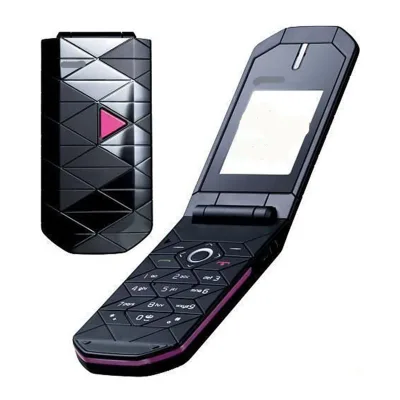
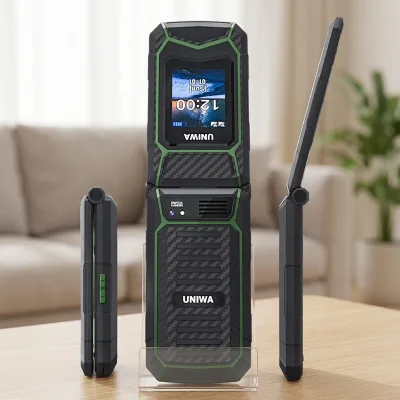
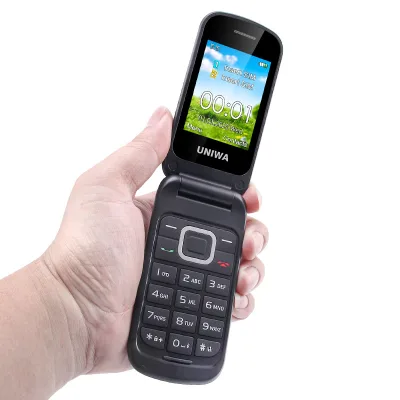
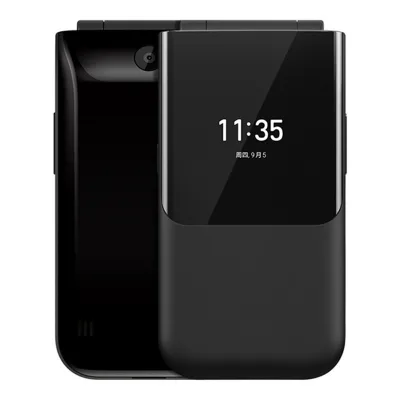
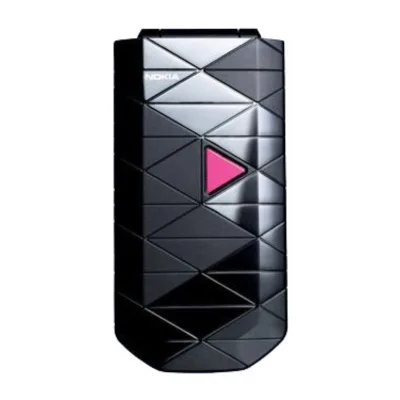


Comprehensive Sourcing Guide
Flip Phone Supplier Concentration and Factory Types
The available data indicates a specific manufacturing cluster located in China Guangdong, where suppliers specializing in mobile devices and feature phones operate. This region hosts factories that produce a wide range of devices, including rugged tablets, walkie-talkies, and various Flip Phone models designed for elderly users or specific industrial needs. When evaluating potential partners, buyers should look for entities explicitly identified as manufacturers or factories rather than trading companies, as this distinction often correlates with direct control over production lines and quality assurance processes. The presence of established facilities in this area suggests a mature supply chain capable of handling complex assembly requirements for devices with specific network standards like LTE and GSM.
Buyers must verify the actual company type of any supplier they consider, as the market contains a mix of manufacturers and trading entities. The evidence shows that some suppliers offer OEM, ODM, and own-brand services, which indicates a capacity for customization and private labeling. However, not every supplier in the region may possess these capabilities, and assumptions about factory status should be avoided without direct confirmation. It is crucial to distinguish between a supplier that merely resells products and one that manufactures them, as the latter typically offers more flexibility regarding design changes and component sourcing. This verification step is essential for ensuring that the buyer can rely on the supplier's ability to meet specific production demands without intermediaries adding unnecessary costs or delays.
How to Verify Flip Phone Suppliers
Verification of supplier credentials is a critical step before engaging in any commercial transaction involving flip phones. The provided facts highlight that some suppliers hold ISO 9001 system certification and have undergone verification by SGS, which serves as a tangible indicator of quality management and operational reliability. Buyers should prioritize suppliers who can present these specific certifications and verification reports, as they demonstrate a commitment to maintaining industry standards. It is important to note that not all suppliers may display these credentials, and the absence of such evidence does not automatically disqualify a vendor, but it does require a more rigorous due diligence process to confirm their legitimacy and operational capacity.
Beyond certifications, buyers should assess the response time and verification status of potential partners to gauge their reliability and communication efficiency. The data indicates a response time metric of approximately 5.93, which can serve as a benchmark for evaluating how quickly a supplier addresses inquiries and resolves issues. A faster response time often correlates with better customer service and a more proactive approach to problem-solving. Additionally, buyers should confirm the verification status of the supplier, looking for third-party validations that confirm their business identity and operational history. This multi-layered verification approach helps mitigate risks associated with fraud or misrepresentation, ensuring that the buyer is dealing with a legitimate and capable manufacturing partner.
What to Compare Across Flip Phone Suppliers
When comparing suppliers, buyers should focus on key operational metrics such as lead time, minimum order quantity (MOQ), and response speed to determine the best fit for their specific needs. The available data shows lead times ranging up to 23 days and MOQs varying significantly, with some products requiring orders as low as 100 units while others demand quantities of 3000 units. These variations can have a substantial impact on inventory management and cash flow, making it essential for buyers to align their order volumes with the supplier's production capabilities. Additionally, response times should be considered as a factor in overall supplier performance, as quicker communication can facilitate smoother negotiations and faster resolution of any production issues that may arise.
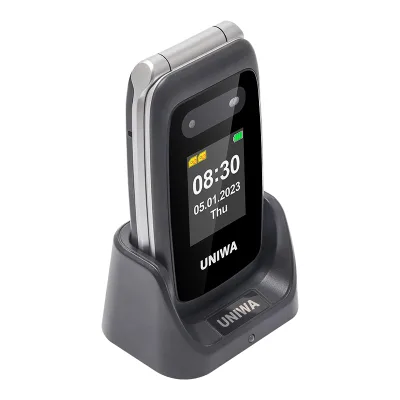
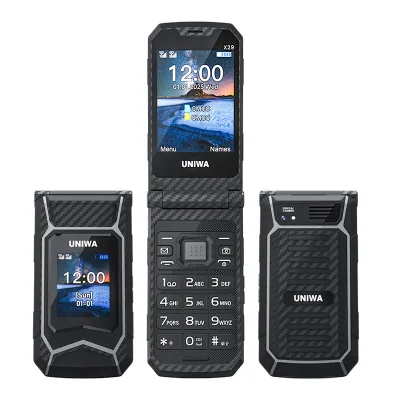
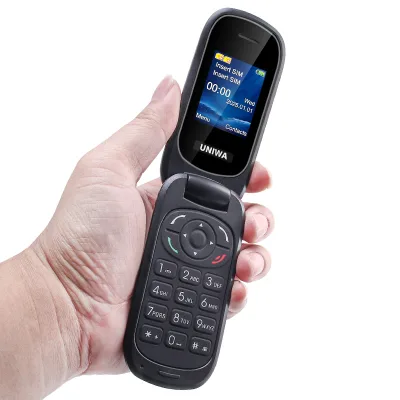
Price and product specifications are also critical comparison points that can differentiate suppliers in the Flip Phone market. The evidence indicates price ranges for specific models, such as the Uniwa F249L, which falls between $17.50 and $19.50, while other models like the F265 are priced between $13.60 and $15.70. Buyers should carefully analyze these price points in relation to the features offered, such as screen size, battery capacity, and network support, to ensure they are receiving value for their investment. Furthermore, the availability of customization options and the range of main products offered by each supplier should be evaluated to determine if they can meet the buyer's specific requirements. This comprehensive comparison ensures that the selected supplier offers the best balance of cost, quality, and service.
Common Flip Phone Sourcing Risks
One of the primary risks in sourcing flip phones is the potential mismatch between product specifications and buyer expectations, particularly regarding network compatibility and hardware features. The data reveals that some models support multiple network standards including GSM, 4G, and CDMA, while others are limited to 2G or specific LTE bands. Buyers must verify that the selected model supports the necessary frequency bands for their target market to avoid compatibility issues that could render the devices unusable. Additionally, features such as camera resolution, battery capacity, and screen size vary significantly across models, and failing to confirm these details can lead to dissatisfaction among end-users and potential returns.
Another significant risk involves the reliability of the supply chain and the ability of the supplier to meet delivery deadlines. Lead times can vary, and delays in production or shipping can disrupt inventory planning and sales schedules. Buyers should be aware that some suppliers may have higher MOQs, which can increase the financial risk if the products do not sell as expected. Furthermore, the lack of standardized packaging or labeling across different suppliers can complicate logistics and compliance with local regulations. To mitigate these risks, buyers should establish clear communication channels and request detailed production schedules and quality control reports before placing orders. This proactive approach helps ensure that the supply chain remains robust and that the buyer can manage potential disruptions effectively.
Flip Phone Regional Sourcing and Logistics
Sourcing flip phones from the identified cluster in China Guangdong offers logistical advantages due to the region's established infrastructure and expertise in electronics manufacturing. The concentration of manufacturers in this area facilitates efficient coordination between production, quality control, and shipping processes. Buyers should consider the proximity of suppliers to major ports and logistics hubs, as this can reduce transit times and shipping costs. However, it is important to verify the specific location of each supplier, as not all facilities may be situated in the same industrial zone, which could impact the efficiency of the supply chain. Understanding the geographic distribution of suppliers helps buyers optimize their logistics strategy and minimize potential delays.
Logistics planning also involves considering the packaging and handling requirements for flip phones, which can vary based on the product design and manufacturer. The data indicates that some products are packed in retail boxes, while others use standard cartons, which affects the volume and weight of shipments. Buyers should work closely with suppliers to determine the most cost-effective and secure packaging options that protect the devices during transit. Additionally, the choice of shipping method, whether by air or sea, should be aligned with the urgency of the order and the budget constraints. By carefully planning the logistics, buyers can ensure that their products arrive on time and in good condition, maintaining the integrity of the supply chain and customer satisfaction.
Flip Phone Commercial Terms and Order Planning
Commercial terms for Flip Phone orders often include specific conditions regarding payment, delivery, and after-sales support that buyers must carefully review. The data suggests that some suppliers offer competitive pricing and strong after-sales service, which are critical factors in maintaining a successful business relationship. Buyers should negotiate clear terms regarding payment schedules, such as deposits and final payments, to manage cash flow effectively. Additionally, understanding the warranty policies and return procedures is essential for addressing any quality issues that may arise after the products are delivered. These terms should be documented in a formal agreement to ensure mutual understanding and protection for both parties.
Order planning requires a strategic approach to align production schedules with market demand and inventory levels. Buyers should consider the lead times and MOQs when placing orders to avoid overstocking or stockouts. The ability to customize products, as indicated by the availability of OEM and ODM services, allows buyers to tailor the flip phones to their specific market needs. However, customization may extend lead times and increase costs, so buyers must balance these factors carefully. By developing a comprehensive order plan that accounts for production capacity, shipping logistics, and market trends, buyers can optimize their procurement process and ensure a steady supply of high-quality flip phones. This strategic planning is key to maintaining a competitive edge in the market.
FAQs
What does a typical Flip Phone cost when ordered in bulk?
Listed wholesale ranges on this page run from roughly 13.60 to 32.00 US dollars per unit, depending on model and network type. Basic 2G models sit at the lower end, while 4G folding keypad phones command higher prices. Final quotes vary with order quantity, customization, and configuration, so request current pricing before committing.
What is the minimum order quantity for flip phones?
Minimum order quantities differ by product listing. Some 2G Flip Phone listings show an MOQ of 100 pieces, while a 4G keypad flip model is listed at 3,000 pieces. Always confirm the MOQ for the exact model you want, since entry-level versus 4G models carry different production thresholds.
How long does production take after an order is confirmed?
One manufacturer on this page reports a lead time of about 23 days. Actual timelines depend on order size, customization requests, and component availability at the time of ordering. Ask the supplier to confirm the current production schedule and include the agreed lead time in your purchase contract.
Can flip phones be customized for my market?
Yes, customization is listed as available on the featured Flip Phone models. Buyers can typically adjust branding, packaging, colors, and firmware-related settings for their target market. Discuss your requirements early, because customized runs may affect the minimum order quantity, unit price, and the stated production lead time.
What network bands do these flip phones support?
The 4G Flip Phone models list FDD-LTE bands B1, B3, B5, B7, B8, and B20, alongside GSM, 3G, and in some cases CDMA support. One listed model is 2G GSM only. Verify the supported bands against the networks in your destination country before placing an order, as band coverage varies by model.
Should I buy 2G or 4G flip phones for resale?
Choose based on the networks operating in your target market. Many carriers have shut down or are phasing out 2G, so 4G models offer longer resale relevance. 2G models cost less per unit and suit markets where 2G coverage remains active. Confirm network status locally and check each model's band list before ordering.