Source Inflatable Floating Row Water Tube for Water Park, Beach, Lake
Compare 30 listings of the Inflatable Floating Row Water Tube designed for water parks, beaches, and lakes. Buyers can evaluate specifications like size, material, and capacity to find the right supplier for water entertainment needs; compare the available evidence and request quotations based on your requirements.
Key considerations
Products List

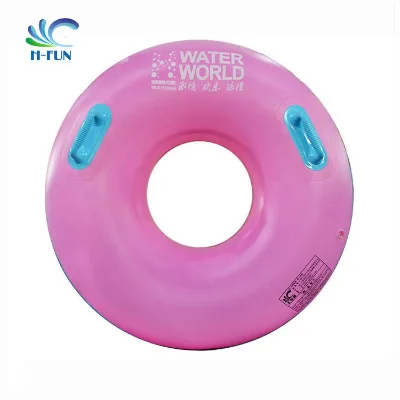
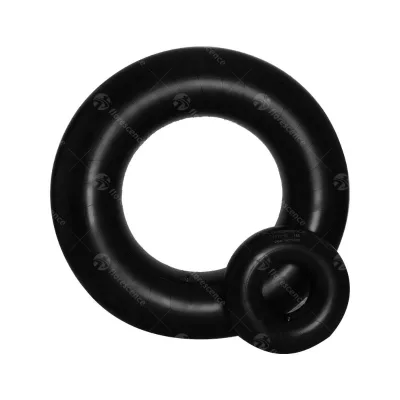
Heavy Duty Rubber Tube Swim Floating River Tube 120cm Inflatable Water Tube
$15.17 - $16.80
MOQ: 500 Pieces


Water Recreation Equipment Inflatable Tubes Pool Floats Lazy Human River Floater Tube
$15.17 - $16.80
MOQ: 500 Pieces


Water Tube Water Slide Family Round Rafts Fiberglass Inflatable Water Slide Tubes
$361.52 - $400.92
MOQ: 5 Pieces



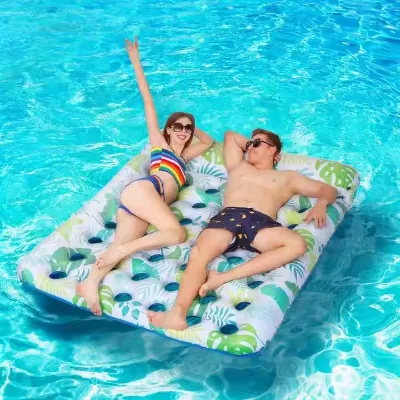
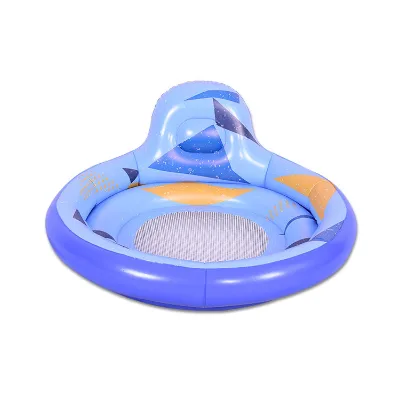
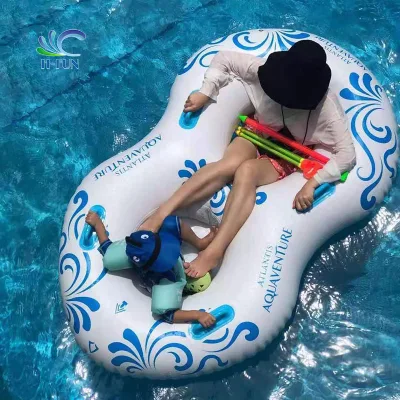
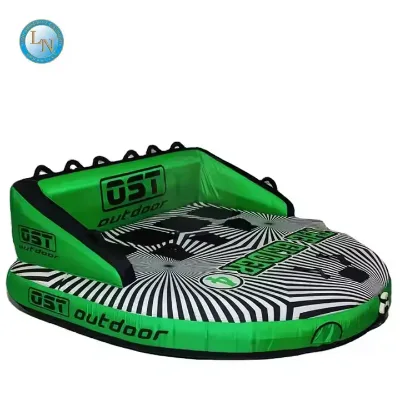
Inflatable River Tube Float River Run Motorized Tubes Floating with Backrest
$39.80 - $42.88
MOQ: 50 Pieces






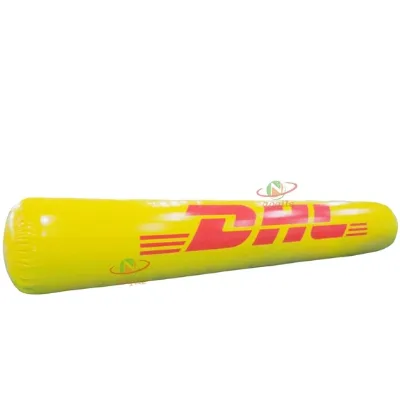
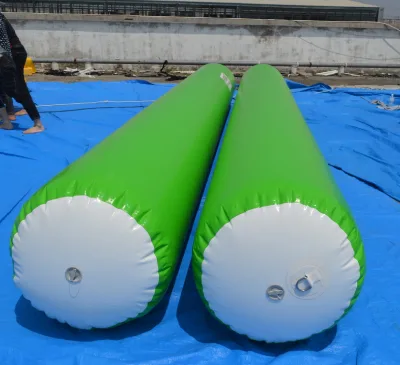
High Quality Water Floating Inflatable Long Tube Inflatable Buoy for Water Park
$69.00 - $119.00
MOQ: 1 Pieces




Comprehensive Sourcing Guide
Inflatable Floating Row Water Tube Sourcing Guide
Procuring inflatable floating row water tubes requires a strategic approach that balances aesthetic appeal with structural integrity, particularly for commercial water park installations or large-scale rental operations. Buyers must first define the operational environment, as these products serve diverse occasions ranging from calm lakes and beaches to high-traffic sea resorts. The observed market signals indicate a strong preference for customizable designs, with suppliers offering options for specific logos, colors, and branding to align with corporate identity or thematic park requirements. This customization capability is a critical differentiator, allowing operators to create unique visual experiences that enhance customer engagement and brand recognition.
Beyond aesthetics, the functional design of the tube must support the intended passenger load and usage pattern. Current listings highlight models capable of accommodating up to three persons, which necessitates robust construction to handle dynamic weight distribution and potential impact forces. The material composition, predominantly PVC, offers a balance of durability and flexibility, but buyers must verify thickness and layering to ensure longevity under repeated inflation and deflation cycles. Understanding these foundational attributes helps procurement teams filter suppliers effectively, focusing on those who provide transparent specifications regarding capacity, size, and material quality rather than relying solely on marketing imagery.
Product Scope and Observed Listing Signals
The current market landscape for inflatable floating row water tubes reveals a wide variance in product specifications, with observed prices ranging from $1.71 to $1,028 USD. This broad spectrum reflects differences in material grade, manufacturing complexity, and included accessories such as bottle holders or specialized valves. Minimum order quantities (MOQs) typically range from 1 to 500 units, providing flexibility for both small boutique operators and large commercial enterprises. Buyers should note that lower MOQs often correlate with higher per-unit costs, while bulk orders may unlock volume discounts but require longer lead times for production and quality assurance processes.
Product attributes indicate a strong emphasis on versatility and user safety, with many models designed for unisex use across various age groups, including adults and children. The inflated size of approximately 53 inches suggests a standard footprint suitable for individual or small group floating, while other models offer larger dimensions to accommodate multiple passengers. Color options are extensive, including blue, red, pink, green, and yellow, allowing for vibrant visual customization. Additionally, the inclusion of features like non-toxic materials and specialized valves underscores the industry’s focus on safety and ease of use, which are paramount for maintaining high customer satisfaction and minimizing operational risks in water-based entertainment settings.
Technical Specifications to Verify
When evaluating technical specifications, buyers must prioritize the material thickness and structural design to ensure the tube can withstand prolonged exposure to water and UV radiation. Observed data points to a thickness of 0.9mm for certain models, which serves as a baseline for durability but may not be sufficient for high-traffic commercial use. It is essential to verify whether the PVC material is reinforced with additional layers or coatings to prevent abrasion and punctures. Additionally, the type of valve used for inflation and deflation should be examined for ease of operation and leak resistance, as specialized valves can significantly impact the user experience and maintenance requirements.
The inflated dimensions and capacity ratings are critical for planning seating arrangements and ensuring compliance with safety standards. Models with a capacity for three persons require careful assessment of weight distribution and stability features to prevent tipping or capsizing. Buyers should also inquire about the packing method, as each piece being packed in a color box or carton box affects shipping efficiency and product protection during transit. Furthermore, the presence of additional features such as bottle holders or integrated swim rings can enhance functionality but may add complexity to the manufacturing process, potentially affecting lead times and overall cost.
Compliance and Safety Documentation
Compliance with international safety standards is non-negotiable for inflatable water products, particularly those intended for commercial use in water parks or public beaches. Buyers must request comprehensive certification documentation, including ISO9001 for quality management systems and specific product certifications such as CE, ASTM, and ENREACH. These certifications indicate that the manufacturer adheres to rigorous testing protocols for material toxicity, structural integrity, and flame resistance. It is crucial to verify that the certificates are current and issued by recognized third-party testing agencies, as self-declared compliance may not provide adequate legal protection or customer assurance.
In addition to product-specific certifications, buyers should assess the manufacturer’s broader compliance with environmental and labor standards. Certifications such as BSCI, GSV, and RoHS demonstrate a commitment to ethical manufacturing practices and environmental responsibility, which are increasingly important for corporate social responsibility (CSR) reporting. The presence of these certifications can also facilitate smoother customs clearance and reduce the risk of regulatory penalties in international markets. Buyers should include compliance verification as a key criterion in their supplier evaluation process, ensuring that all documentation is readily available and transparently shared during the sourcing phase.
Cost Drivers and Commercial Terms
Several factors influence the final cost of inflatable floating row water tubes, with material quality, customization complexity, and order volume being the primary drivers. High-grade PVC with UV resistance and reinforced stitching will command a premium price compared to standard materials. Customization options, such as printed logos, unique color combinations, or specialized features like bottle holders, add to the manufacturing cost due to additional setup and production steps. Buyers should negotiate clear pricing structures that account for these variables, ensuring that quotes include all relevant costs such as tooling, sampling, and shipping to avoid unexpected expenses.
Commercial terms, including payment methods, lead times, and warranty policies, play a significant role in the overall procurement strategy. Sample times typically range from 3 to 7 working days, allowing buyers to evaluate product quality before committing to large orders. However, production lead times for bulk orders can vary significantly based on the manufacturer’s capacity and current order backlog. Buyers should establish clear communication channels with suppliers to monitor production progress and address any issues promptly. Additionally, understanding the warranty terms and after-sales support options is essential for managing long-term operational risks and ensuring product performance meets expectations.
Supplier Qualification and Quality Control
Supplier qualification is a critical step in mitigating procurement risks, requiring a thorough assessment of the manufacturer’s production capabilities and quality control processes. Buyers should verify the supplier’s factory certifications, such as ISO9001, and conduct on-site audits or request detailed video tours to evaluate their manufacturing environment. The presence of specialized equipment for PVC welding, cutting, and inflation testing indicates a mature production process capable of maintaining consistent quality. Additionally, assessing the supplier’s experience in the inflatable water product sector can provide insights into their ability to handle complex designs and meet specific customer requirements.
Quality control measures should be integrated into the procurement process to ensure that delivered products meet the agreed-upon specifications. Buyers should establish clear quality acceptance criteria, including visual inspections, inflation tests, and durability assessments, and request pre-shipment inspection reports from independent third-party agencies. Implementing a robust quality control plan helps identify and rectify defects early in the production cycle, reducing the risk of receiving substandard products. Furthermore, maintaining open communication with suppliers regarding quality expectations and feedback can foster a collaborative relationship that prioritizes continuous improvement and product excellence.
Long-Term Procurement Checks
Long-term procurement success depends on establishing a sustainable supply chain that can adapt to changing market demands and regulatory requirements. Buyers should regularly review supplier performance metrics, including on-time delivery rates, product quality consistency, and responsiveness to issues. Building a diversified supplier base can mitigate risks associated with single-source dependencies, ensuring continuity of supply even in the event of production disruptions or geopolitical uncertainties. Additionally, staying informed about emerging trends in inflatable water product design and technology can help buyers identify opportunities for innovation and competitive advantage.
Continuous improvement in procurement processes is essential for optimizing costs and enhancing operational efficiency. Buyers should leverage data analytics to track spending patterns, identify cost-saving opportunities, and negotiate better terms with suppliers. Regularly updating product specifications and compliance requirements ensures that the procurement strategy remains aligned with current industry standards and customer expectations. By fostering strong relationships with suppliers and maintaining a proactive approach to risk management, buyers can secure a reliable supply of high-quality inflatable floating row water tubes that support their business objectives and deliver value to end-users.
FAQs
What certifications do these inflatable tubes have?
The products hold ISO9001, CE, and RoHS certifications. Additional factory certifications include CTI, Gsv, and BSCI. These standards ensure safety and quality for water park and beach usage environments globally.
Can I customize the logo on the tubes?
Yes, customized logos are available for these inflatable products. Buyers can request specific branding on the PVC material. This customization option allows for unique designs suitable for commercial water parks or private events.
What is the maximum capacity for the inflatable boat?
The inflatable fishing boat supports a maximum capacity of three persons. This limit ensures safety during use on lakes and rivers. The product is designed with durable PVC material to handle this specific passenger load effectively.
How long does it take to receive a sample?
Sample time is typically three to seven working days. This duration applies to the production of custom or standard units. Buyers should plan their procurement schedule accordingly to ensure timely delivery for testing or marketing purposes.
What materials are used to make these tubes?
These tubes are constructed from high-quality PVC material. The material is nontoxic and suitable for water floating entertainment. It ensures durability and safety for users ranging from babies to adults in various water conditions.
Where are these products manufactured?
The products originate from Guangdong, China. This location is a major hub for inflatable water sports equipment manufacturing. Buyers can expect efficient logistics and established supply chains for international orders from this region.
What is the thickness of the inflatable material?
The material thickness is specified as 0.9mm. This dimension provides sufficient strength for recreational water activities. It balances durability with flexibility, making the tubes suitable for both commercial water parks and personal beach use.