Source Inflatable Horse for Advertising, Events, and Promotions
Compare 30 listings for the Inflatable Horse, featuring options with silk-screen or digital printing, various sizes from 2m to 4.5m, and materials like 0.35mm or 0.4mm PVC. Buyers can evaluate MOQs starting at 1 unit, warranty periods, and customization options for logos and colors.
Key considerations
Products List
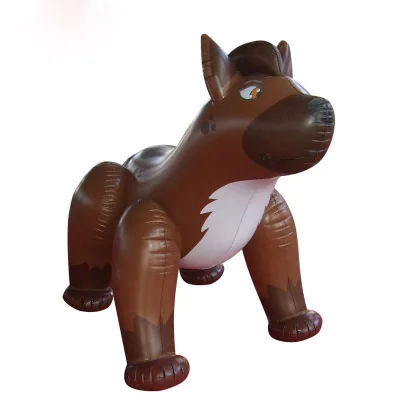
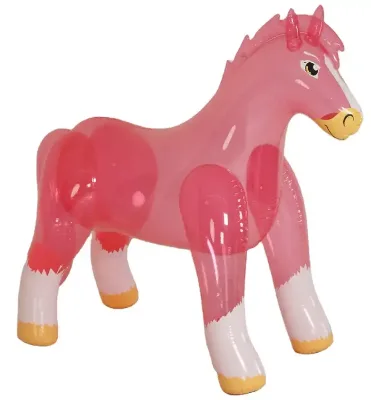
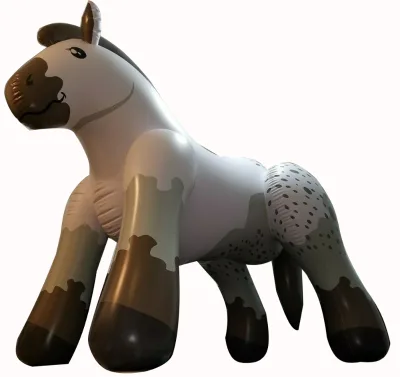
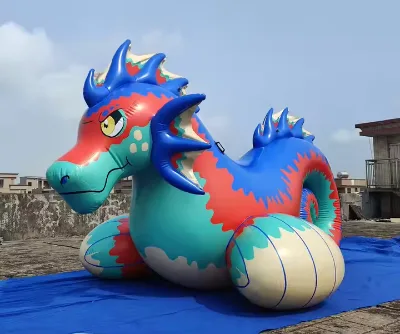
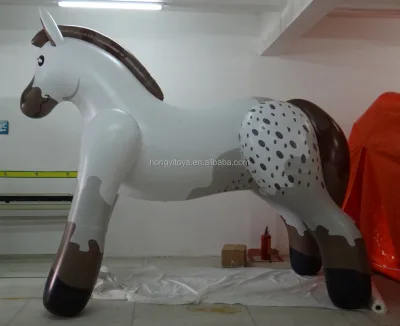
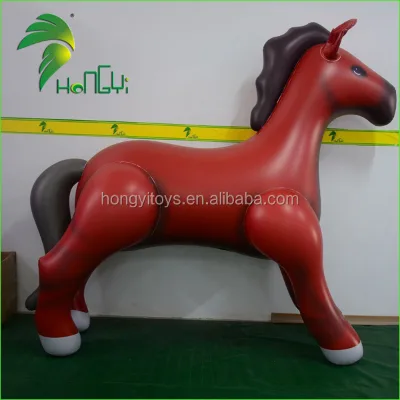
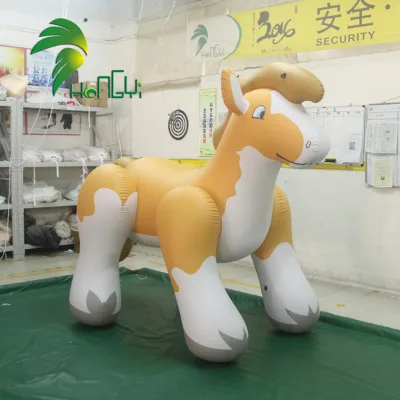
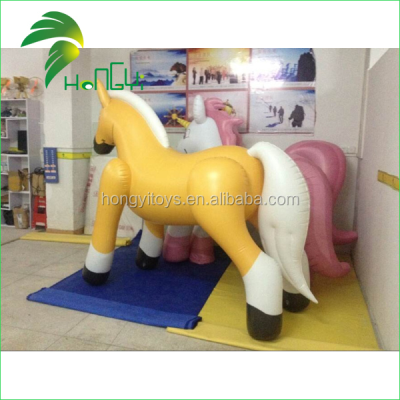
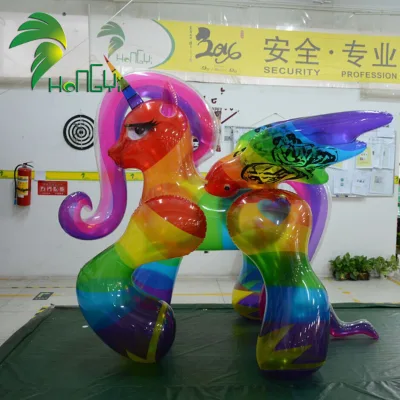
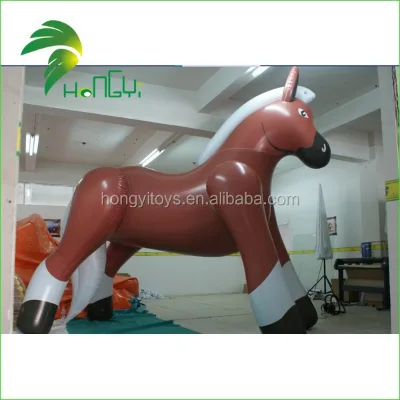
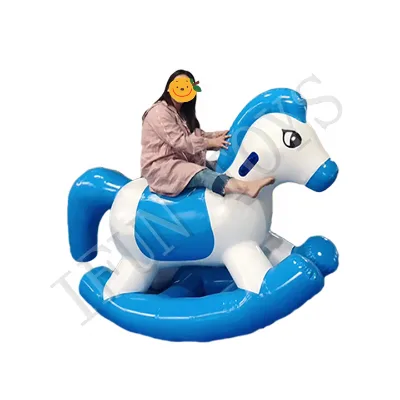


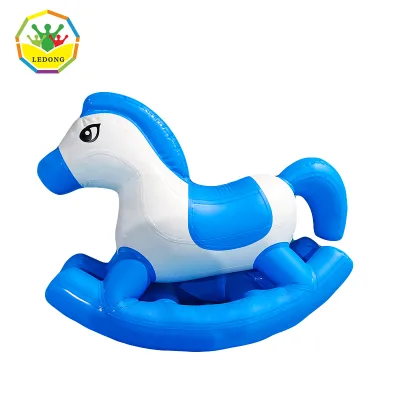

Inflatable Horse Derby Racing Inflatable Racing Game Race Track with horse
$1000.00 - $1600.00
MOQ: 1 Pieces


Hot Sale Inflatable Mechanical Horse Rodeo Ride Simulator for Amusement Parks and Events
$3000.00 - $4500.00
MOQ: 1 Pieces
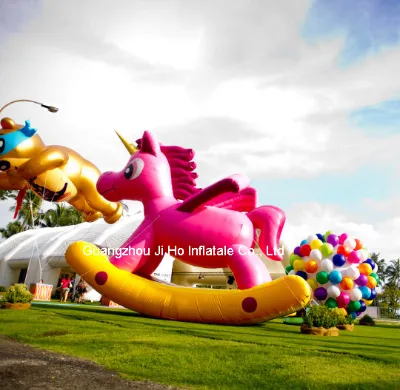


$132.00 - $140.00
MOQ: 1 Pieces

Inflatable Jumping Horse Ride Bouncy Horse Hopper on Bouncing Animal Toys
$150.00 - $160.00
MOQ: 1 Pieces

Hanging Inflatable Horse Animal Model Custom Inflatable White Horse Balloon
$98.00 - $498.00
MOQ: 1 Pieces


High Quality Inflatable Horse Riding Costume Adults Kids Size Ride on Costume
$188.00 - $688.00
MOQ: 1 Pieces
Comprehensive Sourcing Guide
Inflatable Horse Sourcing Guide
Procuring inflatable horses requires careful evaluation of product attributes that distinguish advertising displays from recreational toys. The market offers distinct variations, ranging from transparent advertising models to colorful cartoon figures, each serving specific promotional or entertainment needs. Buyers must first identify whether the primary goal is brand visibility at an exhibition or creating an interactive attraction for a festival. The observed product listings indicate a strong focus on customization, with many suppliers offering tailored logos and colors to match corporate branding requirements.
Understanding the physical constraints of these items is essential for logistics planning and on-site setup. The observed inventory includes units with inflated heights around two meters and lengths extending up to 4.5 meters, depending on the specific model selected. These dimensions directly impact the required storage space and the capacity of the transport vehicle. Buyers should verify the single package dimensions, which typically range from 45 to 52 centimeters in length, to ensure they fit within standard shipping containers or local delivery vehicles without incurring excessive freight costs.
Product Scope and Observed Listing Signals
The product scope for inflatable horses spans multiple usage scenarios, primarily centered on advertising, exhibitions, and promotional events. Listings frequently highlight applications for backyards, outdoor festivals, and indoor parties, indicating a versatile utility that extends beyond simple decoration. The material composition often involves PVC with thicknesses ranging from 0.35mm to 0.4mm, suggesting a balance between durability and portability. Buyers should note that while some units are marketed as toys, the heavy emphasis on logo customization and advertising usage points to a B2B procurement focus rather than consumer retail.
Listing signals reveal significant variability in product specifications that buyers must navigate to avoid mismatches. While some models are described as transparent for advertising purposes, others are solid-colored cartoon figures designed for visual appeal. The presence of repair kits and jackets in the accessories list suggests that durability and maintenance are key considerations for long-term use. Additionally, the observation of different printing methods, such as silk-screen and digital printing, indicates that buyers need to specify their preferred technique to ensure the final graphic quality meets their brand standards.
Technical Specifications to Verify
Verifying the material thickness and structural integrity is the first critical step in technical evaluation. The supplied data indicates PVC materials ranging from 0.35mm to 0.4mm, with some explicitly citing EN71 compliance for safety. Buyers must confirm the exact thickness required for their intended environment, as thinner materials may be suitable for short-term indoor events but could fail under high wind conditions or heavy outdoor use. It is also vital to check the weight specifications, which vary from 8kg to 13kg per unit, as this affects the ease of handling and the number of personnel required for setup and takedown.
Dimensional accuracy and inflation performance are equally important for ensuring the product meets spatial requirements. Observed sizes include heights of 2 meters and lengths extending to 4.5 meters, but these figures can vary based on customization requests. Buyers should request detailed inflated dimensions for the specific model they intend to purchase to avoid space conflicts at the venue. Furthermore, the single package size, typically around 52x35x23 cm, must be cross-referenced with shipping constraints to prevent unexpected logistical issues during the delivery phase.
Compliance and Safety Documentation
Safety compliance is a non-negotiable aspect of sourcing inflatable products, particularly those used in public spaces or around children. The observed listings mention EN71 certification, a standard relevant to toy safety, which buyers should verify through official documentation from the supplier. While some background data references CE or ISO standards, these should not be assumed without explicit proof. Procurement teams must request current test reports to confirm that the PVC material and the final product meet the safety regulations of the destination country, ensuring liability protection for the event organizer.
Documentation regarding the product's warranty and repair capabilities provides a safety net for operational continuity. The observed warranty period of three years suggests a high level of confidence in the product's durability, but buyers must clarify the specific terms and conditions attached to this coverage. It is essential to confirm whether the warranty covers material defects, seam failures, or damage caused by improper inflation. Additionally, the inclusion of repair kits in the standard accessories list should be verified to ensure that the necessary tools and patch materials are included to address minor damages immediately on-site.
Cost Drivers and Commercial Terms
The cost of inflatable horses is influenced by several factors, including material thickness, printing complexity, and customization levels. The observed price range spans from 69 to 4500 USD, reflecting the diversity from basic promotional items to large, custom-engineered displays. Buyers should understand that higher prices often correlate with thicker PVC materials, more intricate digital printing, and larger dimensions. It is crucial to request a detailed breakdown of costs to identify where the premium is applied, ensuring that the investment aligns with the specific performance requirements of the intended event.
Commercial terms and payment structures play a significant role in the overall procurement strategy. The observed minimum order quantity (MOQ) is typically one piece, offering flexibility for small-scale buyers, while the supply ability is noted at 500 pieces per month for larger orders. Payment terms such as T/T and Western Union are common, and buyers should negotiate these based on their risk tolerance and the order value. Lead times are generally estimated at 7 to 15 days, but this can vary based on the complexity of the customization and the current production schedule of the supplier.
Supplier Qualification and Quality Control
Supplier qualification involves assessing the manufacturer's ability to deliver consistent quality and adhere to agreed specifications. The observed data indicates that many suppliers are based in China, with specific mentions of Guangdong as a production hub. Buyers should verify the supplier's production capacity and history to ensure they can meet the demand without compromising on quality. It is also important to confirm the brand name associated with the product, as some listings mention specific brands while others operate under generic or non-branded labels, which can impact the perceived value and reliability of the product.
Quality control measures must be established before production begins to prevent defects and ensure product longevity. Buyers should request a pre-production sample to verify the material thickness, print quality, and overall workmanship. The inclusion of accessories like repair kits and jackets should be confirmed in the final packing list to ensure nothing is omitted. Additionally, establishing clear communication channels for addressing any issues during the production process is vital. Regular updates and quality checks during the manufacturing phase can help mitigate risks and ensure the final product meets the buyer's expectations.
Long-Term Procurement Checks
Long-term procurement success depends on establishing a reliable relationship with the supplier and ensuring consistent product performance over time. Buyers should conduct periodic reviews of the supplier's performance, focusing on delivery times, product quality, and responsiveness to issues. The observed warranty period of three years suggests a commitment to product longevity, but buyers must ensure that the supplier remains available for support and repairs throughout this period. Building a strong partnership can lead to better pricing, priority production slots, and more flexible terms for future orders.
Continuous monitoring of market trends and technological advancements is essential for maintaining a competitive edge in procurement. The Inflatable Horse market is dynamic, with new materials and printing techniques emerging regularly. Buyers should stay informed about these developments to ensure they are sourcing the most advanced and cost-effective products. Regularly updating the product specifications and requirements based on feedback from previous events can help refine the procurement strategy. By maintaining a proactive approach to supplier management and product evaluation, buyers can ensure a steady supply of high-quality inflatable horses for their ongoing needs.
FAQs
What is the MOQ for Inflatable Horse products?
The minimum order quantity is 1 unit or piece for most Inflatable Horse listings. This low threshold allows buyers to test the product quality and design before committing to larger bulk orders. It supports flexible procurement strategies for small businesses or initial promotional campaigns without requiring significant upfront inventory investment.
How long is the delivery time for these items?
The standard delivery time ranges from 7 to 15 days after order confirmation. Buyers can choose shipping methods by air, sea, or express courier depending on urgency. This timeframe allows for production and quality checks before dispatch, ensuring the Inflatable Horse arrives ready for immediate setup at events or exhibitions.
Can the logo be customized on the Inflatable Horse?
Yes, the logo can be fully customized according to your request. Options include silk-screen printing or digital printing to match your brand identity. The product supports custom colors and designs, allowing businesses to create unique advertising tools that stand out at exhibitions, festivals, or promotional events while maintaining high visibility.
What material is used to make the Inflatable Horse?
The Inflatable Horse is typically made from 0.35mm or 0.4mm PVC material. This material often complies with EN71 safety standards, ensuring durability and safety for outdoor or indoor use. The thick PVC construction provides resistance to punctures and weather conditions, making it suitable for long-term advertising and promotional activities.
What are the typical sizes available for inflatable horses?
Sizes vary, with common options including 2 meters in height or lengths ranging from 3 to 4.5 meters. Custom dimensions are also available to fit specific space requirements. These sizes ensure the Inflatable Horse is visible enough for advertising purposes while remaining manageable for transport and setup at various event locations.
What accessories are included with the Inflatable Horse?
Included accessories typically consist of repair kits and a jacket or coat for protection. These items help maintain the Inflatable Horse's condition and extend its lifespan. The repair kit allows for quick fixes to minor damages, while the protective jacket shields the material from wear during storage or transport between different promotional venues.