Source Multi-pockets Back Mesh Chef Coat for Hotels, Restaurants, Kitchens
Compare 30 verified listings for the multi-pockets back mesh chef coat designed for hotel, restaurant, and kitchen environments. Buyers can evaluate fabric blends, customization options, and lead times to find the right uniform for their establishment.
Key considerations
Products List
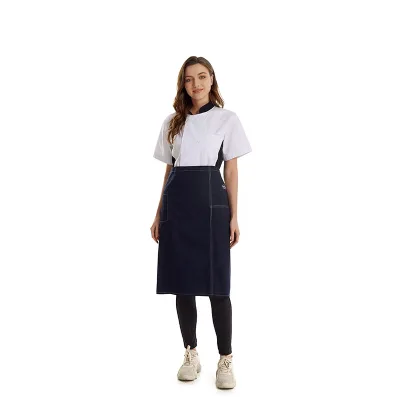
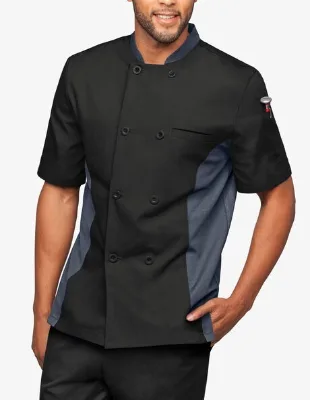
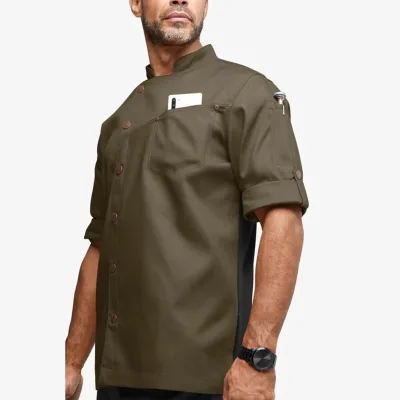
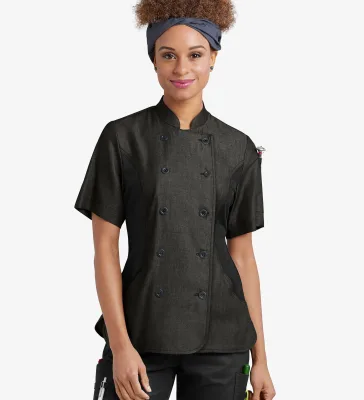


Oil-Resistant White Chef Coat Long Sleeve Industrial Kitchens Easy Care OEM
$6.95 - $8.95
MOQ: 100 Pieces


White Long-Sleeve Chef Coat Pocket Set Restaurant Chains Durable Zipper OEM
$6.95 - $8.95
MOQ: 100 Pieces
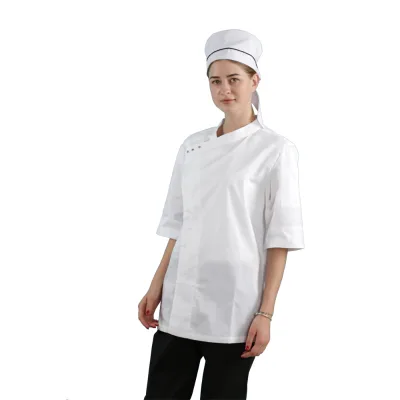



Long Sleeve Poly Cotton Chef Coat with Pockets for Kitchen Restaurant Staff
$10.63 - $12.31
MOQ: 50 piece

Waterproof Oil-Resistant Long Sleeve Chef Coat for Canteen Kitchen Staff
$10.63 - $12.31
MOQ: 50 piece


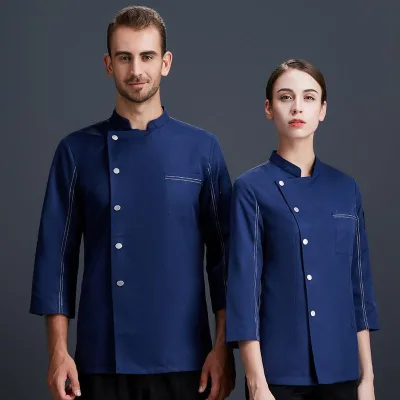


Comprehensive Sourcing Guide
Strategic Sourcing Guide for Multi-Pockets Back Mesh Chef Coats
The global demand for specialized culinary attire has intensified, driven by the need for professional kitchens to balance strict hygiene standards with the physical demands of high-volume service. The core keyword "multi-pockets back mesh chef coat" identifies a specific niche within the uniform industry, targeting professionals who require enhanced ventilation and tool accessibility. This guide provides a disciplined, evidence-based framework for buyers to navigate the procurement of these garments, focusing on technical specifications, material integrity, and supplier verification without relying on unverified marketing claims.
Technical Specifications and Functional Design
When evaluating a multi-pockets back mesh chef coat, the primary focus must be on the integration of functional design elements that address the unique challenges of a hot kitchen environment. The "back mesh" component is not merely an aesthetic choice but a critical engineering feature designed to facilitate heat dissipation. Buyers should verify that the mesh panels are strategically placed to maximize airflow without compromising the structural integrity of the garment. The presence of multiple pockets is equally vital; these are not decorative but serve as essential storage for thermometers, pens, timers, and cleaning cloths, reducing the need for chefs to constantly leave their stations.
The supplied product data indicates that manufacturers offer various configurations regarding sleeve length and cut. Observations show options ranging from 3/4 sleeve to short sleeve designs, allowing buyers to select based on specific kitchen temperature profiles and personal preference. Furthermore, the availability of sizes from XXS to 3XL, including specific increments like 2XL and 3XL, ensures that the uniform can accommodate a diverse workforce. The material composition is a decisive factor in performance. Data points reveal a mix of materials, including Polyester/Rayon blends, 65% polyester/35% cotton, and pure polyester. Each blend offers distinct properties: the polyester-cotton mix often provides a balance of durability and breathability, while pure polyester may offer superior moisture-wicking capabilities. Buyers must ensure that the fabric type is explicitly "Woven," as this construction method generally provides the necessary durability and shape retention required for heavy-duty kitchen use.
Material Composition and Performance Attributes
The selection of fabric is the cornerstone of a successful procurement strategy for chef coats. The observed material specifications highlight a dominance of synthetic and blended fibers, specifically polyester and cotton. The "Breathable" feature is a recurring attribute in the available product data, which is a non-negotiable requirement for the "Back Mesh" design to function effectively. However, buyers must distinguish between marketing terms and verified material properties. For instance, while some listings mention "Waterproof" functionality, this is typically associated with specific outerwear or protective gear rather than standard chef coats, and may indicate a specialized application such as outdoor catering or specific sanitation roles.
The "Vintage Industrial" and "Durable" features noted in the data suggest that some suppliers are targeting a specific aesthetic while maintaining robust construction. This is relevant for establishments that value a distinct brand identity alongside functional utility. The "Needle detection: Yes" attribute found in the data is a critical safety feature for high-end kitchens. This indicates that the garment is compatible with metal detection systems, a standard requirement in many food safety protocols to prevent foreign object contamination. Buyers should verify that the mesh and pocket reinforcements do not interfere with this detection capability. Additionally, the "Reflective Coat" type mentioned in the data points to a broader category of workwear that may include chef-style garments for specific roles like traffic wardens or sanitation workers, suggesting that buyers must carefully distinguish between standard culinary wear and specialized industrial safety gear.
Compliance, Safety, and Certification Verification
In the B2B procurement of culinary uniforms, compliance is not optional; it is a prerequisite for operational safety and legal adherence. While the supplied data confirms that "Needle detection" is supported by certain suppliers, it does not explicitly list third-party certifications such as ISO, Oeko-Tex, or specific food safety standards. Therefore, buyers must treat all certification claims as observations to be verified rather than guaranteed facts. The procurement process must include a rigorous request for documentation proving that the fabric meets local and international food safety regulations.
The "Customized Logo" and "Customized Packing" attributes indicate a high degree of flexibility in the supply chain, which is beneficial for branding but introduces complexity in quality control. Buyers must ensure that the customization process, including printing methods like "Embossed," does not compromise the fabric's safety or durability. The "Sample Time: 5-7 Working Days" and "7 days sample order lead time" suggest that suppliers are capable of rapid prototyping, which is essential for verifying compliance before mass production. However, the absence of specific standard numbers in the provided data means that buyers cannot assume compliance with any specific regulation without direct verification. The "Needle detection" feature, while promising, requires validation through independent testing to ensure that the garment effectively triggers detection systems in real-world scenarios.
Cost Drivers and Economic Considerations
Understanding the cost structure of multi-pockets back mesh chef coats is essential for budgeting and negotiation. The observed price range of 4 to 128 USD represents a significant variance, driven by factors such as material quality, customization complexity, and order volume. The "MOQ: 30 Pieces" listed in the data provides a baseline for entry-level procurement, but the broader observed MOQ range of 12 to 2000 pieces indicates that economies of scale play a substantial role in pricing. Buyers should anticipate that lower unit costs will likely require higher order volumes, while smaller orders may incur a premium per unit.
The "Oem Service" attribute confirms that most suppliers are willing to engage in original equipment manufacturing, which often involves additional costs for pattern development, logo placement, and custom packaging. The "Customized Color" and "Customized Packing" options further contribute to cost variability. Buyers must evaluate whether the added expense of customization aligns with their brand strategy and operational needs. Additionally, the "Lead Time" for samples and production must be factored into the total cost of ownership. Delays in production can disrupt inventory management and lead to increased operational costs, making the reliability of the supplier a critical financial consideration.
Supplier Evaluation and Operational Capabilities
Selecting the right supplier requires a thorough assessment of their operational capabilities and track record. The "Place of Origin: Guangdong" and "Place of Origin: Guangdong, China" data points identify a specific manufacturing hub known for its textile industry. While this region offers access to a vast supply chain, buyers must conduct due diligence to ensure that the specific factory meets their quality and ethical standards. The "Accept Customize Sample" and "Support" attributes for sample orders indicate a willingness to collaborate, but buyers should verify the actual lead times and quality of these samples before committing to large orders.
The "Selling Units: Single item" attribute suggests that some suppliers may cater to smaller, individual buyers, while the "MOQ: 30 Pieces" and higher ranges indicate a focus on bulk B2B transactions. Buyers should look for suppliers who can demonstrate a consistent ability to meet the "30 Pieces" minimum while scaling up to larger volumes without compromising quality. The "Customization: Available" feature is a key differentiator, but it requires clear communication and detailed specifications to avoid misunderstandings. Buyers should request references or case studies from previous clients in the "Hotel Restaurant Workers" or "Kitchen Cooking Chef Uniform" sectors to validate the supplier's experience in the specific niche.
Quality Control and Long-Term Procurement Strategy
Implementing a robust quality control (QC) protocol is essential for maintaining the integrity of the supply chain. The "Feature: Breathable" and "Feature: Durable" attributes highlight the performance expectations that must be met. Buyers should establish clear acceptance criteria for these features, including specific tests for fabric strength, colorfastness, and mesh durability. The "Needle detection" feature requires regular testing to ensure that the garment remains effective over time and after multiple washes.
Long-term procurement considerations involve building a sustainable relationship with suppliers who can adapt to changing market demands. The "Usage Scope: Upscale Establishments, Hotel Banquets, Gastropubs, Theme Restaurant" indicates that the target market is diverse, and suppliers must be capable of delivering consistent quality across different segments. The "Season: Winter" attribute suggests that some products may be designed for specific climatic conditions, requiring buyers to plan their inventory accordingly. By focusing on suppliers who offer "Customized Packing" and "Logo" services, buyers can create a cohesive brand identity that resonates with their target audience. Ultimately, the success of the procurement strategy depends on a balanced approach that prioritizes technical specifications, compliance, and supplier reliability over short-term cost savings.
Comparative Analysis of Product Attributes
To facilitate informed decision-making, the following table summarizes the key attributes observed in the available product data, highlighting the variations that buyers should consider during the sourcing process.
| Attribute Category | Observed Variations | Procurement Consideration |
|---|---|---|
| Material Composition | Polyester/Rayon, 65% Polyester/35% Cotton, Pure Polyester | Verify breathability and durability based on kitchen environment. |
| Size Range | S to 3XL (including XXS, Xxs, 2XL, 3XL) | Ensure inclusive sizing for diverse workforce requirements. |
| Sleeve Type | 3/4 Sleeve, Short Sleeve | Select based on temperature control and personal preference. |
| Customization | Logo, Color, Packing, Sample | Confirm lead times and costs for specific custom requirements. |
| Safety Features | Needle Detection, Reflective Coat | Validate safety compliance with independent testing. |
| Target Usage | Hotel, Restaurant, Kitchen, Transportation | Align product selection with specific operational needs. |
| MOQ | 12 to 2000 Pieces (Baseline 30) | Negotiate pricing based on order volume and volume discounts. |
| Lead Time | 5-7 Working Days (Sample) | Plan production schedules to avoid inventory shortages. |
This comparative analysis underscores the importance of aligning specific product attributes with operational requirements. By systematically evaluating these factors, buyers can mitigate risks and ensure that the procured multi-pockets back mesh chef coats meet the high standards expected in professional culinary environments. The diversity in material, size, and customization options offers significant flexibility, but it also demands a disciplined approach to specification and verification to achieve optimal results.
FAQs
What materials are used for multi-pockets back mesh chef coats?
Materials typically include polyester blends, 65% polyester with 35% cotton, or pure polyester fabrics. These woven options ensure durability and breathability suitable for hot kitchen environments while maintaining structural integrity.
Can suppliers provide customized logos and colors for these coats?
Yes, suppliers accept customized logos and offer various color options like blue, black, or white. Customized packing is also available, allowing buyers to align the product with their specific brand identity and operational needs.
What is the minimum order quantity for multi-pockets back mesh chef coats?
The standard minimum order quantity is 30 pieces, though ranges from 12 to 2000 pieces are observed. Lower unit costs generally require higher order volumes, while smaller orders may incur a premium per unit.
How long does it take to receive samples for these chef coats?
Sample lead times typically range from 5 to 7 working days. This rapid prototyping capability allows buyers to verify quality and compliance before committing to larger production runs or bulk orders.
Are these chef coats suitable for needle detection systems?
Yes, certain models support needle detection to ensure food safety compliance. Buyers should verify that mesh and pocket reinforcements do not interfere with this detection capability during independent testing.
Which sizes are available for multi-pockets back mesh chef coats?
Sizes range from XXS to 3XL, including increments like 2XL and 3XL. This inclusive sizing ensures the uniform can accommodate a diverse workforce across different establishments and physical requirements.