Source Injection Molded Plastic Shoe Rack for Home, Shop, and Wall
Find 30 Injection Molded Plastic Shoe Rack options designed for home, shop, and wall-mounted storage. Compare customizable designs, PP and PE materials, and single-cavity molding processes to find the right fit for your sourcing needs.
Key considerations
Products List


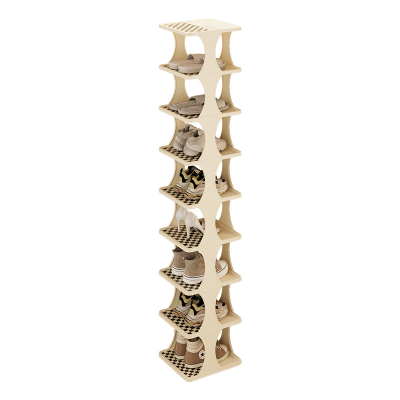

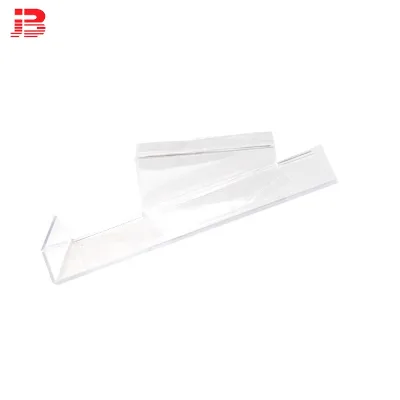


High Quality Plastic Shoe Slots Space Saver Shoe Organizer Shoe Rack Holder
$0.17 - $0.20
MOQ: 5000 Pieces


Dust Prevention Shelf Multi Layer Household Shoe Rack Shoe Storage Shelf
$3.90 - $4.00
MOQ: 200 Pieces

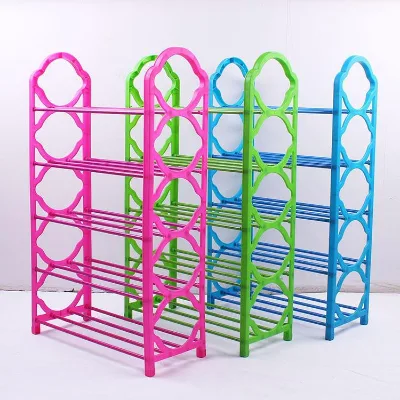




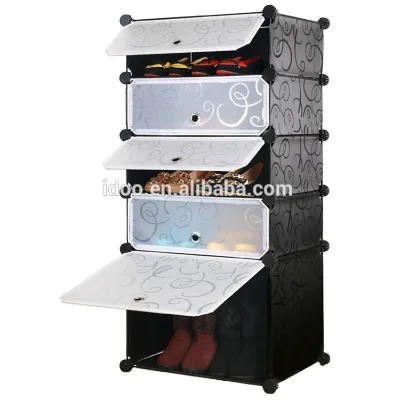
Hot Sale Diy Assembled Plastic Shoe Rack Multifunctional Vertical Shoe Rack
$12.26 - $15.32
MOQ: 300 Minimum
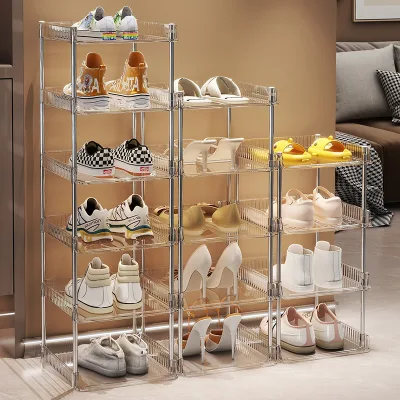

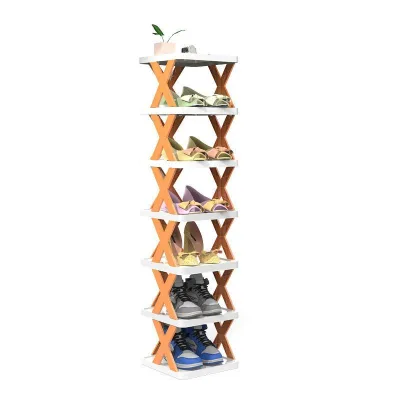
X Shaped Plastic Shoe Rack Adjustable Shoe Cabinets Shelf for Home Doorway
$2.34 - $2.80
MOQ: 100 Pieces
Comprehensive Sourcing Guide
Injection Molded Plastic Shoe Rack Sourcing Guide
Sourcing injection molded plastic shoe racks requires a nuanced understanding of the intersection between consumer furniture aesthetics and industrial manufacturing precision. Unlike traditional wooden or metal racks, plastic variants offer distinct advantages in weight reduction, moisture resistance, and design flexibility, but they introduce specific challenges regarding structural integrity and surface finish consistency. Buyers must navigate a market where the same product category spans from simple, single-layer wall-mounted units to complex, multi-tiered detachable systems. The decision to source injection molded components often hinges on the need for high-volume production consistency, custom branding opportunities, and the ability to achieve specific geometric tolerances that are difficult to replicate with other materials.
This guide focuses on the procurement of these storage solutions, emphasizing the verification of material properties, manufacturing processes, and commercial terms. The observed market data indicates a wide variance in product configurations, ranging from basic polygonal shapes to checkerboard-patterned multi-layer units. Procurement teams must distinguish between the core functional requirements of the shoe rack—such as load-bearing capacity and installation method—and the aesthetic or logistical attributes, such as packaging type and surface finish. By aligning technical specifications with clear commercial expectations, buyers can mitigate risks associated with quality inconsistencies and supply chain disruptions.
Product Scope and Observed Listing Signals
The current market landscape for injection molded plastic shoe racks reveals a diverse array of product types, primarily categorized by their layer count and installation method. Listings frequently highlight units with varying numbers of tiers, including two, three, four, and up to nine-layer configurations, often featuring checkerboard patterns for visual appeal. These products are typically designed for wall-mounted installation, utilizing screw-based fixation to ensure stability in residential or commercial spaces such as living rooms, shops, and areas behind doors. The style is generally described as simple or antique, with a glossy surface finish that enhances the aesthetic integration into modern or traditional interior designs.
Material composition is a critical differentiator in this category, with polypropylene (PP) and polyethylene (PE) being the primary plastics used for the main structural components. While some listings mention plastic as the primary material, others specify wooden fabric types or customized colors, indicating a hybrid approach or extensive customization options. The products are often marketed as multifunctional and detachable, allowing for flexible assembly and storage when not in use. Buyers should note that while the core material is plastic, the presence of wooden elements or specific design software requirements, such as UG, suggests that some suppliers offer advanced customization services that go beyond standard off-the-shelf inventory.
Technical Specifications to Verify
When evaluating technical specifications, buyers must prioritize dimensional accuracy and structural design parameters. The observed data indicates that single package sizes can vary significantly, with common dimensions around 55x35x30 cm, while specific product models may have tighter tolerances, such as 27x15x25.5 cm with a dimensional tolerance of less than ±1mm. This level of precision is crucial for ensuring that the shoe racks fit properly in designated spaces and that multiple units can be stacked or aligned without gaps. The thickness of the plastic walls, noted as 9 wire in some contexts, directly impacts the durability and load-bearing capacity of the rack, making it a key metric for quality assessment.
The manufacturing process itself, specifically injection molding, offers opportunities for high repeatability but requires careful attention to mold design and runner systems. Suppliers utilizing hot runner systems and single-cavity molds can achieve efficient production cycles and consistent part quality. The surface finish process, often involving polishing, contributes to the glossy appearance and ease of cleaning, which is essential for footwear storage products. Buyers should verify the specific plastic type, such as PE or PP, and confirm whether the design allows for customization, as many suppliers offer tailored solutions based on customer requirements. Additionally, the weight tolerance of less than ±1% ensures that the final product meets expected weight specifications, which is important for shipping and handling logistics.
Compliance and Safety Documentation
Safety and compliance documentation for plastic shoe racks primarily focus on material safety and structural stability. Since these products are intended for household and commercial use, buyers should request evidence that the plastic materials used, such as PP or PE, are free from harmful substances like phthalates or heavy metals. While specific certification statuses like ISO9001 are mentioned in background data, buyers must verify the current validity of any quality management certifications held by the supplier. This verification ensures that the manufacturing process adheres to recognized standards for consistency and quality control, reducing the risk of defects in the final product.
In addition to material safety, buyers should inquire about structural testing results, particularly for multi-layer units that must support the weight of multiple pairs of shoes. Although specific test data is not provided in the observed listings, reputable suppliers should be able to demonstrate that their products meet relevant load-bearing standards. The installation method, whether fixed or screw-based, should also be evaluated for safety, ensuring that the mounting hardware is secure and does not pose a risk of falling or injury. Buyers should also consider the packaging standards, such as the use of wooden cases or mail order packaging, to ensure that the products arrive in good condition and comply with international shipping regulations.
Cost Drivers and Commercial Terms
The cost of injection molded plastic shoe racks is influenced by several key factors, including the complexity of the design, the type of plastic material used, and the order volume. Products with multiple layers, such as nine-tier racks, naturally incur higher material and production costs compared to single-layer units. Customization options, such as specific colors, shapes, or branding, can also increase the unit price due to the need for specialized molds or additional processing steps. Buyers should be aware that the minimum order quantity (MOQ) can vary widely, ranging from as low as one set to several thousand units, which impacts the per-unit cost and the feasibility of small-batch orders.
Commercial terms, including pricing and lead times, should be clearly defined in the purchase agreement. The observed price range for these products is broad, reflecting the diversity in quality, design, and volume. Buyers should negotiate terms that account for potential fluctuations in raw material costs, especially for plastics like PP and PE, which are subject to market volatility. Additionally, the packaging method, whether it involves wooden cases or standard mail order packaging, can affect shipping costs and insurance requirements. Clear communication regarding payment terms, delivery schedules, and warranty policies is essential to ensure a smooth procurement process and to protect the buyer’s interests.
Supplier Qualification and Quality Control
Selecting a reliable supplier for injection molded plastic shoe racks requires a thorough evaluation of their manufacturing capabilities and quality control processes. Buyers should verify the supplier’s experience with injection molding, particularly their proficiency with hot runner systems and single-cavity molds, which are indicative of advanced manufacturing technology. The ability to provide design software files, such as UG, suggests that the supplier can collaborate on custom designs, which is a valuable asset for buyers seeking unique products. Additionally, the supplier’s location, often in regions like Guangdong, China, should be considered for its impact on logistics and supply chain efficiency.
Quality control measures should be rigorously assessed to ensure that the final products meet the specified standards. Buyers should request samples to evaluate the surface finish, dimensional accuracy, and overall build quality. The supplier’s ability to maintain tight tolerances, such as ±1mm for dimensions and ±1% for weight, is a strong indicator of their quality control capabilities. Furthermore, buyers should inquire about the supplier’s process for handling defects and returns, as well as their commitment to continuous improvement. Establishing a clear quality assurance protocol, including regular inspections and audits, can help mitigate risks and ensure consistent product quality over time.
Long-Term Procurement Checks
Long-term procurement success depends on establishing a sustainable relationship with suppliers who can adapt to changing market demands and maintain high quality standards. Buyers should regularly review supplier performance metrics, including on-time delivery rates, product defect rates, and responsiveness to issues. This ongoing evaluation helps identify potential risks and opportunities for improvement, allowing buyers to make informed decisions about future orders. Additionally, buyers should stay informed about advancements in plastic materials and manufacturing technologies, as these developments can offer new opportunities for cost savings and product innovation.
As the market for plastic shoe racks evolves, buyers should remain vigilant about regulatory changes and consumer preferences. This includes monitoring trends in sustainability, such as the use of recycled plastics or eco-friendly manufacturing processes, which may become increasingly important to end consumers. By maintaining a proactive approach to supplier management and market analysis, buyers can ensure that their procurement strategies remain competitive and aligned with business objectives. Regular communication with suppliers and continuous feedback loops are essential for fostering a collaborative partnership that drives long-term value and success.
FAQs
Can the shoe rack be customized for specific needs?
Yes, customization is available for this Injection Molded Plastic Shoe Rack. The product supports customized colors and can be tailored to customer requirements regarding standards and specifications to fit unique storage needs.
What material is used for the injection molded shoe rack?
The product is primarily made from plastic materials including PP and PE. Although some attributes mention wooden fabric types, the core construction relies on injection molded plastic for durability and the glossy finish described.
How is the shoe rack installed on the wall?
The installation type requires screws for a fixed wall-mounted setup. This ensures stability for the single-layer or multi-tier configurations designed to hold shoes behind doors or on walls in homes and shops.
What is the minimum order quantity for this product?
The minimum order quantity is one set for this Injection Molded Plastic Shoe Rack. This low threshold allows buyers to source small batches while still accessing the full range of customization and specification options.
Which dimensions are available for the shoe rack model?
Available specifications include dimensions like 27 by 15 by 25.5 cm and a single package size of 55 by 35 by 30 cm. The product features a dimensional tolerance of less than plus or minus 1 mm for precision.
What is the origin location of the shoe rack manufacturer?
The product originates from Guangdong, China, specifically within the region known for manufacturing. This location supports worldwide market distribution and ensures the product meets the required standards for international shipping and trade.
Can the shoe rack be used in commercial spaces?
Yes, the product is suitable for use in both homes and shops. Its functional design includes detachable and multifunctional features, making it adaptable for various storage applications in different commercial and residential environments.