Source Insect Headwear for Beekeeping, Apiculture, and Outdoor Work
Compare 30 listings for Insect Headwear designed for beekeeping, apiculture, and outdoor leisure. Buyers can evaluate specifications like material, size, and certification from suppliers in China.
Key considerations
Products List


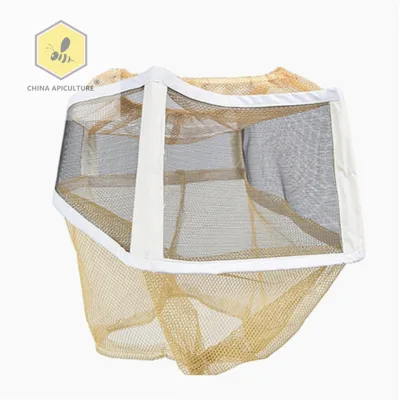
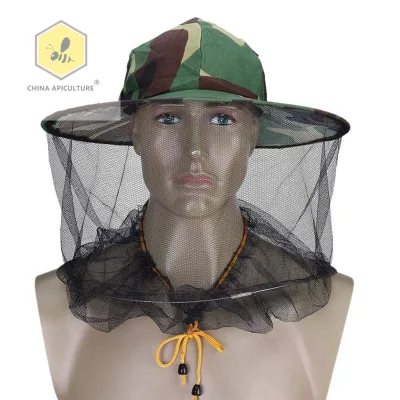


Factory Direct Custom Winter Multifunctional Stylish Fleece-Lined Headwear
$1.00 - $1.60
MOQ: 50 Pieces


Beekeeping Outdoor Hats Anti Bee Insect Bug Mosquito Hat Polyester Fiber
$50.00 - $100.00
MOQ: 100 Pieces

Beekeeping Protective Bee Hat Anti Bee Two-Layer Head Top Camouflage Hat-Veil
$50.00 - $100.00
MOQ: 100 Pieces

Yellow and White Cotton Beekeeper Veil Protective Hat for Bees Foldable Animal
$50.00 - $100.00
MOQ: 100 Pieces


Good Elasticity Comfortable Head Band No Tight Feeling When Wearing Headband
$0.32 - $0.42
MOQ: 3000 Pieces


Comprehensive Sourcing Guide
Strategic Sourcing Guide for Insect Headwear
The global demand for specialized protective equipment has expanded significantly, driven by the need for safety in diverse industrial sectors and the growing popularity of apiculture. When sourcing Insect Headwear, buyers must navigate a complex landscape of materials, certifications, and supply chain logistics. This guide provides a disciplined framework for evaluating suppliers and products, ensuring that procurement decisions are grounded in verified facts and industry best practices rather than unverified marketing claims. The focus remains on identifying products that meet specific operational requirements while maintaining rigorous quality and compliance standards.
Technical Specifications and Material Composition
The foundation of any effective Insect Headwear solution lies in its technical specifications, particularly regarding material composition and structural design. In the current market, materials vary widely, with cotton and 100% polyester being the most frequently observed options. Cotton offers natural breathability, which is crucial for extended wear in warm environments, while 100% polyester provides superior durability and resistance to chemical exposure, making it ideal for industrial applications in the petroleum, chemical, and metallurgy sectors.
Structure is another critical technical parameter. Buyers should look for "All-in-one" configurations that integrate the head covering with a face shield or veil in a single unit. This design minimizes gaps where insects could penetrate and reduces the complexity of donning the equipment. The "Suit" style is prevalent for full-body protection, whereas "Wild" or "Headband" styles may be suitable for specific leisure or apiculture tasks where mobility is prioritized over full coverage.
Thickness also plays a pivotal role in performance. Products are often categorized by thickness levels, with "Medium" thickness being a common standard for balancing protection and comfort. For applications involving high-risk environments, such as the electric power industry or transportation, the material must withstand abrasion and potential chemical splashes. Additionally, the length of the garment, often described as "General Long," ensures that the protective barrier extends sufficiently to cover the neck and upper torso, preventing insect entry from below.
| Feature Category | Common Observation | Application Context |
|---|---|---|
| Material | Cotton, 100% Polyester | General use vs. Chemical resistance |
| Structure | All-in-one | Integrated protection, reduced gaps |
| Style | Suit, Wild, Headband | Industrial vs. Leisure/Apiculture |
| Thickness | Medium | Balance of durability and comfort |
| Pattern | Dobby | Aesthetic and structural integrity |
Compliance and Certification Verification
In the realm of industrial and specialized protective gear, compliance is not merely a formality but a critical safety requirement. Buyers must verify that suppliers possess valid certifications that align with the intended use of the product. The most frequently cited certifications in the sector include CE and ISO, which indicate adherence to European safety standards and international quality management systems, respectively. For specific applications like beekeeping, additional verification may be required to ensure the product meets the rigorous demands of apiculture tools.
It is essential to distinguish between general safety certifications and industry-specific standards. While some products may reference standards such as EN 13758-2, buyers should treat these as reference points for verification rather than guaranteed attributes of every listed item. The presence of SGS certification is another positive indicator, suggesting that the product has undergone third-party testing for quality and safety. However, the absence of a specific standard in a product listing does not automatically imply non-compliance; it often necessitates a direct inquiry to the supplier to confirm the testing protocols used.
When evaluating certifications, buyers should request documentation that clearly states the scope of the certification. For instance, a CE mark might cover general mechanical safety but not specific chemical resistance. Similarly, ISO certification may apply to the manufacturing process rather than the final product's performance. The warranty period, often listed as 1 year or 6 months, can also serve as an indirect indicator of the manufacturer's confidence in their product's compliance and durability. A longer warranty period often correlates with higher quality control standards and a commitment to product longevity.
Cost Drivers and Pricing Dynamics
Understanding the cost drivers behind Insect Headwear is vital for budgeting and negotiating effectively. The observed price range in the market spans from $0.02 to $125, reflecting a vast disparity in product quality, material complexity, and intended application. Low-cost items typically fall into the category of simple headbands or basic protective gear for leisure use, utilizing standard packing and minimal customization. In contrast, high-end products designed for the petroleum, chemical, or electric power industries command higher prices due to the use of specialized materials like 100% polyester, complex "All-in-one" structures, and rigorous certification requirements.
Material costs are a primary driver of price variation. Cotton is generally less expensive than high-grade polyester, which is engineered for enhanced durability and chemical resistance. Furthermore, the complexity of the design, such as the inclusion of a "Dobby" pattern or specific "General Long" dimensions, can increase manufacturing costs. Customization options, which are widely available in the market, also impact pricing. Suppliers offering OEM services may charge a premium for tailored logos, specific color requirements, or unique structural modifications.
Packaging and logistics represent another significant cost factor. Products packaged in "Standard Packing" or specific configurations like "1PC/Polybag, 250PCS/CTN" with defined dimensions (e.g., 45x30x25cm) incur different shipping costs compared to bulkier or more complex packaging solutions. The "Standard Packaging" approach is efficient for general distribution, while specialized packaging for heavy-duty industrial gear may require reinforced cartons to prevent damage during transit. Buyers should also consider the impact of the "Supply Ability" on pricing; suppliers with high daily output capacities, such as 1000 pieces per day, may offer more competitive rates due to economies of scale.
Typical Applications and Industry Use Cases
Insect Headwear serves a diverse array of applications, ranging from industrial safety to recreational activities. The primary industrial sectors utilizing this equipment include petroleum, chemical, construction, metallurgy, electric power, and transportation. In these environments, the headwear acts as a critical barrier against insects, chemical splashes, and other environmental hazards. The "Suit" style is particularly prevalent in these sectors, providing full-body protection that integrates seamlessly with other safety gear.
Apiculture, or beekeeping, represents a specialized niche where Insect Headwear is essential for safety. Products designed for this purpose often feature specific attributes such as "Bee Beekeeping" usage and "Apiculture Tool" classification. These items typically include a "Beekeeper hat" with a veil to protect the face and neck from stings while allowing for clear vision. The "Wild" style and "Headband" options are also common in this sector, offering flexibility for beekeepers who require mobility during hive inspections.
Beyond industrial and agricultural uses, Insect Headwear is increasingly utilized in outdoor and leisure activities. The "Outdoor" and "Leisure" usage categories highlight the growing demand for protective gear in recreational settings. Whether for camping, hiking, or general outdoor exploration, consumers seek products that offer protection without compromising comfort. The "Adults" age group is the primary target for these applications, with products designed to fit a wide range of body types. The "Camping Cap" department further illustrates the crossover between functional safety gear and lifestyle accessories.
Supplier Evaluation and Selection Criteria
Selecting the right supplier is a multifaceted process that requires careful evaluation of various factors. The "Workplace" environment is a key indicator of a supplier's capability; a "Factory" setting suggests direct manufacturing control, which often translates to better quality assurance and faster response times compared to trading companies. Buyers should prioritize suppliers that operate their own production facilities to ensure consistency in product quality and adherence to specifications.
Communication and responsiveness are equally important. Suppliers that provide direct contact information, such as a "Mobile/WhatsApp" number and a dedicated "Contact person," demonstrate a commitment to transparency and customer service. The availability of samples is another critical factor; suppliers offering "Availiable" samples allow buyers to physically inspect the product before committing to a large order. This practice helps mitigate the risk of receiving substandard goods and ensures that the product meets the buyer's specific requirements.
The "Supply Ability" of a supplier is a crucial metric for assessing their capacity to meet demand. A supplier with a stated capacity of "1000 pieces per Day" is better positioned to handle large orders and tight deadlines than one with limited production capabilities. Additionally, the "Port of dispatch" information, such as Qingdao, Tianjin, or Shanghai, provides insight into the supplier's logistical network and shipping options. Buyers should evaluate whether the supplier's shipping methods, such as "By Sea," align with their logistics strategy and budget constraints.
Quality Control and Inspection Protocols
Implementing robust quality control measures is essential for ensuring that Insect Headwear meets the required standards. The "Condition" of the product, typically listed as "New," should be verified upon receipt to ensure that items are free from defects and damage. Buyers should establish clear inspection criteria based on the product's intended application. For industrial use, this may involve checking for material integrity, seam strength, and the effectiveness of the protective barrier.
The "Warranty" period serves as a benchmark for quality expectations. A "1 Year" warranty indicates a higher level of confidence in the product's durability compared to a "6 Months" warranty. However, buyers should not rely solely on warranty terms; they should also conduct pre-shipment inspections to verify that the products conform to the agreed-upon specifications. This includes checking the "Model number" (e.g., HEP206, SG16-1MB-44, BH-6, BH-4) to ensure that the correct version of the product is being delivered.
Packaging quality is another aspect of quality control that requires attention. The "Packing Details," such as "100pcs/carton" with specific dimensions and weight, should be verified to ensure that the products are protected during transit. Damaged packaging can lead to compromised product integrity, especially for items with delicate components like veils or face shields. Buyers should also check for the presence of "Standard Packaging" or specific packaging configurations that align with their logistical requirements.
Long-Term Procurement and Supply Chain Considerations
Sourcing Insect Headwear is not a one-time transaction but a long-term partnership that requires strategic planning. The "OEM" capability of suppliers is a significant factor for buyers looking to brand their products or customize them for specific needs. Suppliers that offer "Yes" or "Avaiable" OEM services can provide tailored solutions that align with the buyer's brand identity and operational requirements. This flexibility is particularly valuable for companies operating in competitive markets where differentiation is key.
The "Place of origin" and "Product origin" provide insight into the supply chain's geographical context. Most products originate from China, with specific regions like Wenzhou and Henan being notable hubs for manufacturing. Understanding the regional strengths of suppliers can help buyers optimize their logistics and reduce lead times. For instance, suppliers in Wenzhou may have specialized expertise in certain types of protective gear, while those in Henan might excel in apiculture-specific products.
Lead times and "Shipment" methods are critical for maintaining a steady supply chain. While specific lead times are not universally provided, buyers should negotiate clear timelines based on the supplier's "Supply Ability" and production capacity. The "Sample" availability also plays a role in the procurement timeline, as it allows for product validation before mass production begins. Buyers should also consider the "Selling Units," which may be listed as "Single item" or in bulk quantities, to ensure that the ordering process aligns with their inventory management strategies.
In conclusion, sourcing Insect Headwear requires a comprehensive approach that balances technical specifications, compliance, cost, and supplier reliability. By adhering to the principles outlined in this guide, buyers can make informed decisions that enhance safety, efficiency, and value in their procurement operations. The dynamic nature of the market necessitates continuous evaluation and adaptation, ensuring that the selected products remain aligned with evolving industry standards and operational needs.
FAQs
What materials are used for Insect Headwear?
Insect Headwear is commonly made from cotton or 100% polyester. Cotton offers natural breathability for warm environments, while polyester provides superior durability and resistance to chemical exposure for industrial sectors like petroleum and chemical industries.
Which certifications should I look for in protective gear?
Look for CE and ISO certifications as they indicate adherence to European safety standards and international quality management systems. Some products may also feature SGS certification, suggesting third-party testing for quality and safety in specific applications like apiculture.
Can I customize the Insect Headwear design?
Yes, customization is available for many Insect Headwear products. Suppliers often offer OEM services allowing for tailored logos, specific color requirements like yellow, or unique structural modifications to meet specific operational needs in various industries.
What is the typical supply capacity for these products?
Suppliers typically demonstrate a supply ability of around 1000 pieces per day. This capacity ensures they can handle large orders and tight deadlines while maintaining consistent quality control and adherence to specifications like the HEP206 model.
How are these products packaged for shipment?
Products are usually shipped in standard packing or specific configurations like 1PC per polybag with 250 pieces per carton. Packaging details often include dimensions such as 45x30x25cm and a gross weight of 9kg to ensure safe transit via sea freight.
What is the warranty period for Insect Headwear?
Warranty periods vary, with options ranging from 6 months to 1 year. A longer warranty often correlates with higher quality control standards and manufacturer confidence in the product's durability for applications ranging from beekeeping to industrial safety.