Source IP68 Waterproof Outdoor Smart Watch for Hiking, Running, Swimming
Find 30 models of IP68 Waterproof Outdoor Smart Watch options featuring AMOLED or IPS displays, Bluetooth connectivity, and multi-sport modes. Buyers can compare specifications like battery life, screen size, and material to select the right device for fitness tracking and communication needs.
Key considerations
Products List


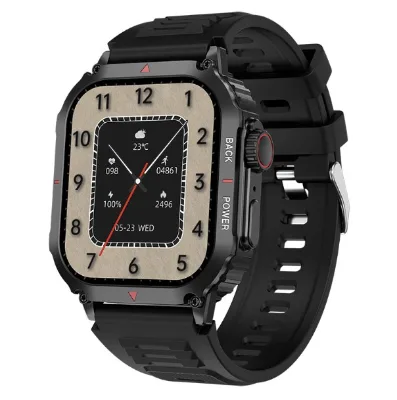


Light Weight 1ATM Waterproof Pedometer Fitness Tracker Outdoor Smartwatch
$15.00 - $16.00
MOQ: 1 Pieces


GPS Tracker Mini Magnetic Real-Time Locator Waterproof IP67 Smart Watch
$22.50 - $27.50
MOQ: 1000 Pieces


Advanced Waterproof GPS Sports Smartwatch with Blood Pressure Monitoring
$22.50 - $27.50
MOQ: 1000 Pieces


IP68 High Waterproof Outdoor Smart Watch All-Round Sports Health Alert Monitor
$26.63 - $26.69
MOQ: 100 Pieces


Waterproof Smartwatch for Fitness Tracking and Heart Rate Monitoring for Outdoor
$12.19 - $12.49
MOQ: 100 Pieces


New Arrival Display Bt Calling Blood Pressure Outdoor Sports Smart Watch
$19.70 - $20.90
MOQ: 30 Pieces

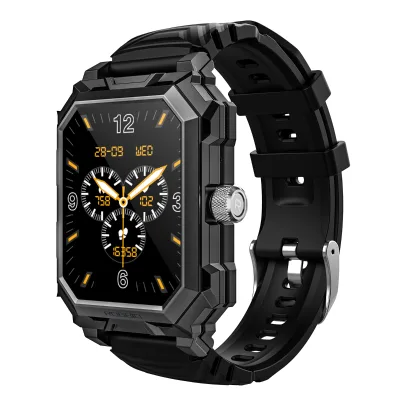


Comprehensive Sourcing Guide
IP68 Waterproof Outdoor Smart Watch Sourcing Guide
Sourcing IP68 waterproof outdoor smart watches requires a disciplined approach to verifying environmental sealing and connectivity performance. Buyers must distinguish between marketing claims and verified ingress protection ratings, ensuring that the device’s enclosure can withstand dust accumulation and temporary water immersion without internal component failure. This guide outlines the critical verification steps for procurement teams evaluating suppliers in this category, focusing on technical integrity, commercial terms, and long-term reliability.
The following sections provide evidence-based procurement guidance derived from observed market listings and trusted category knowledge. Each section addresses specific buyer decisions, from initial product scope definition to long-term quality assurance. The goal is to equip sourcing professionals with the necessary criteria to evaluate suppliers objectively, minimizing risk while maximizing the functional value of the purchased inventory.
Product Scope and Observed Listing Signals
The current market for outdoor smart watches presents a wide range of product variations, with observed listings indicating a price range of $1 to $45.2 USD and minimum order quantities (MOQs) spanning from 1 to 1000 units. This broad spectrum suggests that buyers can access both low-volume prototyping options and larger-scale production runs, but it also necessitates careful screening to align product capabilities with specific business needs. The presence of customization options indicates that many suppliers are willing to adapt designs, packaging, and branding to meet private label requirements, which is a significant advantage for brands seeking differentiated market positioning.
Observed product attributes reveal a strong emphasis on connectivity and display technology, with AMOLED and OLED screens being prominent features in higher-end listings. Models such as the YS7, YS45, Y8, and YS-R1 represent specific hardware configurations that buyers should investigate for their specific sensor arrays and processing capabilities. The inclusion of Bluetooth 5.0 and compatibility with both Android and iOS operating systems is standard, yet buyers must verify the stability of the companion app ecosystem, such as RDFit, to ensure seamless user experience. Additionally, the availability of various band materials, including silicone, leather, and stainless steel, allows for targeted marketing to different demographic segments, from rugged outdoor enthusiasts to fashion-conscious consumers.
Technical Specifications to Verify
Verifying the IP68 rating is paramount for any outdoor smart watch, as this standard certifies protection against dust ingress and temporary immersion in water. Buyers should request specific test reports or certification documents that confirm the device meets the IP68 criteria, rather than relying solely on product descriptions. The observed listings mention IP68 waterproof standards, but the actual performance under dynamic conditions, such as swimming or heavy rain, must be validated through independent testing or supplier-provided quality assurance data. This verification step is critical to prevent warranty claims and brand damage associated with water damage failures.
Beyond waterproofing, the internal hardware specifications significantly impact the watch’s functionality and durability. The observed models feature screens ranging from IPS to 1.95-inch AMOLED displays with resolutions like 348x442 pixels, which affect readability in direct sunlight—a key factor for outdoor use. Buyers should also verify the battery capacity, with some listings indicating 300mAh lithium polymer batteries, and assess the claimed battery life of 5 to 10 days under typical usage conditions. The inclusion of features such as heart rate monitoring, blood oxygen tracking, and multi-sport modes requires robust sensor integration, which should be tested for accuracy and consistency across different units.
Compliance and Safety Documentation
Compliance with international safety and environmental standards is a non-negotiable requirement for importing smart watches into most global markets. While some listings mention CE and RoHS certifications, buyers must verify the validity and scope of these certifications with the issuing bodies. CE marking indicates conformity with health, safety, and environmental protection standards for products sold within the European Economic Area, while RoHS restricts the use of specific hazardous materials in electrical and electronic products. Procurement teams should request copies of these certificates and ensure they are up-to-date and cover the specific models being purchased.
In addition to regulatory compliance, buyers should assess the supplier’s adherence to quality management systems and product safety standards. This includes verifying that the lithium polymer batteries used in the watches meet international transport and safety regulations, such as UN38.3 for battery testing. The absence of a camera in the observed models simplifies privacy compliance, but buyers must still ensure that the device’s data collection practices, particularly regarding health metrics and location data, comply with relevant data protection laws in their target markets. Clear documentation of these compliance measures is essential for smooth customs clearance and market entry.
Cost Drivers and Commercial Terms
The cost of an IP68 Waterproof Outdoor Smart Watch is influenced by several key factors, including the display technology, battery capacity, and the complexity of the sensor array. AMOLED displays, while offering superior visual quality, are more expensive than IPS screens, which can significantly impact the unit price. Similarly, larger battery capacities and advanced features like NFC, cellular connectivity, and always-on displays add to the manufacturing cost. Buyers should analyze the cost structure to understand the value proposition of each model and determine which features are essential for their target market.
Commercial terms, such as MOQs and payment conditions, also play a crucial role in the total cost of ownership. The observed MOQ range of 1 to 1000 units allows for flexibility, but larger orders typically result in lower per-unit costs due to economies of scale. Buyers should negotiate favorable payment terms, such as partial upfront payments and balance upon shipment, to mitigate financial risk. Additionally, the packaging options, including gift boxes, can add to the cost but may enhance the product’s appeal for retail distribution. Understanding these cost drivers enables buyers to make informed decisions that balance quality, features, and budget constraints.
Supplier Qualification and Quality Control
Supplier qualification is a critical step in ensuring the reliability and consistency of the sourced smart watches. Buyers should conduct thorough due diligence on potential suppliers, including verifying their business licenses, manufacturing capabilities, and quality control processes. The observed listings indicate that many suppliers are located in Guangdong, China, a hub for electronics manufacturing, but buyers should still assess the supplier’s specific expertise in wearable technology. Requesting samples for evaluation is essential to verify the product’s build quality, functionality, and adherence to the specified technical standards.
Quality control measures should be integrated into the procurement process to minimize defects and ensure product consistency. Buyers should establish clear quality acceptance criteria, including visual inspections, functional tests, and waterproofing checks. Implementing a pre-shipment inspection (PSI) can help identify and rectify issues before the goods are dispatched. Additionally, buyers should require suppliers to provide a warranty policy and a clear process for handling defective units. Establishing a strong relationship with the supplier based on mutual trust and clear communication can lead to better support and more reliable long-term partnerships.
Long-Term Procurement Checks
Long-term procurement success depends on continuous monitoring of supplier performance and product quality. Buyers should establish key performance indicators (KPIs) to track metrics such as defect rates, on-time delivery, and customer satisfaction. Regular audits of the supplier’s quality management system can help identify areas for improvement and ensure ongoing compliance with standards. Maintaining open lines of communication with the supplier allows for timely resolution of issues and fosters a collaborative approach to product development and improvement.
As technology evolves, buyers must stay informed about emerging trends and innovations in the smart watch market. This includes advancements in battery technology, sensor accuracy, and connectivity protocols. Regularly reviewing the product portfolio and comparing it with competitor offerings can help identify opportunities for differentiation and market expansion. By maintaining a proactive approach to supplier management and market analysis, buyers can ensure that their procurement strategy remains aligned with business goals and customer expectations, securing a competitive advantage in the dynamic wearable technology sector.
FAQs
What is the waterproof rating of this smart watch?
The smart watch features an IP68 waterproof standard, allowing it to withstand dust and immersion in water. This rating ensures protection against splashes and temporary submersion, making it suitable for outdoor activities and daily wear without water damage concerns.
Which display types are available for this smart watch?
Available display types include AMOLED and OLED screens, with some models offering IPS displays. Specific models feature a 1.95-inch AMOLED screen with a resolution of 348x442 pixels, providing clear visibility and vibrant colors for all users.
Can this smart watch connect to both Android and iOS devices?
Yes, the smart watch is compatible with both Android and iOS operating systems. It supports connection via Bluetooth 5.0 and works with the RDFit APP, ensuring seamless integration with various smartphones for notifications and data synchronization.
What materials are used for the watch band and case?
The case is made of alloy material, while bands come in silicone, stainless steel, or leather options. Specific listings mention silicone straps in various colors and leather straps, offering durability and comfort for different user preferences and styles.
How long does the battery last on a single charge?
The battery life ranges from 5 to 10 days on a single charge. The device contains a 300mAh Lithium Polymer battery, providing sufficient power for daily tracking, calls, and monitoring features without requiring frequent recharging during normal use.
What features does the smart watch offer for health monitoring?
It offers comprehensive health tracking including heart rate, blood pressure, blood oxygen, and sleep monitoring. Additional features include activity tracking, calorie counting, and breath monitoring, supported by over 100 multi-sports modes for detailed fitness analysis.
Is customization available for this smart watch product?
Customization is available for this product, allowing buyers to request specific modifications. The product supports private mold options and can be tailored to meet specific branding or functional requirements, making it suitable for OEM orders and bulk purchases.