Source Insulated Stainless Steel Wine Glasses for parties, events, and home use
Compare 30 listings of Insulated Stainless Steel Wine Glasses from Chinese manufacturers. Buyers can evaluate options based on capacity, color, customization services, and shipping readiness for wine and champagne occasions.
Key considerations
Products List
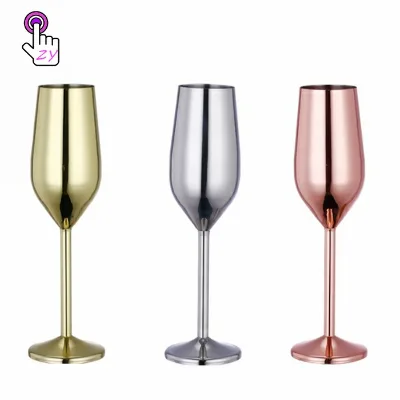
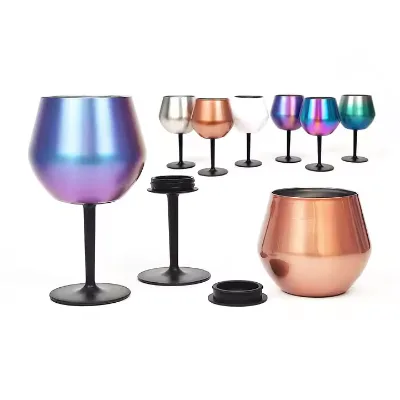
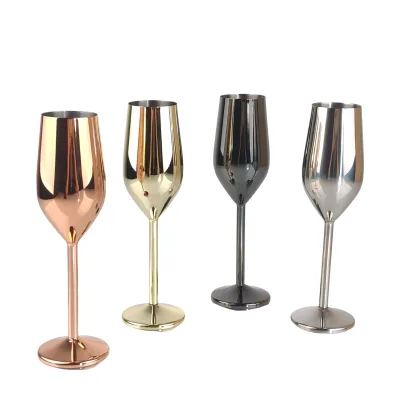
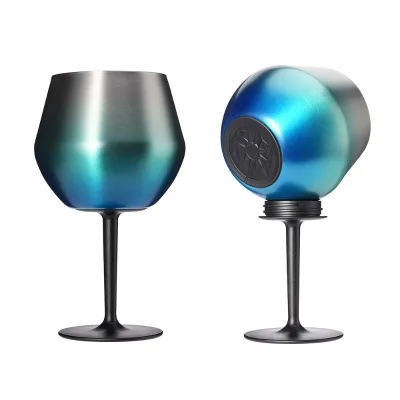
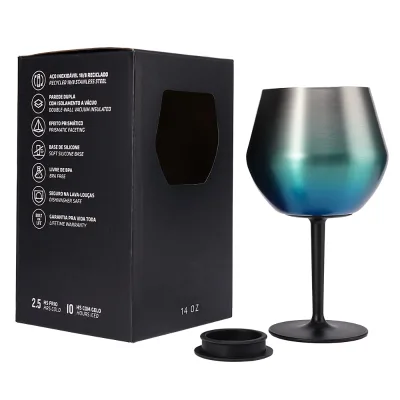
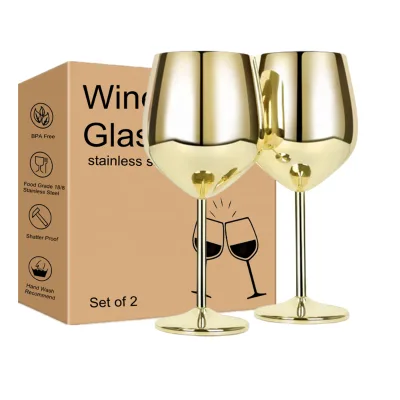
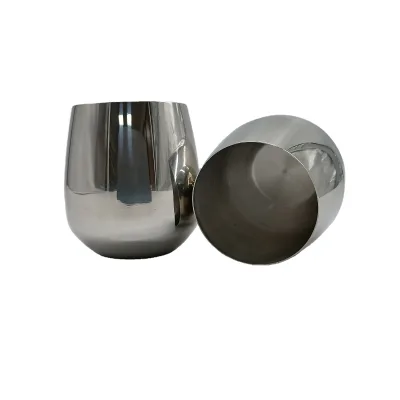
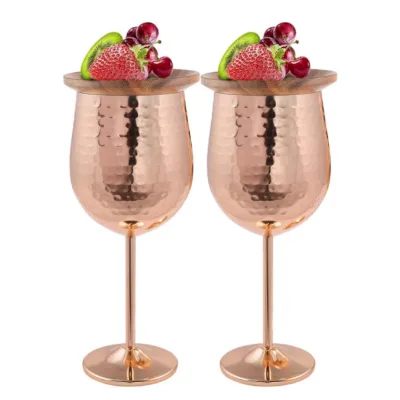
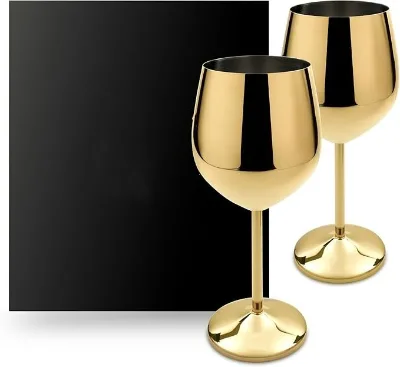
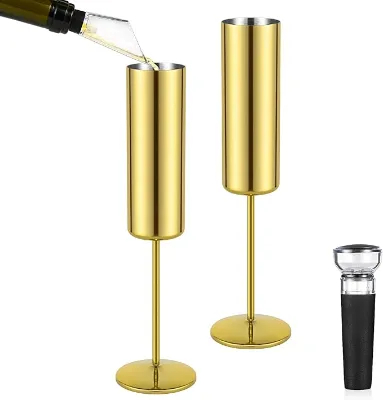


Rosed Gold Color 12oz Stainless Steel Stemless Wine Glasses, Insulated Wine Tumbler
$2.50 - $3.50
MOQ: 1000 Pieces

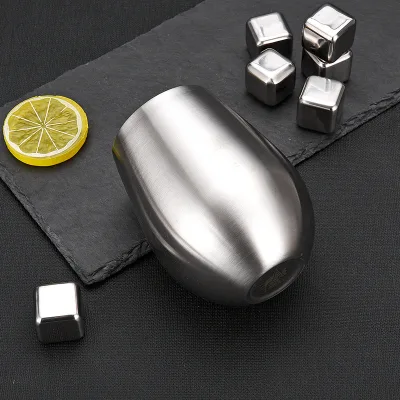


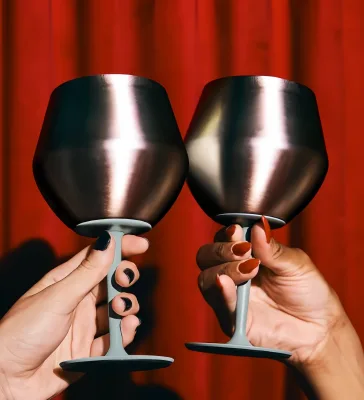


Comprehensive Sourcing Guide
Strategic Sourcing Guide for Insulated Stainless Steel Wine Glasses
The global market for premium drinkware has seen a significant shift toward durable, temperature-retaining alternatives to traditional glass. Insulated Stainless Steel Wine Glasses have emerged as a critical category for B2B buyers seeking to balance aesthetic appeal with functional resilience. This guide synthesizes available product data and industry standards to provide a structured approach for sourcing these items. The focus remains on evidence-based procurement strategies, ensuring that buyers can navigate the complexities of manufacturing, quality assurance, and logistical planning without relying on unverified claims.
Technical Specifications and Material Integrity
When evaluating Insulated Stainless Steel Wine Glasses, the primary technical differentiator is the material composition and construction method. The supplied product data explicitly identifies "Stainless Steel" and "Stainless Steel 304" as the core materials. Grade 304 stainless steel is a standard austenitic alloy known for its corrosion resistance and durability, making it suitable for food and beverage contact. Buyers must verify that the supplier confirms the specific grade, as lower grades may compromise longevity and safety.
The product attributes indicate a "stemless" design with features described as "unbreakable," "break resistant," and "Bpa Free." These characteristics are essential for high-volume events, outdoor gatherings, and commercial hospitality settings where glass breakage poses a safety risk. The capacity data reveals a range of specifications, with observed listings showing volumes between 201-300ml and specific models offering 0.5L capacities. This variance suggests that buyers should define their exact volume requirements early in the sourcing process, as insulation efficiency and weight distribution vary significantly between a 200ml tasting glass and a 500ml standard wine glass.
Furthermore, the "Single gross weight" data points to substantial variance, with some units weighing 0.489 kg and others up to 1.000 kg. This weight difference often correlates with the thickness of the steel walls and the presence of vacuum insulation layers. A heavier unit typically indicates a more robust double-wall construction, which is critical for maintaining the temperature of wine. Buyers should request detailed technical drawings or cross-sections to confirm the insulation mechanism, ensuring that the "Ready to ship" status does not come at the cost of compromised thermal performance.
Compliance, Safety, and Certification Verification
While the product listings mention "Bpa Free" and "Eco-Friendly" features, these are observations that require independent verification rather than assumed facts. In the B2B context, compliance with international food safety standards is non-negotiable. Buyers must demand documentation proving that the stainless steel and any internal coatings meet the regulatory requirements of the destination market. For instance, products intended for the European market often require compliance with EU Framework Regulation (EC) No 1935/2004, while those for the United States must adhere to FDA guidelines.
The "Customized Logo" and "Printing Label" services introduce additional compliance layers. The inks, adhesives, and printing processes used for branding must also be food-safe and non-toxic. Buyers should verify that the supplier uses certified inks that do not leach chemicals into the beverage, especially when the glass is used for acidic wines or champagnes. The "OEM/ODM" acceptance indicates that customization is a core capability, but this flexibility must be balanced with strict quality control to ensure that custom elements do not violate safety regulations.
It is crucial to note that while the data lists "Others" under production types, this ambiguity requires clarification. Buyers should explicitly ask for the specific production standards followed, such as ISO 9001 for quality management systems. Without explicit certification data in the source material, the procurement strategy must prioritize suppliers who can provide third-party test reports for heavy metal migration and overall material safety.
Cost Drivers and Pricing Dynamics
The observed price range for these items spans from $0.50 to $9.00 USD. This wide disparity is driven by several key factors, primarily the complexity of the insulation technology and the level of customization. A unit at the lower end of the spectrum likely represents a single-wall stainless steel construction or a basic insulated model with minimal branding. Conversely, the higher price points likely reflect double-wall vacuum insulation, premium finishes like "Rose Gold," "Gold," or "Silver," and complex custom packaging.
The "MOQ" (Minimum Order Quantity) data presents another significant cost variable, ranging from 6 pieces to 3000 pieces. This range suggests that suppliers cater to both small boutique orders and large-scale commercial contracts. For buyers with lower volume needs, the per-unit cost will be higher due to the setup costs for tooling and printing. Conversely, high-volume orders can leverage economies of scale to reduce the unit price significantly. The "Selling Units" are listed as "Single item," which implies that pricing is typically calculated per piece, but bulk discounts are almost certainly available for orders exceeding the standard MOQ.
Additionally, the "Packing" attribute specifies "Customized Box." Packaging costs can constitute a substantial portion of the total landed cost, especially for fragile or high-end items. Buyers should evaluate whether the packaging is designed for retail display or simple shipping protection, as this impacts the overall cost structure. The "Delivery: Ready to ship" status may also influence pricing; items that are in stock often command a premium compared to those produced on a make-to-order basis, though the latter may offer better customization flexibility.
Typical Applications and Market Segmentation
The product attributes highlight specific use cases, including "Wine," "Champagne," "Party," "Home," and "Custom Products." This versatility positions Insulated Stainless Steel Wine Glasses as a multi-segment product suitable for various market verticals. The "European style," "Morden," "Country," and "American Style" designations indicate that these products are tailored to diverse aesthetic preferences, allowing buyers to target specific consumer demographics.
For the hospitality industry, the "unbreakable" and "stemless" features are particularly valuable. Bars and restaurants in high-traffic areas or outdoor venues can reduce waste and liability by switching from glass to stainless steel. The "Portable" and "Eco-Friendly" features also appeal to the outdoor and camping markets, where durability and environmental consciousness are key selling points. Furthermore, the "Customized Logo" capability makes these glasses ideal for corporate gifting, promotional events, and branded merchandise, where the product serves as a tangible representation of a company's identity.
The capacity range of 201-300ml and 0.5L suggests that these glasses can serve both tasting portions and full servings. This flexibility allows buyers to create product lines that cater to different consumption habits, such as wine tastings versus formal dining. The "Service: Printing Label" and "Logo: Customized Logo Printing" options further expand the application scope to include personalized gifts and event memorabilia.
Supplier Evaluation and Operational Assessment
Evaluating suppliers for Insulated Stainless Steel Wine Glasses requires a deep dive into their operational capabilities and logistical reliability. The data indicates origins in "Guangdong, China" and "Zhejiang, China," both of which are major manufacturing hubs for metal products and drinkware. Buyers should verify the specific factory location within these provinces to assess the supply chain maturity and proximity to ports.
The "Sample: Available" and "Sample time: 2-5 Days" attributes suggest that suppliers are responsive to initial inquiries. However, buyers must treat sample availability as a starting point for quality verification rather than a guarantee of mass production consistency. The "Production: Others" classification is vague and necessitates a detailed inquiry into the supplier's manufacturing capacity, equipment, and workforce. Buyers should request a facility audit or video tour to confirm that the production lines are equipped to handle the specific insulation and finishing processes required.
The "Delivery: Ready to ship" status is a positive indicator for immediate needs, but buyers must clarify the actual inventory levels. "Ready to ship" can sometimes refer to a general stock of base models rather than the specific customized versions requested. It is essential to confirm lead times for custom orders, as the "2-5 Days" sample time does not necessarily apply to bulk production. The "MOQ" of 6 to 3000 pieces indicates flexibility, but buyers should negotiate terms that align with their cash flow and inventory management strategies.
Quality Control and Long-Term Procurement Strategy
Ensuring consistent quality in Insulated Stainless Steel Wine Glasses requires a robust quality control (QC) framework. Buyers should implement a multi-stage inspection process, starting with raw material verification, followed by in-process checks during manufacturing, and concluding with pre-shipment inspections. Key quality metrics include the integrity of the vacuum seal, the uniformity of the plating (Gold, Silver, Rose Gold), and the durability of the printed logos.
The "feature: Unbreakable" claim must be validated through drop tests and impact resistance testing. Buyers should request test reports that demonstrate the glass's ability to withstand accidental drops without cracking or leaking. Additionally, the "Bpa Free" and "Eco-Friendly" claims should be supported by laboratory analysis. Long-term procurement success depends on building a relationship with a supplier who is committed to continuous improvement and can adapt to changing market demands.
The "OEM/ODM: Welcome" status suggests that suppliers are open to collaborative development. Buyers should leverage this to create unique products that differentiate them in the market. However, this collaboration requires clear communication of design specifications and quality expectations. Establishing a long-term partnership with a reliable supplier can lead to better pricing, priority production scheduling, and access to new design trends.
Final Procurement Considerations
In conclusion, sourcing Insulated Stainless Steel Wine Glasses involves a careful balance of technical requirements, compliance checks, and cost management. The available data provides a solid foundation for understanding the product landscape, but buyers must go beyond the surface-level attributes to ensure a successful procurement outcome. By focusing on material integrity, verifying safety certifications, and establishing rigorous quality control protocols, buyers can secure a supply chain that delivers high-quality, durable, and aesthetically pleasing products. The flexibility in design, capacity, and customization offered by suppliers in China provides ample opportunity for B2B buyers to meet diverse market needs. Ultimately, the success of the sourcing strategy lies in the buyer's ability to ask the right questions, verify the evidence, and build a partnership based on mutual trust and shared quality standards.
FAQs
What material is used for these wine glasses?
These wine glasses are constructed from stainless steel, specifically grade 304 in some models. This material ensures durability and corrosion resistance while remaining safe for food and beverage contact without leaching harmful chemicals.
Can I request a customized logo on the glasses?
Yes, customized logo printing is available for these stainless steel wine glasses. Buyers can work with suppliers offering OEM and ODM services to add branding through printing labels or direct logo application on the metal surface.
What is the minimum order quantity for these items?
The minimum order quantity ranges from 6 pieces to 3000 pieces depending on the specific supplier and customization needs. Some listings show a base MOQ of 6 pieces, while others may require 50 pieces for certain configurations.
How long does it take to receive samples?
Sample preparation typically takes between 2 to 5 days for these insulated wine glasses. Suppliers generally offer sample availability to allow buyers to verify quality, finish, and capacity before committing to larger bulk orders.
What capacity options are available for these glasses?
Capacity options vary, with some models holding between 201 to 300 milliliters and others offering 0.5-liter volumes. Buyers should specify their required capacity as insulation efficiency and weight distribution differ significantly between these sizes.
Are these glasses suitable for champagne and wine?
Yes, these stainless steel glasses are explicitly designed for use with both wine and champagne. Their stemless, unbreakable design makes them ideal for parties, outdoor events, and commercial hospitality settings where durability is essential.