Source Intel B85 Motherboard for Desktops, Servers, and Workstations
Compare 30 listings for the Intel B85 Motherboard featuring LGA1150 sockets and DDR3 support. Buyers can evaluate options for desktop, server, and workstation applications with varying conditions and port configurations.
Key considerations
Products List
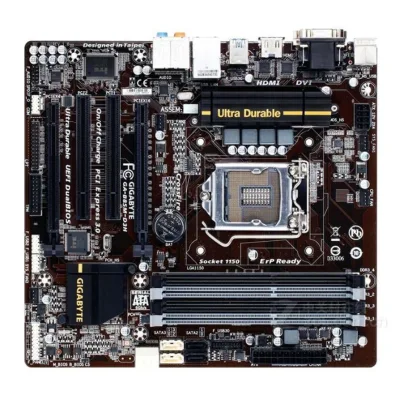
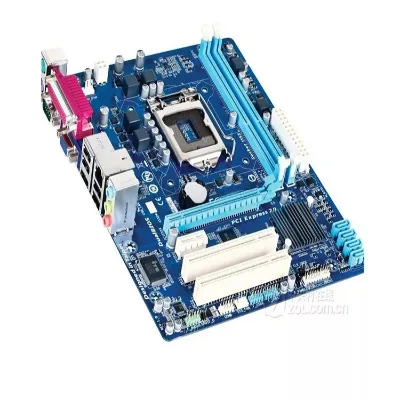
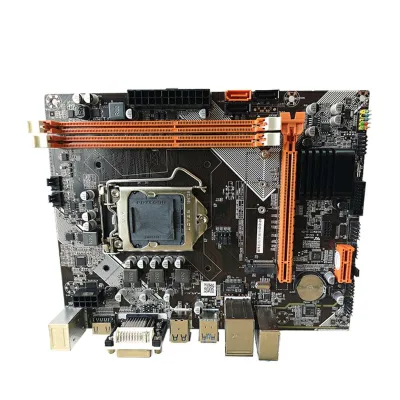
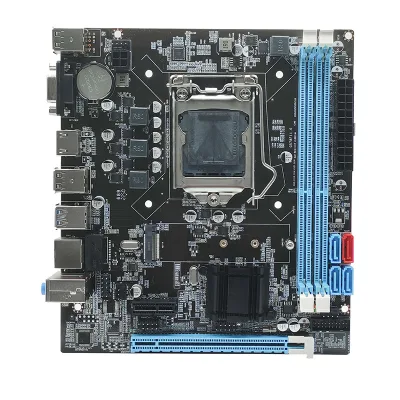
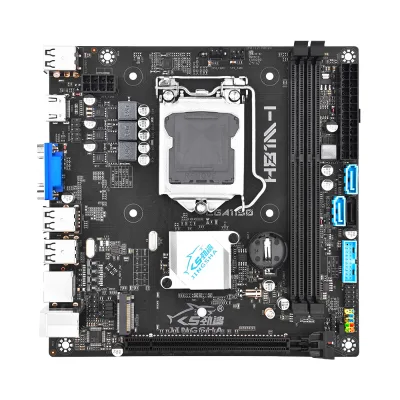
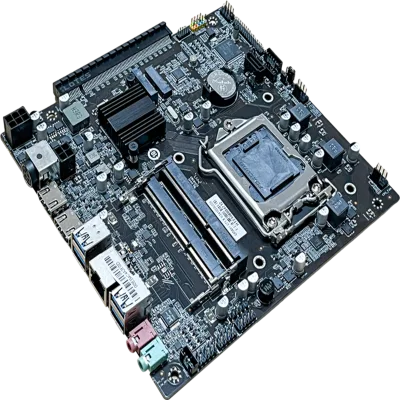
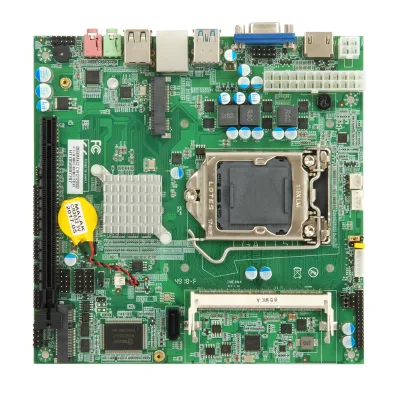


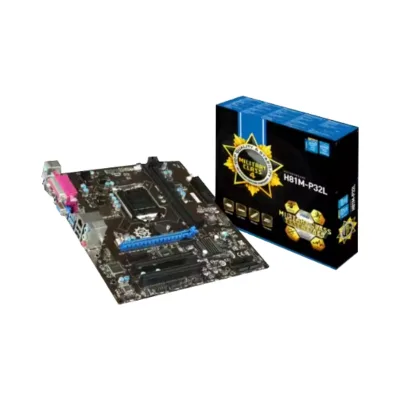


Embedded Intel OEM Fanless Mini Itx Motherboard/Mother Board/Main Board
$155.90 - $189.90
MOQ: 2 Pieces

Manufacturer OEM Industrial Computer Motherboard Mainboard with Intel Onboard CPU
$102.90 - $139.90
MOQ: 2 Pieces

Customized Embedded Industrial Motherboard with Intel 8th Gen X86 Core I7
$205.90 - $259.90
MOQ: 2 Pieces

X86 Dual-Channel OEM Industrial Intel Am4 Motherboard with 8th Gen Core I3
$129.90 - $169.90
MOQ: 2 Pieces

Industrial Mainboard Industrial Motherboard Four PCI Slot Q87 Im87smbk2c10
$114.00 - $129.00
MOQ: 20 Pieces


Esonic H81 M. 2 Motherboard LGA1150 DDR3 ATX Mainboard for Intel 4th Generation
$13.00 - $15.00
MOQ: 20 Pieces

Comprehensive Sourcing Guide
Strategic Sourcing Guide for Intel B85 Motherboard Procurement
Understanding the B85 Platform Architecture and Variants
The Intel B85 chipset represents a significant segment in the mid-range desktop computing market, historically designed to support the Haswell generation of processors. When sourcing a motherboard with the core keyword "Intel B85," buyers must first recognize that this specific chipset designation implies a particular set of architectural capabilities centered around the LGA1150 socket. The primary function of the B85 platform is to provide a stable, cost-effective foundation for business desktops, educational institutions, and light industrial workstations where high-end overclocking is not a priority.
A critical observation in the current market is the presence of mixed listings that may conflate different chipset generations. While the B85 is distinct, procurement data often shows listings that include variations such as the H61 or H81 chipsets, which utilize different sockets like LGA1155 or LGA1151. A genuine B85 motherboard will strictly adhere to the LGA1150 socket specification, supporting Intel Core i7, i5, i3, Pentium, and Celeron processors of the fourth generation. The chipset manufacturer is consistently identified as Intel, ensuring a baseline of compatibility with the Intel ecosystem.
The memory architecture of the B85 platform is a defining characteristic. These boards typically feature four DDR3 DIMM slots, allowing for a maximum memory capacity of 32GB. This configuration supports dual-channel memory operation, which is essential for maintaining system throughput in multitasking environments. Buyers should verify that the listed product explicitly states "DDR3" as the memory type, as the presence of DDR4 slots would indicate a different chipset generation entirely. The memory channel configuration is optimized for standard desktop workloads rather than the extreme bandwidth requirements of high-performance servers, though the platform is robust enough for general server applications in smaller deployments.
Technical Specifications and Interface Capabilities
When evaluating the technical specifications of a B85 motherboard, the interface capabilities define its utility in modern and legacy systems. The B85 chipset natively supports SATA interfaces, which are the standard for connecting storage drives. In many observed configurations, the board includes multiple SATA ports, often a mix of SATA 2.0 and SATA 3.0 speeds, facilitating the connection of both traditional hard disk drives and solid-state drives. The presence of USB 2.0 and USB 3.0 ports is standard, providing connectivity for peripherals and external storage devices.
The physical form factor of the B85 motherboard is predominantly Micro-ATX. This smaller footprint allows for greater flexibility in case selection, making it suitable for compact desktop builds where space is a constraint. The board layout typically includes a PCI-Express X16 slot for graphics acceleration, although the B85 platform often relies on integrated graphics processors for basic display output. This integrated graphics capability reduces the total cost of ownership for systems that do not require discrete graphics cards for heavy 3D rendering or gaming.
The front-side bus (FSB) or QuickPath Interconnect (QPI) speeds associated with the B85 platform are generally rated at 1600MHz, which dictates the communication speed between the CPU and the chipset. This speed is sufficient for the intended processor range but differs from the higher speeds found in more recent architectures. Buyers must also note the power delivery and expansion slot configuration, which typically includes slots for PCI and PCIe devices, allowing for the addition of network cards, sound cards, or other expansion hardware. The "package" status of the product, whether sold as a single item or in bulk, is a logistical detail that impacts the procurement process, particularly for large-scale deployments.
Compliance, Certification, and Condition Verification
In the B2B procurement of motherboards, particularly those in the B85 category, the condition of the item is a primary compliance factor. The market for this specific chipset generation is heavily populated by "Used" or "Refurbished" inventory, as the platform has been superseded by newer generations. Buyers must explicitly verify the "item condition" field in supplier listings. A listing that claims "New" for a B85 board requires rigorous scrutiny, as genuine new old stock (NOS) is rare and often commands a premium price. Conversely, "Used" listings are common but necessitate a strict quality assurance protocol.
Certification and testing standards are paramount when dealing with used hardware. Trusted suppliers often provide evidence that the boards have undergone a "100% Tested Perfect" procedure. This implies that the motherboard has been subjected to functional testing to ensure all ports, slots, and memory channels operate correctly. However, buyers should not assume that all listed products meet this standard without verification. The absence of specific certification marks, such as CE, FCC, or RoHS, in the provided data means the buyer must request this documentation directly from the supplier.
Compliance with environmental standards is also a consideration, especially for organizations with strict sustainability mandates. While the supplied data does not explicitly list environmental certifications, the "private mold" attribute being "No" suggests that these boards are likely standard OEM designs rather than proprietary custom builds. This standardization can simplify compliance checks, as the design is widely recognized. Buyers should verify if the packaging details, such as foam bags, paper boxes, or custom boxes, meet their internal logistics and environmental requirements. The "Supply Ability" of 999 pieces per week indicates a high-volume supplier, but this does not inherently guarantee certification compliance without specific documentation.
Cost Drivers and Pricing Dynamics
The pricing of B85 motherboards is influenced by several dynamic factors, primarily driven by the condition of the hardware and the volume of the order. The observed price range in the market spans from $0.50 to $385.00 USD. This wide variance is largely attributable to the distinction between used, refurbished, and potentially new old stock items. The lower end of the spectrum typically represents used units sold in bulk or as single items with minimal packaging. The higher end may reflect units that are in pristine condition, include extended warranties, or are bundled with other components.
Minimum Order Quantity (MOQ) is another significant cost driver. The observed MOQ range varies from 1 to 300 units. For small-scale procurement, buyers can often source single items, which is useful for replacements or small office setups. However, for larger deployments, negotiating a lower unit price by increasing the order volume is a standard strategy. The "Selling Units" attribute, often listed as "Single item," suggests that the market is flexible, but bulk buyers should inquire about tiered pricing structures.
The "Supply Ability" of 999 pieces per week suggests that the supply chain is robust, but this does not guarantee immediate availability for large orders without lead time considerations. Buyers should factor in the "Port of dispatch," which is frequently listed as Shenzhen or Hong Kong, into their logistics planning. Shipping costs from these regions can impact the total landed cost, especially for heavy or bulky items. Additionally, the "Dimension" of the packaging, such as 29x60x45 cm for single packages, affects freight calculations. Buyers must calculate the total cost of ownership, including shipping, duties, and potential currency exchange fluctuations, rather than focusing solely on the listed unit price.
Typical Applications and Deployment Scenarios
The B85 motherboard is versatile and finds application in a variety of sectors, primarily driven by its balance of performance and cost. The "application" field in supplier data often lists "Desktop," "Server," and "Workstation." This indicates that the platform is suitable for general office computing, light server duties, and workstation tasks that do not require the latest generation of hardware.
In the desktop sector, the B85 is ideal for business environments where reliability and compatibility are more important than cutting-edge performance. It supports the full range of Intel Core processors, making it a flexible choice for organizations with mixed hardware needs. The "Integrated Graphics" capability allows for cost savings on graphics cards, which is beneficial for thin clients or basic office terminals.
For server and workstation applications, the B85 offers a stable platform for file servers, print servers, or database servers in small to medium-sized enterprises. The four DDR3 memory channels and 32GB maximum capacity are sufficient for many legacy server workloads. However, buyers must be cautious when selecting this platform for high-performance server tasks, as the B85 chipset lacks some of the advanced features found in server-specific chipsets. The "Application: Server" label in listings should be verified against the specific workload requirements of the intended deployment.
Supplier Evaluation and Quality Control Protocols
Evaluating suppliers for B85 motherboards requires a focus on transparency and verification of the product condition. Since the market is saturated with used and refurbished units, the supplier's ability to provide detailed testing reports is a key differentiator. Buyers should prioritize suppliers who explicitly state "100% Tested Perfect" and provide evidence of their testing procedures. The "Test condition" attribute is a critical metric for ensuring that the hardware will function reliably in a production environment.
When assessing supplier reliability, buyers should look for clear information regarding the "Place of origin," which is frequently Guangdong, China. This region is a major hub for electronics manufacturing, but it also hosts a wide range of quality levels. Buyers should verify the supplier's history, customer reviews, and return policies. The "Brand name" is often listed as "OEM," indicating that the board may not carry a major retail brand but is manufactured to specific standards. This does not imply lower quality but requires the buyer to rely on the supplier's reputation for quality control.
Quality control protocols should include a thorough inspection upon receipt. Buyers should check for physical damage, verify the presence of all ports and slots, and test the memory channels. The "Memory Bank" configuration should be verified to ensure it matches the specification of four DDR3 DIMM slots. Additionally, buyers should confirm the "Graphics card type" to ensure it matches the system requirements, whether integrated or non-integrated.
Long-Term Procurement and Lifecycle Management
Procuring B85 motherboards involves considerations for long-term lifecycle management and support. As the platform is no longer the latest generation, buyers must plan for the eventual obsolescence of the hardware. The "Item condition: Used" status suggests that these boards may have a limited remaining lifespan compared to new hardware. Buyers should factor in the risk of component failure and the availability of replacement parts.
For organizations planning to deploy these boards in critical infrastructure, it is essential to establish a maintenance and replacement strategy. This includes maintaining a stock of spare units and ensuring that the supplier can provide consistent supply for future replacements. The "Supply Ability" of 999 pieces per week is a positive indicator, but buyers should verify the supplier's ability to maintain this capacity over the long term.
Furthermore, buyers should consider the compatibility of the B85 platform with future software updates. While the chipset supports a wide range of processors, the end-of-life status of the platform may limit the availability of driver updates and security patches. Organizations should assess whether the B85 platform meets their security and compliance requirements for the duration of the deployment.
In conclusion, sourcing Intel B85 motherboards requires a disciplined approach that balances cost, condition, and technical requirements. By carefully evaluating the specifications, verifying the condition of the hardware, and selecting reputable suppliers, buyers can effectively integrate this platform into their IT infrastructure. The B85 remains a viable option for specific use cases where cost-effectiveness and reliability are paramount, provided that the procurement process includes rigorous quality control and lifecycle planning.
FAQs
What is the maximum memory capacity for this motherboard?
The maximum memory capacity is 32GB. This limit applies to the four DDR3 DIMM slots found on the board, supporting standard desktop workloads effectively.
Which processor sockets are compatible with this chipset?
The primary compatible socket is LGA1150 for Haswell processors. Some listings may also reference LGA1151 or LGA1155, but the B85 chipset specifically targets the LGA1150 platform.
Can I find new or used options for this product?
Both new and used conditions are available in the market. Buyers must verify the item condition field, as genuine new stock is rare and used units often require strict testing verification.
How many memory channels does the B85 chipset support?
The B85 chipset supports four memory channels via four DDR3 DIMM slots. This configuration allows for dual-channel memory operation to maintain system throughput in multitasking environments.
What is the typical price range for these motherboards?
The observed price range spans from 0.50 to 385 USD. This variance depends heavily on the hardware condition, whether it is used, refurbished, or new old stock.
Which form factor is standard for this motherboard model?
The standard form factor is Micro-ATX. This smaller footprint provides flexibility for compact desktop builds while retaining essential expansion slots like PCI-Express X16.
Are integrated graphics available on this platform?
Yes, integrated graphics processors are commonly available on this platform. This feature reduces total cost of ownership for systems that do not require discrete graphics cards for heavy rendering.