Source Interactive Family Geometry Chess for Education, Play, and Gifts
Find 30 Interactive Family Geometry Chess options from China. Compare plastic and wood models with En71 and CE certifications. Ideal for developing intelligence in children aged 3-13 years through educational play and amusement; compare the available evidence and request quotations based on your requirements.
Updated
Key considerations
Products List
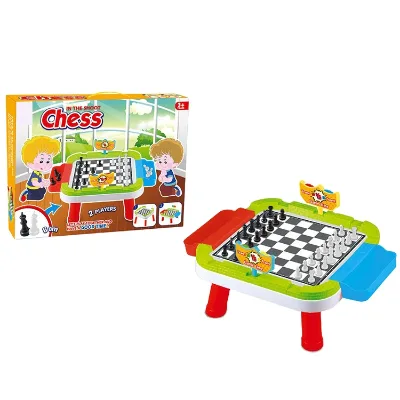
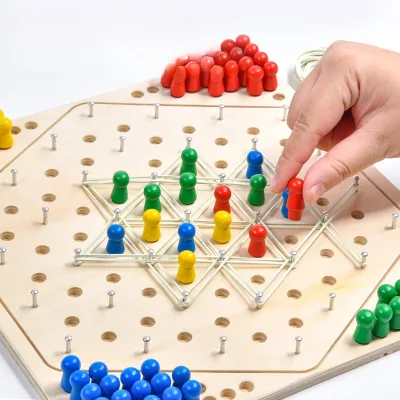


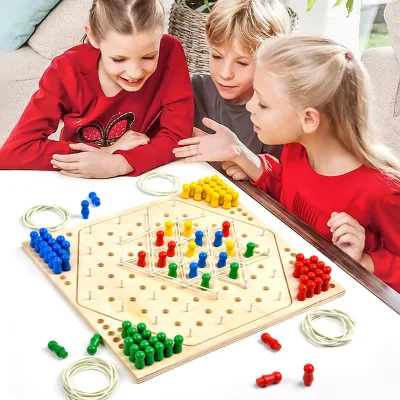
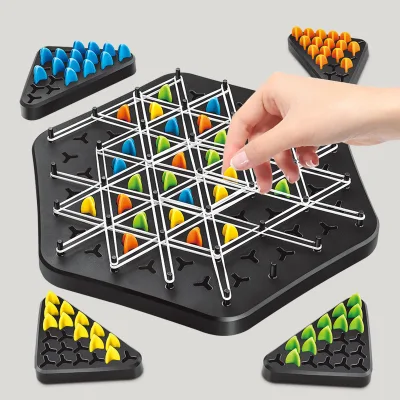
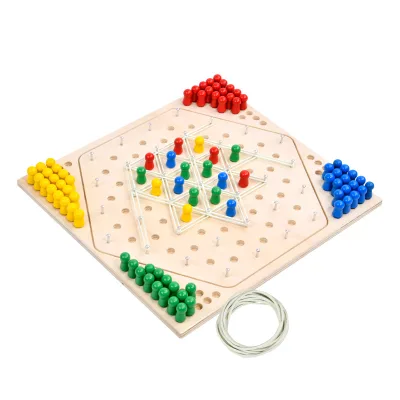
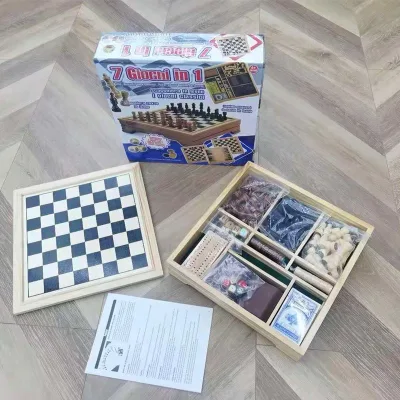
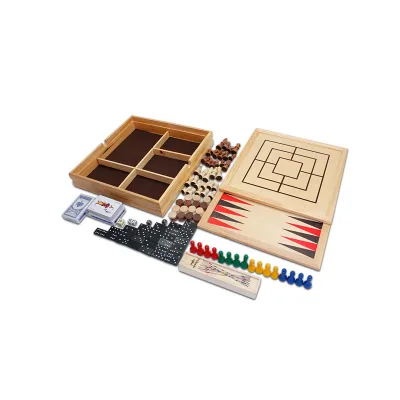
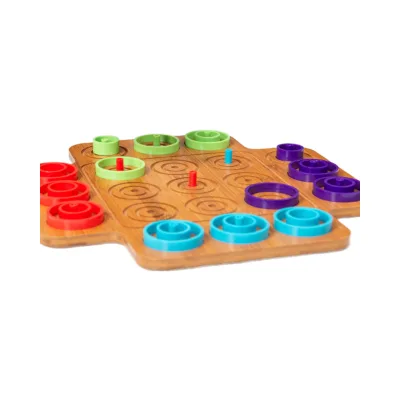


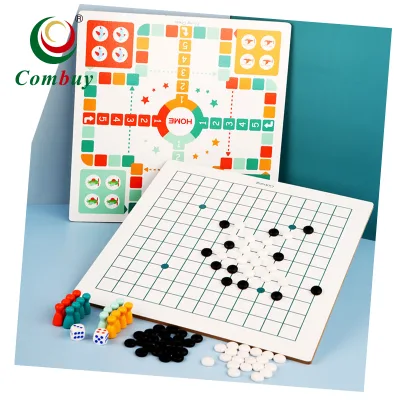
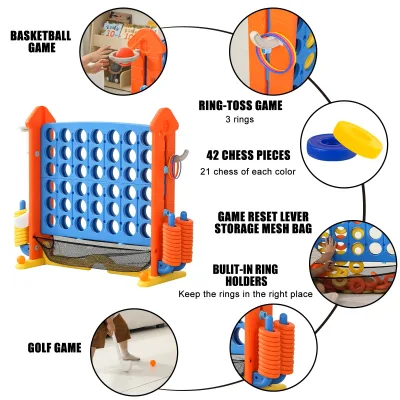
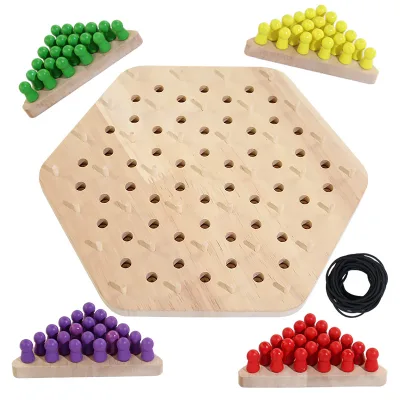
Children Desktop Toy Parent-Child Interactive Puzzle Wooden Bouncing Chess
$1.65 - $2.65
MOQ: 120 Pieces


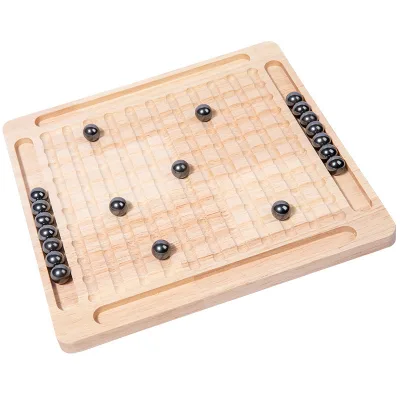
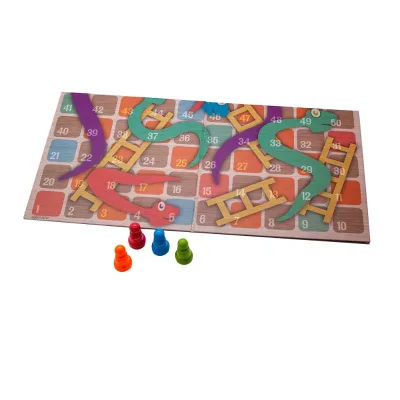
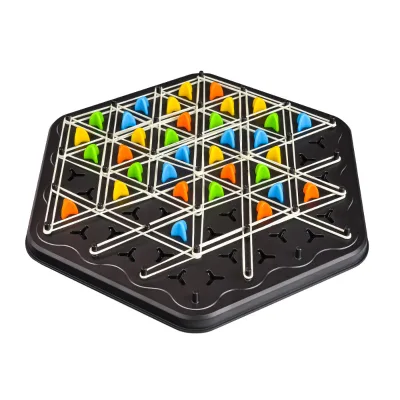
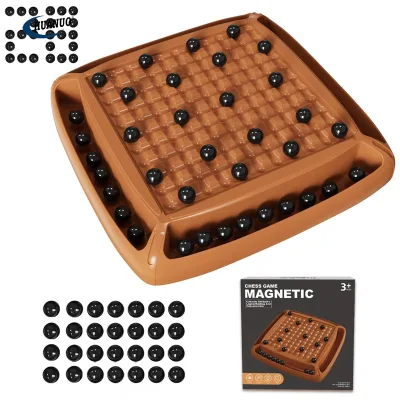



Comprehensive Sourcing Guide
Interactive Family Geometry Chess Sourcing Guide
Sourcing Interactive Family Geometry Chess sets requires a careful balance between educational value and recreational engagement. Buyers must identify products that blend geometric learning with traditional chess mechanics, ensuring the design appeals to both children and adults. The market offers various configurations, from plastic-based models to wooden puzzles, each catering to different age groups and skill levels. Understanding these distinctions is crucial for selecting the right product for your target demographic, whether it is for retail shelves, educational institutions, or direct-to-consumer sales.
The procurement process involves evaluating multiple product attributes, including material composition, packaging, and certification standards. Suppliers often provide OEM/ODM services, allowing for customization of branding and design elements. However, buyers must verify that these customizations do not compromise the structural integrity or safety of the game. It is essential to review the specific model numbers and specifications provided by suppliers to ensure they meet the functional requirements of an interactive geometry chess experience. This diligence helps in avoiding mismatches between product expectations and actual deliverables.
Product Scope and Observed Listing Signals
The observed product landscape includes a variety of geometry-themed chess sets, ranging from plastic toys to wooden puzzles. Listings indicate a wide age range, typically spanning from 3 to 13 years, suggesting versatility in target audiences. Products are often marketed as educational toys that develop intelligence and amusement, appealing to both boys and girls. The presence of multi-color options and specific geometric designs, such as triangle chess, highlights the diversity in visual appeal and gameplay mechanics. Buyers should note that these products are often categorized under general or specific toy departments, indicating their broad market applicability.
Packaging and logistics details are critical for cost estimation and storage planning. Common packaging types include window boxes, color boxes, and standard cartons, with varying dimensions and weights. For instance, some products have single package sizes around 45x10x35 cm, while others are more compact at 26.5x26.5x3.8 cm. The quantity per carton also varies, with some listings showing 24 pieces per carton. These physical attributes directly impact shipping costs and warehouse efficiency, making it essential for buyers to request precise packing lists and gross weight data before finalizing orders.
Technical Specifications to Verify
Technical verification begins with confirming the material composition and structural durability of the chess sets. Products are listed as being made from plastic or wood, each offering distinct advantages in terms of cost, weight, and tactile experience. Buyers must verify the exact model numbers, such as M0327604 or XQ133541, to ensure consistency in production batches. Additionally, the flux index and other technical metrics should be reviewed to understand the product's performance characteristics. These specifications are vital for ensuring that the chess sets can withstand regular use by families and children without rapid degradation.
Dimensional accuracy and packaging standards are equally important for quality assurance. The single package size and packing size must match the supplier's declarations to avoid discrepancies in logistics planning. For example, some products have a packing size of 42x7x31 cm, while others are listed as 3216.54.7 cm. Buyers should request samples to physically verify these dimensions and check for any deviations. Furthermore, the condition of the product upon arrival should be new, with no visible defects or damage. This verification step helps in maintaining brand reputation and customer satisfaction.
Compliance and Safety Documentation
Compliance with international safety standards is non-negotiable for toy products, especially those intended for children. Listings indicate certifications such as En71, CE, and various ASTM standards, which are critical for market access in different regions. Buyers must verify that these certifications are valid and issued by recognized testing bodies. The presence of multiple certifications, including CPC and CoC, suggests a comprehensive approach to safety, but buyers should still request the actual test reports to confirm compliance. This due diligence protects against potential legal liabilities and ensures the product meets the highest safety benchmarks.
Documentation also includes understanding the specific standards applied to the product, such as 3216.54.7cm or 26.526.53.8cm, which may relate to packaging or dimensional standards. Buyers should ensure that the supplier provides clear documentation on how these standards are met. Additionally, the product's origin, whether from Guangdong or Zhejiang in China, may influence the regulatory landscape. Buyers must be aware of any regional requirements and ensure that the supplier can provide the necessary documentation to meet these obligations. This proactive approach minimizes the risk of customs delays or product recalls.
Cost Drivers and Commercial Terms
Cost drivers for Interactive Family Geometry Chess sets include material costs, manufacturing complexity, and packaging requirements. Plastic-based products may offer lower costs compared to wooden alternatives, but the latter may provide higher perceived value. The MOQ (Minimum Order Quantity) varies significantly, ranging from 2 to 1000 sets, impacting the initial investment required. Buyers should negotiate terms that align with their inventory capacity and sales forecasts. Understanding the price range, observed between 0.63 and 29.51 USD, helps in budgeting and profit margin calculations.
Commercial terms also involve lead times and payment conditions. Suppliers may offer different lead times based on order volume and customization requirements. Buyers should clarify these timelines to ensure timely delivery for their sales cycles. Payment terms, such as T/T or L/C, should be negotiated to balance risk and cash flow. Additionally, the availability of OEM/ODM services may incur additional costs, which should be factored into the total cost of ownership. Clear communication of these terms helps in avoiding unexpected expenses and ensures a smooth procurement process.
Supplier Qualification and Quality Control
Supplier qualification is a critical step in ensuring the reliability and consistency of the product supply. Buyers should assess the supplier's production capabilities, quality control processes, and past performance. The presence of OEM/ODM services indicates a level of flexibility and customization capability, but buyers must verify the supplier's ability to maintain quality standards during customization. Requesting references or case studies from previous clients can provide insights into the supplier's reliability and professionalism. This evaluation helps in building a long-term partnership based on trust and mutual benefit.
Quality control measures should be established before production begins. Buyers should define clear quality criteria, including material specifications, dimensional accuracy, and packaging standards. Implementing pre-production samples and during-production inspections can help identify and rectify issues early in the process. Additionally, final random inspections before shipment ensure that the delivered products meet the agreed-upon quality standards. These measures reduce the risk of receiving defective goods and minimize the need for returns or replacements, thereby protecting the buyer's brand reputation.
Long-Term Procurement Checks
Long-term procurement checks involve continuous monitoring of supplier performance and market trends. Buyers should regularly review supplier metrics, such as on-time delivery rates, defect rates, and responsiveness to issues. This data-driven approach helps in identifying potential problems early and taking corrective actions. Additionally, staying informed about changes in safety regulations and market demands ensures that the product remains compliant and competitive. Buyers should also explore opportunities for product innovation, such as new geometric designs or interactive features, to maintain customer interest and drive sales growth.
Building a resilient supply chain requires diversification and risk management strategies. Buyers should consider sourcing from multiple suppliers to mitigate the risk of supply disruptions. Establishing clear communication channels and regular review meetings with suppliers fosters collaboration and problem-solving. Furthermore, investing in relationship management can lead to better pricing, priority production, and exclusive product access. These long-term strategies ensure that the procurement process remains efficient, cost-effective, and aligned with the buyer's strategic goals, ultimately supporting sustainable business growth.
FAQs
What certifications do the Interactive Family Geometry Chess toys have?
The toys hold En71 and CE certifications to ensure safety standards. Some listings also include 3c and CPC compliance for broader market access. These certifications verify that the plastic and wooden materials meet international safety requirements for children aged 3 to 13 years.
Which materials are used for the Interactive Family Geometry Chess sets?
The sets are primarily manufactured using durable plastic or wood materials. Plastic versions often feature multi-color designs while wooden options may include green or blue accents. Both materials are selected to ensure longevity and safety for children in the specified age ranges.
Can buyers customize the Interactive Family Geometry Chess packaging?
Yes, customization is available for packaging and product design. Buyers can request window boxes or color boxes depending on their needs. OEM and ODM services are highly welcomed to tailor the product specifications and branding for specific market requirements.
What is the minimum order quantity for these chess toys?
The minimum order quantity varies by supplier but typically ranges from 2 to 1000 units. Some specific listings require a minimum of 40 sets. Buyers should verify the exact MOQ with the manufacturer before placing an order to ensure it meets their procurement needs.
Where are the Interactive Family Geometry Chess toys manufactured?
These toys are manufactured in China, specifically in regions like Guangdong and Zhejiang. Some products originate from Chenghai, a known hub for toy production. The location ensures access to established supply chains and manufacturing capabilities for educational toys.
How does the price range for these chess toys compare?
The observed price range for these toys spans from 0.63 to 29.51 USD per unit. Pricing depends on factors such as material, size, and certification levels. Buyers should expect variations based on the specific model number and customization options selected.