Stackable Animal Baby Bath Toy Suppliers and Manufacturers
Source 25 verified suppliers for Stackable Animal Baby Bath Toy products from Guangdong, China. Compare key dimensions including CE and EN71 certifications, response times, and lead times. Request quotes directly to evaluate pricing and MOQ options; review the available evidence before requesting comparable quotations from suitable candidates.
Suppliers List
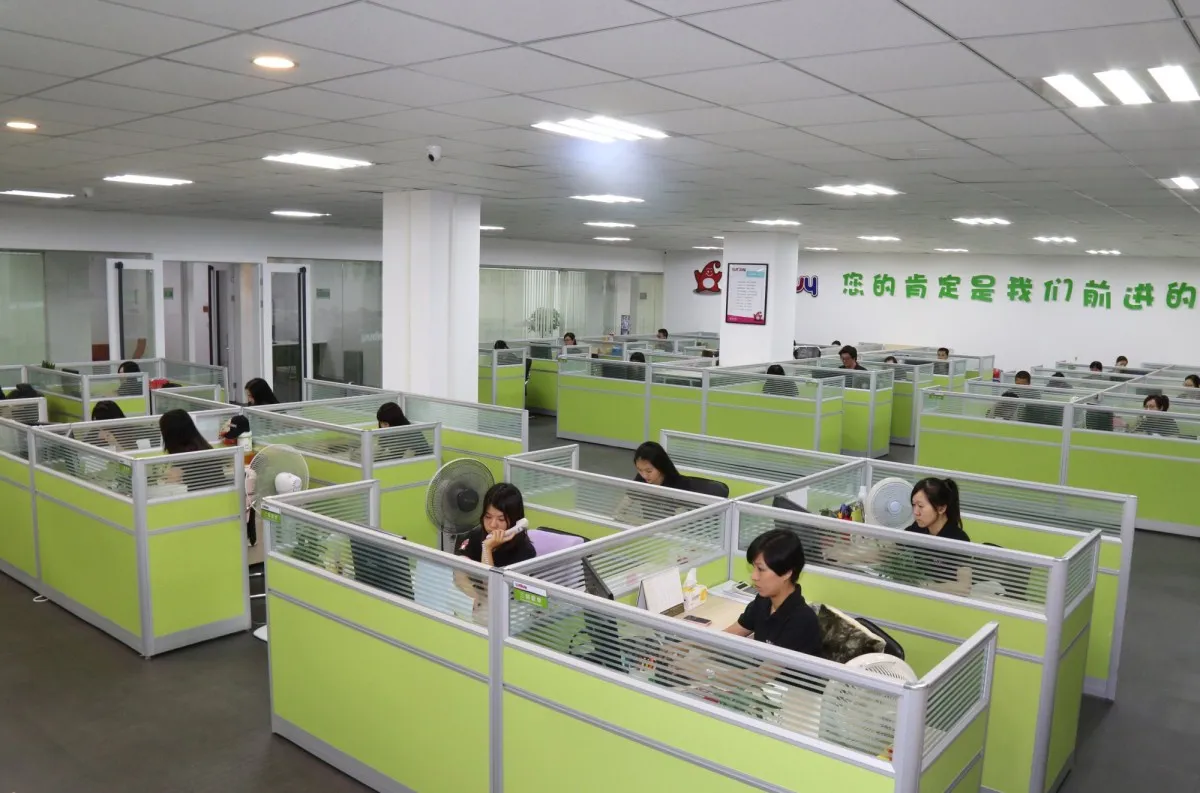
Shantou Combuy Toys&gifts Co., Ltd.
- Trading Company
- Guangdong, China
- Lead time30 days
- Avg. response≤ 3h
Main productsBaby Toys,Summer Toys,Pretend play toys,Educational Toys,RC TOYS
Main marketsNorth America(30.00%), Eastern Europe(20.00%), South America(20.00%), Western Europe(10.00%), Eastern Asia(10.00%), Mid East(10.00%)

Shantou Chenghai Xaqi Toys Industrial Co., Limited
- Verified by BV
- Combined
- China Guangdong
- Lead time23 days
- Avg. response≤ 4h
Main productsRemote Control Car, Educational Toy, Sport Toy, Pretend Play Toys, Remote Contro Toy, Baby Toy, Summer Toy, B/O Toy
Main marketsSoutheast Asia/ Mideast,Domestic,Europe

Shantou Tego Toys Company Limited
- Verified by SGS
- Trading Company
- China Guangdong
- Lead time45 days
- Avg. response≤ 10h
Main productsSummer Toy, Girl Toy, Die Cast Toy, Wholesale Toy, Childred Toy
Main marketsSoutheast Asia/ Mideast,Domestic,Australia


Wholesale Children Rubber Animal Bath Toy Set for Kids Bath Playtime Baby Toy
$1.11 - $1.27
MOQ: 480 Bags

Wholesale Children 8PCS Colorful Rubber Animal Bath Set Toy for Kids Baby Toy
$2.39 - $2.75
MOQ: 240 Pieces

Shantou Kaixin Trading Co., Ltd
- Verified by BV
- Manufacturer
- China Guangdong
- Lead time23 days
- Avg. response≤ 8h
Main productsToy, Educational Toy, Remote Control Toy, Pretend Play Toy Set, Summer Toy, Vehicle Toy, Doll, Promotion Toy, Baby Toy, Game Toy
- Manufacturer, Trading Company
- Lead time旺季: "1 - 100":35,"101 - 500":45,"501 - 1000":55,"> 1000":"To be negotiated", 淡季: "1 - 100":35,"101 - 500":45,"501 - 1000":55,"> 1000":"To be negotiated"
- Avg. response≤ 1h
Main productsSilicone kitchen item, Silicone ice tray, Silicone basket, Silicone mats, Silicone baby feeding set
Shantou Jinyu Trading Co., Ltd.
- Verified by SGS Group
- Manufacturer, Trading Company
- Lead time7 days
- Avg. response≤ 4h
Main productsEducational Toys, Baby Toys, Toy Car, Outdoor Toys, Pretend Play
Main marketsNorth America(40%), Eastern Europe(20%), Southeast Asia(20%)
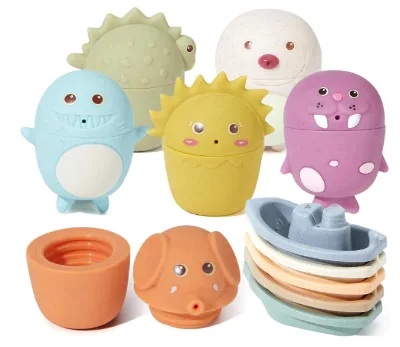
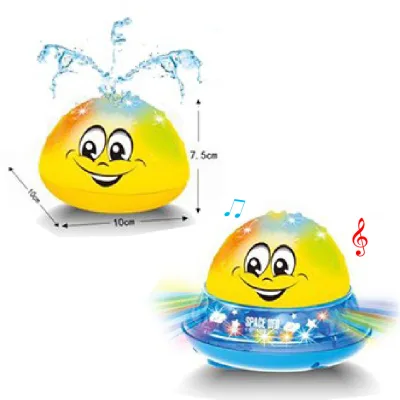
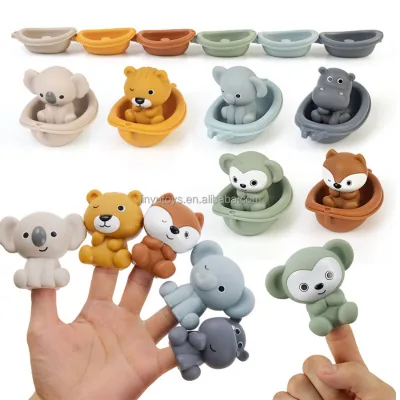
Baby Bath Toys Stacking Boats & Animal Squirter Bathtub Toys Sensory Bathtub Toys for Babies
$3.30 - $3.50
MOQ: 5 boxes
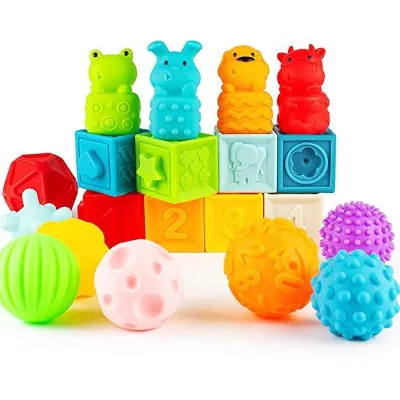
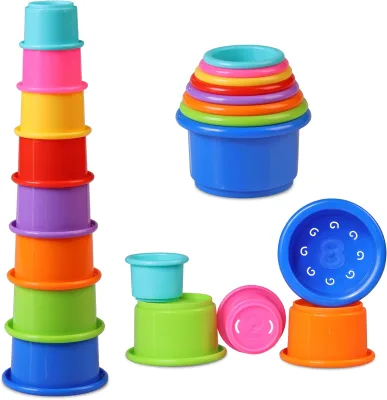
Guangzhou Combuy Toys Co., Ltd.
- Trading Company
- Guangdong, China
- Lead time30 days
- Avg. response≤ 4h
Main productsEducational Toy,Building blocks,Baby Toy,Summer Toy,RC Toys
Main marketsMid East(20.00%), Eastern Europe(20.00%), South America(20.00%), North America(20.00%), Western Europe(10.00%), Eastern Asia(10.00%)
Guangzhou Baolilong Toys Trading Co., Limited
- Trading Company
- Guangdong, China
- Lead time45 days
- Avg. response≤ 8h
Main productspromotion toys,dollar chain shop toys,OEM and ODM,candy toy,capsule toy
Main marketsNorthern Europe(35.00%), Mid East(25.00%), Eastern Europe(25.00%), South Asia(10.00%), South America(5.00%)
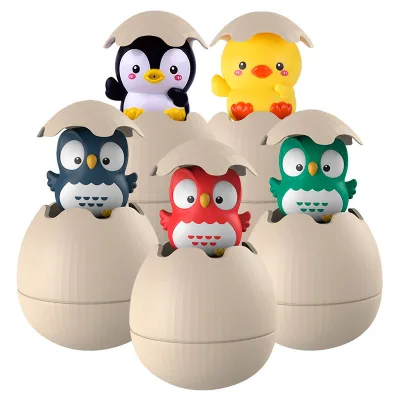
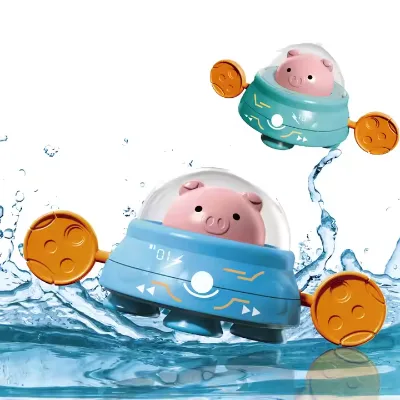
$0.82 - $0.93
MOQ: 10000 units
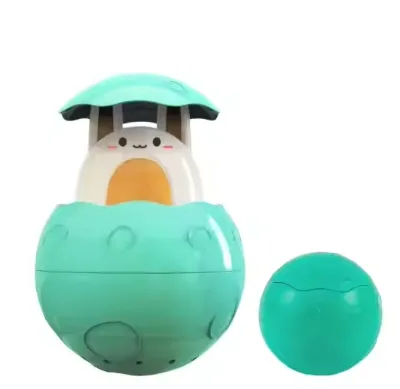
Floating Shower Toys Water Popping Baby Bathing Animal Rabbit Spray Bath Toys Water Squirt Toy
$0.49 - $0.59
MOQ: 10000 units
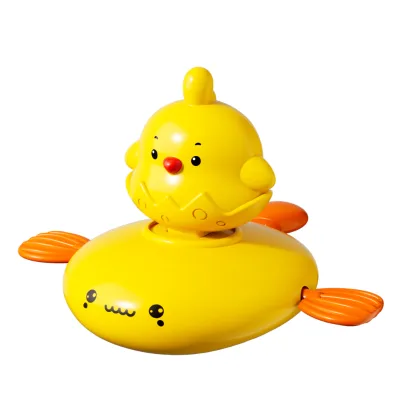
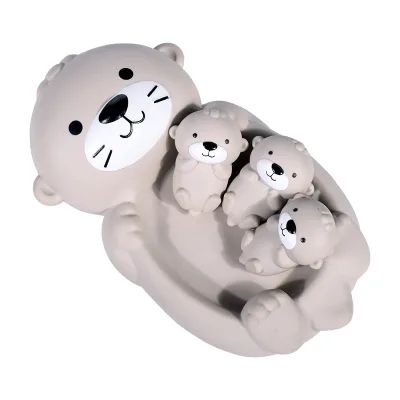
Coolnice Household Products Co., Ltd.
- Verified by TüVRheinland
- Manufacturer, Trading Company
- Lead time7 days
- Avg. response≤ 2h
Main productsKitchen Supplies, Household Products, Beauty Tools, Outdoor Supplies, Outdoor Sport Accessories
Main marketsNorth America(23%), Eastern Asia(21%), Western Europe(19%)
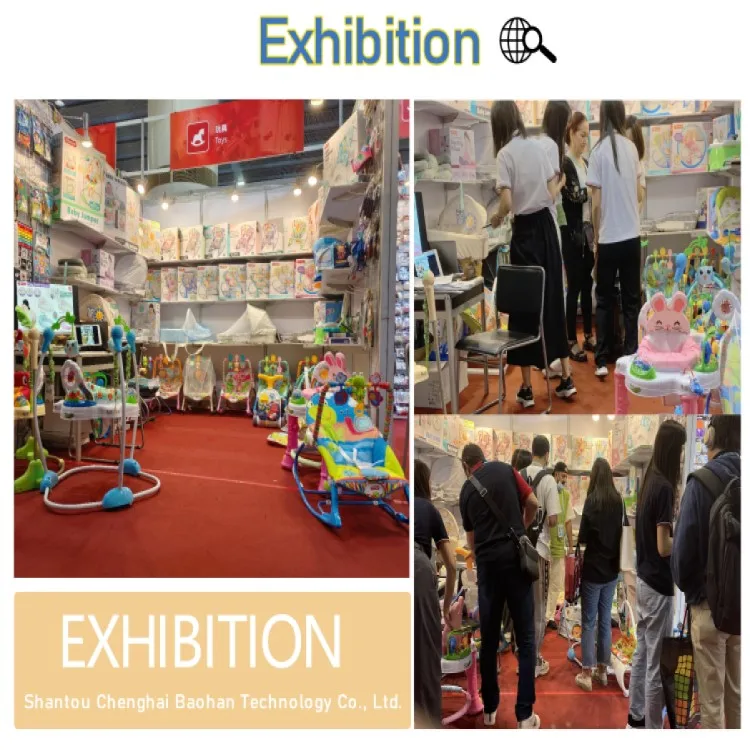
Shantou Chenghai Baohan Technology Co., Ltd.
- Manufacturer, Trading Company
- Guangdong, China
- Lead time0 days
- Avg. response≤ 2h
Main productsBaby Toys, Educational Toys
Main marketsSouth America(45.00%), Mid East(20.00%), North America(10.00%), Western Europe(10.00%), Africa(10.00%), Central America(5.00%)

- Verified by TUVRHEINLAND
- Combined
- China Guangdong
- Lead time23 days
- Avg. response≤ 5h
Main marketsSouth America


Wholesale Plastic Bathtub Funny Waterwheel Animal Baby Spray Water Bath Toy Duck
$2.47 - $2.54
MOQ: 360 Pieces
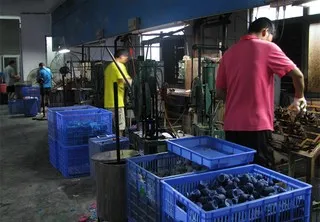
Dongguan Hoking Plastic Toy Co., Ltd.
- Manufacturer, Trading Company
- Guangdong, China
- Lead time30 days
- Avg. response≤ 6h
Main productsPlastic toy,vinyl toy,injection toys,Flashing toy with LED light,OEM&ODM
Main marketsSouthern Europe(10.00%), Northern Europe(10.00%), Oceania(10.00%), Central America(10.00%), Eastern Europe(10.00%), Western Europe(10.00%), North America(10.00%), Domestic Market(5.00%), South Asia(5.00%), Eastern Asia(5.00%), Mid East(5.00%), Southeast Asia(5.00%), South America(5.00%)
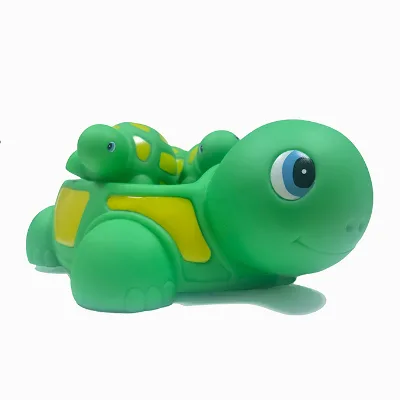
Squeaky Turtle Neck Suit PVC Baby Bath Toy with Animals-Unisex for 0-24 Months
$0.81 - $2.44
MOQ: 3 sets
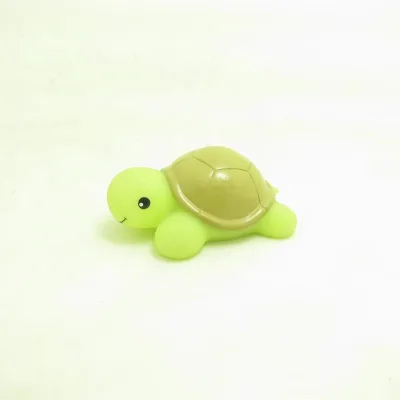
ICTI Certificated Custom Made Toys Turtle Bath Toy Floating Bath Tub Toy for Baby
$0.41 - $0.72
MOQ: 3000 pieces
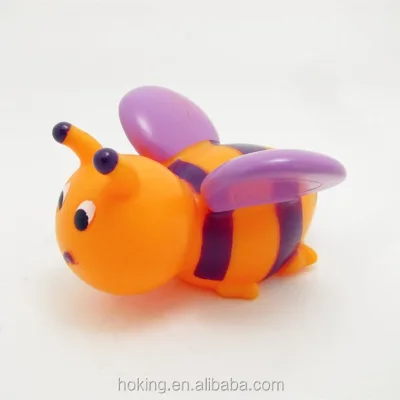
Animal Bee Bath Toy for Kids Baby Bath Toys
$0.40 - $1.00
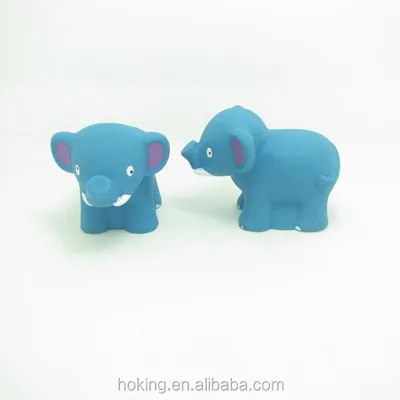
Funny Baby Bath Elephant Rubber Toy
$0.20 - $0.50
Shantou Chenghai Huanuo Intelligent Technology Co., Ltd.
- Manufacturer, Trading Company
- Guangdong, China
- Lead time30 days
- Avg. response≤ 8h
Main productsGirl Make Up Toys,Girl princess toys,Building Blocks Toys,Pretend Play Toys,Kids Toys
Main marketsNorth America(50.00%), Domestic Market(10.00%), Southern Europe(10.00%), Western Europe(10.00%), Oceania(5.00%), Eastern Europe(5.00%), Northern Europe(5.00%), South America(5.00%)

- Verified by BV
- Trading Company
- China Guangdong
- Lead time15 days
- Avg. response≤ 5h
Main productsPlastic Toys, Baby Toys, Educational Toys, Plush Toys, Pretend Play Toys, RC Toys, Doll Toys, Bubble Toys, DIY Toys, B/O Toys
Main marketsSouth America,Southeast Asia/ Mideast,East Asia(Japan/ South Korea),Europe,Australia,North America

ODM/OEM Wholesale Creative Interactive Baby Plastic Swimming Bath Glowing Animal Toys for Children
$1.06 - $1.08
MOQ: 900 Pieces

$4.86 - $4.95
MOQ: 180 Pieces

$5.39 - $5.49
MOQ: 180 Pieces

Baby Bath Toys Floating Water Bathtub Shower Toys Clockwork Swimming Turtle
$1.72 - $1.75
MOQ: 400 Pieces

- Verified by BV
- Trading Company
- China Guangdong
- Lead time23 days
- Avg. response≤ 4h
Main productsToys, Plush Toy, Toy Car, Plastic Toys, RC Car, Bath Toys, Educational Toys, Pretend Play Toys, Doll Toys, Candy Toys
Main marketsEurope


Eco-Friendly Plastic Material Baby Suitable Creative Bath Toy for Summer Activities
$2.20 - $2.50
MOQ: 100 Pieces


Shantou Cypress Toys Co., Ltd.
- Verified by TüVRheinland
- Trading Company
- Lead time25 days
- Avg. response≤ 2h
Main productsRole Play Toys, Educational Toys, Dinosaur Toys
Main marketsWestern Europe(35%), North America(20%), Southeast Asia(20%)
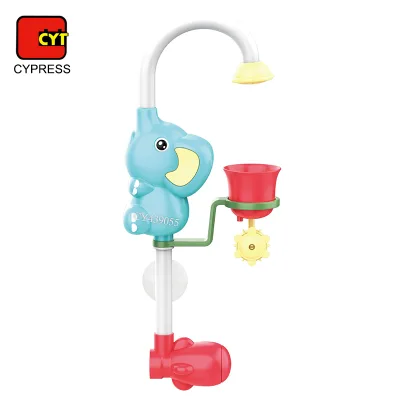
Electric Shower Baby Bath Toys Animal Cartoon Elephant Shape Bathtub Water Spray Toy for Toddlers
$3.87 - $4.23
MOQ: 180 pieces
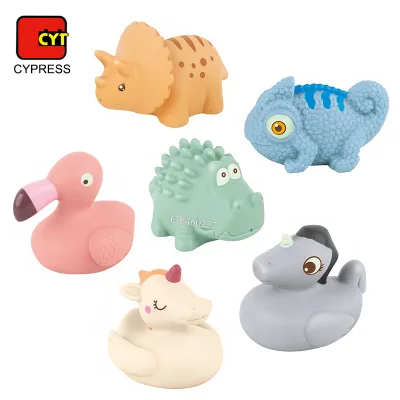
3 PCS Preschool Baby Bath Toys Rubber Cute Animals Pool Floating Toy Bathtub Toys for Toddlers
$1.07 - $1.15
MOQ: 600 sets

Ningbo Haishu Zhongqi Plastics Co., Ltd.
- Verified by SGS
- Trading Company
- China Zhejiang
- Lead time30 days
- Avg. response≤ 5h
Main productsRubber Duck, Fly Trap
Main marketsDomestic


Baby Bath Toy Vinyl Rubber Duck Custom OEM Rubber Duck Bath Toy Assortment
$0.50 - $0.57
MOQ: 3000 Pieces
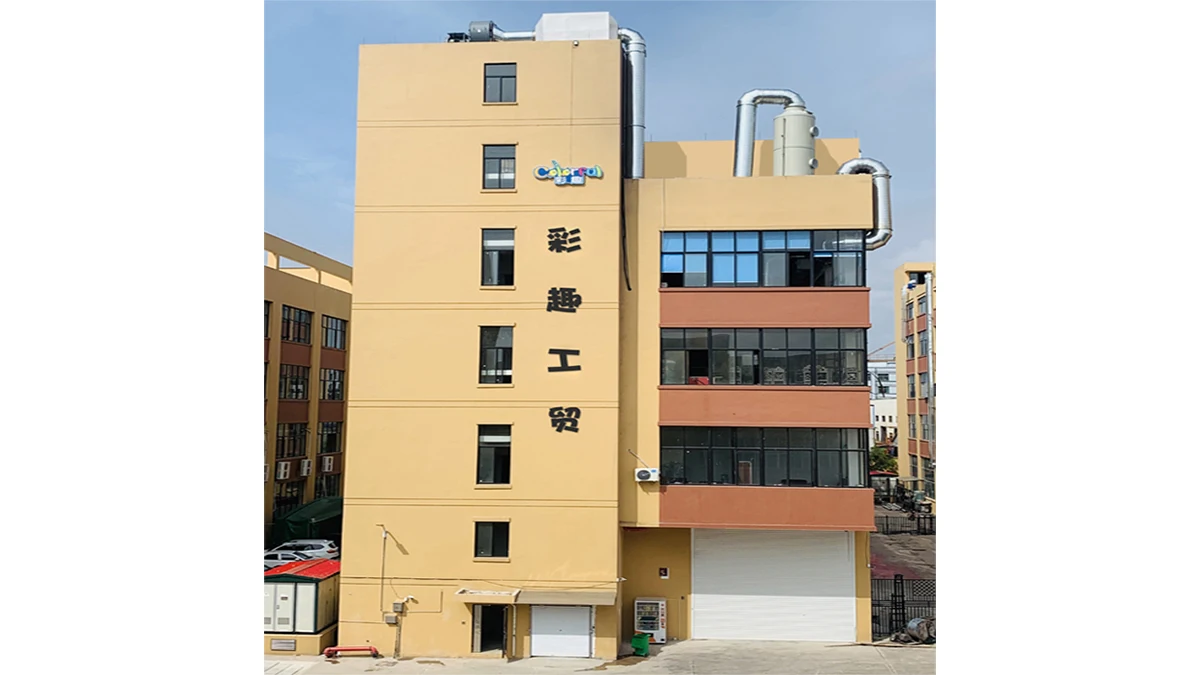
Jinhua Colorful Industry And Trade Co., Ltd.
- Manufacturer, Trading Company
- Zhejiang, China
- Lead time0 days
- Avg. response≤ 9h
Main productsRubber Duck; Finger Puppets; Injection Toy; Rubber Key; Rubber Bank; Bath Toy
Main marketsNorth America(57.00%), Western Europe(15.00%), Southeast Asia(15.00%), Africa(5.00%), Domestic Market(5.00%), Northern Europe(3.00%)
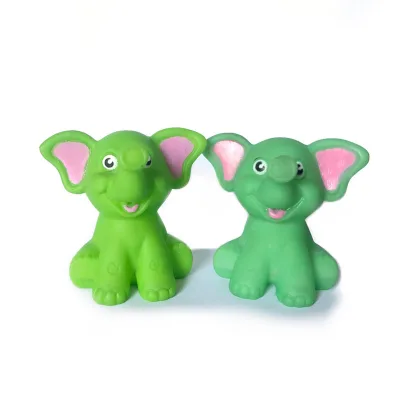
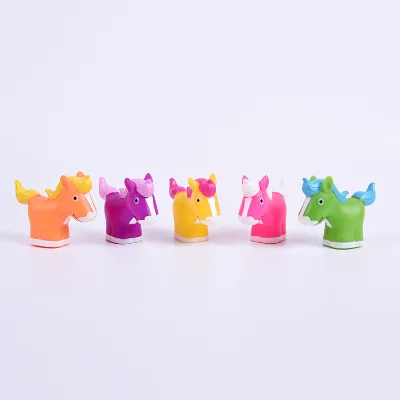
Funny Cartoon Rubber Bath Tub Toys Animal Shape Multicolor Mini Horse Bath Toy for Children
$0.12 - $0.21
MOQ: 1000 pieces
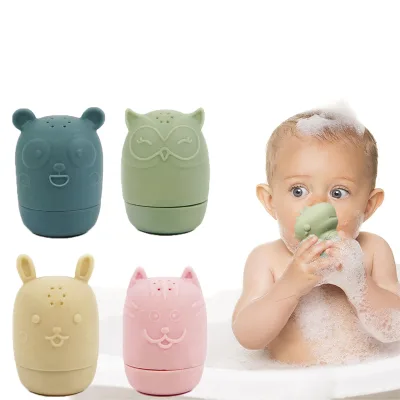
$0.30 - $0.33
MOQ: 3000 pieces
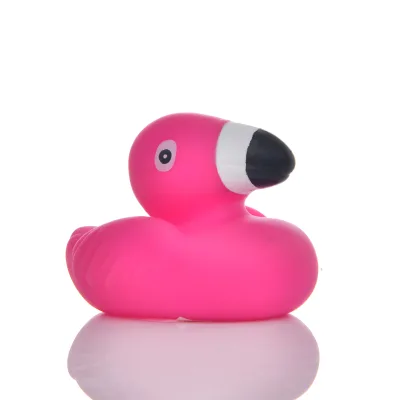
Rubber Animal Baby Bath Splash Flash Vinyl Toy Educational Duck Bath Toys for Babies
$0.24 - $0.30
MOQ: 500
Shantou Enjoy Star Plastic Co., Ltd.
- Trading Company
- Guangdong, China
- Lead time30 days
- Avg. response≤ 8h
Main productsEducation toys,bath toys,Musical mat,RC toys,baby toys
Main marketsMid East(30.00%), North America(20.00%), Western Europe(15.00%), Eastern Europe(15.00%), South America(10.00%), Southeast Asia(5.00%), Domestic Market(3.00%), Africa(2.00%)
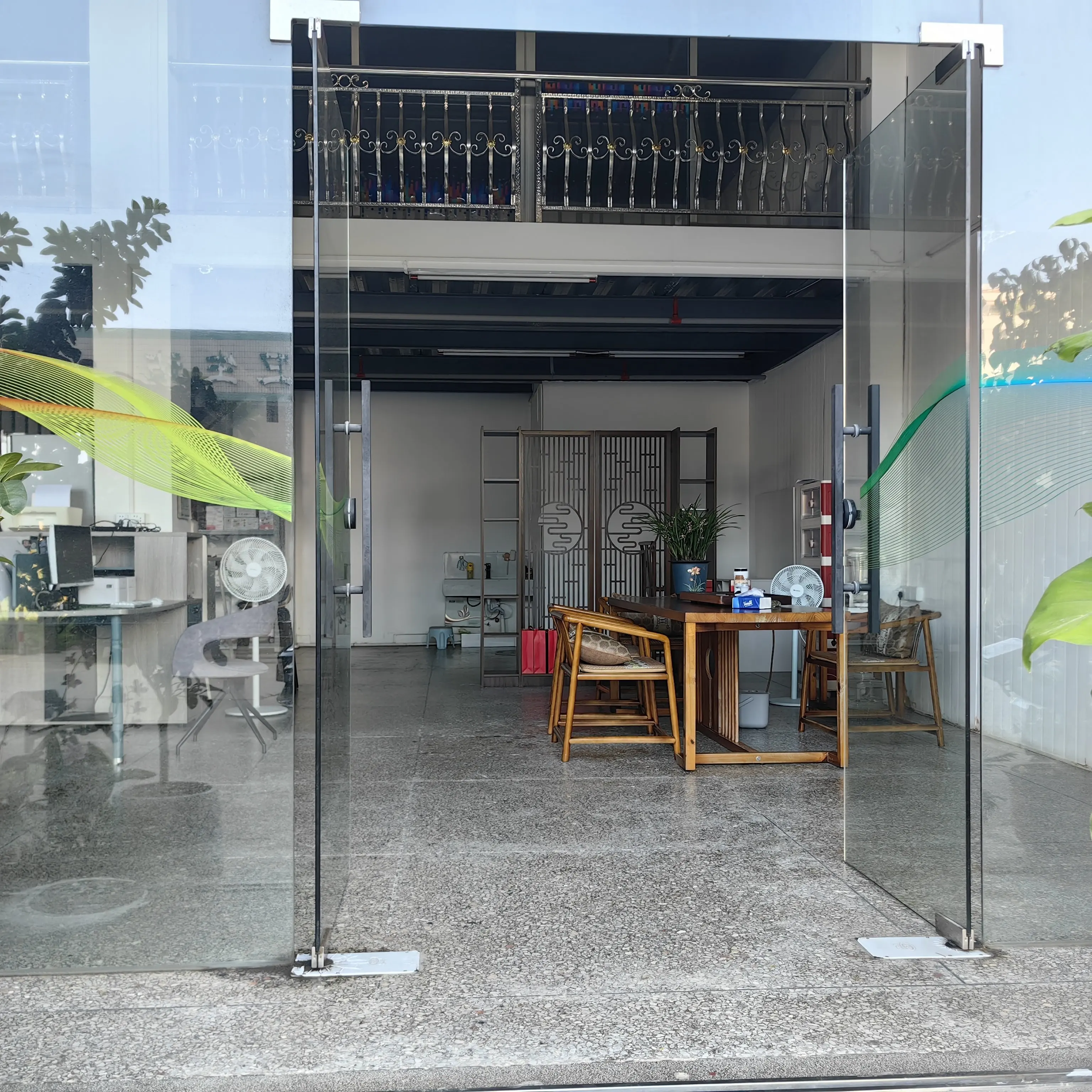
Shantou Chengshi Toy Trading Co., Ltd.
- Trading Company
- Guangdong, China
- Lead time3 days
- Avg. response≤ 3h
Main productsrc car toy,sport toy,block toy,baby toy,ride on car toy
Main marketsSouthern Europe(15.00%), Northern Europe(15.00%), South America(15.00%), North America(15.00%), Western Europe(10.00%), Central America(8.00%), Eastern Europe(8.00%), Southeast Asia(5.00%), Domestic Market(3.00%), Eastern Asia(2.00%), Africa(2.00%), Mid East(2.00%)
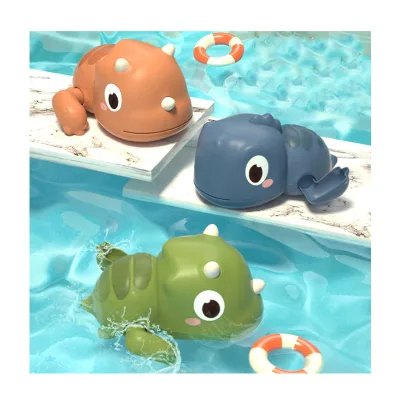
Suspended Bathroom Cute Animal Baby Play Swimming Wind up Bath Dinosaur Toy
$0.36 - $1.42
MOQ: 120 Minimum
Shenzhen Dongyuan Plastic & Metal Products Manufacturer
- Verified by SGS Group
- Manufacturer, Trading Company
- Lead time35 days
- Avg. response≤ 3h
Main productsAction Figure, Bath Toys, Bath Thermometer, Plastic Doll, Plastic Keychain
Main marketsNorth America(25%), Western Europe(15%), Oceania(10%)
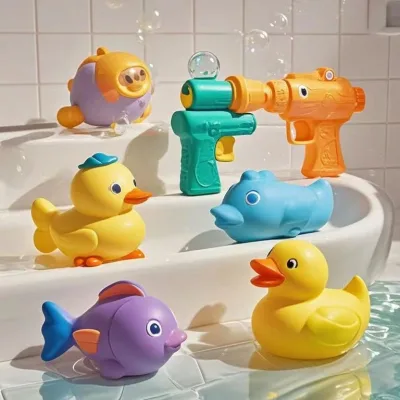
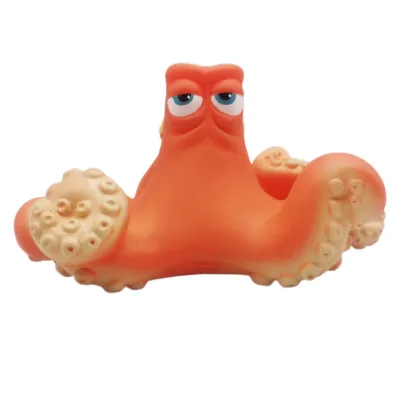
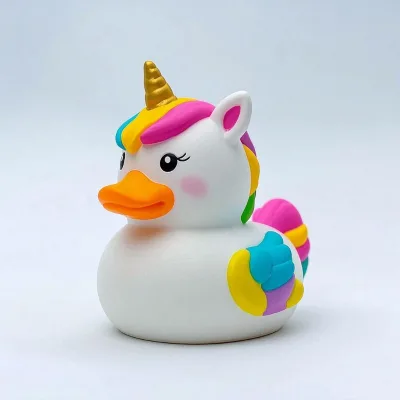
Cute Colorful Ducks Baby Shower Toy Bath Tub Pool Toys Funny Unicorn Ducks for Toddlers
$0.47 - $0.70
MOQ: 3000 pieces

- Verified by CTI
- Trading Company
- China Guangdong
- Lead time23 days
- Avg. response≤ 6h
Main productsToy, Baby Toy, Educational Toy, Doll, RC Toy, Kids Toy, Pretend Play Toys, Plastic Toys, Stem Toys, Outdoor Toys
Main marketsSouth America,Africa,Europe

Cute Animal Design Giraffe Shower Head Baby Bathroom Toy Bath Sprinkler Toy
$2.78 - $3.31
MOQ: 180 Pieces

Kids Toys Funny Cute Animal Design Baby Washing Floating Swimming Colorful Bathroom Toy
$0.50 - $0.60
MOQ: 1080 Pieces

Funny Kids Toy Baby Swimming Sea Animal Cute Design Bathroom Spray Set for Baby
$0.92 - $1.09
MOQ: 660 Pieces

Electric Animal Design Bubble Shower Head Funny Bath Sprinkler Toy for Baby
$5.30 - $6.31
MOQ: 180 Pieces
Shenzhen Hanchuan Industrial Co., Ltd.
- Verified by Intertek
- Manufacturer, Trading Company
- Lead time3 days
- Avg. response≤ 2h
Main productsSilicone Baby feeding set, Silicone Baby Teether, Baby Toys, Silicone Plate Placement, Silicone Baby Bib
Main marketsNorth America(40%), Western Europe(30%), Eastern Europe(10%)

Shenzhen Color Life Lighting Co., Ltd
- Trading Company
- China Guangdong
- Lead time15 days
- Avg. response≤ 3h
Main productsLED Beauty Mask, LED Silicone Facial Mask, Slow Feeder Silicone Bowl, Silicone Bath Toys, Silicone Pet Use Accessories, Silicone Stacking Toy, Silicone Baby Plate, Silicone Pet Bowl, LED Silicone Face Mask, Red Light Therapy Mask
Main marketsSoutheast Asia/ Mideast,East Asia(Japan/ South Korea),Europe,Australia,North America

- Trading Company
- China Zhejiang
- Lead time30 days
- Avg. response≤ 11h
Main productsHome Appliance, Cookware Set, Thermos, Home Storage, Furniture, Pet Supplies, Garden Tools, Outdoor Supplies, Baby Supplies, Houesehold Items
Main marketsSouth America,Africa,Southeast Asia/ Mideast,East Asia(Japan/ South Korea),Domestic,Europe,Australia,North America


High Quality Summer Baby Bath Toy 2 in 1 Spray Duck Shower Toy Plastic Animal Water Game
$1.27 - $1.67
MOQ: 1000 Pieces
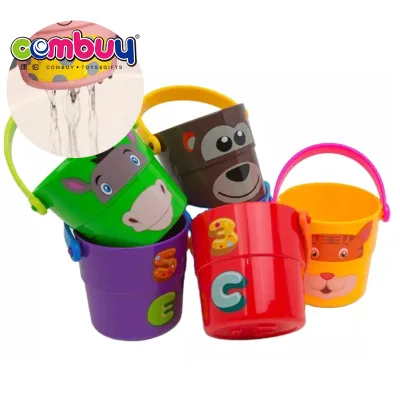
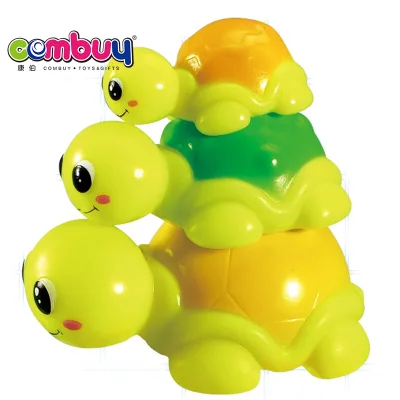
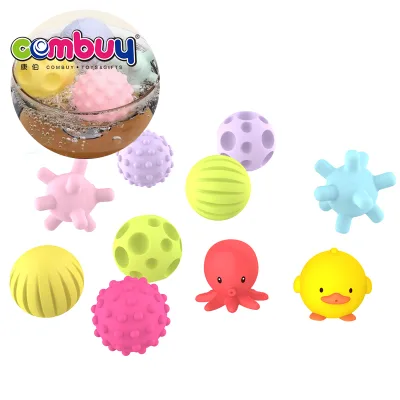
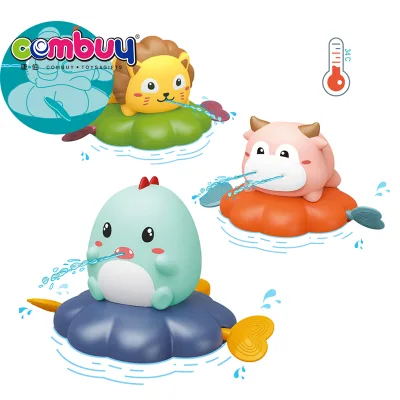


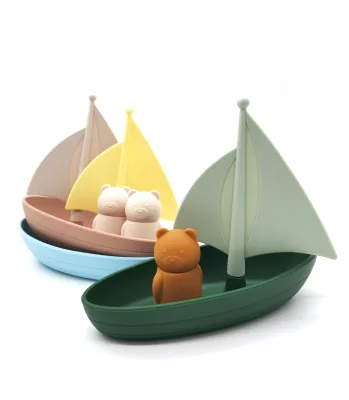
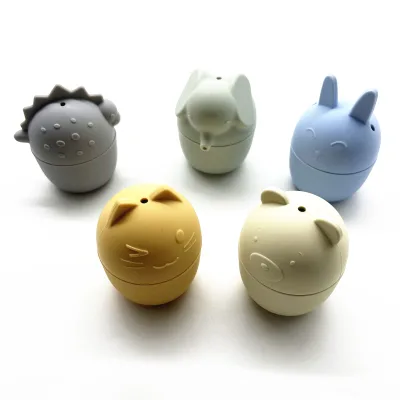
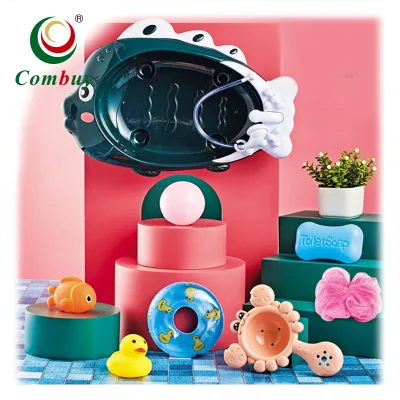
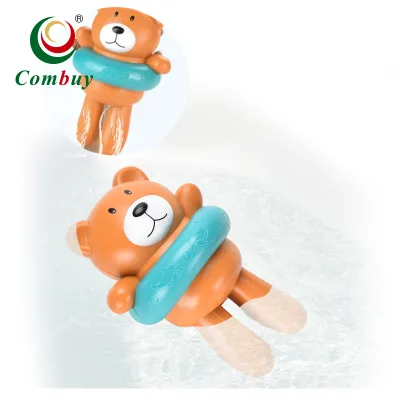


Comprehensive Sourcing Guide
Stackable Animal Baby Bath Toy Supplier Concentration and Factory Types
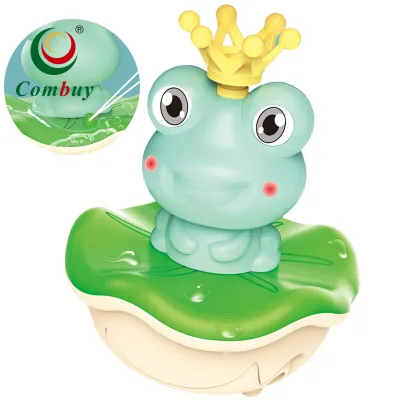
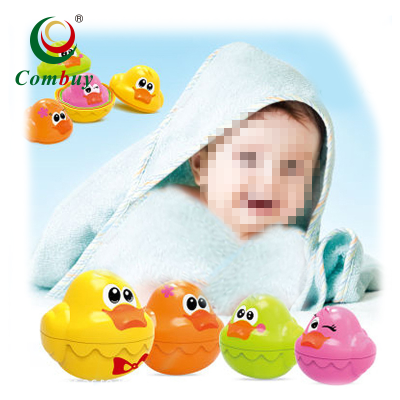
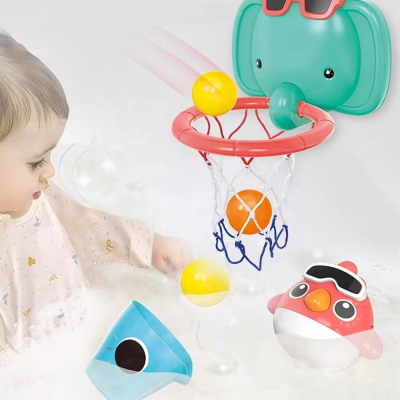
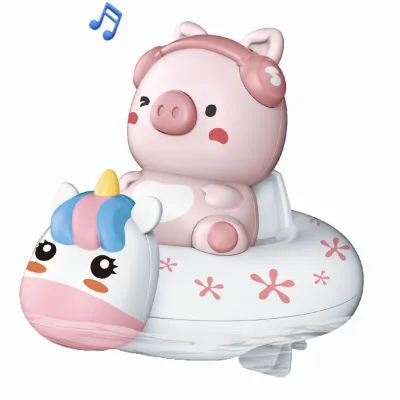
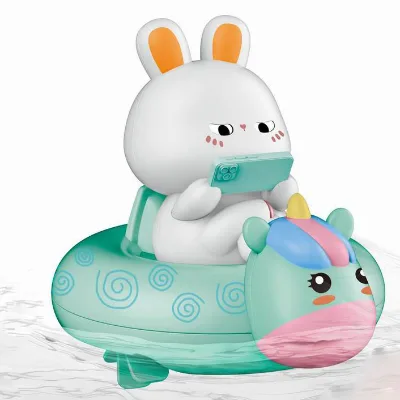
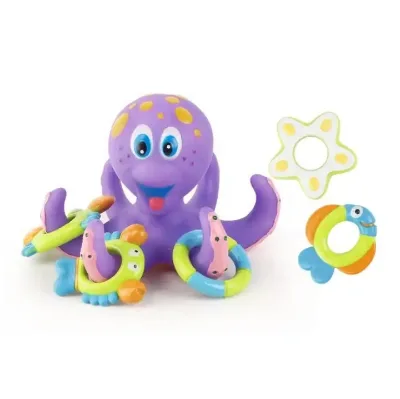
The available data indicates a significant concentration of manufacturers and trading entities operating within Guangdong, China, specifically in regions like Shantou, which is noted as a production origin for specific product models. This geographic clustering suggests a mature ecosystem for plastic and rubber toy manufacturing, where supply chains for raw materials like PP and rubber are readily accessible. Buyers observing results from this region should recognize that the density of suppliers often correlates with specialized tooling capabilities for injection molding, which is essential for producing the complex shapes found in stackable animal bath toys. However, without explicit confirmation of a specific industrial park or city beyond the province level, buyers must verify the exact factory address to ensure proximity to ports for efficient logistics.
Company types in this sector vary between trading companies and combined entities that may offer both trading and direct manufacturing capabilities. The observed data includes suppliers identified as trading companies as well as those labeled as combined, which often implies a hybrid model where the entity manages both sourcing and production oversight. This distinction is critical because a trading company might aggregate products from multiple factories, whereas a combined entity could have direct control over the production line. Buyers should scrutinize the company type listed in supplier profiles to understand the depth of their involvement in the manufacturing process, as this directly impacts quality control consistency and the ability to handle custom requests for specific animal designs or stacking mechanisms.
How to Verify Stackable Animal Baby Bath Toy Suppliers
Verification of supplier credibility relies heavily on checking for recognized third-party certifications and verified status indicators provided in the supplier profile. The data shows that some products carry specific safety certifications such as EN71, which is a standard for toy safety in Europe, while others list CE certification. Buyers must confirm that the specific batch of stackable animal bath toys they intend to purchase holds the relevant safety certification for their target market, as these standards are non-negotiable for children's products. Additionally, looking for verification badges like BV (Bureau Veritas) on the supplier profile provides an external layer of trust regarding the company's business legitimacy and operational history.
Response time and lead time metrics serve as practical indicators of a supplier's operational efficiency and reliability. The observed response times range from approximately 3 to nearly 4 hours, suggesting a generally responsive market, but buyers should treat these as baseline expectations rather than guarantees for every interaction. A supplier with a consistently fast response time is more likely to address urgent inquiries regarding product customization or order changes promptly. Furthermore, verifying the lead time, which appears to range from 23 to 30 days in the data, helps buyers plan their inventory cycles accurately. Buyers should request a written confirmation of these timelines before placing an order to ensure they align with their specific project deadlines.
What to Compare Across Stackable Animal Baby Bath Toy Suppliers
When evaluating potential partners, buyers should prioritize comparing the Minimum Order Quantity (MOQ) requirements, which are frequently set at 5 cartons for the observed product lines. This threshold can significantly impact the initial investment and cash flow for new buyers or those testing the market with smaller volumes. Comparing the MOQ across different suppliers allows buyers to identify those who offer more flexible entry points or who might be willing to negotiate based on the total order value. It is essential to understand that the MOQ is often tied to the carton size and the number of pieces per carton, which varies by product model, so buyers must calculate the total unit count rather than just the carton count.
Price ranges and material specifications are another critical dimension for comparison, as the data indicates prices varying from approximately $1.42 to $6.90 per unit depending on the product complexity and material used. Suppliers offering products made from rubber or silicone may command different price points compared to those using standard PP plastic, reflecting differences in durability and safety profiles. Buyers should also compare the selling units, which are often multiples of 24, 36, or 120, to ensure their order aligns with the supplier's packaging standards. Additionally, checking the main products listed for each supplier helps determine if they specialize in bath toys or if they are general toy traders, as specialization often correlates with better quality control and deeper product knowledge.
Common Stackable Animal Baby Bath Toy Sourcing Risks
One significant risk involves the discrepancy between the stated material composition and the actual product received, particularly regarding the use of rubber versus plastic. The data lists materials such as PP, rubber, and plastic, but without physical inspection or third-party testing, buyers cannot guarantee that the materials meet the specific safety and durability claims made in the product description. This is especially critical for bath toys that are frequently handled by young children and exposed to water, as substandard materials can degrade quickly or pose health risks. Buyers should insist on material safety data sheets and request samples to verify the texture and flexibility of the materials before committing to a large order.
Another risk pertains to the consistency of packaging and shipping dimensions, which can vary significantly between different product models and suppliers. The observed data shows package sizes ranging from small individual units to large cartons with dimensions like 76x30x78 cm or 82x36x98 cm. Inconsistent packaging can lead to miscalculations in shipping costs and container utilization, potentially inflating the landed cost of the goods. Furthermore, discrepancies in gross weight and CBM (cubic meter) figures can affect freight charges and customs clearance. Buyers must verify the exact packing details for their specific order to avoid unexpected logistics expenses and ensure that the products fit efficiently into their intended shipping containers.
Stackable Animal Baby Bath Toy Regional Sourcing and Logistics
Sourcing from the Guangdong region offers logistical advantages due to the proximity to major ports, yet buyers must account for the specific origin details provided in the product data. Some products list Shantou as the place of origin, while others simply state Guangdong, China. This distinction is important because Shantou is a specific city within the province known for its toy manufacturing industry, and knowing the exact city helps in assessing the distance to the nearest port for export. Buyers should verify the specific port of loading to optimize freight routes and reduce transit times, as shipping from different cities within the same province can result in varying costs and delivery schedules.
Lead times and response speeds are integral to the logistics planning process, as delays in production can ripple through the entire supply chain. The data indicates lead times ranging from 23 to 30 days, which buyers must factor into their inventory planning to avoid stockouts. A supplier with a shorter lead time, such as 23 days, may offer a competitive advantage for time-sensitive orders, but this must be balanced against the reliability of the supplier. Buyers should also consider the response time, which affects how quickly issues can be resolved during the production and shipping phases. Establishing clear communication channels and confirming the production schedule early can mitigate the risk of delays and ensure that the stackable animal bath toys arrive in time for the sales season.
Stackable Animal Baby Bath Toy Commercial Terms and Order Planning
Commercial terms regarding customization and branding are vital for buyers looking to differentiate their product offerings in the market. The data indicates that customization is available for certain products, allowing buyers to request specific designs or branding on the stackable animal bath toys. However, buyers must clarify the extent of this customization, including any additional costs or minimum order quantities required for custom molds. Understanding the customization process is essential for planning the order timeline, as custom tooling can extend the lead time significantly compared to standard off-the-shelf products. Buyers should also verify if the supplier offers OEM or ODM services to ensure they can meet their specific branding and design requirements.
Order planning must also account for the selling units and packaging configurations to ensure efficient inventory management and retail display. The observed data shows selling units as multiples of 24, 36, or 120, which dictates how the products are packed and shipped. Buyers should align their order quantities with these multiples to avoid partial cartons that can complicate logistics and increase costs. Additionally, considering the age range of the target audience, such as 2 to 4 years or 18 months+, helps in selecting the appropriate product models that meet safety and developmental needs. By carefully planning the order based on these commercial terms and packaging constraints, buyers can optimize their supply chain efficiency and ensure a smooth transition from production to retail.
FAQs
What is the minimum order quantity for stackable animal bath toys?
The minimum order quantity is typically 5 cartons. This standard applies across multiple suppliers offering these specific items. Buyers should confirm the exact carton count with the supplier before placing an order to ensure accurate inventory planning and shipping logistics.
How long does production take for these toys?
Production lead times generally range from 23 to 30 days. This timeframe allows for manufacturing and quality checks. Buyers should verify the exact schedule with their chosen supplier, as capacity and order volume can influence the final delivery date.
What certifications do these toys have?
Common certifications include CE and EN71 standards. These ensure the toys meet safety requirements for children. Buyers should request valid certification documents from the supplier to verify compliance with international safety regulations before finalizing any purchase agreement.
What materials are used in these bath toys?
Manufacturers primarily use plastic, PP, and rubber materials. These materials are selected for durability and safety in water environments. Buyers should check specific product details to confirm the exact material composition, ensuring it meets their quality and safety preferences.
Where are these toys manufactured?
These toys are manufactured in Guangdong, China. This region is a known hub for toy production. Buyers can verify the specific factory location with the supplier to understand logistics, shipping costs, and potential supply chain advantages for their orders.
What is the price range for these items?
Prices typically range from $1.43 to $6.90 per unit. The cost varies based on material, complexity, and order volume. Buyers should request a detailed quote from the supplier to get the exact price for their specific quantity and customization needs.