Source Interactive Hide and Seek Dog Toy for Training, Play, and Enrichment
Find 30 Interactive Hide and Seek Dog Toy options from verified suppliers. Compare features like TPE and plastic materials, OEM capabilities, and eco-friendly designs to find the right fit for your pet product line; compare the available evidence and request quotations based on your requirements.
Updated
Key considerations
Products List
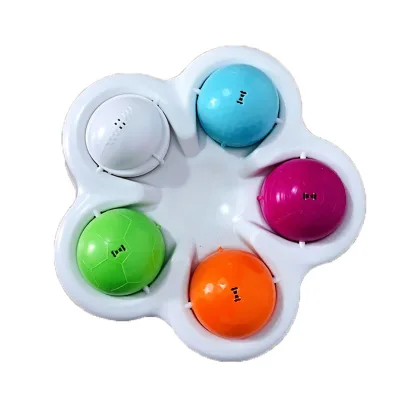
Puzzle Slow Food Interactive High Quality Dog Toys Hide and Seek Dog Toy
$3.8612 - $4.1903
MOQ: 10 pieces
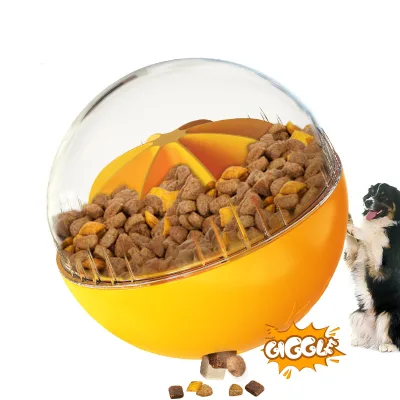
Custom Ball Pet Puzzle Toys Slow Feeder Hide and Seek Dog Toy Interactive Dog Toy
$5.224 - $5.6639
MOQ: 200 pieces
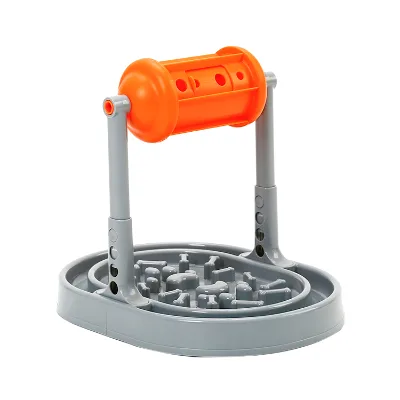
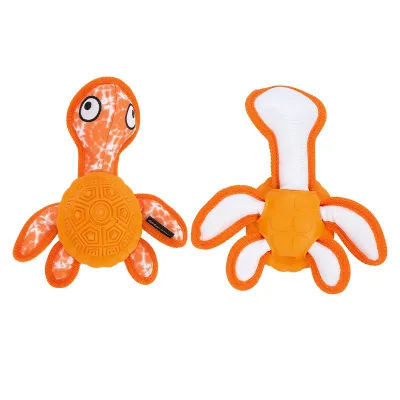
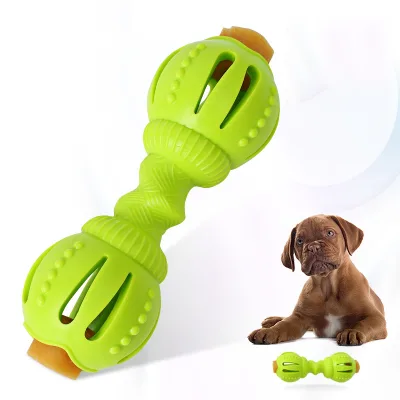
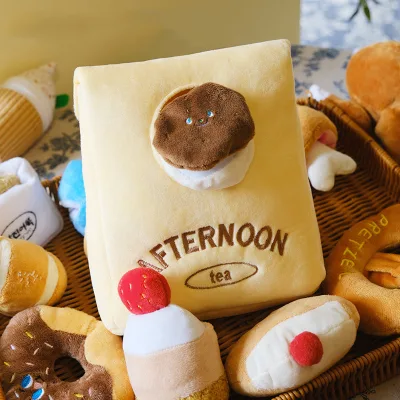


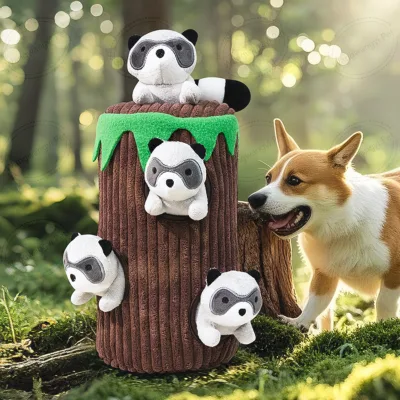
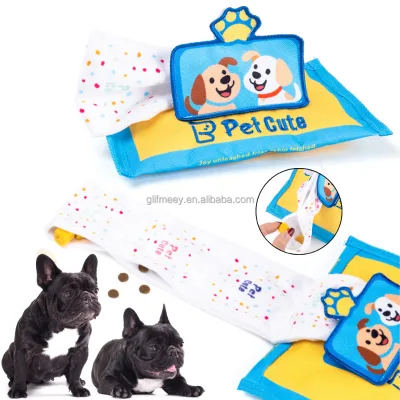
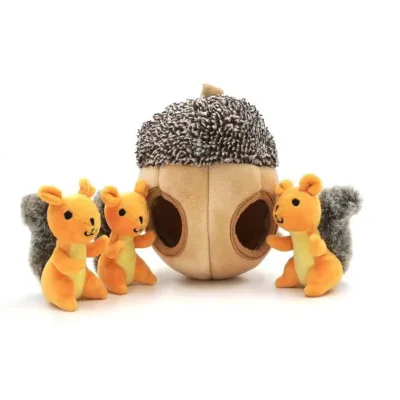


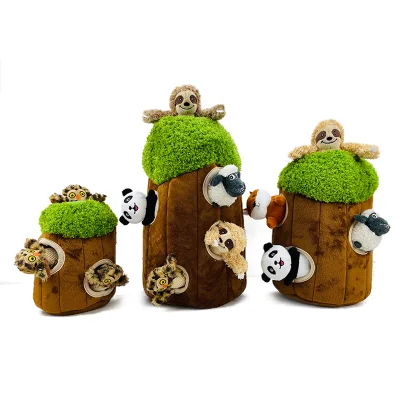
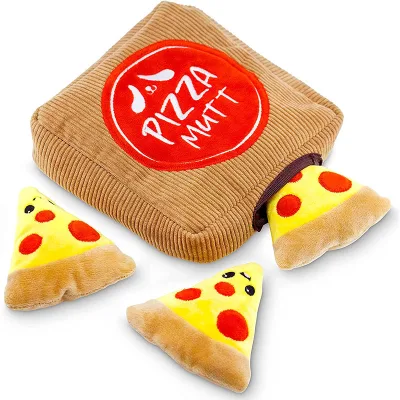
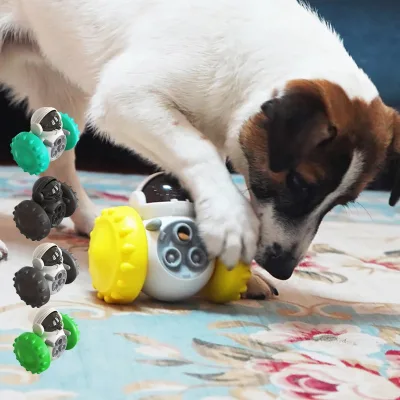
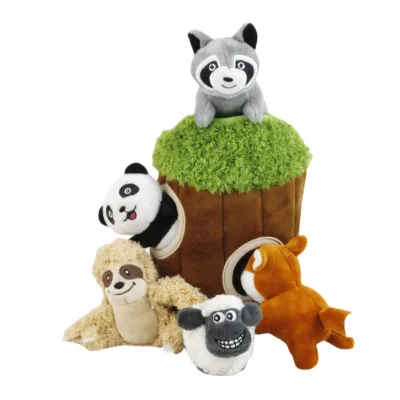
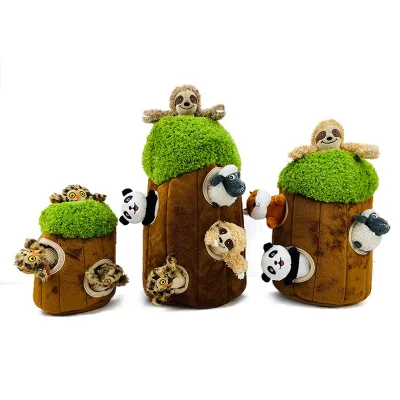


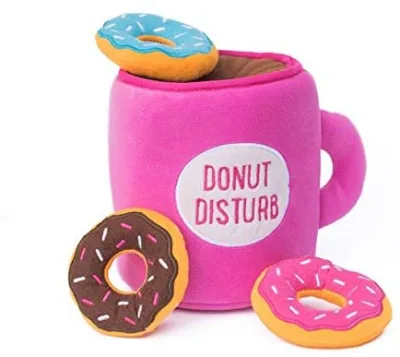
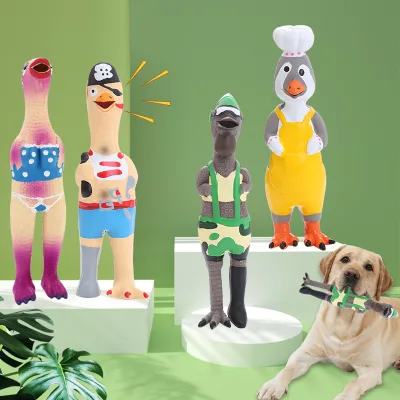
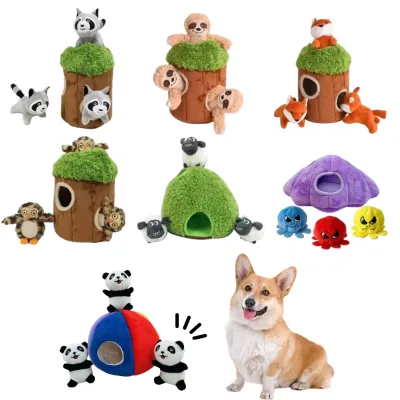
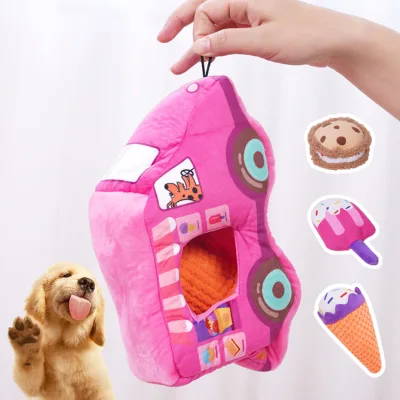
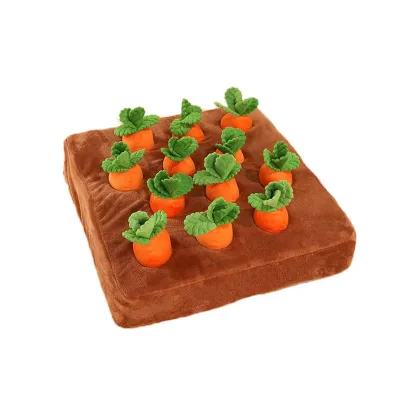
Soft Hide and Seek Dog Toy Training Equipment Looking for Food Pet Toy
$6.6617 - $6.9684
MOQ: 30 pieces

Comprehensive Sourcing Guide
Interactive Hide and Seek Dog Toy Sourcing Guide
Sourcing interactive hide and seek dog toys requires a careful balance between engaging design and durable construction, as these products must withstand vigorous chewing while maintaining structural integrity. Buyers should prioritize suppliers who offer OEM and ODM capabilities, allowing for custom branding and unique design elements that differentiate products in a crowded market. The observed product range includes various materials such as plastic, ABS, rubber, and TPE, each offering distinct benefits in terms of durability, safety, and sensory engagement for pets.
Procurement teams must verify that the selected toys meet specific size and weight specifications to ensure they are appropriate for the target dog breed. With observed sizes ranging from compact 143143mm options to larger 3626*28.5CM units, matching the product dimensions to the pet’s size is crucial for safety and usability. Additionally, features like eco-friendly materials and easy-to-clean surfaces are increasingly important selling points that can influence purchasing decisions for environmentally conscious consumers.
Product Scope and Observed Listing Signals
The current market for interactive dog toys features a diverse array of products, including chew toys, food toys, and squeaky toys, all designed to stimulate mental and physical activity. Observed listings highlight key attributes such as modern and popular styles, with color options ranging from white and green to vibrant combinations of yellow, orange, and blue. These visual and functional variations allow buyers to cater to different consumer preferences and seasonal trends, ensuring a broad appeal in retail environments.
Suppliers often emphasize advantages such as being environmentally friendly and easy to clean, which are critical factors for pet owners concerned about hygiene and sustainability. The presence of customized logo options and stock availability indicates a flexible supply chain capable of supporting both private label brands and ready-to-ship inventory. Buyers should note that while many products are marketed as suitable for year-round use, specific material properties may influence their performance in different climates or usage scenarios.
Technical Specifications to Verify
When evaluating technical specifications, buyers must confirm the exact model numbers and dimensions of the toys to ensure they align with product packaging and shipping requirements. For instance, models like YC2019-60 and HM-NMQ-01 have distinct sizes and weights, which directly impact the single package size and gross weight calculations for logistics planning. Verifying these details is essential for accurate freight cost estimation and for ensuring that the final product meets the expected physical characteristics described in marketing materials.
Material composition is another critical technical aspect, with options including plastic, ABS, rubber, and TPE, each offering different levels of durability and safety. Buyers should request detailed material safety data sheets to verify that the components are non-toxic and suitable for prolonged chewing. Additionally, confirming the carton size, such as 405060cm, helps in optimizing warehouse storage and shipping efficiency, ensuring that the supply chain operates smoothly from production to delivery.
Compliance and Safety Documentation
Safety compliance is paramount when sourcing pet toys, as these products are directly interacted with by animals and must meet rigorous safety standards. Buyers should insist on documentation that verifies the toys are free from harmful chemicals and are constructed from materials that are safe for ingestion or chewing. Although specific certification statuses are not provided in the observed data, it is crucial to request test reports that confirm compliance with international pet product safety regulations.
In addition to material safety, buyers should verify that the toys meet relevant mechanical safety standards to prevent choking hazards or structural failures during use. This includes checking for small parts that could detach and be swallowed, as well as ensuring that the toy’s design does not pose a risk of injury. Suppliers should be able to provide evidence of quality control processes that ensure each unit meets these safety criteria before leaving the factory.
Cost Drivers and Commercial Terms
Cost drivers for interactive dog toys include material selection, manufacturing complexity, and customization requirements. Products made from premium materials like TPE or ABS may command higher prices due to their durability and safety profiles, while simpler plastic toys may be more cost-effective. Buyers should also consider the impact of customization, such as logo printing or unique design features, which can increase production costs but add value to the final product.
Commercial terms such as MOQ and sample policies significantly influence procurement strategy. Observed MOQs range from 5 to 1440 units, offering flexibility for both small-scale testing and large-volume orders. Suppliers often provide free samples for orders under $5, allowing buyers to evaluate product quality before committing to larger purchases. Understanding these terms helps in negotiating favorable conditions and managing inventory risks effectively.
Supplier Qualification and Quality Control
Supplier qualification involves assessing the manufacturer’s ability to consistently produce high-quality products that meet specified requirements. Buyers should verify the supplier’s production capacity, quality control processes, and experience in manufacturing pet toys. Suppliers with OEM/ODM capabilities and a history of successful custom projects are often better equipped to handle specific design and branding needs.
Quality control measures should include regular inspections of raw materials, in-process checks during manufacturing, and final product inspections before shipment. Buyers should request detailed QC reports and consider third-party inspections to ensure that the products meet agreed-upon standards. Establishing a strong relationship with a reliable supplier is crucial for maintaining product quality and ensuring timely delivery, which are key factors in successful procurement.
Long-Term Procurement Checks
Long-term procurement success depends on continuous monitoring of supplier performance and product quality. Buyers should establish key performance indicators (KPIs) such as on-time delivery rates, defect rates, and customer feedback to evaluate supplier reliability. Regular audits and feedback loops help identify areas for improvement and ensure that the supplier remains aligned with the buyer’s quality and service expectations.
Additionally, staying informed about market trends and regulatory changes is essential for adapting procurement strategies over time. Buyers should regularly review product specifications and material options to ensure they remain competitive and compliant with evolving safety standards. By maintaining a proactive approach to supplier management and market analysis, buyers can mitigate risks and secure a steady supply of high-quality interactive dog toys.
FAQs
What materials are used for interactive hide and seek dog toys?
These toys are typically crafted from durable plastic, ABS, TPE, rubber, or oxford fabric. The specific material depends on the model, such as the HELLOMOON brand items. These materials ensure the toys are environmentally friendly and safe for dogs to chew on during play sessions.
Can I customize the logo on these interactive dog toys?
Yes, customized logos are accepted for these interactive hide and seek dog toys. The product design supports OEM and ODM services, allowing buyers to add their branding. This customization option is available for various models, ensuring your unique brand identity is reflected in the final product.
What is the typical weight of these interactive hide and seek dog toys?
The weight varies by model, ranging from 130g to 675g. For instance, one model weighs 130g, while another specific item is listed at 527g. These weights are suitable for interactive play, providing enough substance for dogs to engage with without being too heavy for comfortable handling.
Where are these interactive hide and seek dog toys manufactured?
These interactive hide and seek dog toys are manufactured in Zhejiang, China. This location is a known hub for pet product manufacturing. Buyers can source these items directly from suppliers in this region, ensuring access to established production capabilities and efficient logistics for international shipping.
What is the minimum order quantity for these interactive hide and seek dog toys?
The minimum order quantity varies, with some items requiring as few as 5 units, while others may have higher thresholds. One specific model lists an MOQ of 10. Buyers should check the specific product details to determine the exact MOQ, as it depends on the manufacturer and model selected.
Are these interactive hide and seek dog toys suitable for year-round use?
Yes, these interactive hide and seek dog toys are designed for year-round use. They are suitable for both indoor and outdoor activities. The durable materials and versatile design ensure they remain functional and engaging for dogs regardless of the season, making them a reliable choice for pet owners.