Wooden Montessori Memory Game Suppliers and Manufacturers
Source 20 verified suppliers for Wooden Montessori Memory Game products. Compare key dimensions including lead times, certifications, and MOQs. Review product specifications and request quotes to streamline your procurement process; review the available evidence before requesting comparable quotations from suitable candidates.
Suppliers List

Ningbo Shone Med-Tech Co., Ltd.
- Verified by SGS
- Trading Company,Manufacturer/Factory,Group Corporation
- China Zhejiang
- Lead time23 days
- Avg. response≤ 4h
Main productsWooden Games, Wooden Toys, Bingo Games, Wooden Sport Items, Wooden Box
Main marketsSouth America,Eastern Europe,Mid East,North America,Southeast Asia,Eastern Asia,Oceania,Western Europe,Africa


Montessori Wooden Educational Kids Logic Thinking Fruit Memory Chess Board Game
$2.80 - $3.80
MOQ: 200 Pieces


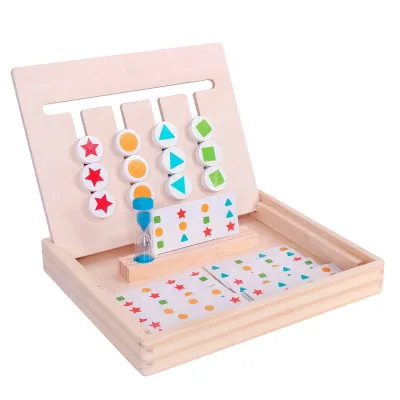
Montessori Educational Toy Early Learning Wooden Shape Color Classification Game
$0.80 - $1.60
MOQ: 200 Pieces


Hangzhou Wonder Tree Technology Co., Ltd.
- Verified by TüVRheinland
- Manufacturer, Trading Company
- Lead time30 days
- Avg. response≤ 3h
Main productsPaper Puzzle, Board Game, Cards Game, Poker Chip, Flashcards
Main marketsNorth America(50%), Western Europe(20%), Eastern Europe(10%)
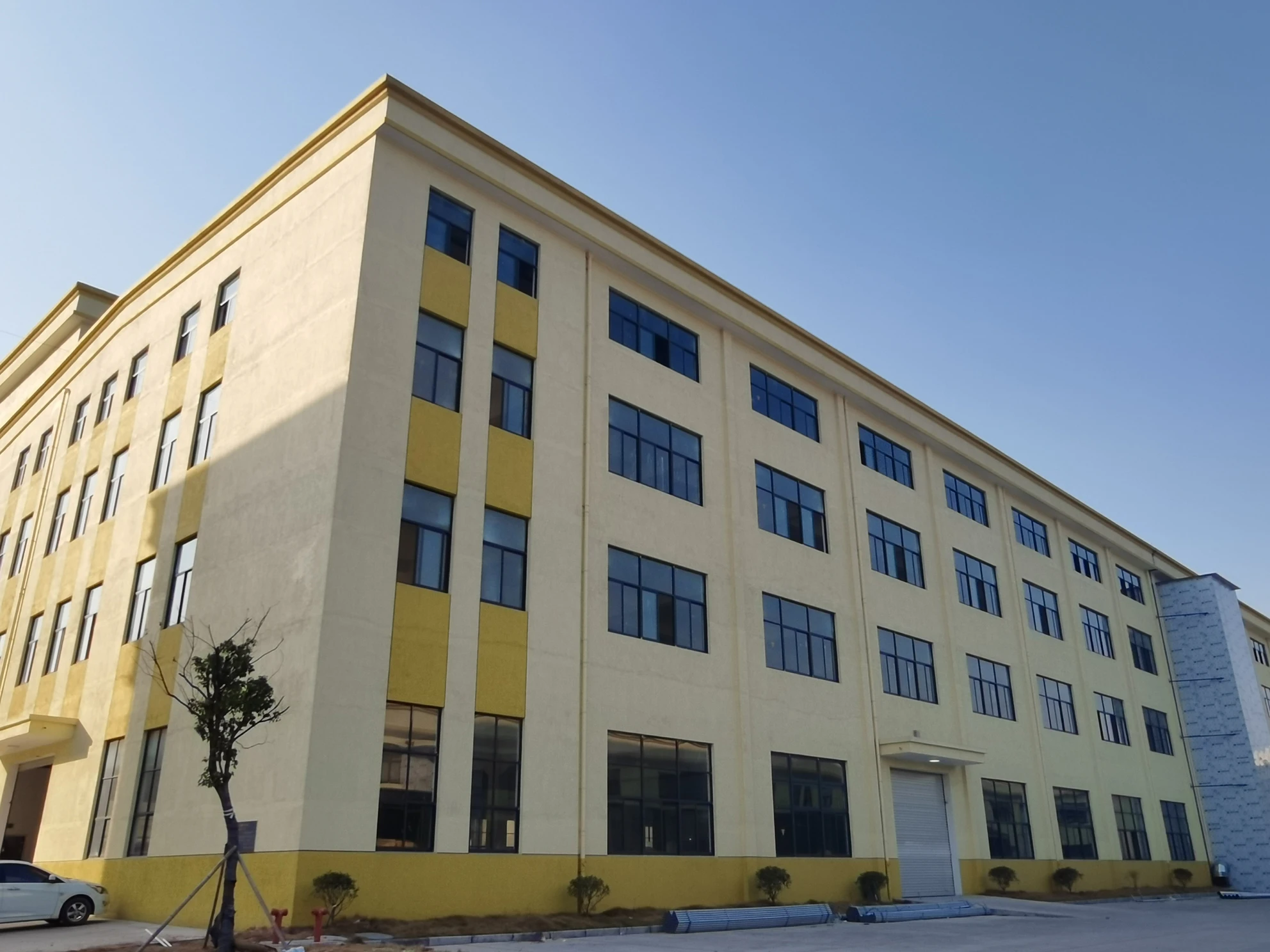
Ningbo Yinzhou Smilebloomi Arts & Crafts Co., Ltd.
- Trading Company
- Zhejiang, China
- Lead time50 days
- Avg. response≤ 2h
Main productsWooden Toy
Main marketsDomestic Market(100.00%), South Asia(100.00%), Oceania(100.00%), Southeast Asia(100.00%), Central America(100.00%), Africa(100.00%), Western Europe(65.00%), North America(13.00%), Eastern Asia(9.00%), Eastern Europe(5.00%), Mid East(3.00%), South America(2.00%), Northern Europe(2.00%), Southern Europe(1.00%)
- Trading Company
- Lead time旺季: "1 - 2000":15,"2001 - 5000":28,"> 5000":"To be negotiated", 淡季: "1 - 2000":15,"2001 - 5000":28,"> 5000":"To be negotiated"
- Avg. response≤ 3h
Main productsEducational Toys; Montessori Teaching AIDS; Household Items; Kids Furniture; Stationery
- Verified by SGS Group
- Manufacturer, Trading Company
- Lead time20 days
- Avg. response≤ 3h
Main productsKids Toys, Chess Set, Puzzle, Block, Craft
Main marketsNorth America(20%), Eastern Europe(20%), South America(11%)
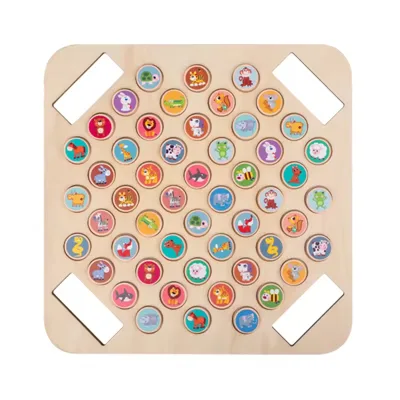
Hot Sales Montessori Wooden Intelligent Early Education Memory Chess Game Toys Wooden Board Game
$1.84 - $2.75
MOQ: 10 Minimum
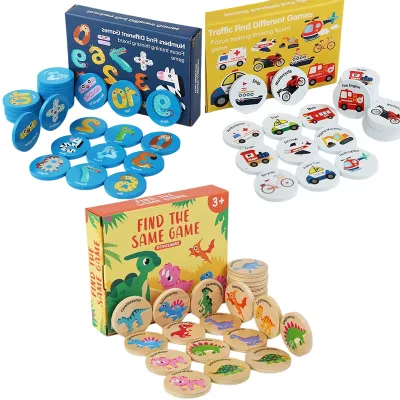
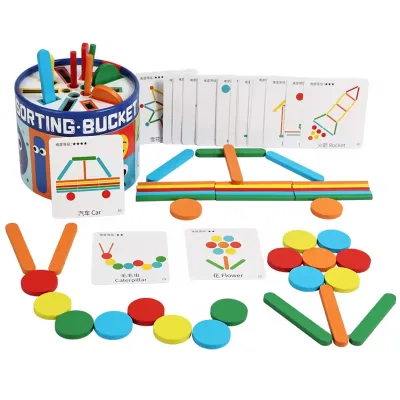

PIN INTERNATIONAL (NINGBO) LTD.
- Verified by TUVRHEINLAND
- Manufacturer/Factory
- China Zhejiang
- Lead time90 days
- Avg. response≤ 4h
Main productsWooden Toys Kids Toys Educational Toys, Arts and Crafts, Stem Toys, DIY Products, Subscription Box for Kids
Main marketsSouth America,Eastern Europe,North America,Eastern Asia,Western Europe

Wooden Educational Toys Montessori Preschool Toy Lacing Game Threading Game
$3.30 - $4.04
MOQ: 500 Pieces


Wooden Toy Educational Learning Toys Montessori Stacking Rings Stacking Game
$2.55 - $3.12
MOQ: 500 Pieces

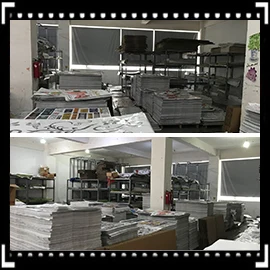
Wenzhou High And Long Co., Ltd.
- Trading Company
- Zejiang, China
- Lead time30 days
- Avg. response≤ 3h
Main productsKids Toys,Wall Clock,Gifts,Sticker
Main marketsWestern Europe(40.00%), Eastern Asia(40.00%), Mid East(10.00%), North America(10.00%)
- Manufacturer, Trading Company
- Zhejiang, China
- Lead time0 days
- Avg. response≤ 5h
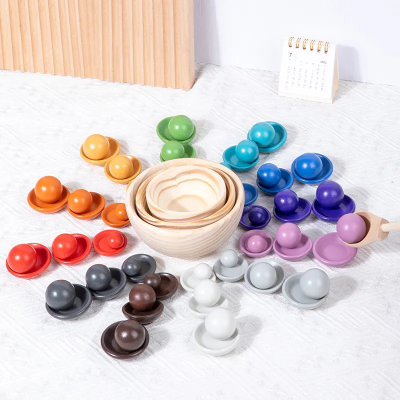
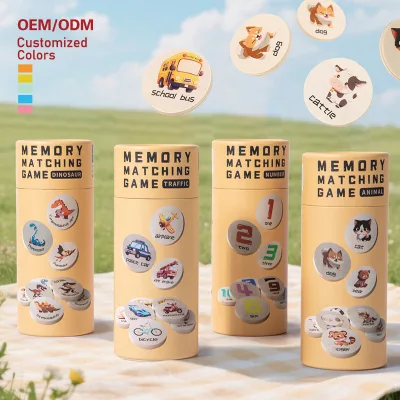
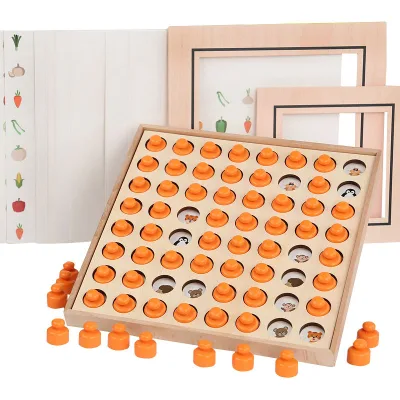
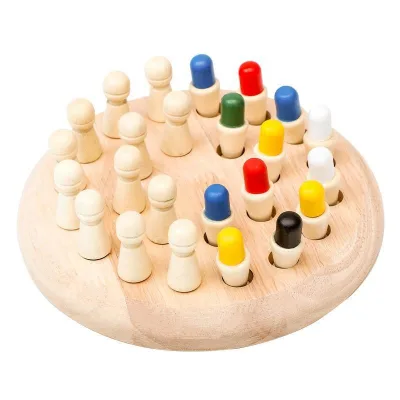
Montessori Sensory Toys Wooden Color Recognition Game Math Learning Toys Fine Motor Skills Training
$17.46 - $20.54
MOQ: 2 pieces
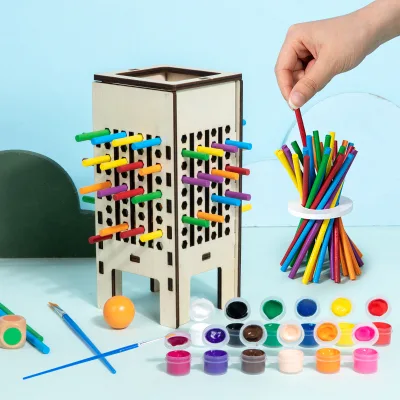
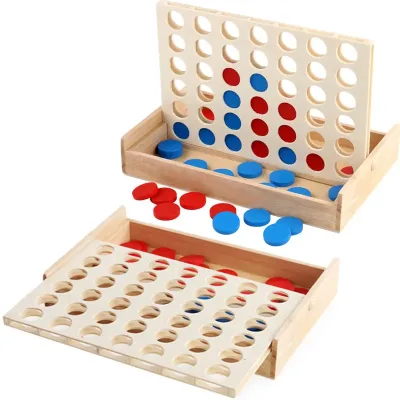
Shenzhen Aidisheng Trading Co., Ltd.
- Trading Company
- Guangdong, China
- Lead time15 days
- Avg. response≤ 2h
Main productsRC Airplanes,Toy Guns,Fidget Toys,RC Cars,Cosmetic Toys
Main marketsNorth America(30.00%), Africa(10.00%), Southern Europe(10.00%), Southeast Asia(10.00%), Eastern Europe(10.00%), Western Europe(10.00%), South America(10.00%), Mid East(4.00%), Oceania(4.00%), Northern Europe(2.00%)
Wenzhou Fun Arts & Crafts Co., Ltd.
- Manufacturer, Trading Company
- Zhejiang, China
- Lead time25 days
- Avg. response≤ 14h
Main productsMontessori Toys,Wooden Wall Toy,Wooden Puzzle,Wooden Building Block,Pretend Play Game
Main marketsNorth America(30.00%), Northern Europe(16.00%), Western Europe(15.00%), Southern Europe(9.00%), South America(8.00%), Eastern Asia(4.00%), Oceania(4.00%), Central America(3.00%), South Asia(2.00%), Southeast Asia(2.00%), Africa(2.00%), Mid East(2.00%), Eastern Europe(2.00%), Domestic Market(1.00%)
Liaocheng Boge Jiangxin Arts And Crafts Co., Ltd.
- Trading Company
- Shandong, China
- Lead time8 days
- Avg. response≤ 6h
Main productslaser cut wood,laser etch wood ornament,acrylic ornament,wood card,holiday decorations
Main marketsWestern Europe(40.00%), Southern Europe(25.00%), Northern Europe(20.00%), South America(10.00%), South Asia(5.00%)

- Verified by TUVRHEINLAND
- Trading Company
- China Zhejiang
- Lead time23 days
- Avg. response≤ 6h
Main productstoys
Main marketsSoutheast Asia/ Mideast,Europe,Australia

Memory Game Montessori Cartoon Fruits Shapes Reference Card Apple Memory Training Game Chess
$4.55 - $4.86
MOQ: 24 sets

Funny Design Children's Memory Game Apple Early Education Toy Forest Animal Wooden Board Game
$4.28 - $4.50
MOQ: 24 sets


Steam Teaching Equipment Technology (Taixing) Co., Ltd
- Verified by CTI
- Combined
- China Jiangsu
- Lead time23 days
- Avg. response≤ 3h
Main productsKids Furniture, School Furniture, Daycare Furniture, Classroom Furniture
Main marketsDomestic,Europe

EMA Wooden Montessori Tabletop Toys Early Educational Learning Game for Kids
$5.09 - $5.52
MOQ: 2 Pieces

EMA Early Childhood Montessori Wooden Toys Educational Tabletop Game for Toddlers
$17.82 - $19.30
MOQ: 2 Pieces


Ningbo Yinzhou Wenhui Paper Co., Ltd.
- Verified by TUVRHEINLAND
- Manufacturer/Factory
- China Zhejiang
- Lead time45 days
- Avg. response≤ 9h
Main productsStationery Gifts Promotional Homeware, Pen, Pet Products, Board Game, Paper Tube, Notebook, Wooden Toys, DIY Toy, Puzzle, Gift Bag
Main marketsSouth America,Eastern Europe,Mid East,North America,Southeast Asia,Eastern Asia,Oceania,Western Europe,Africa


Promotional Cute Multi Functional Memory Chess Games Toys for Babies and Toddlers
$9.99
MOQ: 1000 Pieces


WENZHOU TIMES ARTS&CRAFTS CO., LTD.
- Verified by SGS
- Manufacturer/Factory
- China Zhejiang
- Lead time23 days
- Avg. response≤ 5h
Main productsToys, Montessori Toys, Wooden Toy, Educational Toy, Role Play Toys, Children Furniture, Puzzle, Kid Bike, Musical Toy, Wooden Blocks
Main marketsSouth America,Eastern Europe,Mid East,North America,Southeast Asia,Eastern Asia,Oceania,Western Europe,Africa

Shantou Chenghai Xaqi Toys Industrial Co., Limited
- Verified by BV
- Combined
- China Guangdong
- Lead time23 days
- Avg. response≤ 4h
Main productsRemote Control Car, Educational Toy, Sport Toy, Pretend Play Toys, Remote Contro Toy, Baby Toy, Summer Toy, B/O Toy
Main marketsSoutheast Asia/ Mideast,Domestic,Europe

Educational Toy Wooden Memory Chess Logical Training Toy Wood Chess Game Set Memory Toy
$2.93 - $7.93
MOQ: 240 Pieces


Ningbo Hardwork Art & Craft Co., Ltd.
- Verified by BV
- Combined
- China Zhejiang
- Lead time15 days
- Avg. response≤ 11h
Main productsDIY Kit, Stamp, Wooden Craft, Book
Main marketsEurope

Board Game Children Color Sorting Logical Thinking Training Wooden Memory Chess Game
$1.42 - $2.51
MOQ: 500 pieces


NINGBO AIERXIN TOYS & CRAFTS CO., LIMITED
- Trading Company,Manufacturer/Factory
- China Zhejiang
- Lead time120 days
- Avg. response≤ 13h
Main productsWooden Toys, Wooden Educational Toys, Children Furniture, Wooden Games, Baby Toys, Christmas Gifts, Educational Toys, Wooden Puzzle, Wooden School Furniture, Plastic School Furniture
Main marketsSouth America,Eastern Europe,Mid East,North America,Southeast Asia,Eastern Asia,Oceania,Western Europe,Africa

- Verified by BV
- Trading Company,Manufacturer/Factory
- China Zhejiang
- Lead time0 days
- Avg. response≤ 13h
Main productsWooden Game, Toy, Outdoor Game, Gareden Game, Racket, Tent, Soccer Ball, Sports

Ningbo Tonglu Children Products Co., Ltd.
- Manufacturer
- China Zhejiang
- Lead time30 days
- Avg. response≤ 9h
Main productsKids Tricycle, Kids Furniture, Kids Table, Kids Chair, Kids Balance Bike, Kids Scooter, Kids Bookshelf, Kids Storage Cabinet, Kids Educational Toys, Kids Sofe
Main marketsSouth America,Europe,North America


Comprehensive Sourcing Guide
Wooden Montessori Memory Game Supplier Concentration and Factory Types
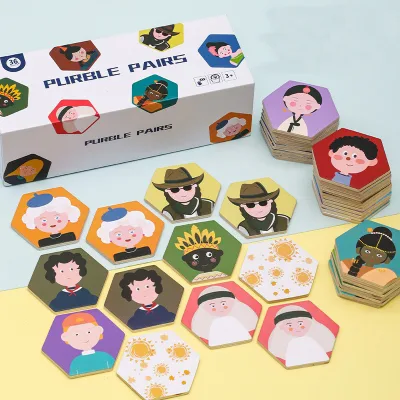
Buyers searching for wooden Montessori memory games will encounter suppliers concentrated in Zhejiang, China, which appears in the supplied results as the location for multiple listings. Zhejiang has a long association with wooden toy and educational product manufacturing, and several suppliers in this category list main products such as wooden games, wooden toys, bingo games, wooden sport items, and wooden boxes, which signals established tooling and finishing capacity relevant to memory-match boards and wooden chess-style components. A second supplier profile in the results lists paper puzzles, board games, card games, poker chips, and flashcards, indicating a broader game-and-print product mix that can combine wooden boards with printed cards or packaging. When a location is not displayed for a given supplier, buyers should not assume a cluster origin; instead, confirm the registered address and production address directly, since trading offices and factories can sit in different provinces.
The results also show a mix of company types: some profiles are labeled trading companies, some manufacturer/factory, some group corporations, and some combined manufacturer and trading company. This matters for sampling speed, factory audit access, and pricing transparency. Suppliers whose main products overlap heavily with memory games or Montessori-style wooden toys are more likely to hold relevant production lines, while those listing diversified categories may subcontract. Ask each candidate to state which processes are in-house versus outsourced, and request photographs or video of the specific lines producing the boards, tiles, and pouches.
How to Verify Wooden Montessori Memory Game Suppliers
Verification should begin with the credentials actually displayed in supplier results, then extend to documents you request before depositing funds. In the supplied data, one supplier profile shows third-party verification by SGS, while another shows verification by TüV Rheinland; both are audit-style platform verifications rather than product certifications, so read them as evidence of company identity checks, not toy-safety compliance. System certifications shown in the results include BSCI, ISO 9001, and SEDEX for one profile, and FSC, SCAN, ISO 9001, EN 71, CCPSA, and CPC for another. These are meaningful differences: ISO 9001 relates to quality management, BSCI and SEDEX to social compliance auditing, FSC to wood sourcing, SCAN to supply-chain security, and EN 71, CCPSA, and CPC to toy safety regimes for Europe, Canada, and the United States respectively. Always ask which certificates apply to the specific memory game you are buying, not just to the company.
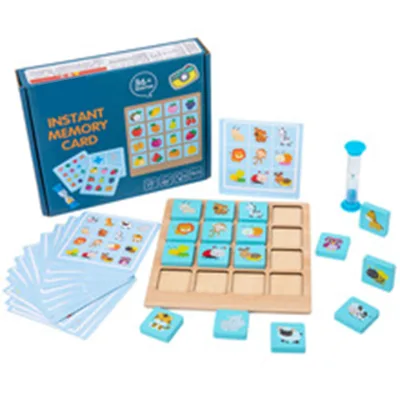
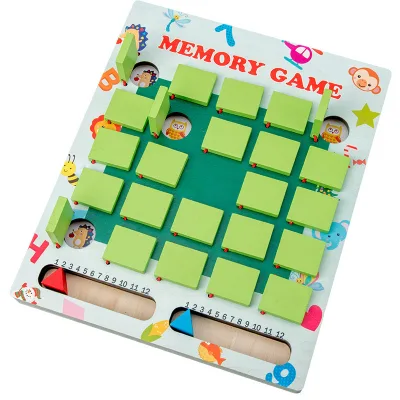
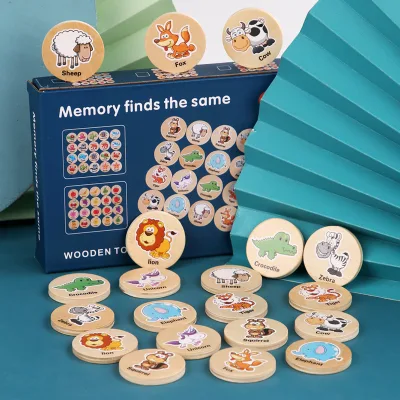
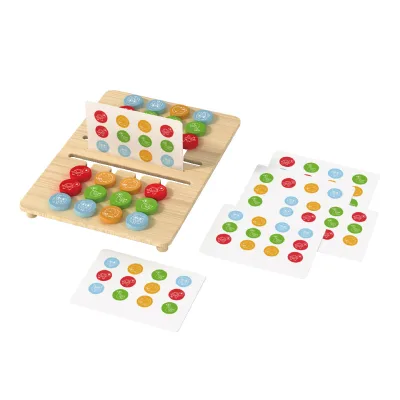
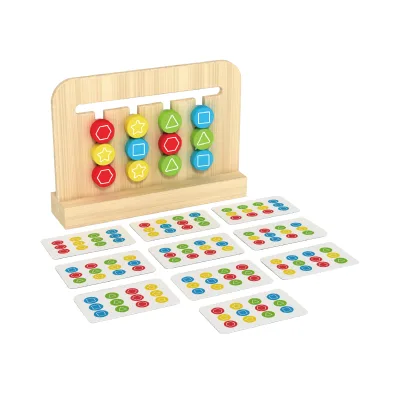
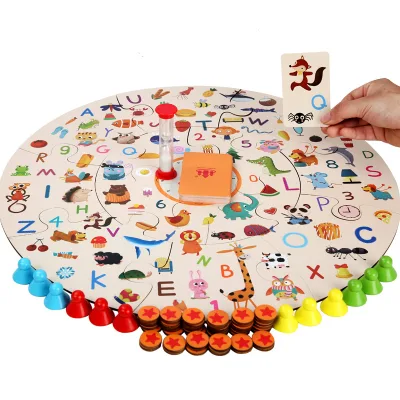
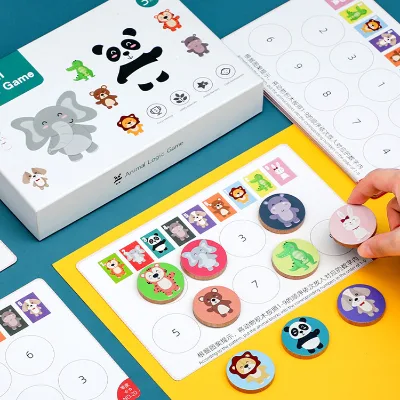
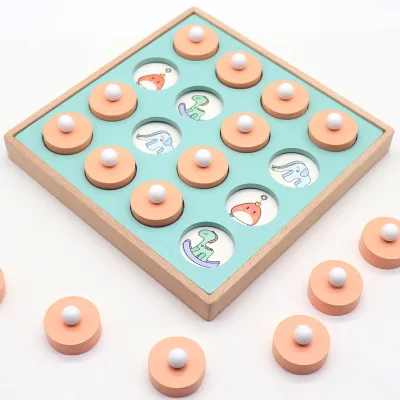
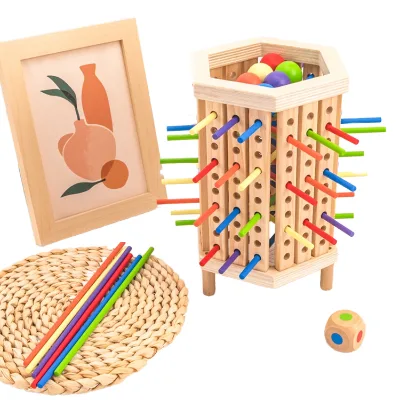
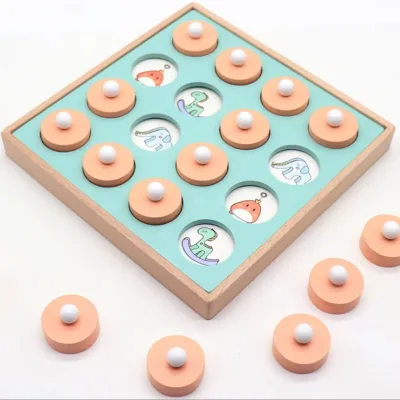
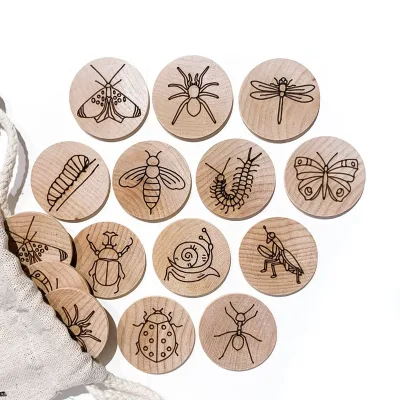
Next, verify production reality against the listing. Product evidence in the results shows models such as a wooden activity tree Montessori board game, a memory chess board game, a ladybug memory matching game, a shape and color classification game, a color matching game, and a sensory busy board, with declared model numbers and dimensions. Request the test reports matching those models, ask for a live factory video call showing sanding, painting, and assembly, and confirm whether customization claims, which appear as "available" on several listings, apply to artwork, components, and packaging before you rely on them.
What to Compare Across Wooden Montessori Memory Game Suppliers
Build a comparison sheet from attributes the supplier results actually display, and mark every missing field as "to confirm" rather than guessing. Comparable dimensions include lead time, where one profile shows 23 days and another 30 days; response time, where results show roughly 3 hours for one profile and about 3.07 for another; company type; verification body; system certifications; main products; and research-and-development capacity, with one profile declaring its own brand plus OEM and ODM capability and another listing sample processing, graphic processing, and customized-on-demand services. Note that response times are averages and lead times typically start after order confirmation, so clarify the clock used before treating these numbers as firm delivery commitments.
Then compare at the product level, because supplier-level labels hide meaningful spread. Within the results, listed products show minimum prices ranging from under one dollar to nearly nine dollars, and unit prices pair with minimum order quantities such as 200 pieces on one listing and 54 sets on another. Product attributes to tabulate include age range, material, packaging type, package dimensions, scale, style, and whether OEM and ODM customization is declared. Memory chess boards, ladybug matching sets, and classification games serve overlapping buyers but differ in piece count, board size, and finish, which drives both cost and freight density. Score suppliers on demonstrated specialization, certificate coverage, and the consistency between their main products and the specific game variant you intend to order.
Common Wooden Montessori Memory Game Sourcing Risks
The most common risk is certificate mismatch: a supplier holds ISO 9001 or social-audit credentials, and buyers assume the finished toy also complies with EN 71, ASTM, CE, CPC, or CCPSA. Results show products declaring combinations such as ASTM, CE, and EN on some listings and CE only on another, so treat certificate coverage as item-specific. A second risk is trading-company opacity; when a profile is labeled a trading company or a combined manufacturer and trading company, the actual factory may change between sample and production, shifting finish quality, wood species, and paint formulas. Lock the factory and material specification into the purchase contract, including the declared material such as lotus wood noted on one listing, and the packaging type shown on the product attributes.
Other risks stem from customization assumptions and packaging. Several listings state customization is available and OEM or ODM is welcomed, but customization scope, tooling fees, and approval timelines are rarely shown, so confirm what changes are included at the quoted price tier. Packing differences also create risk: results show paper carton packing on some products, color box on another, and packing bag on yet another, and carton dimensions such as 22x10x31cm, 23X21X6 cm, and 45X35X12 cm affect container utilization. Finally, low unit prices on small classification games can tempt buyers into oversized first orders; the wide price and MOQ spread across listings justifies sampling several candidates before committing volume.
Wooden Montessori Memory Game Regional Sourcing and Logistics
Zhejiang, China is the only cluster supported by the supplied results, appearing as the declared location of one supplier and as the place of origin on a listed memory chess product. That consistency between company location and product origin reduces uncertainty for buyers prioritizing wooden toy ecosystems, but you should still verify the production address independently, since verified company location does not always equal verified factory location. For suppliers where no region is displayed, use neutral methods to identify the cluster: ask for the manufacturing address and business license, request shipping port details on quotations, and compare freight origins across candidates. Freight origin matters for consolidated sea shipments, and a port-side factory can shave days off door-to-door transit even when quoted unit prices are identical.
Logistics planning should build on the declared lead times in the results, which range from 23 to 30 days, and treat them as production windows that begin after deposit and artwork approval. Wooden memory games are relatively dense but non-fragile; the carton dimensions shown in the results, from compact chess boards around 30x30x2cm to busy boards of 45X35X12 cm, allow mixed-product consolidation if you order several variants from one supplier. Request per-carton gross weights, which one listing gives as 0.500 kg per set, and calculate container fill before finalizing MOQ tiers. Air freight is rarely economic for this category except for urgent samples.
Wooden Montessori Memory Game Commercial Terms and Order Planning
Commercial terms should be negotiated against the ranges visible in supplier results rather than any single number. Listed products span unit prices from under one dollar to nearly nine dollars, and declared MOQs run from 54 sets to 200 pieces, so expect wide quoting variance and ask each supplier what drives their tier: piece count, customization depth, or certificate testing. Use escrow-style or platform-protected payment where offered, since one supplier profile lists escrow among its displayed attributes while others do not; never assume protection exists. Confirm deposit percentage, balance trigger, inspection rights before shipment, and whether the quoted price covers the packaging type declared on the listing, whether carton, color box, or bag. Establish a golden sample that matches the declared model number and dimensions before production begins.
Order planning benefits from R&D capacity labels: one profile declares its own brand plus OEM and ODM, and another lists sample processing, graphic processing, and customized-on-demand, which suggests different minimums and approval lead times for custom artwork. Sequence orders so that lead time starts only after certificates for the target market, such as CE, EN 71, ASTM, CPC, or CCPSA where relevant, are confirmed for the exact model. Plan reorders around the shorter of the two displayed lead times, 23 days, with buffer for peak season, and split first orders between two qualified suppliers to hedge finish-quality and timing risk until repeat data proves consistency.
(Word count check: six sections, each within the 225–235-word band, totaling approximately 1,380 words.)
FAQs
What certifications do these wooden Montessori games have?
Suppliers offer ASTM, CE, and EN standards for safety compliance. Some manufacturers also hold ISO 9001 and BSCI system certifications. Verify specific product tags to ensure they meet your regional import requirements before placing bulk orders.
What is the typical lead time for production?
Production lead times generally range from 23 to 30 days depending on the factory. This timeframe accounts for material sourcing and quality checks. Confirm exact delivery schedules with your chosen supplier to align with your inventory planning.
What is the minimum order quantity for these toys?
Minimum order quantities vary, with some listings requiring 200 units while others accept 54 sets. Check individual product pages for specific MOQs. Customization options may also influence the minimum threshold for your specific design requirements.
Are OEM and ODM services available?
Yes, many suppliers support both OEM and ODM services. You can customize designs, packaging, and branding to fit your market. Ensure the supplier has the necessary capabilities for your specific customization needs before finalizing the agreement.
Where are these wooden games manufactured?
Most suppliers are located in Zhejiang, China. This region is known for its strong manufacturing infrastructure for wooden toys. Buyers can verify factory locations and audit capabilities to ensure quality control standards are met.
What is the price range for these games?
Prices typically range from $0.80 to $8.99 per unit. The cost depends on the complexity, material, and size of the game. Higher-end items with intricate designs command higher prices. Request quotes for accurate pricing based on volume.