Source Internal and External Retaining Ring Pliers for Automotive, HVAC, and Machinery
Find 30 verified options for Internal and External Retaining Ring Pliers suitable for automotive, HVAC, and machinery applications. Compare specifications like jaw length, material grade, and customization support to select the right tool for your industrial needs.
Key considerations
Products List
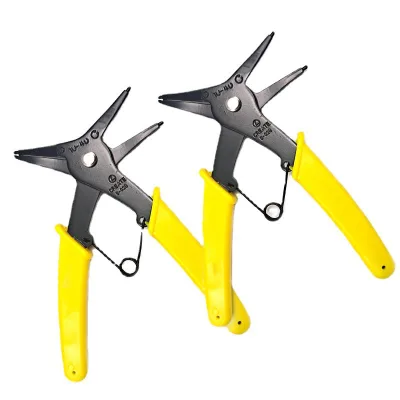
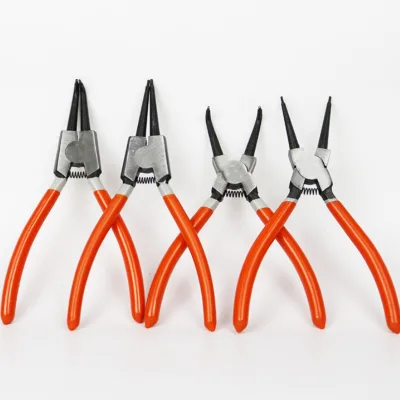
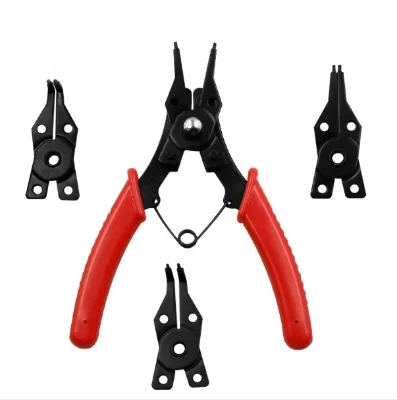
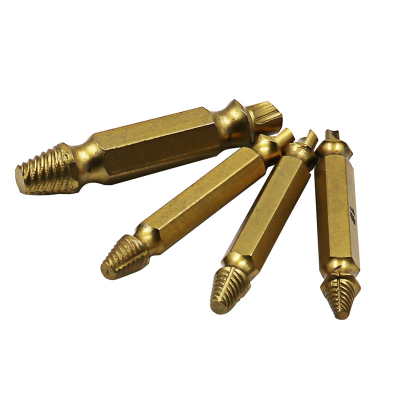


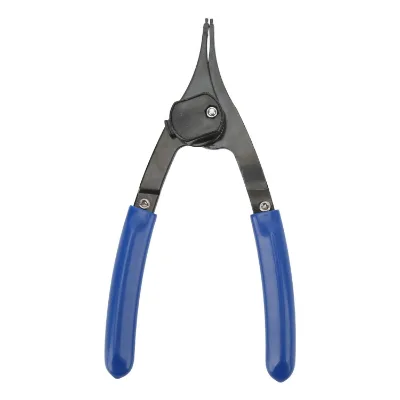
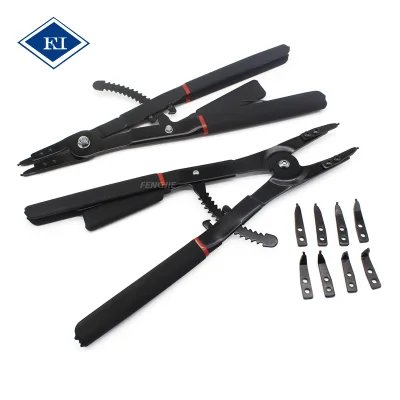


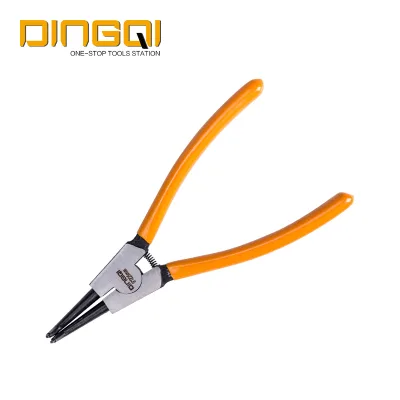


Comprehensive Sourcing Guide
Strategic Sourcing Guide for Internal and External Retaining Ring Pliers
The procurement of Internal and External Retaining Ring Pliers, often categorized under circlip pliers or multi-functional hand pliers, requires a disciplined approach to ensure tool reliability and operational safety. These specialized instruments are critical for the installation and removal of snap rings, which secure components in machinery, automotive assemblies, and industrial equipment. Buyers must navigate a market where product attributes vary significantly between suppliers, ranging from simple single-purpose tools to complex multi-functional units. This guide synthesizes observed market data and technical requirements to provide a framework for sourcing high-quality retaining ring pliers without relying on unverified claims or speculative data.
Technical Specifications and Material Composition
The foundation of a reliable plier lies in its material composition and geometric specifications. In the current market, a significant portion of available tools is constructed from 45# Carbon Steel or High Carbon Steel. These materials are selected for their balance of hardness and toughness, allowing the jaws to withstand the high spring forces required to compress retaining rings without permanent deformation. Buyers should verify that the material grade aligns with the intended application, distinguishing between "DIY" grade tools suitable for light maintenance and "Industrial" grade tools designed for heavy-duty assembly lines.
The physical dimensions of the tool are equally critical. Observed specifications indicate a typical jaw length of 40mm and a tip width of 10mm, with a maximum opening capacity of 24mm. The jaw shape is predominantly flat, featuring a smooth texture to prevent slippage during operation. The overall length of the tool is often standardized around 140mm, providing adequate leverage for the operator. The handle material is another key differentiator; effective designs utilize rubber-coated handles or soft-grip plastic molded components to reduce hand fatigue and improve torque transmission.
When evaluating technical data, buyers must pay close attention to the jaw bend angle. Standard models often feature a 0° jaw bend, which is essential for accessing retaining rings in tight, flush spaces. However, specific applications may require angled jaws, though the current observed inventory heavily favors the straight configuration. The measurement system used for these tools is predominantly metric, reflecting the global standard for industrial components.
Functional Versatility and Application Scope
While the core keyword focuses on retaining ring pliers, the market frequently presents these tools as part of a broader "Multi-Functional" or "Muti-functional Plier Tools" category. This versatility allows a single tool to serve multiple roles, such as a two-in-one locking plier or a spring clamp. The application scope extends beyond simple ring installation to include work on cables, steel wires, pipes, clamps, and even delicate mechanisms like clocks.
The "Multi-Functional" attribute suggests that these tools are designed to handle a variety of fastening tasks, reducing the need for a large inventory of specialized tools. For instance, a tool described as having a "Two-in-One Locking Pliers" function may also serve as a clamp, offering flexibility in assembly environments. The "Outdoor Multifunction" usage tag indicates that some models are built to withstand environmental stressors, making them suitable for field service or outdoor equipment maintenance.
However, buyers must exercise caution when equating "Multi-Functional" with "Specialized." A tool designed for general maintenance may lack the precision required for high-tolerance industrial applications. The distinction between a "DIY" grade tool and an "Industrial" grade tool is vital here. Industrial applications demand higher durability and elasticity, often highlighted by features such as "Durable elasticity" and "Durable Portable Multi-purpose" construction. The "Feature" attributes observed, such as "Durable elasticity," suggest that the spring mechanism is designed to return to its original shape after repeated compression cycles, a critical factor for tools used in high-volume production.
Compliance, Certification, and Safety Standards
In the realm of B2B procurement, compliance and safety are non-negotiable. While specific certification names are not universally standardized in the provided data, buyers must verify that tools meet relevant safety and quality benchmarks. One notable attribute observed is "Esd-safe: Yes," indicating that certain models are designed to be Electrostatic Discharge safe. This is a crucial requirement for procurement in electronics manufacturing or environments where static discharge could damage sensitive components.
The "OEM Service: Available" and "customized support: OEM, ODM, OBM" attributes highlight the flexibility of suppliers to meet specific compliance needs. Buyers should leverage these services to ensure that the tools meet local regulatory requirements or specific industry standards. For example, a company requiring tools that adhere to a specific safety standard can request a customized logo or specific packaging that aligns with their internal compliance protocols.
It is important to note that the "Warranty: 1 Year" is a common offering, providing a baseline assurance of product quality. However, buyers should not assume that a warranty covers all failure modes. The warranty typically covers manufacturing defects rather than wear and tear from misuse. Additionally, the "Yes or no set: Not a suit" attribute clarifies that these are often sold as single items rather than comprehensive kits, which impacts the total cost of ownership and inventory management.
Cost Drivers and Pricing Dynamics
Understanding the cost drivers for retaining ring pliers is essential for budgeting and negotiation. The observed price range in the market spans from $0.01 to $28 USD, a wide spectrum that reflects differences in material quality, manufacturing complexity, and branding. The lower end of the price range likely corresponds to basic, single-purpose tools with minimal features, while the higher end may include specialized, multi-functional, or branded tools with enhanced durability.
The Minimum Order Quantity (MOQ) is another significant factor influencing cost. The observed MOQ range is 1 to 5000 pieces, with a specific high-confidence fact noting an MOQ of 100 pieces for certain models. This variability allows buyers to scale their orders based on immediate needs versus long-term inventory planning. For small-scale procurement, an MOQ of 1 is ideal, whereas large-scale industrial buyers may benefit from negotiating lower unit prices by ordering closer to the 5000-piece threshold.
Packaging also plays a role in cost. The "Packing: Opp Bag" observation suggests that many tools are shipped in simple polyethylene bags, which is cost-effective but offers minimal protection. More premium packaging, such as "Card Insert Packaging," may add to the unit cost but provides better presentation and protection, which is often required for retail or high-end industrial distribution. The "Single gross weight" of 0.150 kg to 0.200 kg per unit also impacts shipping costs, particularly for international orders where weight is a primary determinant of freight charges.
Supplier Evaluation and Customization Capabilities
Selecting the right supplier requires a thorough evaluation of their capabilities beyond just product specifications. The "place of origin: Jiangsu, China" is a common location for these tools, indicating a concentration of manufacturing expertise in this region. Buyers should verify the supplier's ability to provide "OEM, ODM, OBM" support, which allows for customization of the tool's design, branding, and packaging.
The "Logo: Accept Customized Logo" attribute is a key indicator of a supplier's willingness to collaborate. This service enables buyers to brand the tools with their company logo, enhancing brand visibility and ensuring that the tools are easily identifiable within the organization. The "Others: Please Feel Free To Contact Us" attribute suggests an open communication channel, which is vital for resolving technical queries or negotiating custom specifications.
When evaluating suppliers, buyers should also consider the "Delivery Time: Stocks, Fast Delivery" attribute. Immediate availability is crucial for maintaining production schedules and avoiding downtime. Suppliers that maintain stock levels can offer faster lead times, whereas those requiring production runs may have longer delivery windows. The "Selling Units: Single item" format simplifies the ordering process, allowing for flexible procurement without the need to purchase pre-packaged sets.
Quality Control and Long-Term Procurement Considerations
Quality control is paramount when sourcing industrial tools. The "Jaw Texture: Smooth" and "Jaw Surface: Smooth" attributes are indicators of a well-finished product, reducing the risk of damaging the retaining rings or the components being assembled. Buyers should inspect samples for consistency in the "Jaw Shape: Flat" and "Tip Width: 10mm" to ensure they meet the required tolerances.
Long-term procurement considerations include the durability of the tool and its resistance to wear. The "Feature: Durable Portable Multi-purpose" and "Feature: Durable elasticity" attributes suggest that the tools are built to last, but buyers should verify these claims through practical testing. The "Warranty: 1 Year" provides a safety net, but a robust quality control process should include regular inspections of the tool's spring mechanism and handle integrity.
Furthermore, the "Measurement system: Metric" standard ensures compatibility with the vast majority of industrial components. Buyers should confirm that the tool's specifications align with the metric standards used in their specific industry to avoid compatibility issues. The "Single package size" of 20X11X20 cm or 20X15X5 cm also impacts storage and logistics, and buyers should plan their warehouse space accordingly.
In conclusion, sourcing Internal and External Retaining Ring Pliers requires a balanced approach that considers technical specifications, material quality, supplier capabilities, and cost dynamics. By focusing on verified attributes such as material grade, jaw dimensions, and customization options, buyers can make informed decisions that ensure the reliability and efficiency of their procurement process. The wide range of available options, from basic DIY tools to industrial-grade multi-functional pliers, offers flexibility to meet diverse operational needs while maintaining high standards of quality and safety.
FAQs
What material is used for the jaws of these pliers?
The jaws are constructed from 45# Carbon Steel or High Carbon Steel to ensure durability. This material provides the necessary hardness and toughness for compressing retaining rings without permanent deformation during industrial or DIY applications.
Can I customize the logo on the tool?
Yes, suppliers accept customized logos on the product. This OEM service allows buyers to brand the tools with their company name, which is useful for internal identification and enhancing brand visibility in the supply chain.
What is the minimum order quantity for these pliers?
The minimum order quantity is typically 100 pieces for standard models. However, some suppliers may offer lower quantities starting from one piece, allowing flexibility for small-scale procurement or large industrial bulk orders up to 5000 pieces.
How long is the warranty period for the product?
The standard warranty period provided is one year. This coverage typically protects against manufacturing defects, ensuring the tool meets quality standards for durability and elasticity during its intended use in machinery or assembly environments.
Which jaw dimensions are standard for these tools?
Standard specifications include a jaw length of 40mm and a tip width of 10mm. The maximum opening capacity is often 24mm, with a flat jaw shape and smooth texture designed to prevent slippage during operation.
Are these pliers suitable for electronics assembly work?
Yes, certain models are certified as Esd-safe for electronics assembly. This feature ensures the tools do not generate static discharge that could damage sensitive components, making them suitable for environments requiring electrostatic protection.
What is the typical delivery time for stock items?
Delivery time is fast for items available in stock. Suppliers maintain inventory to ensure immediate availability, which helps buyers avoid downtime and maintain production schedules without waiting for new manufacturing runs.